$125.89
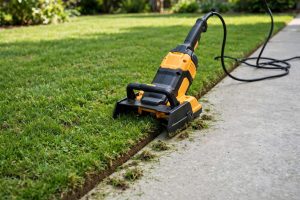
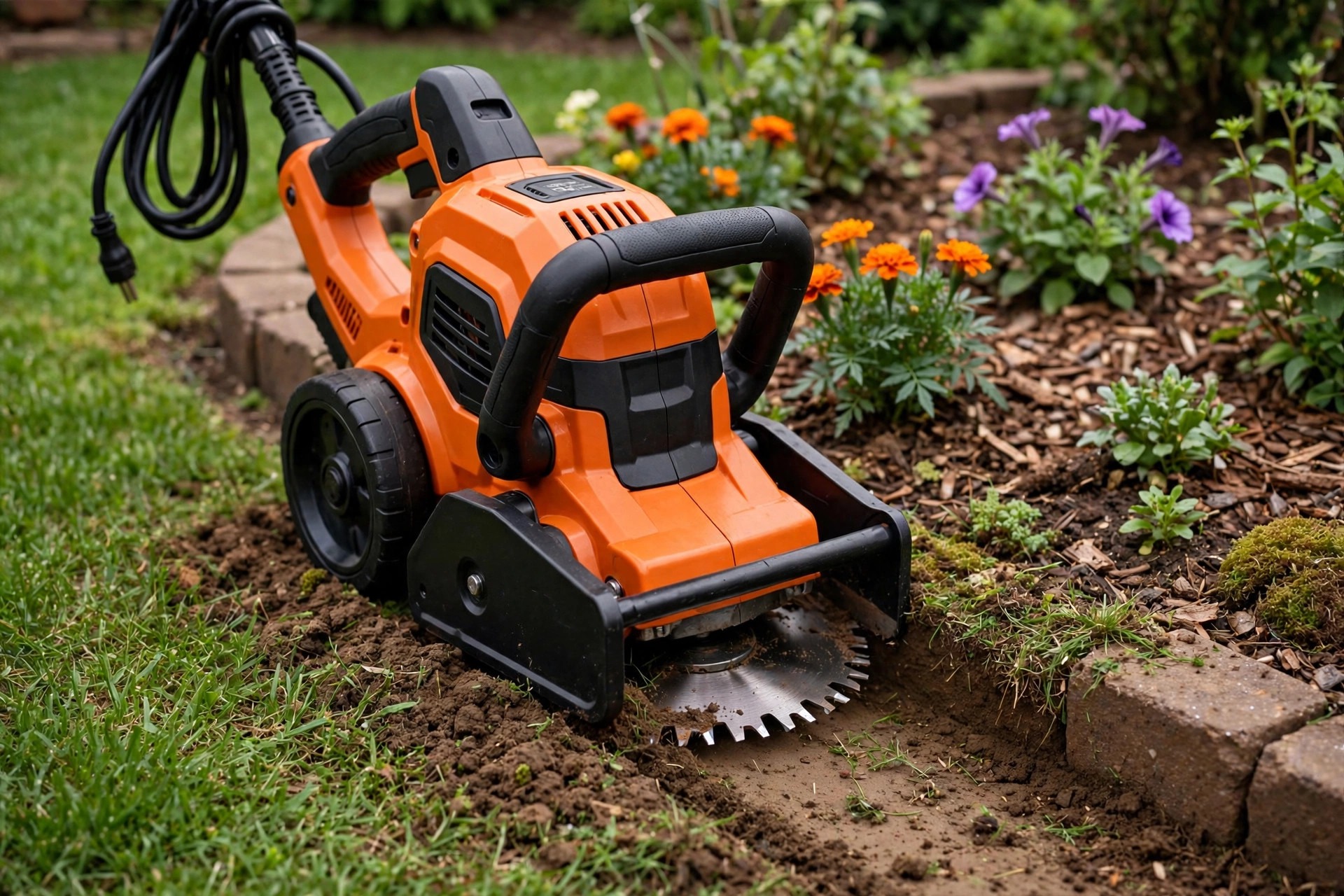
The Worx WG896 is a 12 amp corded edger and trencher with a heavy duty serrated 7.5 in blade, a stamped wear indicator, three depth settings, an adjustable shaft and a pivoting handle.
Description
Two corded edgers dominate the home market, and the worx wg896 is the one that argues on details. On paper it stands level with the category leader: a 12 amp motor at 4,700 RPM, a 7.5 in blade, three depth positions at 1, 1.25 and 1.5 in, and the same edger plus trencher double duty. The Worx differences show up in the small print. Its blade is heavy duty steel with serrated edges and a wear indicator stamped into it, so you can read the blade’s remaining life at a glance instead of guessing from a ragged cut. The shaft adjusts for the user’s height, the handle pivots, a cutting line indicator helps you track the blade against the pavement, and the warranty runs three years, a year longer than its main rival. For corded value with a longer warranty cushion, this is the pick.
Key Features
12 amp motor, 4,700 RPM
The motor matches the strongest corded specification in this guide, with enough torque to hold blade speed through thick turf and the damp soil of a spring re-cut. Corded power means the same output on the last pass as the first, with no battery fade.
Serrated blade with a wear indicator
The 7.5 in heavy duty steel blade carries serrated edges that bite into runners instead of skating over them, and the stamped wear indicator shows when the blade is spent. Blade condition is the most neglected variable in edging quality, and this is the only pick that reports it to you.
Three depth positions to 1.5 in
Positive settings at 1, 1.25 and 1.5 in cover weekly maintenance through to a full seasonal re-cut, and the edger converts to trenching duty for bed lines and low voltage cable.
Adjustable shaft and pivoting handle
The shaft length adjusts to the user’s height and posture, and the handle pivots for comfort and control. Fit matters on a 14 lb tool: a shaft set correctly keeps the blade vertical and the line straight with less wrist effort.
Cutting line indicator and easy cleaning
A cutting line indicator on the guard shows where the blade is tracking relative to the pavement, which genuinely helps first time users hold a straight line. The guard opens for cleaning out clogs and packed soil, with the manual’s standing instruction to unplug before you reach in.
Product Description
The Worx WG896 is a corded walk-behind edger and trencher for home lawns, weighing 14 lb, the heaviest of the corded picks in this guide alongside its depth class. That weight is not all downside: a heavier head stays planted on hard soil and tracks truer on long, straight driveway runs, and reviewers who edge long borders tend to prefer the planted feel.
Owner feedback clusters around the details Worx chose to differentiate: the wear indicator is the feature owners mention unprompted, followed by the extra warranty year. The honest criticisms are the cord itself, shared with every plug in tool, and a tendency, again shared with its corded rivals, to pack the guard in wet soil. Work on moist rather than wet ground and both complaints shrink.
Benefits of Using This Product
- Wear indicator ends guesswork about when the blade needs replacing
- Three year warranty, the best coverage among the corded picks here
- Serrated blade bites through stolons and runners cleanly
- Adjustable shaft and pivoting handle fit shorter and taller users
- Full corded torque with no runtime limit and no battery to buy
Specifications
| Motor | 12 amp |
| Blade speed | 4,700 RPM |
| Blade | 7.5 in heavy duty serrated steel, with wear indicator |
| Depth settings | 3 positions: 1, 1.25 and 1.5 in |
| Weight | 14 lb |
| Extra modes | Trencher (bed lines, low voltage cable) |
| Ergonomics | Adjustable shaft, pivoting handle, cutting line indicator |
| Warranty | 3 years |
How to Use
Set the shaft length to your height before the first run, and set depth to 1.5 in for a re-cut or 1 in for maintenance. Edge after mowing, on soil that is moist but not wet. Align the cutting line indicator with the pavement edge, start the motor before the blade touches turf, and walk slowly with your eyes a few feet ahead. On neglected edges, clear the turf strip between passes rather than forcing one deep run. Unplug before clearing clogs or checking the blade, and glance at the wear indicator each season; a fresh blade is the cheapest upgrade in edging.
Why Choose the Worx WG896?
Choose the worx wg896 when you want corded power and trenching at a value price, with the small ownership advantages that compound over years: a blade that tells you when it is done, a third year of warranty, and ergonomics that adjust to the person holding it. If the category leader is out of stock or priced up, this is no consolation pick; on warranty and blade intelligence it is arguably the better buy.
Frequently Asked Questions
How deep does the WG896 cut?
Up to 1.5 in, in three settings at 1, 1.25 and 1.5 in. That matches the deepest corded specification in this guide.
What does the wear indicator do?
It is a marking stamped into the blade that is consumed as the blade wears. When wear reaches the indicator, the blade is due for replacement, so cut quality never fades without warning.
Can it cut trenches as well as edges?
Yes, for shallow landscape work such as bed lines and low voltage lighting cable. It shares that 2-in-1 role with the LE750.
Is 14 lb too heavy?
It is the heaviest corded pick here, and noticeable on long runs. The adjustable shaft and pivoting handle offset much of it, and the weight helps the head track straight on hard ground.
Final Verdict
The Worx WG896 is the corded value pick with a technician’s eye for detail: serrated blade, honest wear reporting, a three year warranty and fit adjustments its rival skips. Buy it for long straight runs and regular seasonal re-cuts, and check the indicator each spring.
Still deciding? Our guide to the best lawn edger for clean lines compares all ten models on cutting depth, blade, weight and ease of use, with an honest Best for and Not ideal for for each one.
Related products
-

Buy Premium Garden Tool Set – 5PCS Stainless Steel Ergonomic Walnut Handle
$39.99 Buy product -
Buy Soil Test Kit – 2 in 1 Soil Moisture Meter & Soil pH Meter
$16.99 Buy product -
Buy CKG Metal Detecting Shovel – Heavy Duty Gardening
$26.99 Buy product -
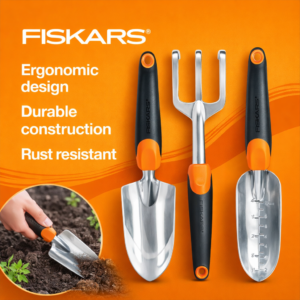
Buy Fiskars 3-in-1 Garden Tool Set – Best Choice for Garden Tool Set
$24.95 Buy product