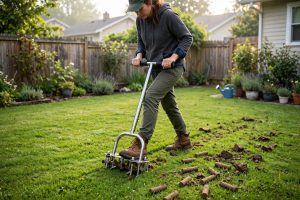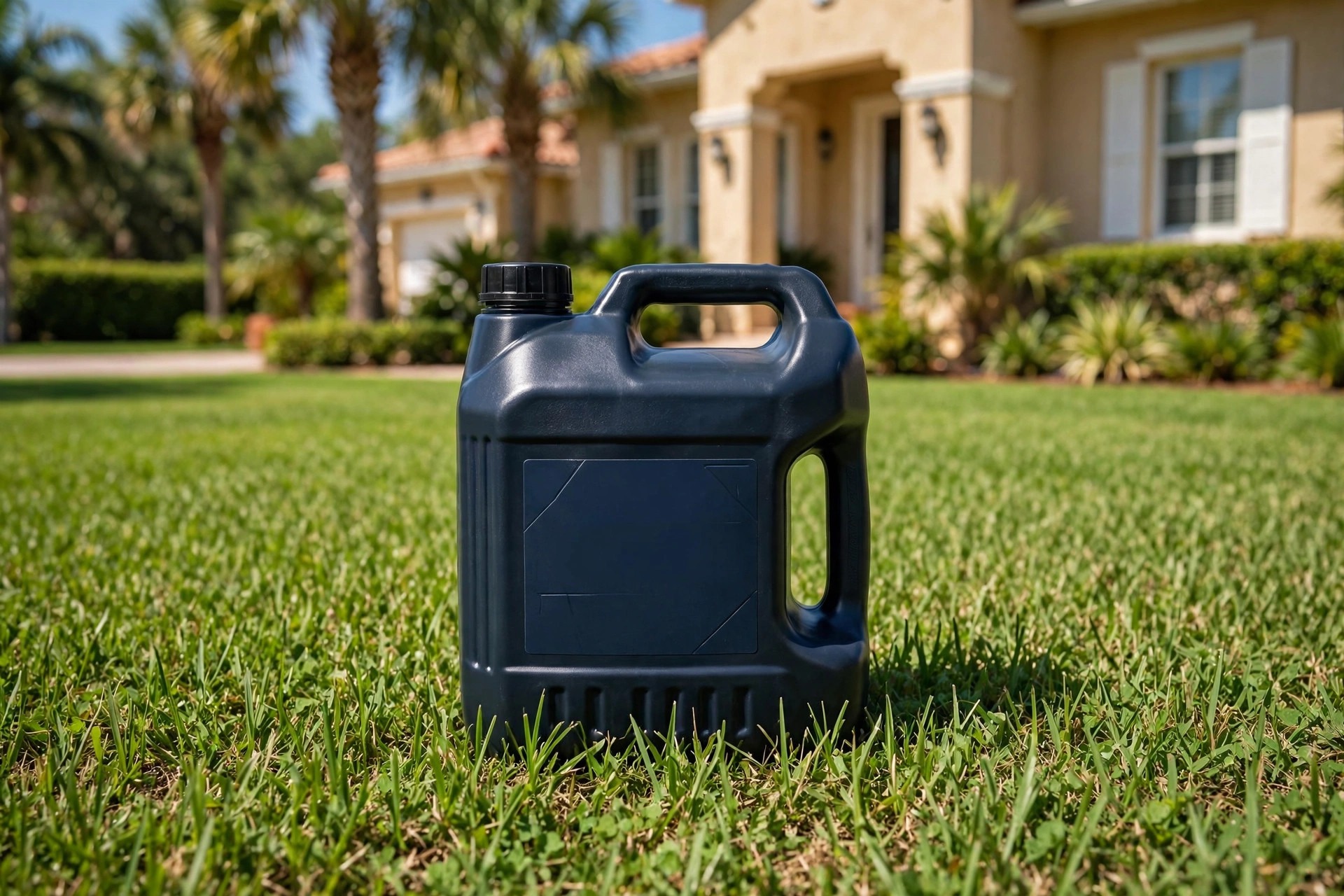
$133.20
Professional water-dispersible granule engineered for warm-season turf. Safe on Bermuda, zoysia, St. Augustine and centipede, even in summer heat. One 10 oz bottle treats acres.
Description
Southern lawns have the shortest list of safe herbicides in lawn care. Standard northern sprays can damage St. Augustine and centipede, and heat restrictions close the spraying window exactly when southern weeds grow fastest. Celsius WG Herbicide was engineered for that problem. Its three-way blend of dicamba, iodosulfuron and thiencarbazone is labeled for Bermuda, zoysia, St. Augustine and centipede, stays safe on warm-season turf in high temperatures, and reaches tough invaders such as dollarweed, Virginia buttonweed and doveweed. Dosed in fractions of an ounce, one 10 oz bottle treats acres. Visible action is slow, typically 2 to 4 weeks. That patience buys complete, root-deep kills on weeds that shrug off generic lawn sprays. It suits warm-season lawns with real summer weed pressure.
Key Features
Engineered for Warm-Season Turf
Southern lawns play by different rules. Products that are gentle on fescue can wreck St. Augustine, and Celsius WG was built for exactly that problem. It is labeled for Bermuda, zoysia, St. Augustine and centipede, the sensitive southern grasses where the standard northern weed program simply does not apply. For warm-season owners, that label list is the whole ballgame.
Safe to Use in Summer Heat
Many herbicides, including common 2,4-D products, carry heat restrictions because spraying stressed turf in high temperatures invites damage. Celsius WG is formulated to stay safe on warm-season turf even in high temperatures, which matters because southern weeds do their worst growing exactly when it is hottest. You can treat the problem in the season it happens.
Broadleaf and Grassy Weed Control in One Product
The three-way active blend of dicamba, iodosulfuron and thiencarbazone reaches both broadleaf weeds and many grassy ones. Our guide names dollarweed, Virginia buttonweed and doveweed among the southern invaders it handles: three weeds that laugh at generic lawn sprays and spread aggressively through southern turf all summer.
One 10 oz Bottle Treats Acres
Celsius WG is a water-dispersible granule dosed in fractions of an ounce per 1,000 square feet, so a single 10 oz bottle treats acres. That is why lawn-care companies love it, and why the professional bottle price works out very differently per application than it first appears. For a large southern lawn, few products compete on cost per treatment.
Product Description
Celsius WG is the warm-season specialist in our guide, and the only pick aimed squarely at southern lawns. It is a professional product in a plain bottle: you weigh the granules, mix with water, and spray. Visible action is slow, typically 2 to 4 weeks, because systemic control of tough southern weeds takes time to reach the roots.
This description is based on the manufacturer’s specifications and owner feedback. That feedback, much of it from lawn-care operators, centres on reliability on sensitive grasses in real heat and on the coverage per bottle. The honest costs are the professional price, the slow visible action, and the need to weigh and mix accurately rather than grab a ready-to-use sprayer.
Benefits of Using This Product
The main benefit is safety where safety is scarce. St. Augustine and centipede owners have the shortest list of usable herbicides in lawn care, and heat closes the window further. A product labeled for their grasses and rated for high temperatures turns summer weed control from a gamble into a routine application.
The second benefit is consolidation across weed types. Dollarweed in the damp corner, buttonweed in the beds’ edge, doveweed spreading through the Bermuda: one tank of Celsius addresses the broadleaf and grassy mix that otherwise needs two or three separate products, each with its own label restrictions on southern turf.
Specifications
| Type | Post-emergent herbicide, water-dispersible granule (mix with water) |
| Active ingredients | Dicamba, iodosulfuron, thiencarbazone |
| Safe on | Bermuda, zoysia, St. Augustine, centipede (warm-season turf) |
| Controls | Dollarweed, Virginia buttonweed, doveweed and many other listed broadleaf and grassy weeds |
| Size | 10 oz bottle, treats acres |
| Visible action | Slow, typically 2 to 4 weeks |
| Best for | Warm-season lawns, including summer applications in high heat |
How to Use
- Read the label and confirm your warm-season grass is listed, along with the rate per 1,000 square feet for your target weeds.
- Weigh the granules accurately for your sprayer volume. Professional granules are dosed small, and precision is not optional.
- Mix with water in a sprayer, keeping the mix uniform, and apply evenly to the treatment area.
- Be patient. Judge the result at 2 to 4 weeks, not at 2 days, and plan a follow-up at the label interval only if regrowth demands it.
- Keep people and pets off the lawn until the spray has dried, and follow all label directions for watering, mowing and temperature conditions.
Why Choose Celsius WG?
Because for warm-season lawns it solves the two problems at once: grass sensitivity and summer heat. Northern three-way sprays risk the turf, and their labels restrict hot-weather use precisely when southern weeds peak. Based on the manufacturer’s specifications and owner feedback, Celsius WG is the dependable professional answer for Bermuda, zoysia, St. Augustine and centipede, with per-application economics that reward anyone treating real area.
Frequently Asked Questions
Can I use Celsius WG on St. Augustine?
Yes, St. Augustine is one of its labeled grasses, along with Bermuda, zoysia and centipede. That is precisely what separates it from standard three-way sprays, whose regular formulas are not for St. Augustine. Confirm your turf and rate on the label before mixing, as with any herbicide.
Why does it take 2 to 4 weeks to work?
Celsius is a systemic product working on tough, deep-rooted southern weeds, and moving enough herbicide into those root systems takes time. Slow visible action is the trade for complete kills on weeds like Virginia buttonweed. Mark the calendar when you spray and assess at the label interval rather than respraying early.
Is it really safe in summer heat?
It is formulated for use on warm-season turf in high temperatures, where 2,4-D products carry heat restrictions. That is one of its defining label advantages. Sensible practice still applies: follow the label, avoid spraying drought-stressed turf, and keep to label conditions.
Is the professional price worth it for a homeowner?
Per bottle it is the premium option in our guide. Per application it is not, because the 10 oz bottle treats acres at fractional-ounce rates. A homeowner with a large warm-season lawn may use one bottle for seasons. On a small lawn with mild weeds, a simpler product can make more sense; on sensitive southern turf with real weed pressure, Celsius earns its price.
Final Verdict
On specifications and owner feedback, Celsius WG is the warm-season benchmark: labeled for the sensitive southern grasses, safe in summer heat, broad in its weed coverage and economical per application despite the bottle price. Best for: Bermuda, zoysia, St. Augustine and centipede lawns with summer weed pressure. Skip if: you have a cool-season lawn, where the northern three-way sprays and Tenacity are the right tools.
Want to compare it with the other weed killers before you buy? Read our full guide: 10 Best Weed Killers for Lawns That Won’t Kill Grass
Related products
-
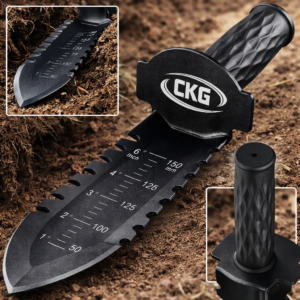
Buy CKG Metal Detecting Shovel – Heavy Duty Gardening
$26.99 Buy product -

Buy RHINO USA Folding Survival Shovel – Best for Gardening
$28.90 Buy product -
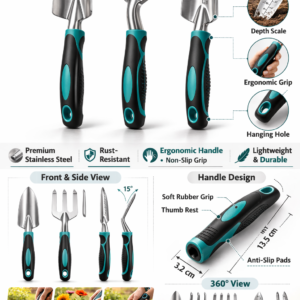
Buy Garden Tool Set – Heavy Duty 3-Piece Gardening Tools
$11.99 Buy product -
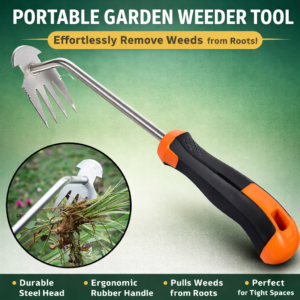
Buy Portable Garden Weeder Tool – Weed Remover Hand Tool
$19.99 Buy product