$11.98
The down to earth granular root zone gives 28 species — 16 mycorrhizal, 2 trichoderma and 10 bacteria for $11.98. The broadest biological blend in the roundup.
Description
Down To Earth Granular Root Zone is the broadest biological blend among mycorrhizal fungi products. In our Best Mycorrhizal Fungi roundup it earned a rating of 8.8/10, because no other product in the group packs so much soil biology into one granular bag: 28 species in all, made up of 16 mycorrhizal species, 2 trichoderma and 10 bacteria.
The down to earth granular root zone formula is a granular endo and ecto inoculant, so it is made for mixed plantings rather than for one kind of plant alone. Nine endo species partner with vegetables, flowers, herbs and fruit trees, while seven ecto species partner with pines, oaks and other ecto trees. The fungi colonise plant roots and build a fine underground network that extends far beyond the roots themselves, helping the plant reach water and nutrients it could not reach alone. In return, the plant feeds the fungi with sugars made in photosynthesis. That exchange is the whole point of mycorrhizal fungi, and this product delivers it in its broadest form.
Key Features
- Broadest biological blend in the roundup: 28 species in one granular product
- 16 mycorrhizal species: nine endo species and seven ecto species
- Two trichoderma and 10 bacteria alongside the mycorrhizal fungi
- Granular form that is easy to place in a planting hole and does not blow away in wind
- Endo and ecto coverage, so it suits vegetables, flowers, herbs, fruit trees, pines and oaks alike
- OMRI Listed for organic growing
- Made for mixed plantings and new garden beds where biological diversity itself is the goal
- One bag for trees, shrubs and mixed beds, instead of a separate product for each planting
- Easy to apply at planting time, when the fungi can make direct contact with roots
- Granules sit where roots will grow, so the fungi meet living roots from the start
Product Description
Root Zone is the broadest biological blend in this roundup. Nine endo species and seven ecto species make up the 16 mycorrhizal species in the bag, and the formula adds 2 trichoderma and 10 bacteria, taking the total to 28 species. That breadth is exactly why it scored 8.8/10 in our roundup. When you buy down to earth granular root zone, you are buying diversity itself: a single granular product that can partner with almost everything you plant, from vegetables and flowers to pines and oaks.
The endo species in the down to earth granular root zone grow inside root cells and form branched structures there, and they partner with most vegetables, fruits, herbs and flowers. The ecto species never enter root cells. They wrap the root tip in a sheath and grow between the cells, and they partner with pines, oaks and other ecto trees. A garden that holds both kinds of plants usually needs two different products, or it leaves one group without a partner. Root Zone covers both in one bag, which is what makes it the natural choice for mixed plantings and new garden beds.
Once applied, the down to earth granular root zone fungi colonise the roots and grow a network of fine hyphae through the soil. Those hyphae are far thinner than roots, so they can explore small soil pores and bring back water and nutrients, especially phosphorus, that roots alone would miss. The plant grows a larger, finer root system in response, and that larger root system supports stronger growth above ground. The fungal network and the organic matter it leaves behind also contribute to soil structure over time.
The limitation is the same as Great White, only more so. The endo count per gram is low, and the formula is heavy on ecto species, which are cheap to produce in huge numbers. For vegetables, which partner only with endo fungi, that means the endo dose is not the most efficient in the roundup. Gardeners who grow vegetables alone will get a stronger endo dose from a focused endo product such as Mykos, with 300 propagules per gram of a single endo species, or DYNOMYCO, with 900 propagules per gram. Root Zone is not that product. It is the product for gardeners who grow trees, shrubs, vegetables and flowers together and want one broad biological blend for the whole garden.
Benefits of Using Down To Earth Granular Root Zone
Promotes Stronger Root Development
Mycorrhizal fungi encourage roots to grow finer and longer, and the down to earth granular root zone formula is designed to start that process at planting, when roots are actively growing into new soil. A larger root system gives the plant a better foundation for everything that follows.
Improves Nutrient Absorption
The fungal network extends the effective reach of the roots, helping the plant absorb phosphorus and other nutrients more efficiently. This is the benefit gardeners notice most with mycorrhizae: plants that feed better, even in soil that is not heavily fertilised.
Helps Plants Handle Dry Spells
Because the hyphal network reaches water in soil pores that roots cannot enter, inoculated plants are better placed to cope with dry periods. The effect is not a substitute for watering, but it gives the plant a wider margin when watering is delayed.
Supports Transplant Establishment
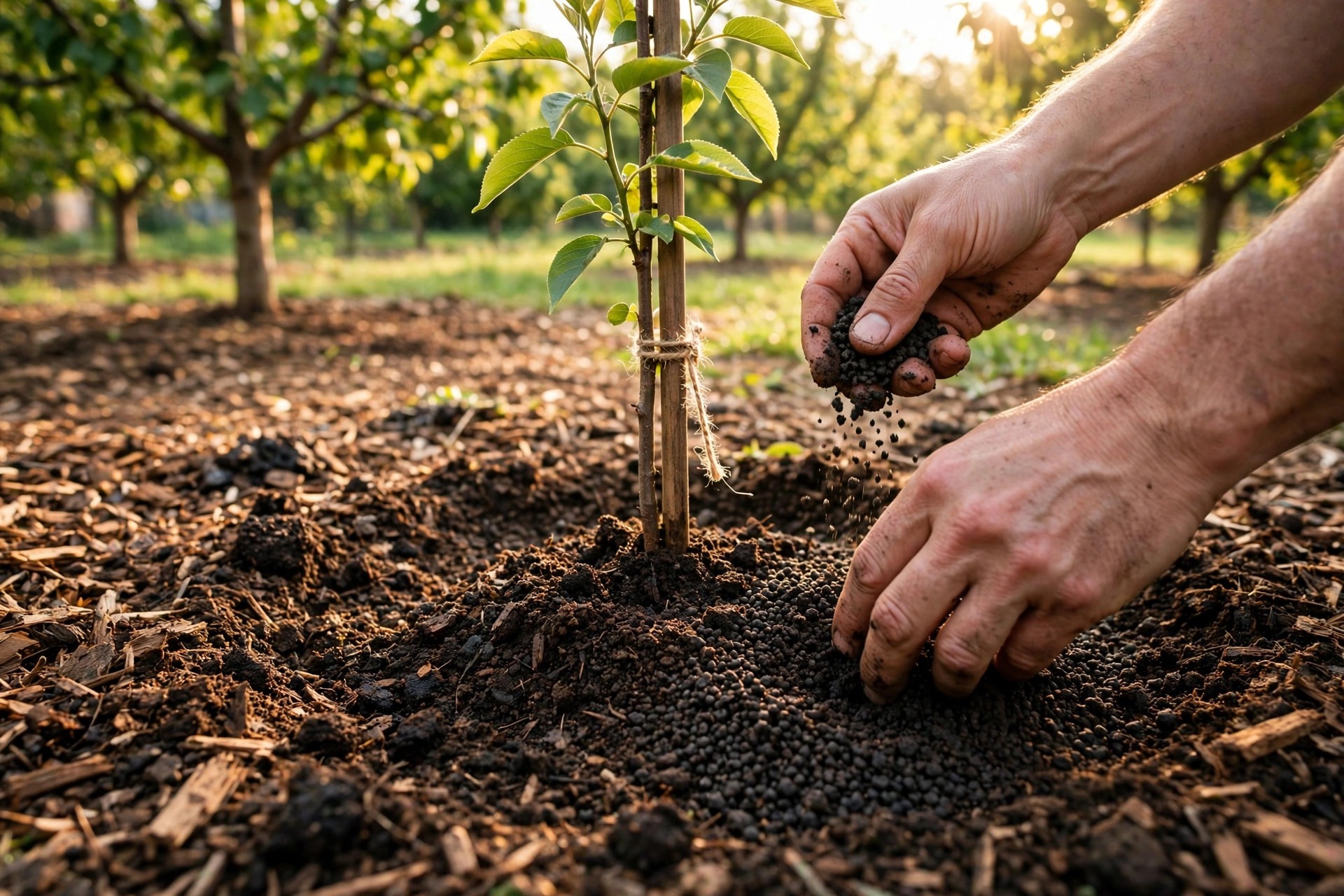
Applied in the planting hole, with the granules in direct contact with the roots, Root Zone helps transplants settle in. That early colonisation is when the fungi do their most useful work, because the roots and the fungi grow out into the new soil together.
Improves Soil Structure Over Time
The fungal network and the organic matter it leaves behind contribute to soil structure. Used season after season, a mycorrhizal inoculant like down to earth granular root zone supports the living biology of the soil rather than simply adding soluble nutrients to it.
Specifications
Product name: Down To Earth Granular Root Zone
Form: Granular
Type: Endo and ecto mycorrhizae
Species: 28 species in total — 16 mycorrhizal (nine endo and seven ecto), 2 trichoderma and 10 bacteria
Endo species: Nine
Ecto species: Seven
Pack sizes: 2 oz, 8 oz, 5 lb, 20 lb
This variant: 2 oz pouch
Price: $11.98
Certifications: OMRI Listed
Rating: 8.8/10 in our Best Mycorrhizal Fungi roundup
Best for: Trees, shrubs and mixed beds
Not the most efficient choice for: Vegetables alone, where the endo dose per gram matters most
How to Use
For transplants, put the inoculant where the roots are, not scattered over the surface. Direct contact between the granules and the roots is what lets the fungi colonise quickly.
- Place the down to earth granular root zone granules directly into the planting hole or container.
- Set the plant in so the roots touch the granules.
- Cover with soil and firm it gently around the plant.
- Water thoroughly so the soil settles around the roots and granules.
- Apply at planting, when roots are growing into new soil.
For established plants, work the granules into the top few centimetres of soil near the roots and water well. The fungi need living roots to colonise, so application is most effective when the plant is actively growing. Granules suit planting holes, pots, trees and transplants, because they sit where roots will grow.
Why Choose Down To Earth Granular Root Zone?
Choose down to earth granular root zone if you want the broadest soil biology in one bag and you grow a mixed garden. Single-species products such as Mykos, with one endo species at 300 propagules per gram, give a stronger endo dose for vegetables, but they do nothing for pines, oaks and other ecto trees. Root Zone covers both sides of the garden at once, with nine endo species, seven ecto species, 2 trichoderma and 10 bacteria, and it is OMRI Listed for organic growing.
It is also the simplest way to start a new bed. A new garden bed has little soil biology of its own, and a broad blend gives every plant in it a fungal partner from the first season. For organic gardeners planting trees, shrubs and mixed beds who want a broad soil biology boost, that is exactly the job Root Zone was made for.
FAQs
Is Down To Earth Granular Root Zone suitable for vegetables?
Yes, for vegetables in a mixed planting. Its nine endo species partner with vegetables, flowers, herbs and fruit trees. The endo count per gram is low, though, so gardeners who grow vegetables alone will get a stronger endo dose from a focused endo product.
Can I use it on pines and oaks?
Yes. Its seven ecto species partner with pines, oaks and other ecto trees, which single endo species products cannot help. That ecto coverage is one of the main reasons to choose this blend.
Is it listed for organic growing?
Yes. Root Zone is OMRI Listed, so it is suitable for organic growing.
How is a granular product different from a powder?
Granules are small, coarse particles that are easy to place in a planting hole and do not blow away in wind. Powders coat roots more evenly and suit seed starting, but they are harder to handle outdoors on a windy day.
When should I apply it?
At planting, when the granules can touch the roots directly. That is when colonisation starts fastest and the fungi grow out with the roots into the new soil.
Final Thoughts
Down To Earth Granular Root Zone earned 8.8/10 in our Best Mycorrhizal Fungi roundup because it does one thing no other product in the group does: it brings 28 species — 16 mycorrhizal, 2 trichoderma and 10 bacteria — to a mixed garden in a single granular bag. The endo dose per gram is low, so it is not the most efficient choice for vegetables alone, but for trees, shrubs and mixed beds, where biological diversity itself is the goal, it is the broadest blend available.
Related products
-
Buy Spectracide Lawn Fertilizer – Boost Lawn Growth
$52.99 Buy product -
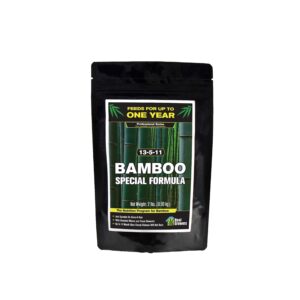
Buy Bamboo Fertilizer – Special 12 Month Control Release 13-5-11 High Nitrogen Fertilizer
$32.95 Buy on Amazon -
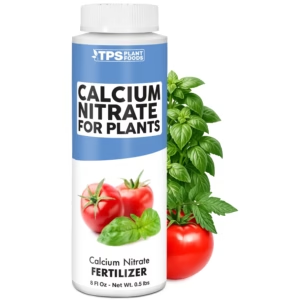
Buy Calcium Nitrate Fertilizer Liquid Supplement – Strong Roots, Healthy Growth, 8 oz
$11.99 Buy on Amazon -
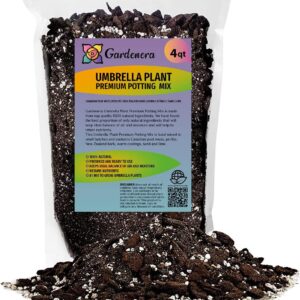
Buy Gardenera Umbrella Plant Premium Potting Mix – Hand Mixed Natural Indoor Plant Soil (4 Quart)
$29.99 Buy on Amazon