$44.99
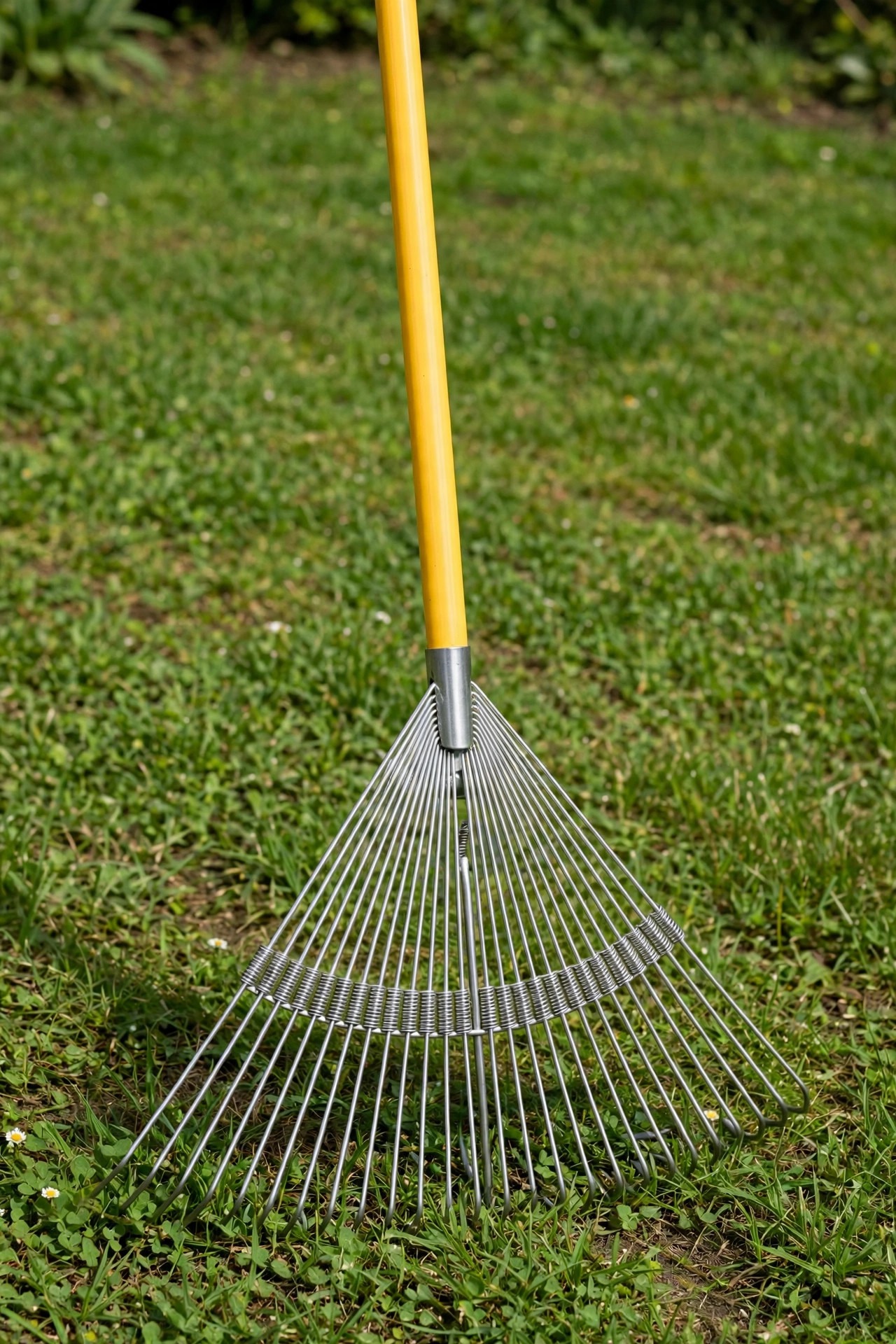
Ultra light dethatching rake with 28 spring loaded tines on individual torsion springs. Rakes upright with no down pressure; self cleaning flip head.
Description
Dethatching earns its reputation the hard way: an hour of pushing down and hauling on a hooked rake is enough to make most people shelve the job for another year. The Groundskeeper II Rake takes that effort out of the work.
Its 28 round steel tines each ride on an individual torsion spring inside a 21 inch copolymer head, angled so the head pulls itself into the mat as you rake standing upright, with no down pressure from you. Flip the head and the gathered thatch releases in one motion. Individual tines are replaceable, so one damaged tine never means replacing the whole rake. At about 2 pounds on a 55 inch fiberglass handle, it suits light to moderate thatch and sandy or loose soils.
Key Features
28 Spring Loaded Tines on Individual Torsion Springs
The 28 round steel tines each work on an individual torsion spring, so a tine that strikes a root or a stone flexes back and recovers instead of bending or dragging turf with it. Set in a 21 inch copolymer head, the tines work independently across uneven ground, so the action feels smooth rather than jarring.
No Down Pressure Needed
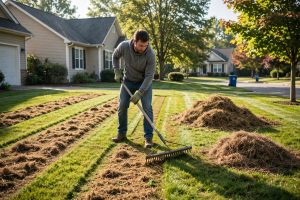
The tines are angled to dig in by themselves. Where a hooked thatch rake makes you push down and haul, this head pulls itself into the mat as you draw it toward you, so you rake standing upright, body weight off the tool. For anyone whose back limits yard work, that single difference can decide whether dethatching happens at all.
Self Cleaning Flip Head
Thatch rakes clog, and stopping to claw matted grass out of the tines breaks the rhythm. The Groundskeeper II Rake clears differently: flip the head over and the material releases in one motion, so a pass ends with a flip rather than a cleaning stop. Over a full lawn, those saved stops add up.
About 2 Pounds, with Replaceable Tines
At roughly 2 pounds on a 55 inch fiberglass handle, the Groundskeeper II Rake is the lightest serious dethatching tool in its class. If a tine is ever damaged, individual tines can be replaced instead of retiring the whole rake, and the tool is made in the USA.
Product Description
The Groundskeeper II Rake looks different because it is different. Instead of the hooked tines of a conventional thatch rake, it carries 28 round, spring loaded steel tines in a 21 inch copolymer head, on a 55 inch fiberglass handle, at a weight of about 2 pounds. Landscapers picked it up early for a simple reason: less fatigue over a long day.
Based on the manufacturer’s specifications and owner feedback, its home ground is light to moderate thatch, and sandy or loose soils where a hooked rake tears turf instead of combing it. Owners do note two honest limits: on a thick, felted mat it takes more passes than a hooked rake, and the spring action takes a few minutes to get used to. Neither changes what the tool is: the lightest way to do real dethatching work.
Benefits of Using This Product
The headline benefit is effort saved. Dethatching only helps a lawn if it actually gets done, and a 2 pound tool that rakes upright, needs no downward force and clears itself with a flip is one most people will finish the job with. Less fatigue also means better technique in the last strip than the first, which is where tired raking usually scalps turf.
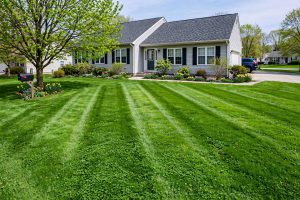
For the lawn, the gentle spring action is its own benefit. On sandy or loose soils and light to moderate mats, the Groundskeeper II Rake lifts dead material while leaving healthy grass rooted, so the lawn recovers faster and overseed goes down on a clean, opened surface.
Specifications
| Type | Spring tine dethatching rake |
| Tines | 28 round spring loaded steel tines, individual torsion springs |
| Head | 21 inch copolymer |
| Handle | 55 inch fiberglass |
| Weight | About 2 pounds |
| Origin | Made in the USA |
| Best for | Light to moderate thatch, sandy or loose soils |
How to Use
- Check the thatch first with a trowel or a cut wedge. This rake is built for layers up to about half an inch; a thicker felt needs a hooked rake or a rented power rake.
- Mow slightly low and clear loose debris, and work when the soil is moist rather than wet or bone dry.
- Rake standing upright in short, steady strokes toward you. Let the angled tines pull themselves in; pressing down defeats the design and tires you for nothing.
- When the tines load up, flip the head to clear them and keep moving. Cross the worst areas with a second, angled pass rather than raking harder.
- Remove all the lifted debris, water the lawn well, and overseed straight after if you are renovating, while the surface is open.
Why Choose the Groundskeeper II?
Because weight and posture decide whether dethatching gets done by hand. At about 2 pounds, the Groundskeeper II Rake is the lightest serious tool in this category, the spring tines remove the pushing and hauling, and the upright stance keeps your back out of the job. Add replaceable tines and US manufacture, and the specifications and owner feedback point the same way: this is the rake for people who have avoided the job because of what it did to them last time.
Frequently Asked Questions
Can it handle a thick, heavy thatch mat?
It can work through one slowly, but it is not the fastest tool for the job. Owner feedback is consistent: on felt over half an inch, a hooked thatch rake bites and clears in fewer passes. The Groundskeeper II is at its best on light to moderate layers, where its gentle action is an advantage rather than a limit.
Does the spring action take practice?
A little. Owners say the feel is unfamiliar for the first few minutes, because the tines give and recover instead of dragging rigidly. Once you settle into short, upright strokes and stop pressing down, it becomes the easiest raking motion of any tool here.
What happens if a tine bends or breaks?
Individual tines are replaceable, so one damaged tine does not end the tool’s life. That is a real ownership advantage over fixed heads, where one bent tine often means a new rake. The spring mounting also makes damage less likely, since tines flex around obstructions.
Is it suitable for sandy soil?
Yes, sandy and loose soils are where it shines. A hooked rake tends to tear turf out of loose ground; the spring tines comb through it and lift the dead material while leaving rooted grass in place. If your soil is loose and your thatch is light to moderate, the Groundskeeper II Rake is the natural pick.
Final Verdict
Judged on its specifications and owner feedback, the Groundskeeper II is the lightest dethatching rake that still does real work: spring tines that need no down pressure, a self cleaning flip head, and replaceable tines on a 55 inch handle. Best for: light to moderate thatch on sandy or loose soils, and anyone who dreads raking bent over. Skip if: your mat is a thick felt over half an inch, where a hooked rake clears it in fewer passes.
Want to compare it with the other dethatching rakes before you buy? Read our full guide: 10 Best Dethatching Rakes for a Thicker, Greener Lawn
Related products
-
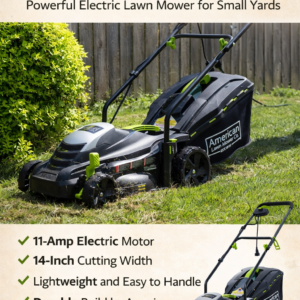
Buy American Lawn Mower – Best Corded Lawn Mower
$159.99 Buy product -

Buy Garden Thatch Rake – 15” Heavy Duty Lawn Dethatcher
$24.99 Buy product -
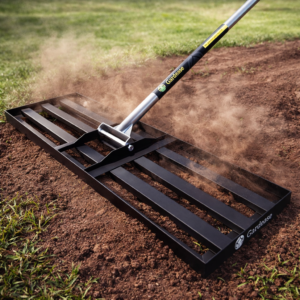
Buy Gardease Lawn Leveling Rake – Best Lawn Leveler for Yard
$59.95 Buy product -
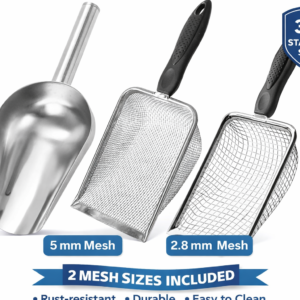
Buy 3 Pcs Soil Sifter Set with Shovel – Stainless Steel Garden Sieve
$16.99 Buy product