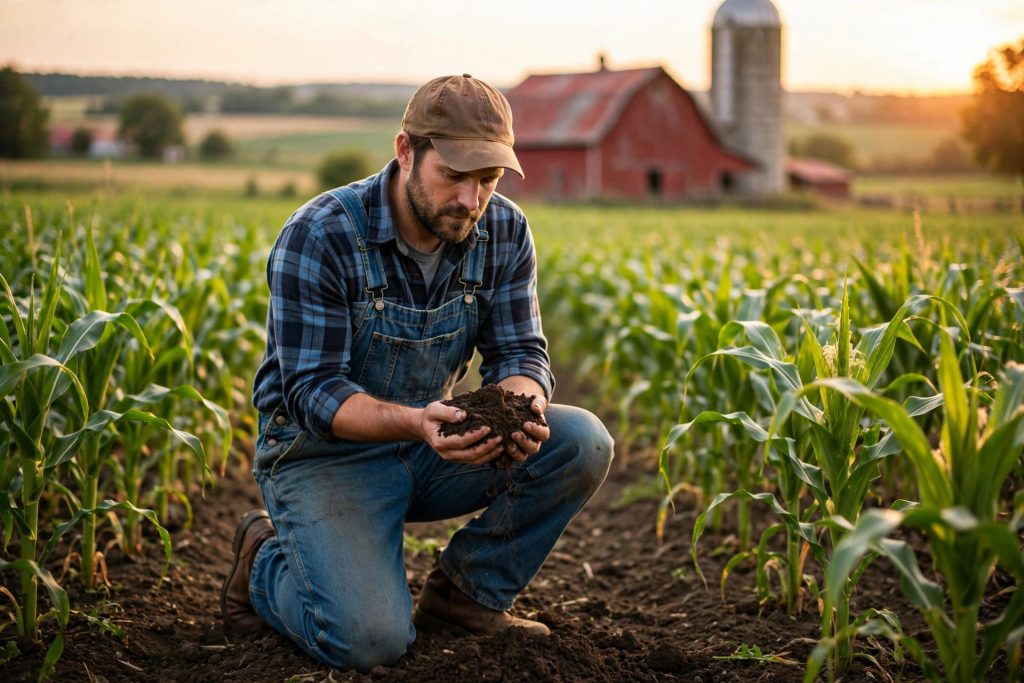

Every experienced grower carries a small set of farming secrets that never appear on a seed bag or a fertilizer label. They are not tricks. They are habits, learned slowly, usually after a few expensive mistakes.
A farmer does not always need a complicated machine or expensive technology to understand a field. Sometimes, the first clue appears in a simple way. The soil dries faster than usual after rainfall. A small patch of plants grows slower than the rest of the field. Leaves begin changing color even though the fertilizer schedule has remained the same.
These small changes are easy to ignore. But growers who spend years working with crops learn that the land is always communicating something. The difference between an average growing season and a successful one often comes down to how quickly those signals are noticed.
Farming in the United States has changed dramatically over the last few decades. Growers today deal with challenges that previous generations did not face at the same level. Weather patterns are less predictable, production costs keep rising, and maintaining healthy soil has become harder in many regions, from the Corn Belt to the dry Southwest.
Yet one thing has remained constant. Good farmers pay attention. They do not only look at the crop. They look at the entire system around the crop , the soil, the weather, the water, the insects, and the decisions they made in previous seasons.
Modern research has given growers better tools, but experience still matters. A soil report can provide numbers. A farmer’s observation explains what those numbers mean in a real field. The farming secrets below come from practices that experienced growers across the country use to build stronger, more reliable farming operations.
The 10 Farming Secrets at a Glance
Short on time? Here is the whole guide on one screen. Ten farming secrets, what each one really means, and what it pays you back.
| # | The Farming Secrets | What It Means in Practice | The Payoff |
|---|---|---|---|
| 1 | Start with the soil | Test it, feed it, protect it | Every other input works better |
| 2 | Let the field choose the seed | Match variety to your soil, rainfall, and market | Fewer failed acres, lower input waste |
| 3 | Water by need, not by habit | Irrigate on timing and crop stage | Lower water bills, stronger roots |
| 4 | Collect information first | Records, scouting, and simple data before decisions | Problems caught while they are still cheap |
| 5 | Understand pests before spraying | IPM: monitor, identify, treat only when needed | Less pesticide, more beneficial insects |
| 6 | Prevent more than you cure | Healthy plants through balanced decisions | Fewer emergencies, steadier yields |
| 7 | Keep learning every season | Field days, extension meetings, small trials | Methods that keep up with a changing climate |
| 8 | Protect your resources | Guard soil, water, and biodiversity | A farm that stays productive for decades |
| 9 | Keep good records | Write down dates, rates, weather, and results | Experience turns into knowledge |
| 10 | Build season after season | Small correct choices, repeated | Compounding improvement, year after year |
How to use this guide: Do not try to apply all ten farming secrets in one season. Pick the two your farm needs most, apply them well, and add the rest one season at a time. That is, quietly, how every good grower on this list started.
1. The Crop You See Above Ground Starts With the Soil You Cannot See
One of the easiest mistakes in farming is focusing only on what is visible. When a crop looks unhealthy, attention naturally goes toward the plant itself. Farmers check the leaves, search for insects, or consider applying additional fertilizer.
But sometimes the answer is not on the plant. It is underneath it. A farmer may change seed varieties several times and still face the same problem. They may increase fertilizer use and notice only a small improvement. Eventually, they discover that the field itself has changed. The soil has lost some of its ability to support healthy growth.
If there is a first among farming secrets, this is it: fix the soil, and half your crop problems fix themselves.
Soil Is a Living Environment
Healthy soil is much more than a place where roots grow. Inside productive soil, millions of tiny organisms are constantly working. They break down organic material, recycle nutrients, and create the conditions where plants develop stronger root systems. A single teaspoon of healthy soil can hold more microorganisms than there are people on Earth.
When soil loses organic matter or becomes damaged, plants grow less efficient at using the resources around them. The problem is not always a lack of fertilizer. Sometimes the soil simply cannot hold and deliver nutrients properly. This is why two farmers can apply the same amount of fertilizer to similar crops and still get different results. The condition of their soil is different.
Our guide to garden soil health walks through the basics of building soil that holds water and nutrients the way a good field should.
Stop Guessing, Start Measuring
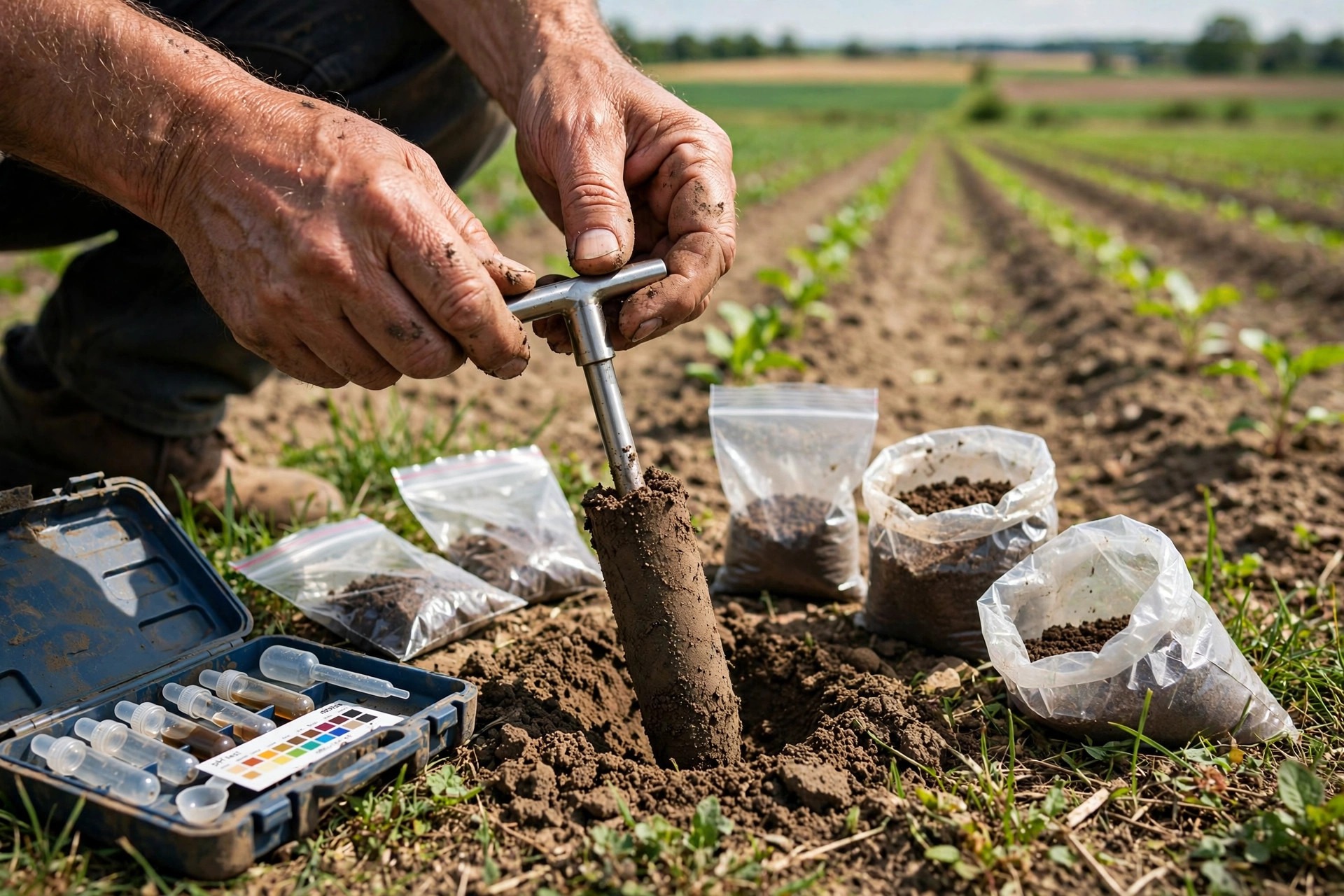
Many farmers develop strong instincts after years of experience, and that knowledge is valuable. But even experienced growers benefit from information collected through soil testing.
A soil test can reveal things that are difficult to identify just by looking at a field:
- Whether the soil pH is suitable for your crop
- Which nutrients are available in good supply
- Which nutrients may be limiting growth
- How much organic matter the soil contains
Without testing, fertilizer decisions become a guessing game. A farmer may spend serious money fixing a problem that needs a completely different solution. In most US states, a basic soil test through your county Extension office or land grant university lab costs roughly the price of a bag of fertilizer and it can save you several bags. The University of Minnesota Extension soil testing guide shows what a standard report includes and how to collect a proper sample.
Expert Insight: The USDA Natural Resources Conservation Service (NRCS) sums up soil health in a few working principles: keep the soil covered, disturb it as little as possible, keep living roots in the ground as long as you can, and diversify what grows there. Simple ideas. Enormous long term effect.
Healthy Soil Is Built Slowly
There is no single product that transforms poor soil overnight. The best results come from repeated small actions. A farmer adding compost after harvest may not notice a dramatic difference immediately. A grower reducing unnecessary tillage may not see major changes after one season. But over time, these practices change how the soil behaves.
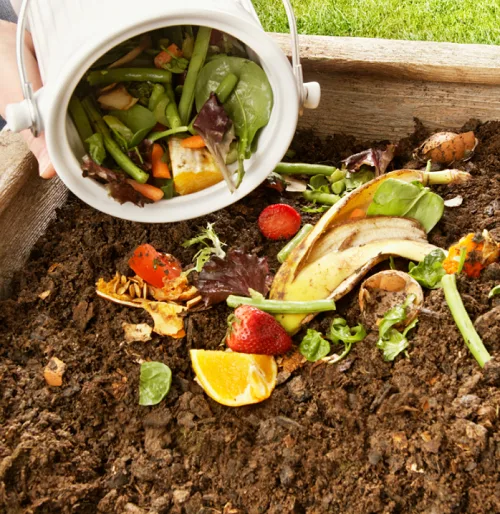
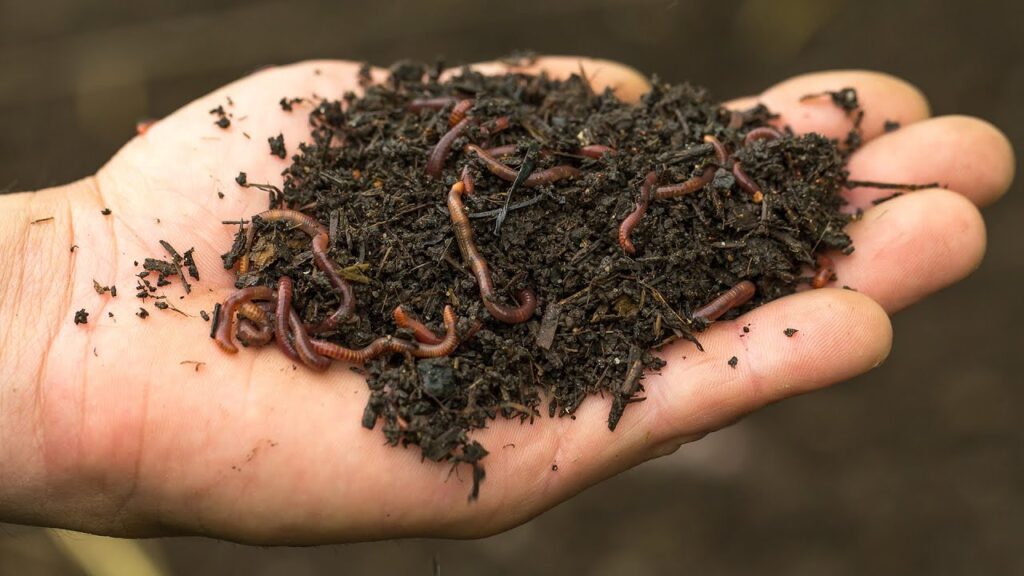
Some growers focus on returning organic material to the field our guide to compost fertilizer explains how to turn farm and kitchen waste into that material. Others use cover crops to protect soil during months when the land would otherwise sit exposed. Growers who want to go deeper into soil biology often start with vermiculture, letting worms do part of the work.
The goal is simple: keep the soil active, protected, and capable of supporting future crops. A productive field is not created in one season. It is developed through years of careful management.
2. Choosing Seeds Is a Bigger Decision Than Many Farmers Realize
A seed bag can look promising. The label may mention higher yield, better resistance, or improved performance. But experienced growers know something important: a good seed is not automatically the right seed.
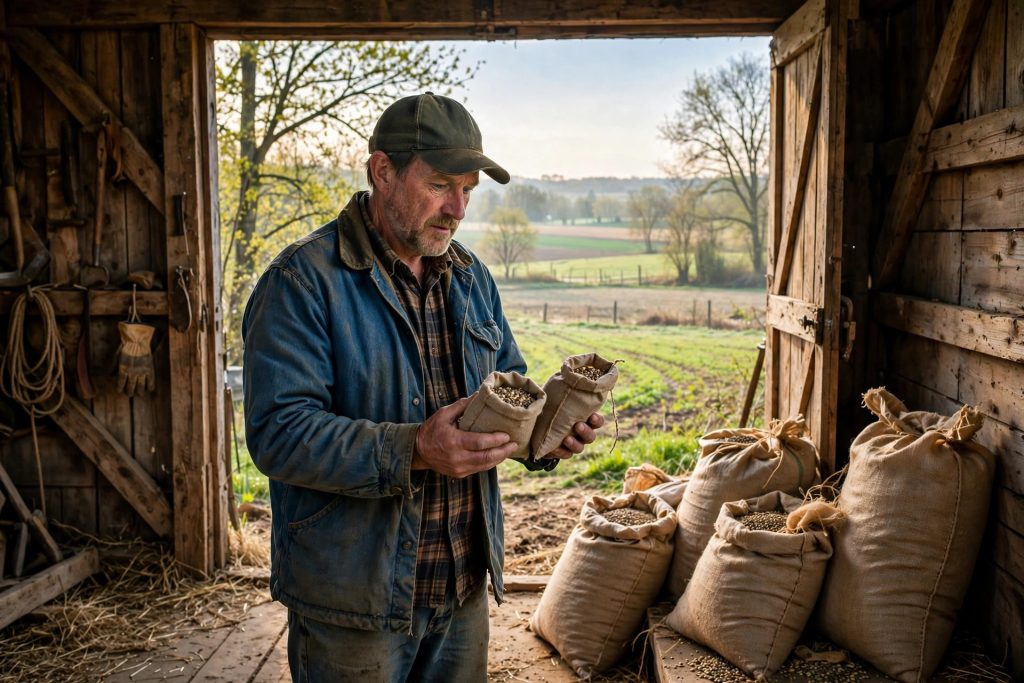
Every farm has different conditions. A variety that performs well in Iowa may struggle in Georgia, because the environment is different. Rainfall patterns, temperature, soil type, and disease pressure all influence crop performance. A farmer growing in a dry region may need a variety that handles water stress. Another farmer in a humid area may care more about disease resistance. The best choice depends on the field.
Yield Is Not the Only Thing That Matters
Many growers naturally look for the highest possible production. That makes sense. But farming is not only about producing more. It is also about producing efficiently. A variety that yields slightly less but needs fewer inputs can sometimes deliver better results financially.
Before planting, experienced farmers often consider:
- What happened with this crop in previous seasons?
- Did similar varieties handle local weather conditions well?
- Will buyers actually want this product at harvest?
- Can this crop perform with the resources I actually have?
These questions are not printed on a seed package, but they often determine the final outcome. Land-grant universities and extension programs across the US run independent variety trials every year for exactly this reason , unbiased, local data beats advertising. It is one of the oldest farming secrets in American agriculture: local proof beats national advertising. The farmers who consistently improve their results usually understand one thing: the field should decide the seed choice, not the advertisement.
3. Water Management Is About Timing, Not Just Quantity
Many farmers know water is essential for crops. But experienced growers learn another lesson over time: giving a plant more water does not always mean giving it better care. A field can suffer from too little water, but it can also suffer from too much.
When crops do not receive enough moisture, plants become stressed. Growth slows, leaves lose their strength, and final production declines. Excess water creates the opposite problem. Roots need oxygen as much as they need moisture. When soil stays saturated for too long, roots weaken and diseases spread more easily.
The challenge is not simply adding water. The challenge is knowing when the crop actually needs it.
Every Crop Has Its Own Water Story
A young plant does not require the same amount of water as a mature crop. Weather changes the requirement too. A field that needs irrigation during a hot, dry week may need nothing after several days of rainfall.
Good growers observe several things before making irrigation decisions:
- Soil moisture a few inches below the surface
- The crop’s current growth stage
- Recent rainfall and the short-term forecast
- Temperature and wind
- How deep the roots have developed
This kind of observation prevents unnecessary watering and helps crops use water far more efficiently. It is one of those farming secrets that sounds obvious, until you watch a neighbor irrigate the day before a storm.
Better Irrigation Does Not Always Mean Expensive Technology
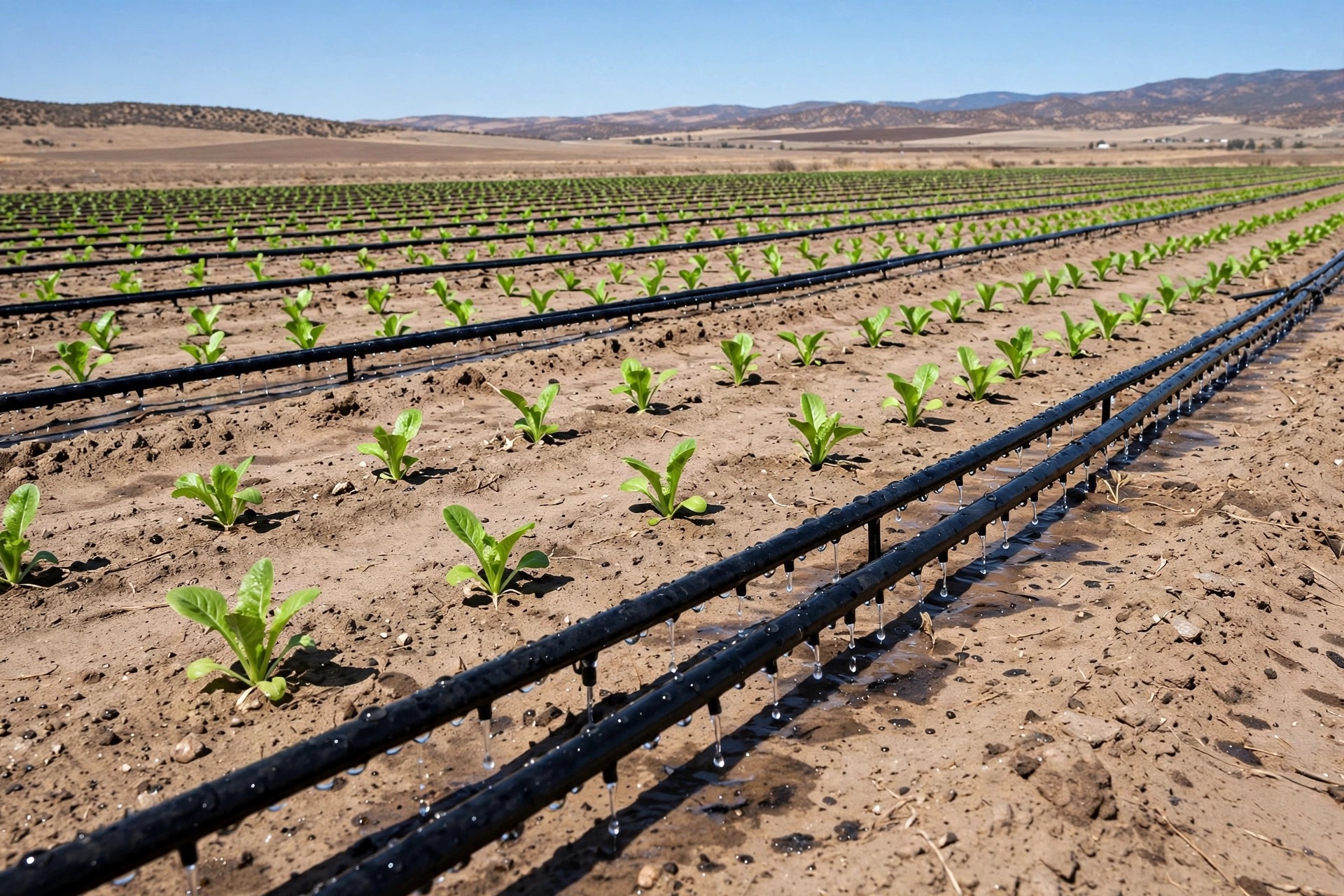
Modern irrigation systems can help farmers save water, but good management begins with understanding the field. Some growers use drip irrigation because it delivers water close to the root zone and reduces evaporation a practice that has transformed vegetable production in dry states like Arizona and California. Others use simple moisture checks, a probe or even a handful of soil, before deciding when to irrigate.
The technology may differ, but the principle stays the same: do not water according to habit. Water according to need.
The International Water Management Institute has repeatedly highlighted efficient water management as a key factor in agricultural productivity, especially in regions facing growing pressure on water resources and few places feel that pressure more than the American West.
4. The Best Farmers Collect Information Before Making Decisions
Farming has always depended on knowledge. Older generations collected information by observing nature. They remembered rainfall patterns, noticed changes in plant behavior, and learned from previous harvests.
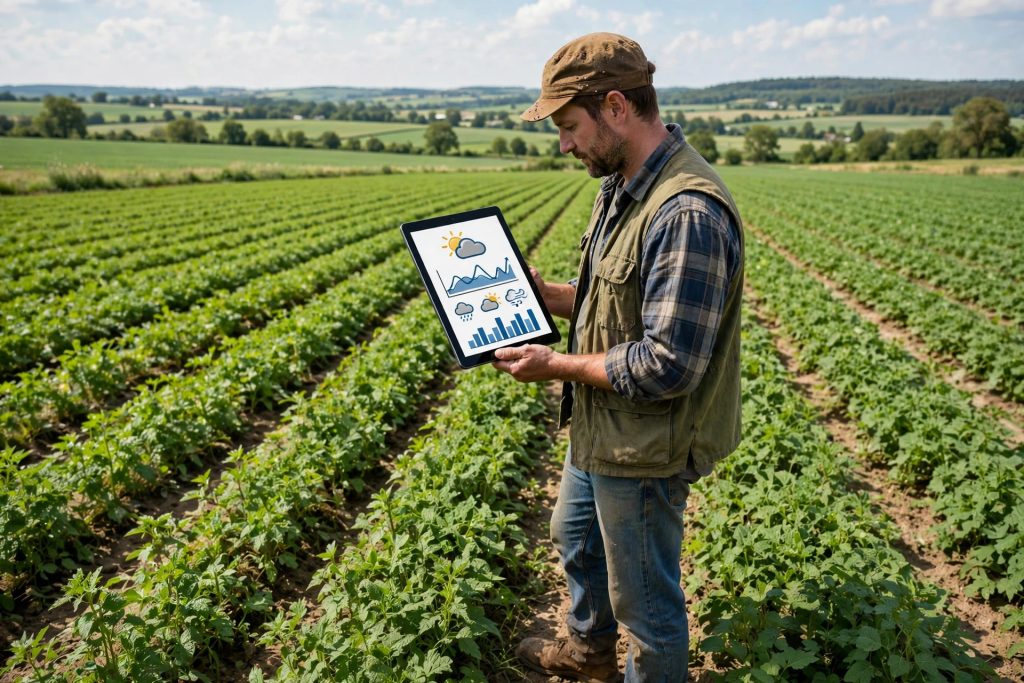
Today, farmers have more sources of information available. Weather apps, soil reports, satellite images, crop sensors, and farm management software are changing how decisions get made on American farms of every size. But the purpose of technology is not to replace farming experience. It is to support better choices.
Data Helps Answer Questions That Experience Alone Cannot
Imagine a farmer notices that one section of a field produces weaker crops every year. Without information, the farmer may keep treating the entire field in exactly the same way. With data, a different picture appears. The weaker area may have different soil conditions, poor drainage, lower nutrient availability, or greater pest pressure.
Instead of treating every part of the farm equally, growers can respond to the actual condition of each area. This approach is often called precision agriculture and at its heart, it is another of the quiet farming secrets: treat the field you have, not the field you imagine.
Small Farms Can Benefit Too
Data-driven farming is often associated with large commercial operations, but the basic idea works on farms of all sizes. A notebook recording planting dates, rainfall, fertilizer applications, and harvest results already provides valuable information. A free weather app and a $20 soil probe will take a small grower further than most people expect.
Many successful growers keep records because memory alone is not reliable. A decision made today affects next season. Records help a farmer understand what worked, what failed, and what deserves a second chance.
5. Pest Control Works Better When Farmers Understand the Problem First
When insects appear in a field, the first reaction is often immediate: “How do I remove them?” That question is understandable. A serious pest problem can destroy weeks or months of work in days.
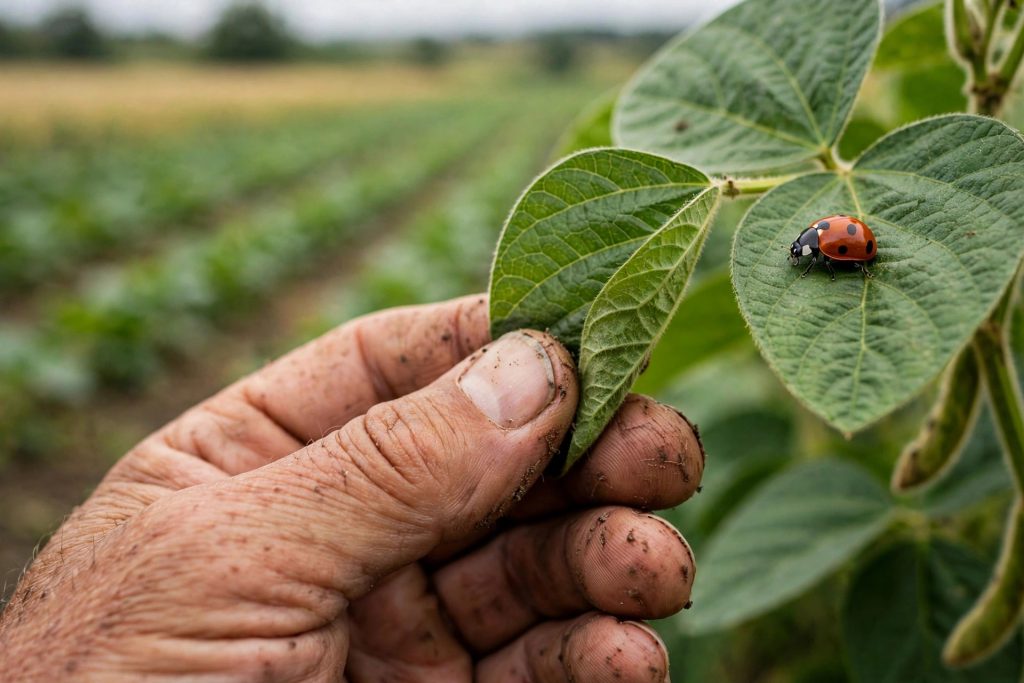
However, experienced growers know that not every insect is a threat. A healthy field contains many different organisms. Some damage crops, while others , lady beetles, lacewings, parasitic wasps, ground beetles spend their lives controlling the harmful ones for free. This is where Integrated Pest Management, or IPM, becomes important.
The Goal Is Balance, Not Total Elimination
Integrated Pest Management focuses on prevention, monitoring, and careful treatment. Instead of spraying immediately, farmers first try to understand:
- What pest is actually present?
- How serious is the damage, really?
- Are natural predators already controlling the problem?
- Has the pest reached the level where treatment pays?
This approach reduces unnecessary pesticide use and protects the beneficial organisms that keep future outbreaks smaller. The same thinking protects pollinators, our guide to pollinator gardens shows how to keep bees and other helpers working for your crops instead of becoming collateral damage. The U.S. EPA’s introduction to IPM lays out the same four steps, identify, monitor, prevent, control that extension services teach across the country.
Regular Observation Saves Crops
Many serious pest problems begin with small signs. A few damaged leaves. A small cluster of insects on the underside of a leaf. A subtle change in plant growth. Farmers who regularly walk their fields spot problems earlier than those who only inspect crops when damage becomes obvious and early action almost always costs less than emergency treatment.
Tip: Scout at the same time each week, and walk a different pattern through the field each time. Ten minutes of walking has saved more harvests than any product on a shelf.
The United States Department of Agriculture and extension programs nationwide recommend IPM because it supports both crop protection and environmental responsibility. It is pest control for growers who plan to farm the same land for a long time and one of the farming secrets that separate long-term growers from short-term ones.
6. Healthy Plants Start With Healthy Farming Decisions
Many farmers focus on solving problems after they appear. But prevention is usually more effective. A strong plant is naturally better prepared to handle stress, whether that stress is drought, disease, or a wave of insects.
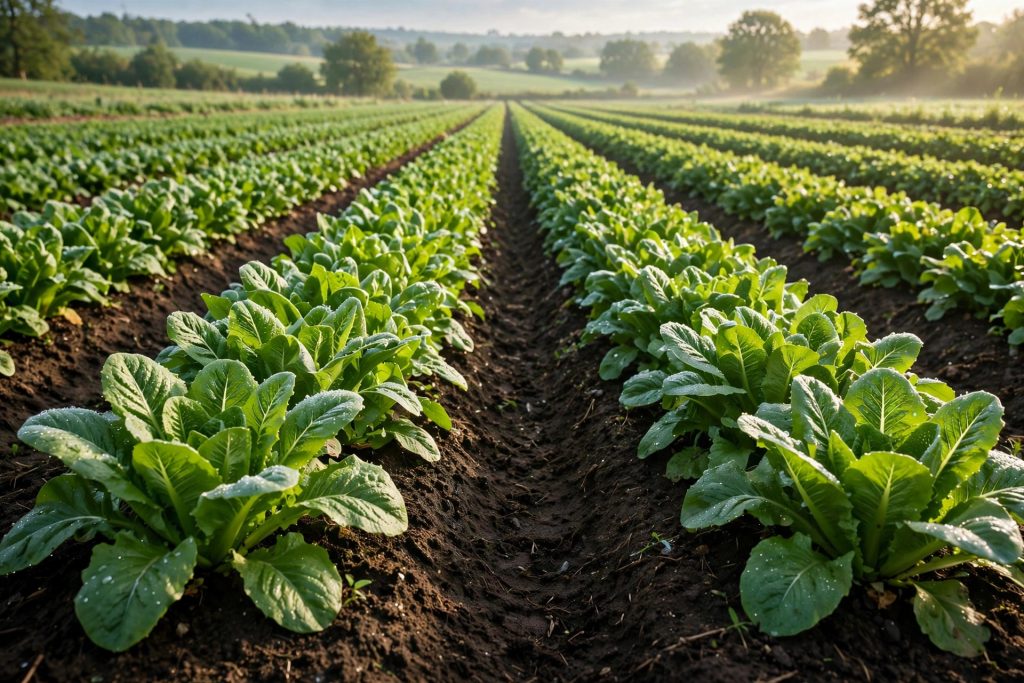
Healthy crops usually come from several connected decisions: good soil management, suitable varieties, balanced nutrition, proper water management, and regular monitoring. No single practice creates a successful harvest. Farming works as a system which is why the most valuable farming secrets are rarely products. They are decisions.
Avoid the Trap of Doing More Instead of Doing Better
When production decreases, the natural reaction is to add more. More fertilizer. More chemicals. More irrigation. But more does not always mean better.
Sometimes the solution is improving timing, accuracy, or management. A farmer who understands the actual cause of a problem can often solve it with fewer resources. Nutrition is the classic example: a balanced fertilizer program matched to a soil test will outperform double rates of the wrong product every single season — and if you are unsure whether granular or liquid feeding fits your operation, our comparison of liquid vs granular fertilizers breaks down the trade-offs.
7. Keep Learning Because Agriculture Never Stays the Same
One of the strongest qualities among successful growers is curiosity. They keep learning. They attend field days and local farming meetings. They talk with other growers , including the ones whose farms they quietly admire. They test new methods on a small area before applying them across the whole farm.
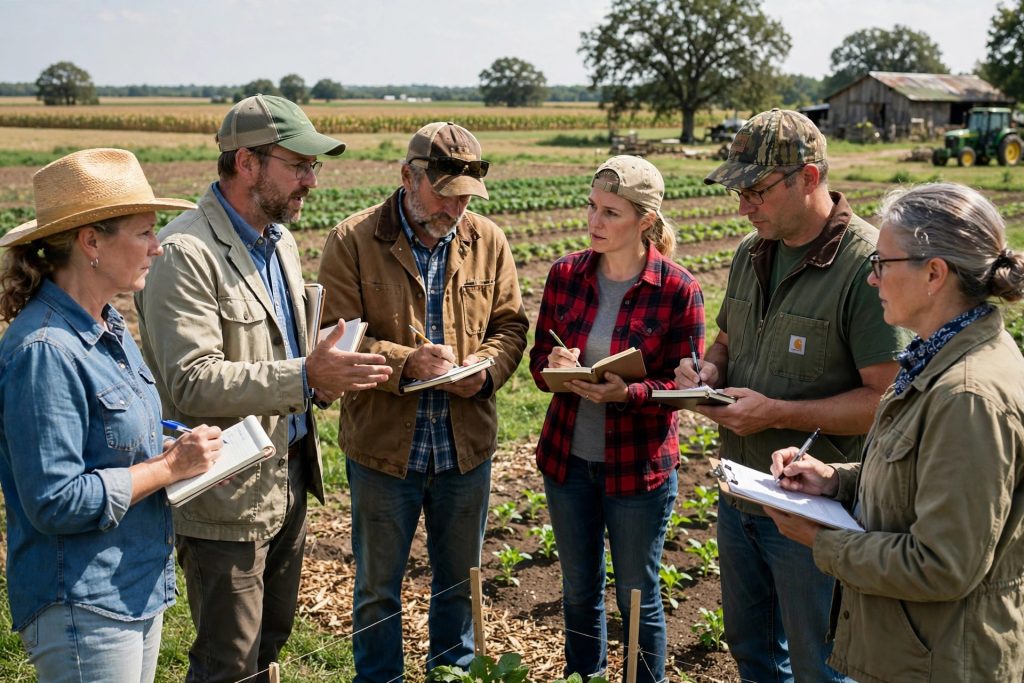
Agriculture changes constantly. New crop varieties appear. Weather patterns shift. New pests and diseases arrive — sometimes from the next county, sometimes from the other side of the world. Consumer preferences change too. A farming method that worked twenty years ago may need serious adjustment today.
Experience Is Valuable, But Learning Makes Experience Stronger
Traditional knowledge and scientific research should not compete. They work better together. A farmer’s experience explains what is happening in the field. Research helps explain why it is happening. Together, they create better decisions. Put simply, this farming secret is: never let a season pass without learning something on purpose.
Every state in the US has a Cooperative Extension system built for exactly this — free or cheap local expertise, variety trial results, and soil testing through your land-grant university. The growers who use it treat it as what it is: an unfair advantage that most people never bother to claim.
8. Protect the Resources That Make Farming Possible
A farm is not only a business. It is also a relationship with natural resources. Soil, water, biodiversity, and local climate conditions all influence future production — and all of them can be worn down faster than they can be rebuilt.
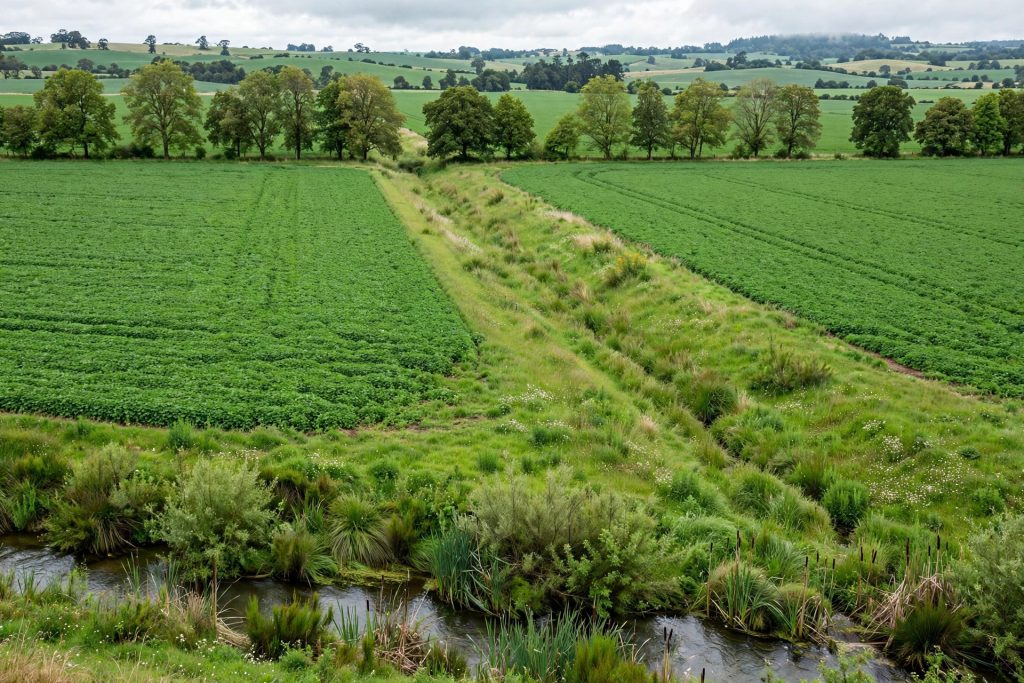
Farmers who protect these resources are not only helping the environment. They are protecting their own ability to keep farming. That long view sits behind many of the farming secrets in this guide.
Sustainability Is About Long-Term Thinking
Sustainable farming does not mean ignoring productivity. It means finding ways to produce well while maintaining the health of the land. Practices such as reducing erosion, improving soil organic matter, managing water carefully, and supporting biodiversity can help farms remain productive for future generations.
Much of this overlaps with the principles behind organic farming whether or not a farm ever seeks certification, the underlying habits of feeding the soil and working with natural systems pay for themselves over time.
9. Good Records Create Better Farms
Many farming decisions are based on memory. But after several seasons, details become difficult to remember. How much fertilizer was applied to the back field? Which variety performed best in the dry year? When exactly did the pest problem begin?
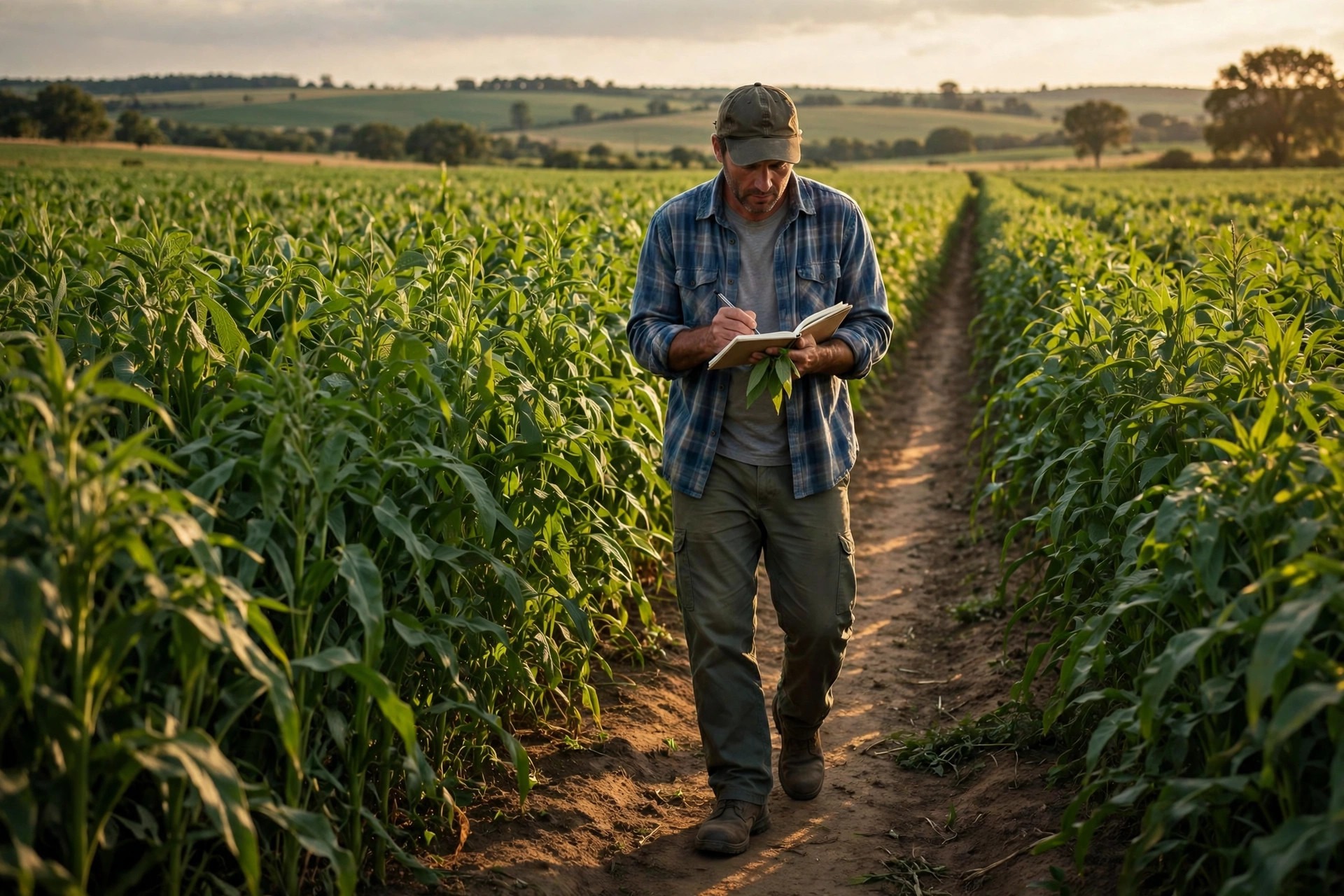
Simple records answer these questions. They do not need to be sophisticated. A notebook in the truck, a spreadsheet on a phone, a wall calendar in the barn — the format matters far less than the habit.
Farming Records Turn Experience Into Knowledge
A farmer who records yearly results slowly builds a personal database. Over time, patterns become clearer. Some fields perform better with certain crops. Some planting dates consistently produce better results. Some inputs provide little benefit compared with their cost and quietly disappear from next year’s budget.
Good records transform experience into something measurable. Of all the farming secrets on this list, this is the cheapest to start and the one growers most often wish they had begun ten years earlier.
10. Successful Farming Is Built Season After Season
There is no single secret that guarantees a perfect harvest. Weather will change. Markets will change. Challenges will appear , usually at the busiest possible moment.
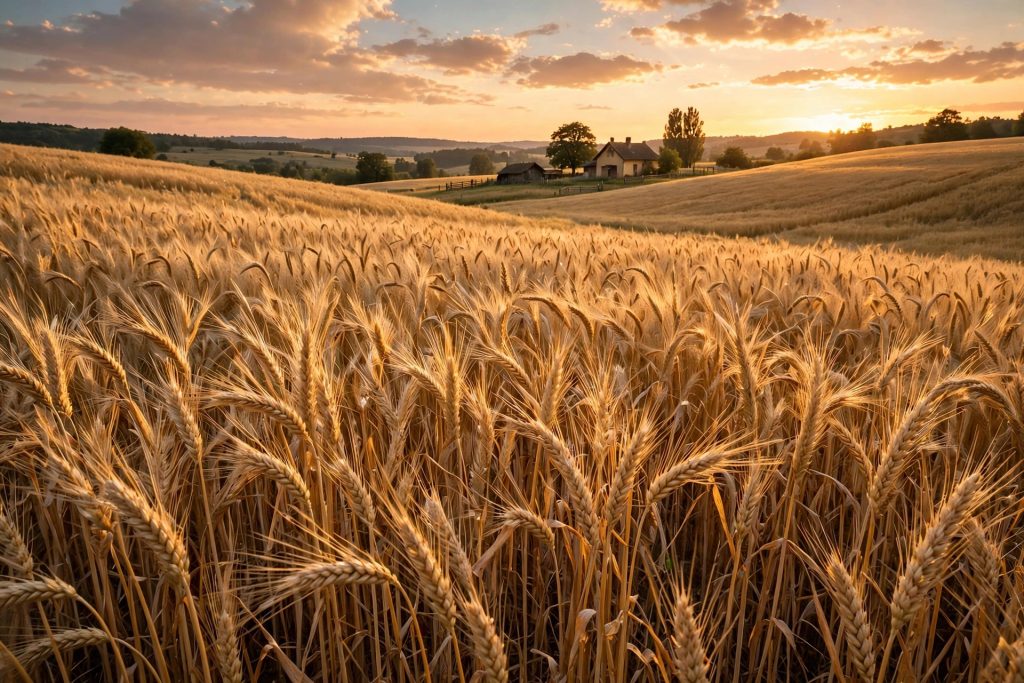
The farmers who keep improving are usually those who keep adapting. They observe carefully. They learn from mistakes instead of repeating them. They protect their soil like the asset it is. They make decisions based on information rather than assumptions.
If you take nothing else from these farming secrets, take this: farming success is rarely created by one major action. It is created through many small choices made correctly over time. A productive farm is not built in one season. It is built season after season.
Still have questions about putting these farming secrets to work on your own farm? These are the ones growers ask most often.
Frequently Asked Questions
What is the most important farming secret of all?
If a grower could keep only one, it should be the first: healthy soil. Soil health quietly influences water use, nutrient efficiency, pest pressure, and yield stability all at once. Test your soil, feed it organic matter, and protect it with cover — most other farming secrets work better on living soil.
Do these farming secrets work on a small farm or homestead?
Yes — most of them work even better at small scale. Soil testing, careful seed choice, IPM scouting, and record-keeping cost little and need no special equipment. A two-acre grower who scouts weekly and keeps records will usually outperform a larger operation running on habit.
How often should I test my soil?
Every two to three years for established fields, and every year while you are actively correcting a pH or nutrient problem. Test at the same time of year each time — fall is popular across the US because results arrive before spring fertilizer decisions. Your county Extension office can supply sample bags and submission forms.
What is the cheapest farming secret to start with?
Record-keeping. It costs a notebook. Write down planting dates, varieties, fertilizer rates, rainfall, pest sightings, and yields. Within two seasons those notes will start making decisions for you — and they make every other farming secret on this list easier to apply.
Can technology replace farming experience?
No — and it is not meant to. Sensors, satellite images, and farm software are excellent at collecting information, but a grower still has to interpret what that information means in a specific field. The strongest operations combine both: data to see clearly, experience to decide wisely.
How long before these farming secrets show results?
Some pay back within weeks — better irrigation timing and early pest scouting show up in the same season. Soil building is slower: expect visible improvement in two to three seasons, with the biggest gains compounding after that. Farming rewards patience more reliably than any other input.
Final Thoughts
None of these farming secrets requires a bigger tractor or a bigger loan. They ask for something cheaper and rarer: attention. Watch the soil. Question the label. Write things down. Learn what your own land is trying to tell you, one season at a time.
Start with the two secrets your farm needs most this year. Apply them properly. Then come back for the rest. That is how experienced growers actually got experienced — and it works on a quarter-acre garden just as well as on a thousand-acre operation.
Have a farming lesson you learned the hard way? Share it in the comments — and subscribe to the AgriBloom newsletter for practical, field-tested growing guides and more farming secrets, timed to the season you are in.
References
- USDA — Soil Health: principles for managing soil as a living ecosystem.
- USDA Natural Resources Conservation Service (NRCS) — Soil Health Principles (PDF): keep soil covered, minimize disturbance, maximize living roots and biodiversity.
- University of Minnesota Extension — Soil Testing for Lawns and Gardens: how to sample, submit, and read a soil test report.
- U.S. Environmental Protection Agency (EPA) — Introduction to Integrated Pest Management: the identify–monitor–prevent–control framework behind IPM.
- University of California Statewide IPM Program — UC IPM: research-based pest identification and management guidance.
- Food and Agriculture Organization of the United Nations (FAO) — Sustainable agriculture and soil management resources.
- International Maize and Wheat Improvement Center (CIMMYT) — Crop improvement and sustainable farming systems research.
- International Water Management Institute (IWMI) — Agricultural water management and irrigation efficiency research.
Note: Product names, programs, and costs mentioned are examples for US growers and can vary by state. Your local Cooperative Extension office is the best source for recommendations specific to your county and soil type.

Thesis Link : https://saulibrary.edu.bd/daatj/public/uploads/BAU200601_19-Pp_5.pdf
- 10 Farming Secrets Every Grower Should Know - October 4, 2026
- Best Weed Killer for Lawns – 10 Picks That Won’t Kill Grass - October 3, 2026
- Best Lawn Fertilizer – 10 Expert Picks That Actually Work - October 2, 2026