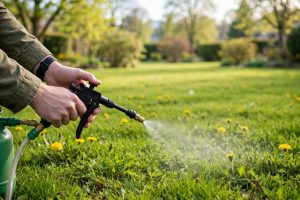
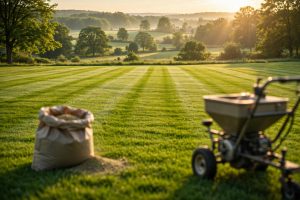
If water pools on your lawn after rain, if the grass stays thin no matter how much you feed it, and if a screwdriver pushed into the soil meets real resistance, compaction is usually the culprit. Feet, mowers, pets and rain itself press soil particles together until air and water can barely move through it. Roots give up and stay shallow. The fix is not more fertilizer. It is holes.
The best manual lawn aerator for most small and medium yards is a simple coring tool: two or more hollow tines you drive in with your foot, pulling out finger-sized plugs of soil so the ground can breathe again. No engine, no rental queue, no fuel. Just you, a sturdy tool, and a damp morning. Below are the ten manual aerators we would actually buy in 2026, from heavy-duty coring tools to rolling spike models and aerator shoes, plus an honest guide to choosing between them and using them properly.
A note on how we picked: Agribloom is written by a plant pathologist (BSc Agriculture, MSc in Plant Pathology), and soil structure is where lawns succeed or fail. We compared tine design, steel quality, handle ergonomics and long-term owner feedback for every tool below, and we have flagged the weaknesses as plainly as the strengths.
Quick Picks: All 10 Manual Lawn Aerators Compared
| Product | Soil Type | Lawn Size | Durability | Our Rating |
|---|---|---|---|---|
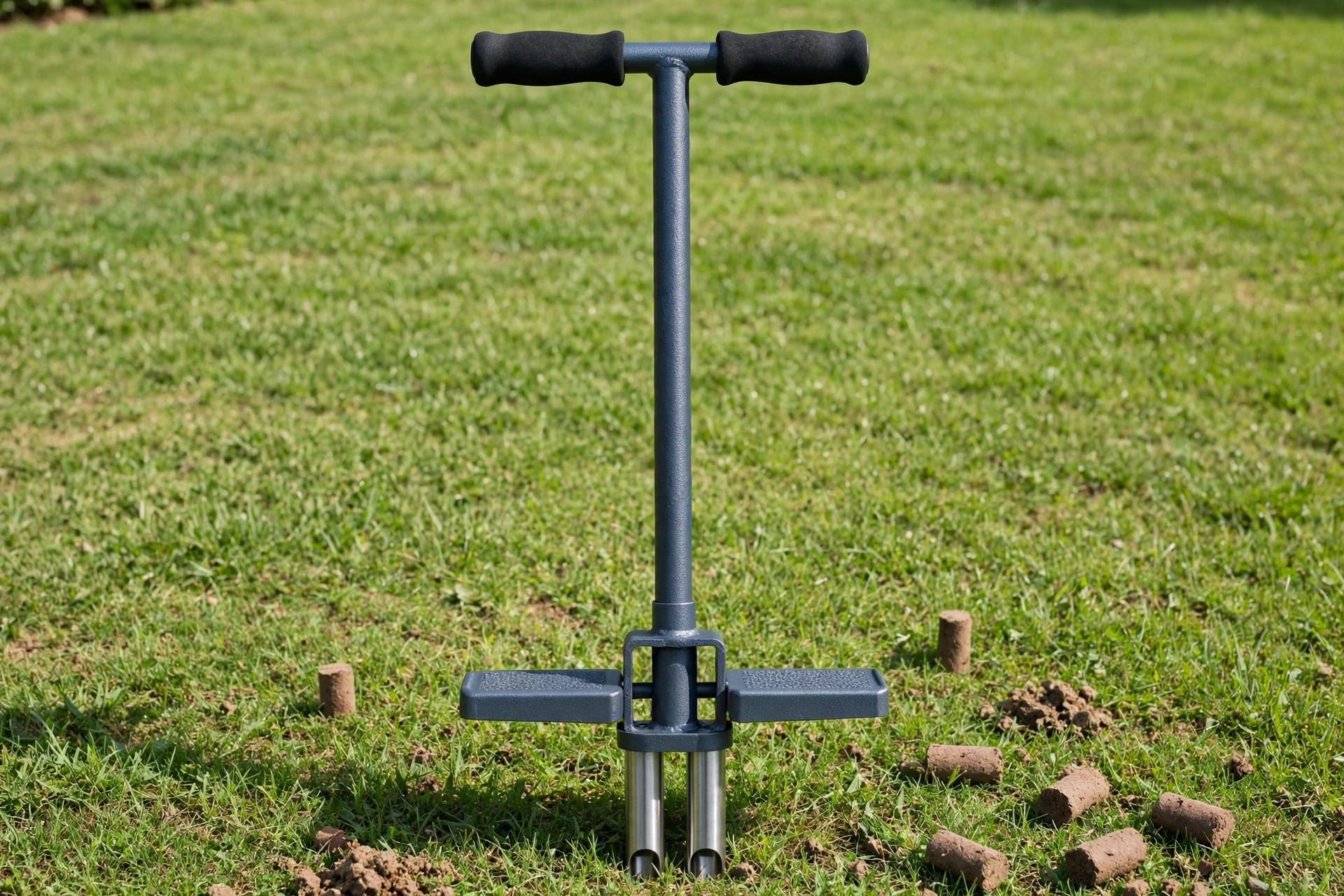 Yard Butler Lawn Coring Aerator (ID-6C) Yard Butler Lawn Coring Aerator (ID-6C) | All soils, including heavy clay | Small to medium | Excellent | 4.8/5 |
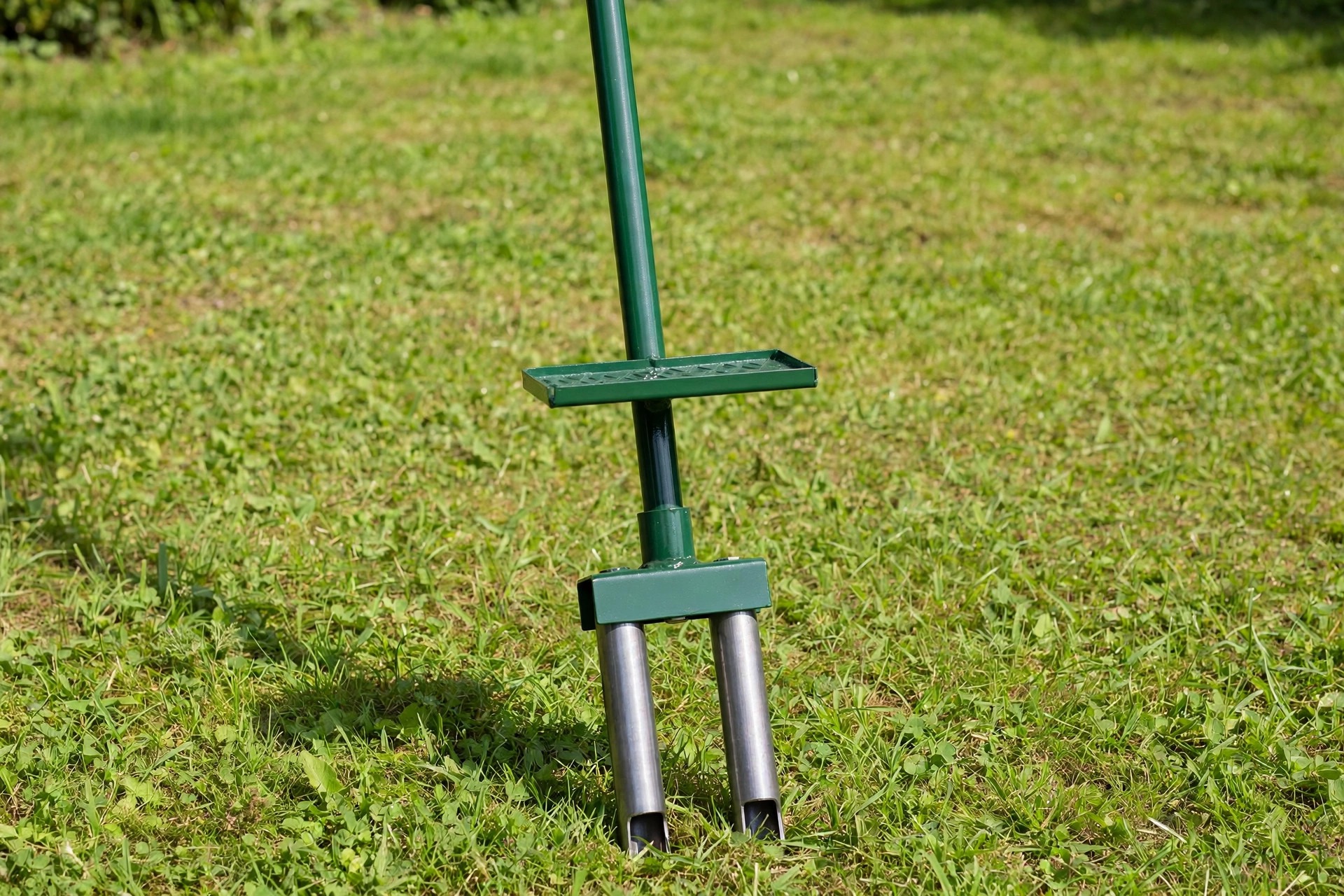 Walensee Lawn Coring Aerator Walensee Lawn Coring Aerator | Loam and light clay | Small | Good | 4.3/5 |
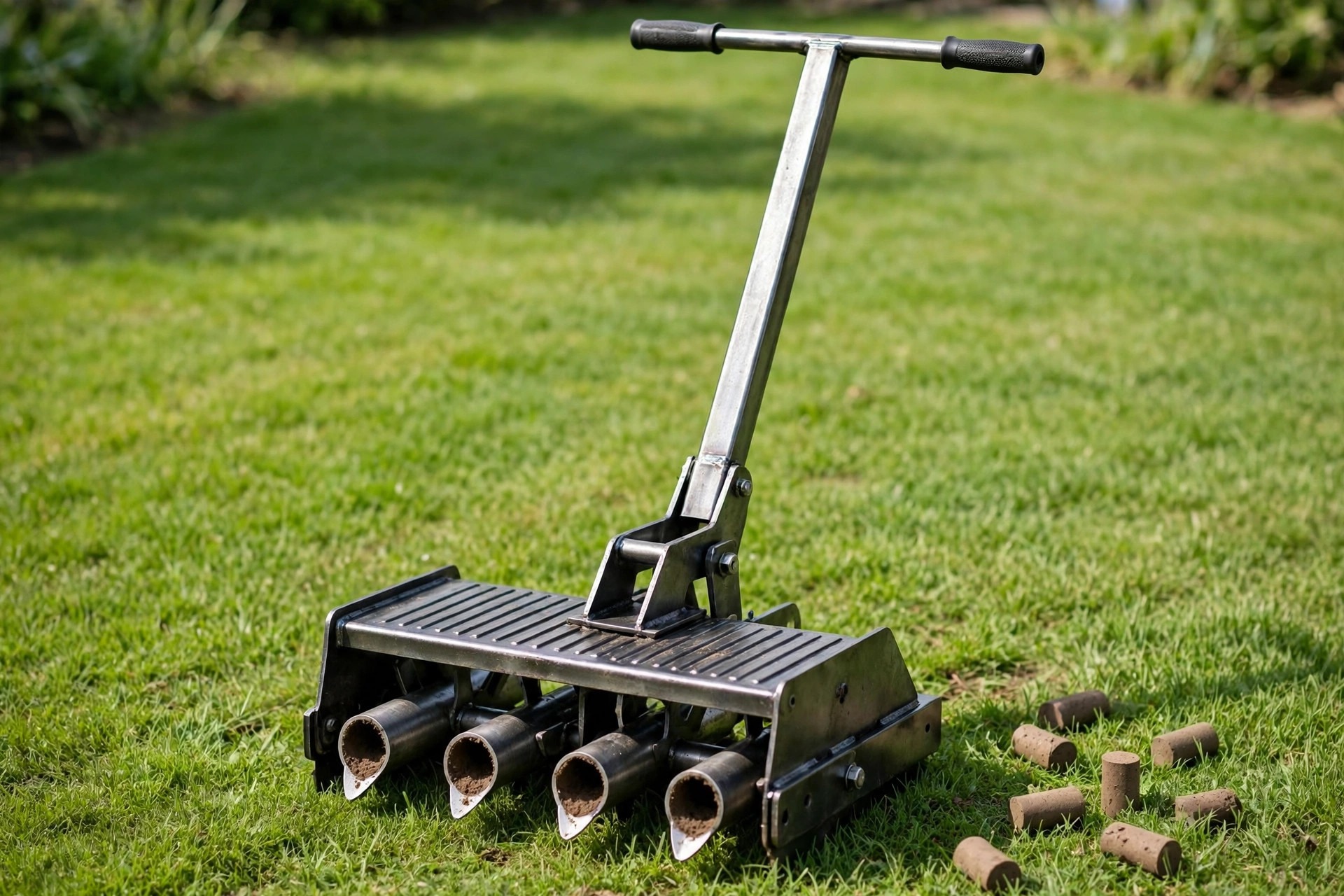 Step ‘N Tilt Core Lawn Aerator (Version 4) Step ‘N Tilt Core Lawn Aerator (Version 4) | All soils, including clay | Medium | Excellent | 4.7/5 |
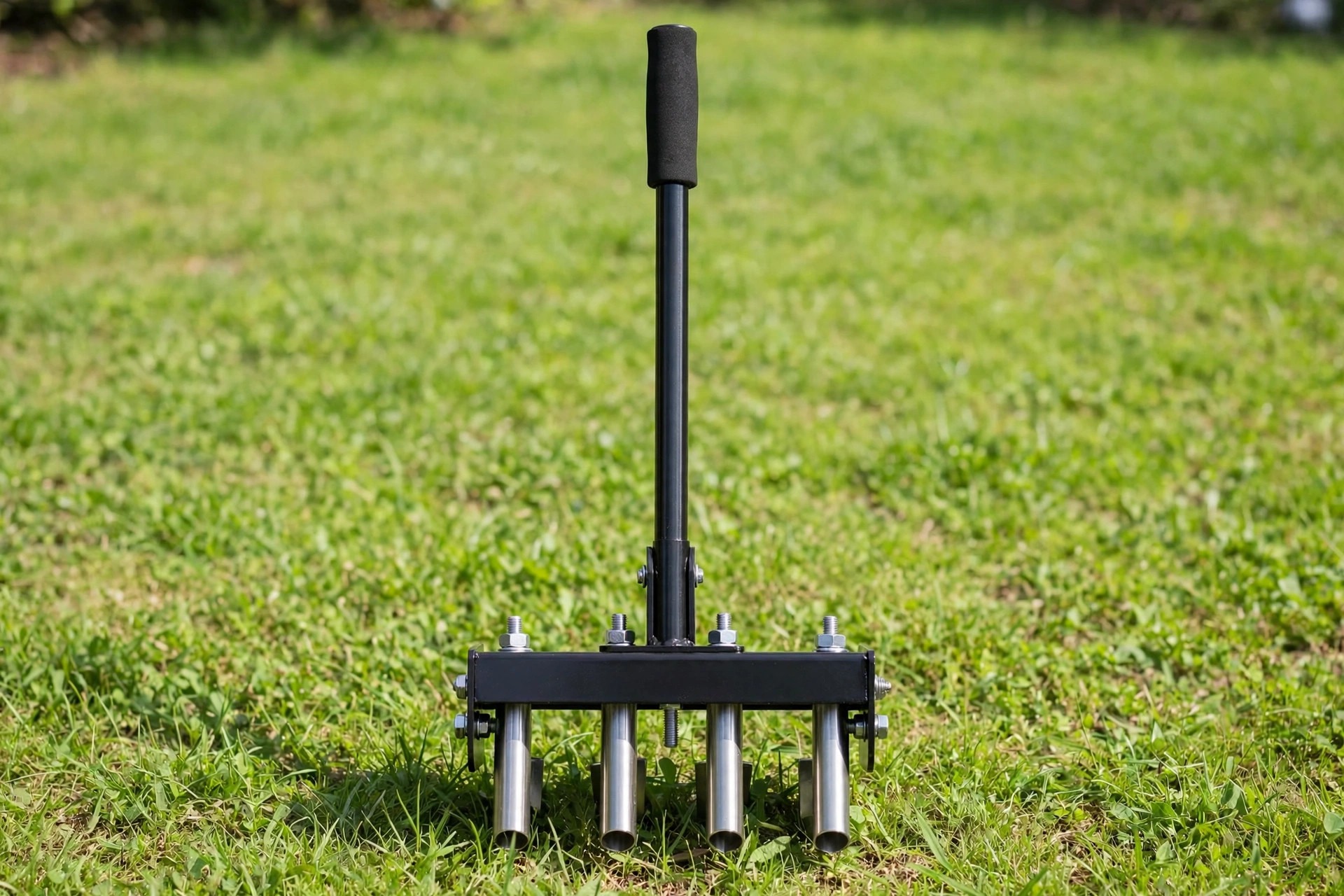 RETRUE Manual Core Aerator RETRUE Manual Core Aerator | Damp loam and clay | Small to medium | Good | 4.4/5 |
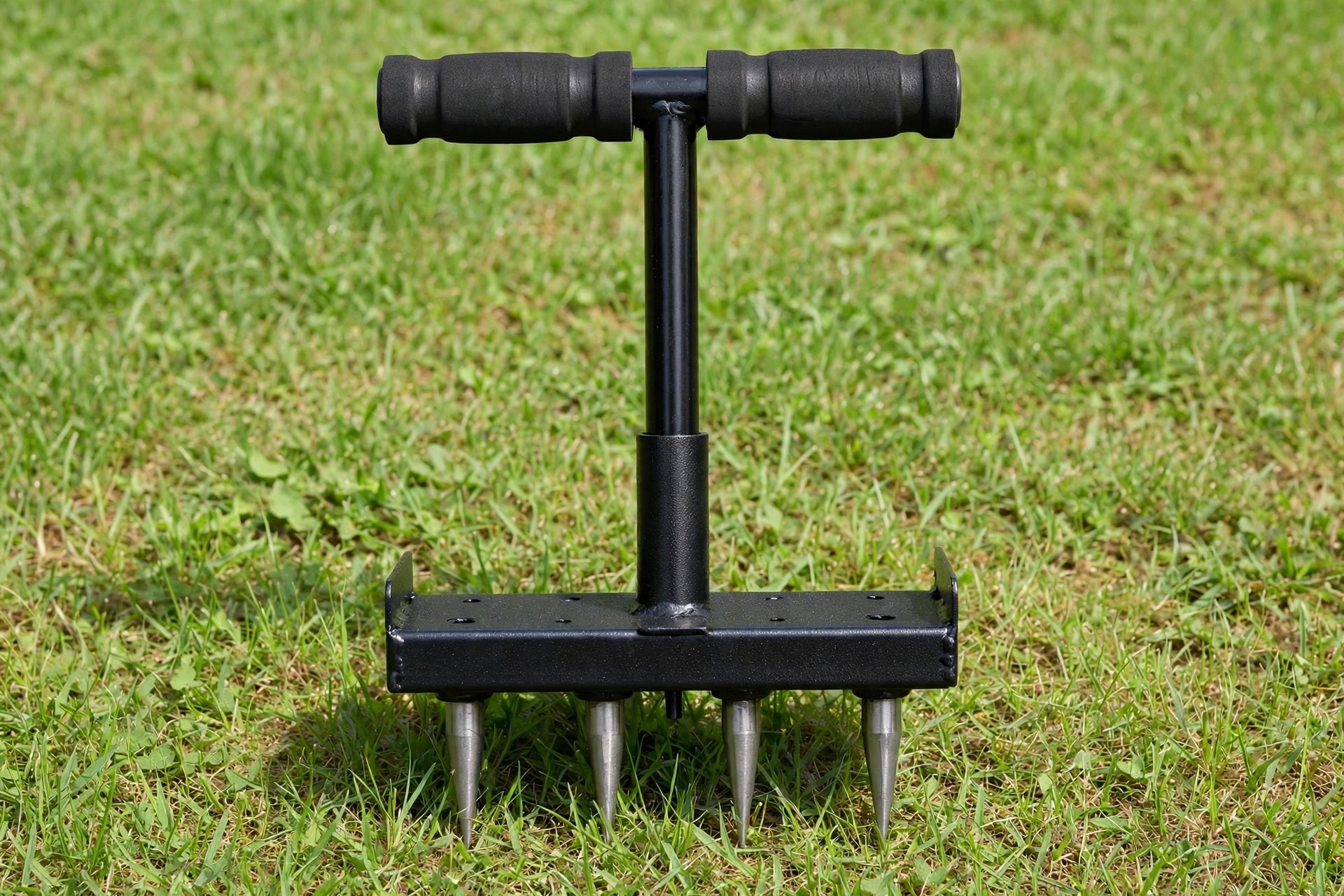 Walensee 4-Tine Spike Aerator Walensee 4-Tine Spike Aerator | Sandy and loose loam | Small areas | Good | 4.2/5 |
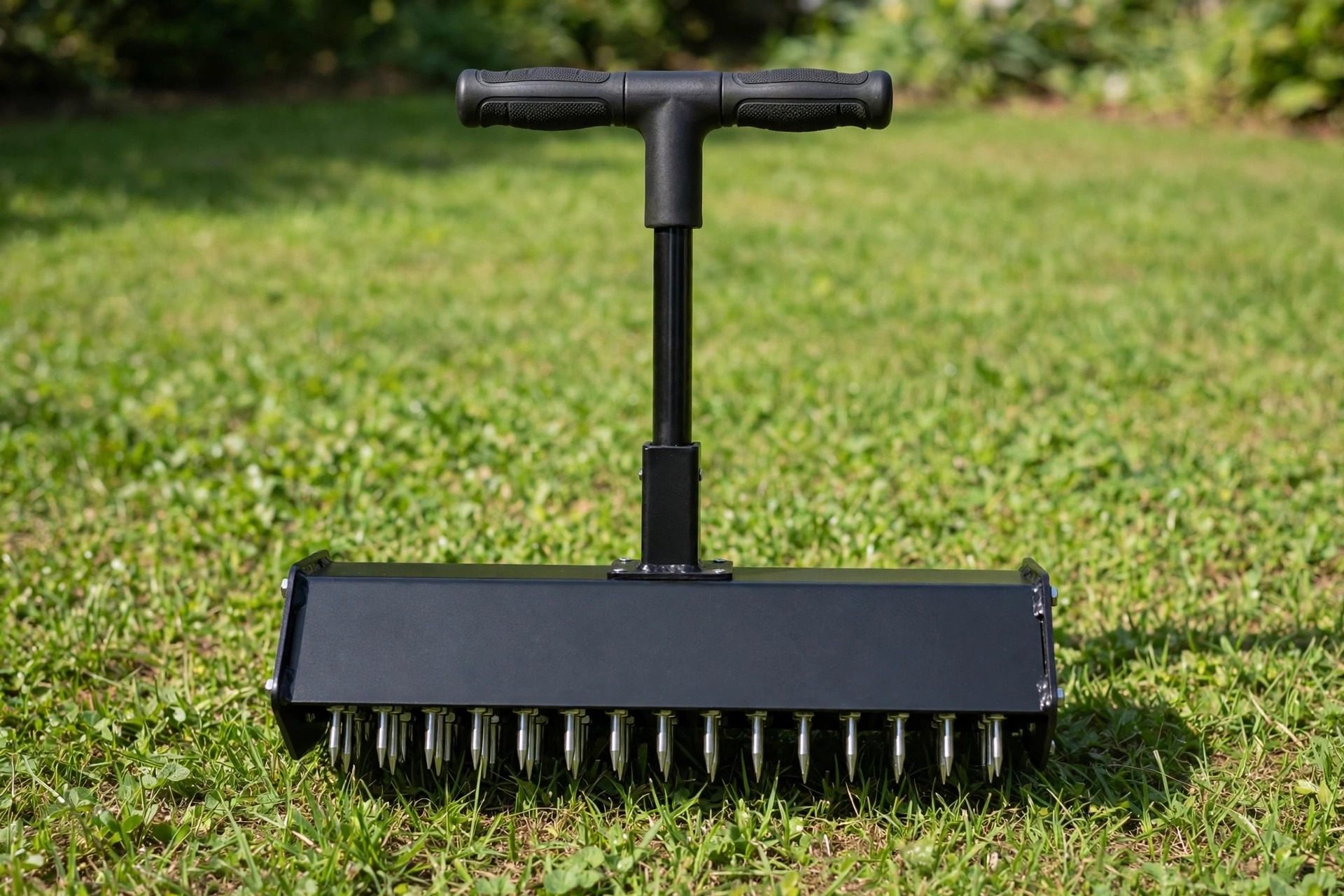 WORKPRO 38″ Lawn Aerator Tool (17 Spikes) WORKPRO 38″ Lawn Aerator Tool (17 Spikes) | Sandy to loamy soil | Small to medium | Good | 4.1/5 |
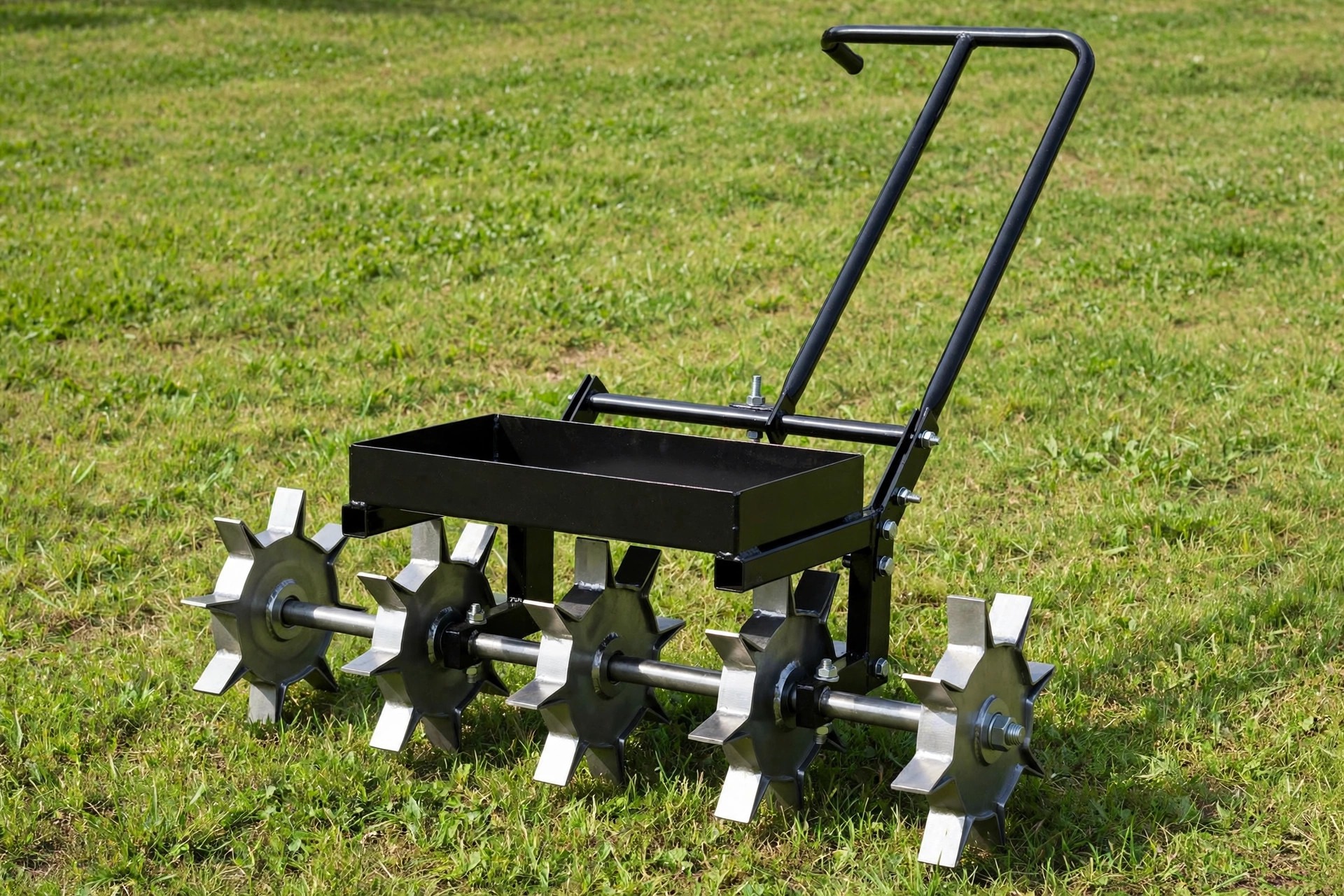 Suchtale 18-Inch Push Spike Aerator Suchtale 18-Inch Push Spike Aerator | Level loam and sandy soil | Large, level lawns | Good | 4.0/5 |
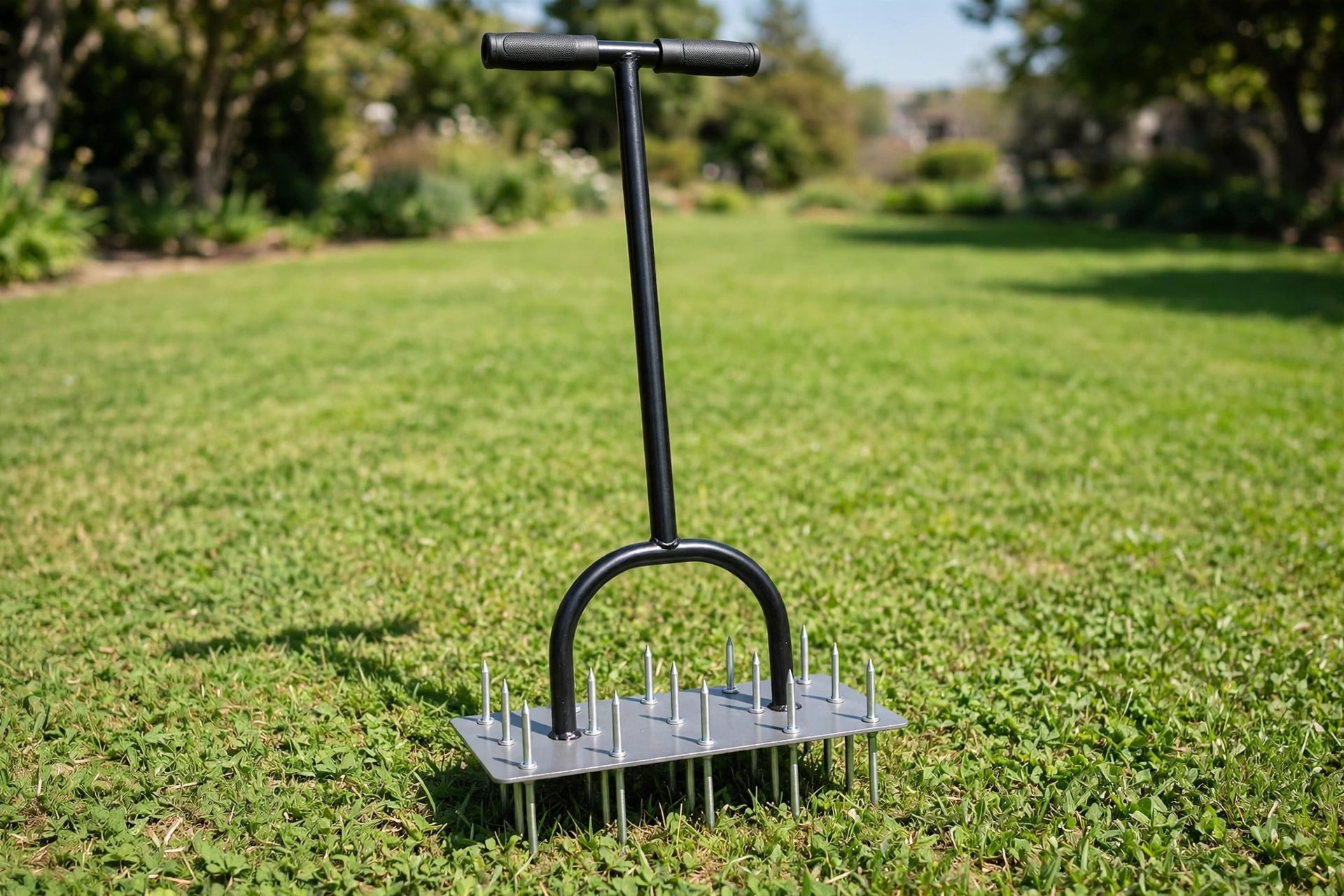 Walensee 4-Row Spike Aerator Walensee 4-Row Spike Aerator | Loam and sandy soil | Small to medium | Good | 4.0/5 |
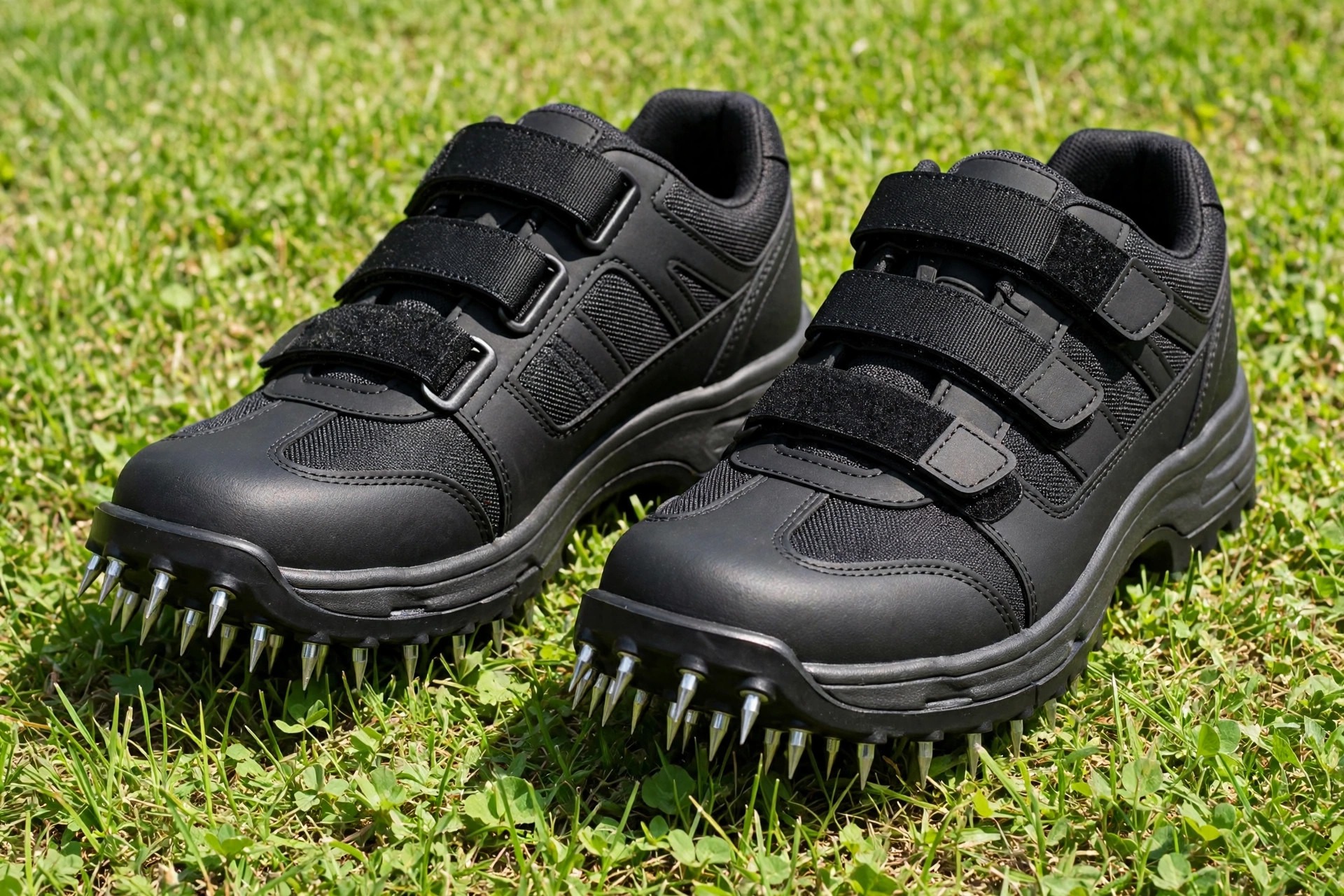 Briliantwerk Aerator Shoes Briliantwerk Aerator Shoes | Soft, loose soil | Small | Fair | 3.6/5 |
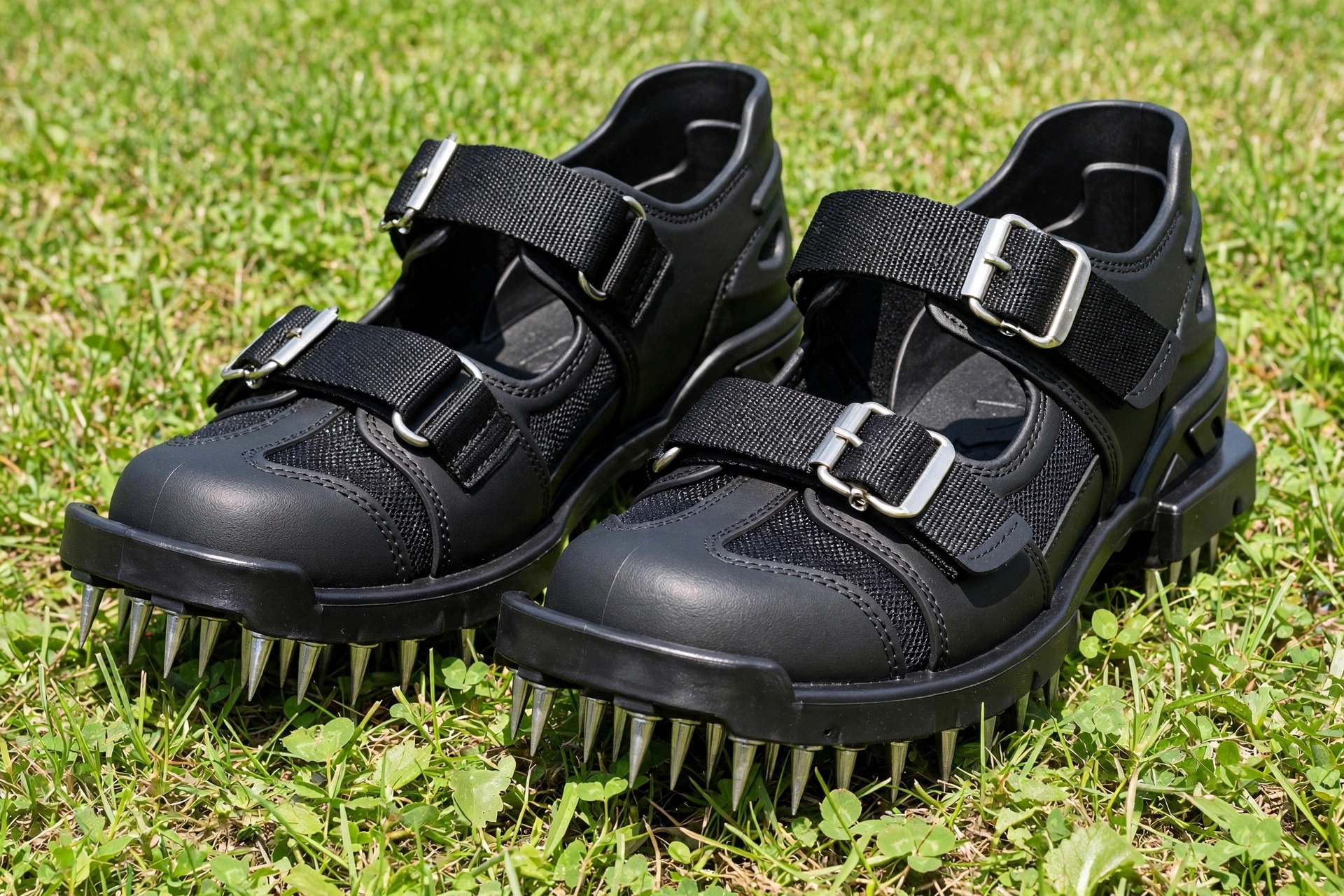 Ohuhu Lawn Aerator Shoes Ohuhu Lawn Aerator Shoes | Soft soil and gentle slopes | Small | Good | 3.9/5 |
Our rating weighs build quality, how well the tool does its job, and long term owner feedback across many seasons of use.
Why Aerate at All? What Those Holes Actually Do
Aeration sounds like a chore invented by tool companies. It is not. Compacted soil squeezes out the pore space that roots, water and microbes depend on, and everything downstream suffers. Done once a year, it delivers the recognised lawn aeration benefits:
- Deeper roots. Grass roots grow into the loosened channels and reach water that surface roots never find. Deep roots are what carry a lawn through a dry July.
- Water that soaks in. Instead of pooling or running off to the driveway, rain enters the soil profile where it belongs.
- Food reaching its target. Fertilizer and lime drop into the holes and arrive at the root zone instead of sitting on top. Extension specialists call aeration the next best thing to establishment for getting amendments into the soil.
- Thatch control. Soil plugs left on the surface carry microbes that digest the thatch layer as the plugs break down.
- Better overseeding. Seed that falls into aeration holes gets the soil contact germination demands.
How do you know your lawn needs it? Push a screwdriver into damp soil. If it will not sink to the handle without a fight, or if water stands after light rain, or the thatch layer (the spongy brown mat under the green) is thicker than half an inch, aerate. West Virginia University Extension lists exactly these signs, heavy use, pooling water, thick thatch, as the triggers for aeration.
Core Aerator vs Spike Aerator: The Difference That Matters
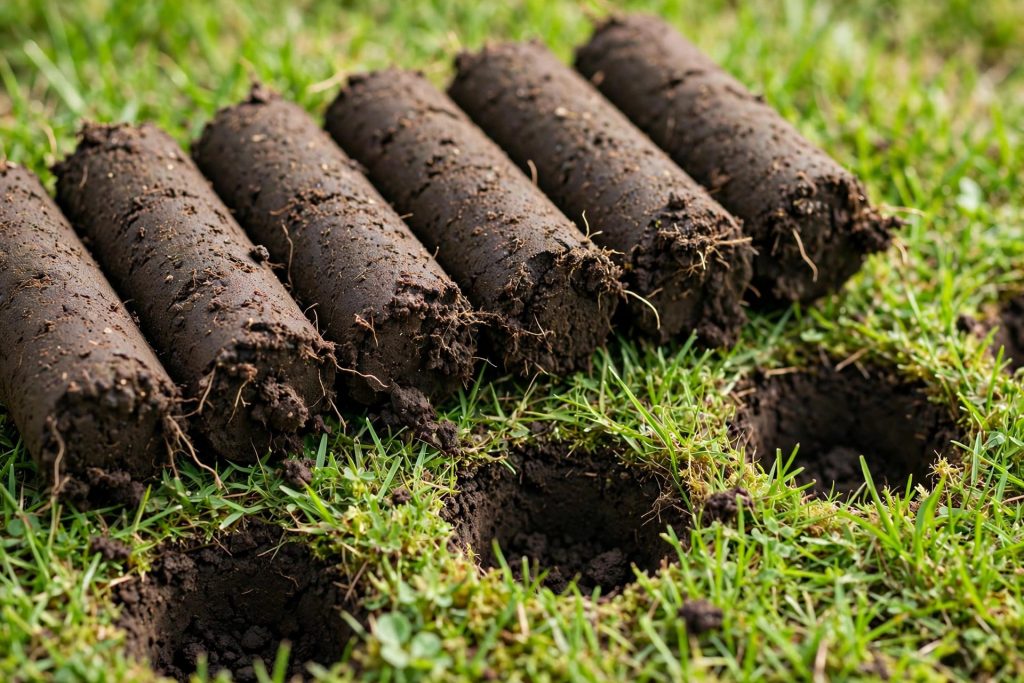
Every tool in this guide is one of two things, and the core aerator vs spike aerator choice matters more than brand.
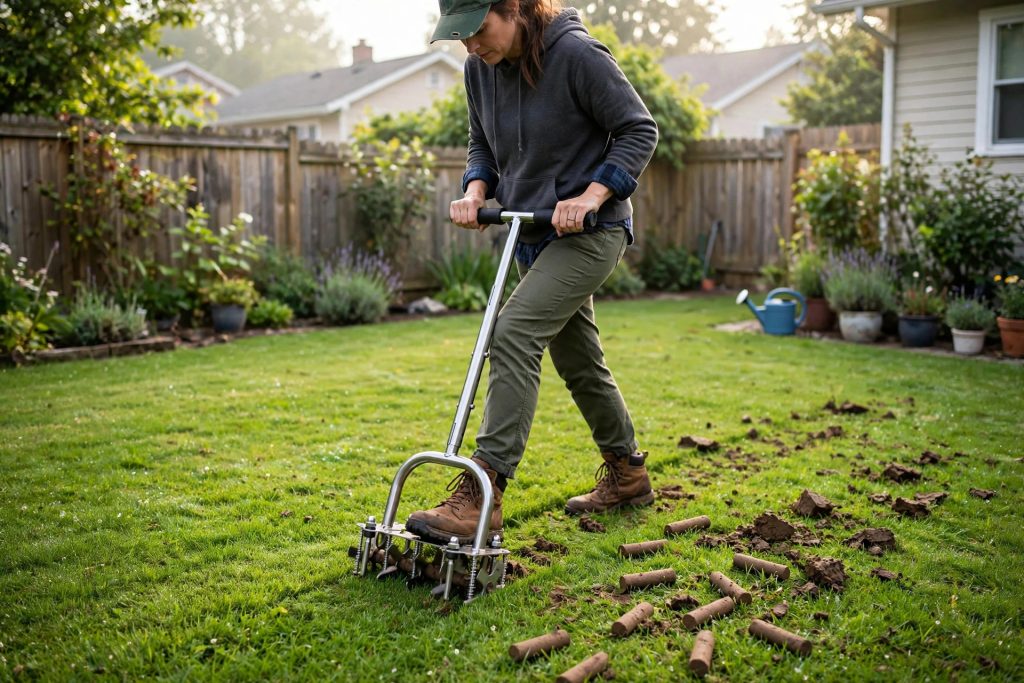
A core (plug) aerator has hollow tines. Each step removes a small cylinder of soil, roughly half to three-quarters of an inch wide and 2 to 4 inches deep, and leaves it on the surface. That removed soil is the whole point: it creates real, lasting space in the ground, and the surrounding soil slowly relaxes into it. University of Georgia turf research notes that hollow-tine aeration gives longer-lasting benefits precisely because the core comes out.
A spike aerator pushes solid tines in and pulls them straight back out. Nothing is removed. The hole is surrounded by soil that has been squeezed even tighter to make room for it. Spiking is quick, tidy and fine for a light refresh, for poking seed into contact with soil, or for sandy ground that barely compacts. On hard clay, though, spiking can firm up the very layer you are trying to loosen.
Our rule: if compaction is the problem, and it usually is, the best manual lawn aerator is a coring tool. If your soil is loose and you mainly want seed-to-soil contact before overseeding, a spike tool is faster and cheaper.
The 10 Best Manual Lawn Aerators in 2026
Short on time? Here is the shortlist, the best manual lawn aerator for each kind of yard and budget, with the trade-offs stated plainly.
1. Yard Butler Lawn Coring Aerator (ID-6C): Best Overall
The Yard Butler is the tool this category is measured against, for many owners it is simply the best manual lawn aerator, and it has earned that spot the slow way: decades of sales and thousands of owner reviews. The design could not be simpler. A 38-inch powder-coated steel handle, two hollow coring tines about 3.5 inches long, a foot bar at the bottom and cushioned grips up top. You step on the bar, let your body weight drive the tines, step off, and move a few inches. The plugs eject as you go.
Pros: genuinely hollow tines that remove real plugs; all-steel build that shrugs off years of use; long handle means no stooping; light enough to carry around the yard one-handed.
Cons: two tines means slow work on anything past a small lawn; tines can clog in sticky wet clay, so keep a screwdriver handy to poke them clear. Work when the soil is damp, not soaked, and this remains the best manual lawn aerator for most homes.
2. Walensee Lawn Coring Aerator: Best Budget Coring Tool
Walensee’s coring tool follows the same proven pattern as the Yard Butler, long steel handle, foot bar, two hollow tines, at roughly two-thirds of the price. For a first aerator, or for a small yard that only needs an annual pass, it is the sensible buy, the best manual lawn aerator for a tight budget. Owners consistently report it works well on lawns watered the day before, which is the correct way to use any coring tool.
Pros: proper plug removal at a budget price; sturdy steel construction; simple assembly.
Cons: the tines clog more readily in heavy clay than premium rivals: one reviewer bent a tine levering out packed mud, which tells you both that the steel is not indestructible and that you should never aerate soup. Keep the soil moist, not wet, and it does the job.
3. Step ‘N Tilt Core Lawn Aerator (Version 4): Easiest on the Back
The Step ‘N Tilt is the cleverest design here, for gardeners with sore knees or a bad back, it may be the best manual lawn aerator of the ten. Instead of stomping straight down, you step and rock: a patented tilting motion levers four case-hardened coring tines into the ground and lifts the plugs out with far less jolt to knees and back. The tines cut holes about 3.4 inches deep, they can be sharpened or replaced when worn, and an optional soil core container collects the plugs so you can drop them where the lawn is thin or rutted, a genuinely useful touch for levelling.
Pros: four tines per step, so it covers ground faster than twin-tine tools; rocking action is kinder to joints; replaceable tines; doubles as a small garden trolley.
Cons: at 21 pounds it is the heaviest tool in this guide, and the premium price is hard to justify for a tiny yard. For a bad back and a mid-sized lawn, though, nothing else manual comes close.
4. RETRUE Manual Core Aerator: Best for Replaceable Tines
RETRUE’s coring tool, a contender for the best manual lawn aerator if you value replaceable tines, puts four hollow tines on one foot plate, and its party trick is that the tines unbolt and swap out. Dull, bent or clogged tines are the usual death of cheap aerators; here they are a five-minute fix with a spare part. It arrives semi-assembled, so you are working within minutes of opening the box.
Pros: four plugs per step; replaceable tines extend the tool’s working life; keen price.
Cons: four tines need more downward force than two, so it earns its keep on damp soil and struggles in a drought-baked yard. Treat it as a moist-soil tool and it performs well above its price.
5. Walensee 4-Tine Spike Aerator: Best Hand Spike Tool
Four sharp 3.5-inch spikes on a foot platform, with a 35.5-inch padded T-handle: this is the spike version of the classic step-on design, and for light work it may be the best manual lawn aerator here, loosening a garden path edge, prepping a small patch for seed, or giving sandy soil a quick refresh. The T-handle gives you proper control of depth, and the foot platform spreads your weight evenly.
Pros: quick and tidy; controlled depth; comfortable padded handle; inexpensive.
Cons: it is still a spike tool: it displaces soil rather than removing it, so it will not fix serious compaction. Buy it for the jobs spiking is actually good at.
6. WORKPRO 38″ Lawn Aerator Tool (17 Spikes): Fastest Hand Coverage
WORKPRO’s take on the spike plate widens the idea: 17 spikes in a dual-layer plate under a 38-inch ergonomic T-handle. Each step punches a whole row of holes at once, so a small lawn takes a fraction of the time a 4-tine tool needs. For people who overseed every fall and want fast seed-to-soil contact across the whole yard, it is a sensible middle path, the best manual lawn aerator for the job.
Pros: covers ground quickly; tall handle suits taller users; solid WORKPRO build quality at a fair price.
Cons: like all spike plates, it needs your full weight on each step to reach full depth, and on hard clay the holes stay shallow. Water first.
7. Suchtale 18-Inch Push Spike Aerator: Best Rolling Aerator
Rolling aerators trade depth for speed, and if that style is the best manual lawn aerator for your lawn, the Suchtale is the pick of them. Five star-shaped steel wheels, each with 10 spike tips, rotate independently as you push, punching holes up to about 2 inches deep across an 18-inch swath. The steel weight tray on top accepts a standard 16-inch block or bricks: that added mass is what separates a rolling aerator that scratches the surface from one that actually penetrates.
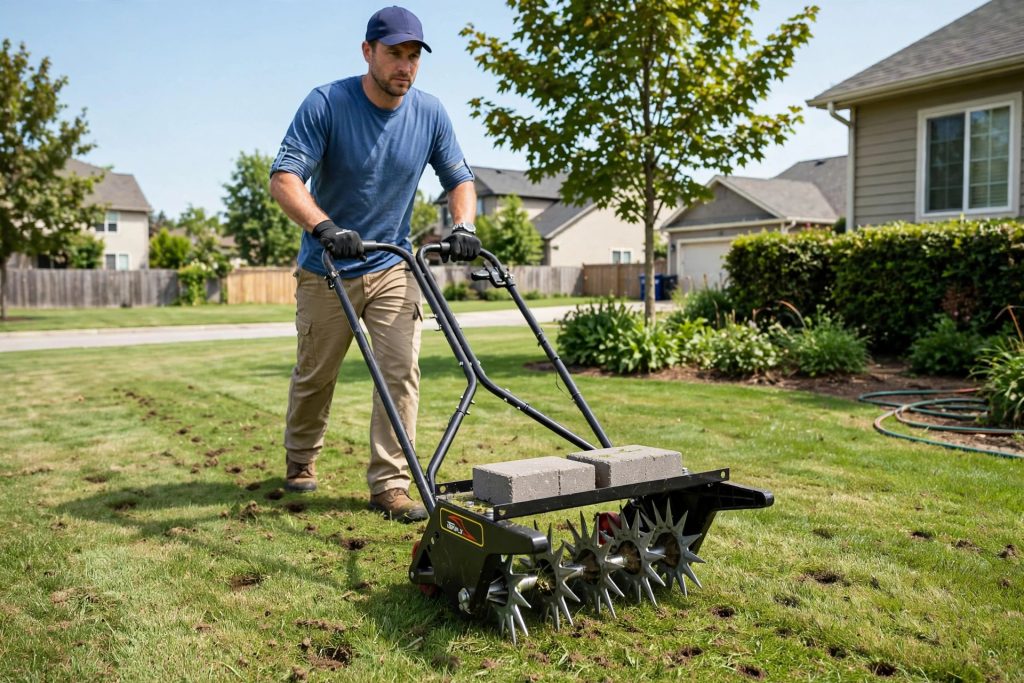
Pros: fastest coverage of any tool here; weight tray for real penetration; no bending; good on large, level lawns.
Cons: 2-inch spike depth will not relieve deep compaction, and it needs moist soil, the manufacturer says the same. Use it for maintenance aeration and overseeding prep, not rescue work.
8. Walensee 4-Row Spike Aerator: Best for Overseeding Prep
A four-row foot plate carrying 20 steel spikes, each about 2.8 inches long. Step, shift, step: the pattern of holes it leaves is dense and even, which is exactly what grass seed wants. It is a category best-seller for a reason: the plate is stable underfoot, the spikes are stout, and the price is low.
Pros: dense, even hole pattern; stable wide plate; ideal partner for fall overseeding.
Cons: spike depth is modest, and rocking the plate free of sticky soil takes a knack. A maintenance tool, not a compaction cure.
9. Briliantwerk Aerator Shoes: Cheapest Way to Start
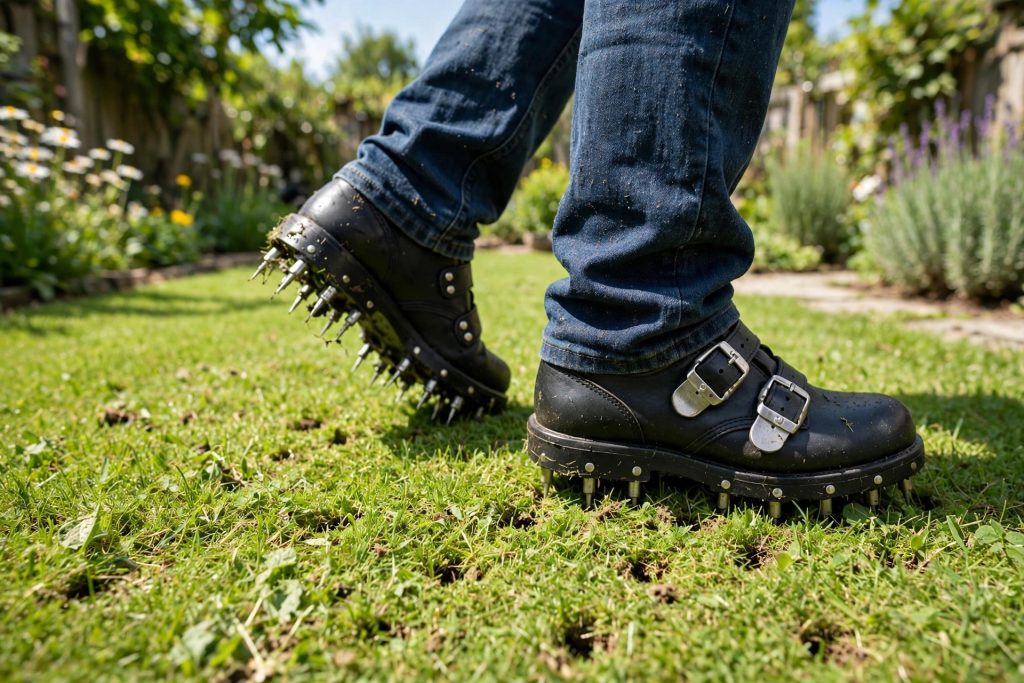
Aerator shoes are the gateway tool: a rigid sole with 2-inch spikes that straps over your own shoes, so you aerate by walking. Briliantwerk’s version fits roughly US sizes 5 to 14 with hook-and-loop straps, and costs less than a bag of grass seed. Walk the dog, mow the lawn, aerate as you go.
Pros: lowest price in this guide; zero storage space; genuinely useful for light, frequent passes.
Cons: straps are the weak point on all budget shoes, check them before each use, and 2-inch spikes in soft shoes will never match a coring tool for compaction. On firm ground you will also feel every step in your calves.
10. Ohuhu Lawn Aerator Shoes: Sturdiest Shoes
Ohuhu’s aerator shoes fix the budget-shoe problem with metal buckle straps instead of plain hook-and-loop, a stronger base plate and a heel cup that keeps your foot from sliding forward on slopes. The spikes are the same walk-and-poke idea, but the whole thing stays put, which is the difference between a tool you use and a tool you abandon in the garage.
Pros: buckles hold tension far better than straps alone; stable heel support; still inexpensive.
Cons: still shoes. They maintain a healthy lawn; they do not rescue a compacted one. Pair them with a coring tool for the annual deep pass and you have a complete system for very little money.
How to Choose the Right Manual Lawn Aerator Tool
Choosing the best manual lawn aerator comes down to three things: how much lawn you have, what your soil is like, and what your knees think of the plan. Get the best manual lawn aerator for those three, and the brand matters less than the match.
- Lawn size. Under about 1,000 square feet, any step-on coring tool is fine. Up to a quarter acre, a 4-tine coring tool or the Step ‘N Tilt keeps the job sane. Bigger than that, a rolling spike aerator handles maintenance, or rent a power corer once a year and keep a hand tool for touch-ups.
- Soil type. Clay and heavy traffic demand hollow tines. Sandy or loamy soil that drains freely can be maintained with spikes or shoes.
- Your body. Step-on tools use body weight, not arm strength, so they suit most people. If bending or stomping sounds miserable, the rocking Step ‘N Tilt or a rolling model is the honest choice.
- Build quality. Look for steel tines (not cast pot metal), a welded foot bar, and, on coring tools, tines you can clear or replace. This tool meets your hardest soil at full body weight; cheap welds lose that argument.
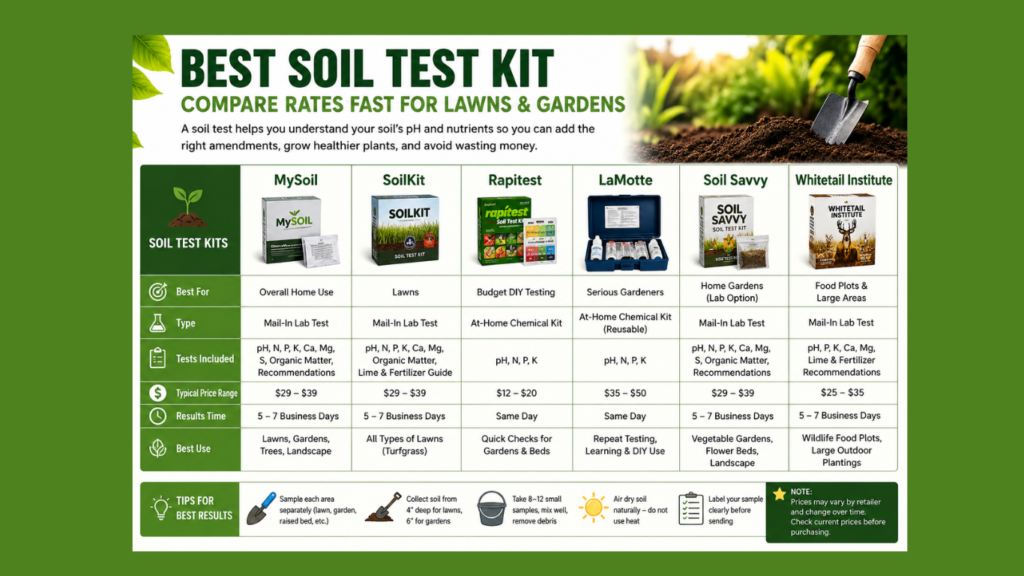
Not sure how compacted you really are? Test before you buy. Our guide to choosing a soil test kit explains how to check soil properly, and the results will tell you whether compaction, pH or fertility is your real problem.
How to Aerate a Lawn by Hand, Step by Step
Learning how to aerate lawn by hand with the best manual lawn aerator for your soil is mostly about timing the moisture. Get that right and the technique is simple.
- Water deeply the day before. You want soil like a wrung-out sponge, moist enough for tines to slide in and plugs to pop out, dry enough that you are not making mud. Aerating bone-dry ground is how tines bend and backs complain.
- Mow a little shorter than usual and rake up debris and thick thatch so the tines meet soil, not mat.
- Work the worst areas first: paths, gate areas, the spot under the washing line. Step the tool in to full tine depth, rock it very slightly, pull it out, and move on about 3 to 4 inches.
- Keep a steady grid. Aim for roughly 12 to 20 holes per square foot in tired areas; a single pass in one direction is enough for healthy sections, two crossing passes for the worst compaction.
- Leave the plugs where they fall. They look untidy for a week. They are also free topdressing: soil microbes in the plugs help digest thatch as they crumble back in. Mow over them next time and they disappear.
- Overseed and feed straight after, if you are going to. Seed drops into the holes and germinates where it lands. A light covering of compost worked into the holes is the classic finishing touch: our compost guide covers rates and materials. If you feed, a balanced fertilizer is the right choice for a general post-aeration feed.
- Water lightly for the first week if rain stays away, to settle everything in.


Best Time to Aerate Your Lawn (and How Often)
The best time to aerate lawn is when the grass is growing actively enough to heal fast. For cool-season grasses, bluegrass, fescue, ryegrass, that means early fall first, early spring second. Fall wins because roots grow hard in cooling soil while weed pressure fades; UMass turf specialists call late summer into fall the ideal window for the same reason. For warm-season grasses, Bermuda, zoysia, St Augustine, aerate in late spring to early summer, when growth is at full stride. Never aerate a lawn that is dormant, drought-stressed or frozen; you are wounding a plant that cannot recover.
So, how often to aerate lawn? Once a year suits most clay or high-traffic lawns. Sandy, lightly used lawns can go every two to three years. The exceptions cut both ways: a children’s football pitch in the backyard may justify spring and fall passes, while a shady, barely walked corner may need none at all. Let the screwdriver test decide when to bring out the best manual lawn aerator.
Mistakes That Waste the Whole Job
- Aerating dry soil. The number one error. Tines bounce, spikes skid, and you conclude the tool is useless. Water first.
- Reaching for a spike tool to fix clay compaction. You are squeezing already tight soil tighter around every hole. Core, or do not bother.
- Aerating at the wrong season, then blaming the tool when the lawn thins. Dormant and drought-stressed grass cannot fill the holes: weeds will.
- Removing the plugs. Raking up the cores throws away the microbial topdressing you just made. Leave them.
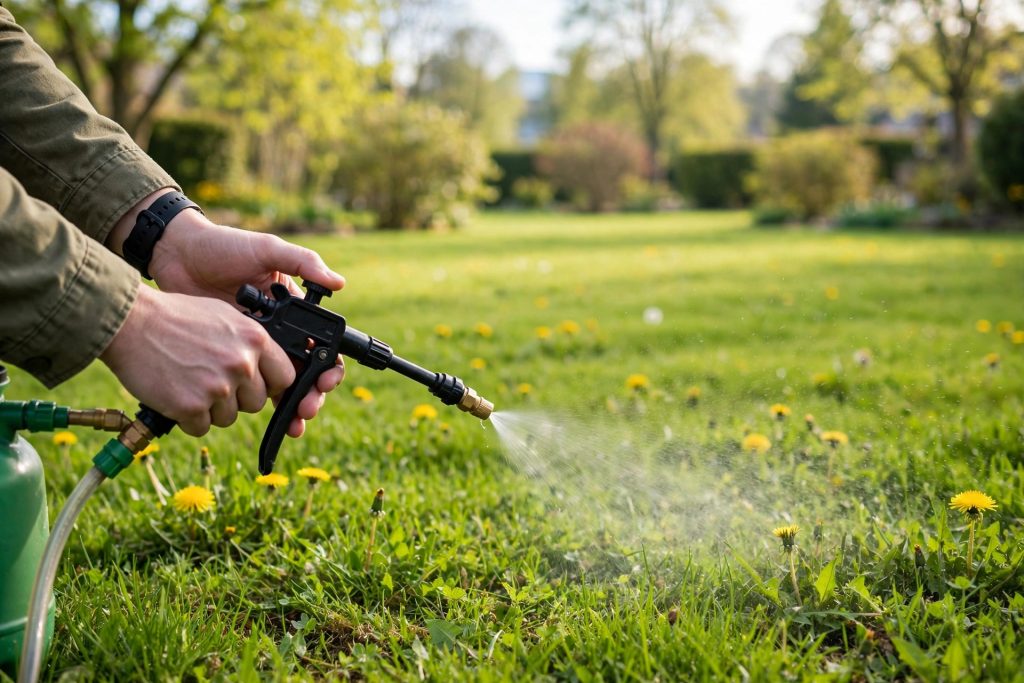
- Forgetting what comes after. Aeration opens a short window where seed, feed and water reach the root zone directly. Lawns that get overseeded and fed in that window improve; lawns that do not, plateau. And keep after the weeds that exploit thin turf, our guide to the best weed killers for lawns covers control options that will not harm the grass.
Frequently Asked Questions
What is the best manual lawn aerator for a small yard?
For most small yards, the Yard Butler ID-6C coring aerator. It removes real soil plugs, it is built from steel, and its two-tine head is the right size for working between beds and paths. If the budget is tight, the Walensee coring tool does the same job for less.
Is a core aerator or a spike aerator better?
A core aerator is better for compacted soil because it removes soil and creates lasting space. A spike aerator is faster and fine for light maintenance, sandy soil and preparing for overseeding, but it pushes soil aside and can increase compaction around each hole in clay.
When is the best time to aerate a lawn?
Aerate cool-season lawns in early fall or early spring, and warm-season lawns in late spring to early summer, always while the grass is actively growing, and always on moist soil. Avoid summer drought, winter dormancy and frozen ground.
How often should you aerate your lawn?
Once a year for clay soils and lawns with heavy foot traffic. Every two to three years is enough for sandy soils and lightly used lawns. Let signs of compaction, pooling water, thin growth, hard soil, make the final call.
Can you aerate a lawn by hand effectively?
Yes. A step-on coring tool removes plugs just as a powered machine does; it simply covers ground more slowly. On small and medium lawns the result is identical, and hand tools win on edges, corners and slopes where machines cannot go.
Should you water your lawn before aerating?
Yes: water deeply a day ahead. Moist soil lets tines penetrate to full depth and releases plugs cleanly. Avoid aerating when the ground is saturated, though: wet clay smears, clogs hollow tines and compacts under your feet.
Final Thoughts
Compaction is a slow problem with a simple cure: the best manual lawn aerator is a coring tool matched to your soil. If you buy one tool from this list, make it a coring tool: the Yard Butler ID-6C for most yards, the Walensee coring aerator on a budget, the Step ‘N Tilt if your back is negotiating. Add aerator shoes or a rolling spike model later if you get the aeration habit.
Then do the unglamorous things that make it work: water the day before, leave the plugs, overseed in the window you have just opened. A lawn does not need rescuing every weekend. It needs air, once a year, delivered by hand. If your soil itself needs attention beyond compaction, our garden soil guide is the place to start.

Have you aerated by hand, and which tool survived your soil? Share your experience in the comments, and pass this guide to a neighbour whose lawn pools water every time it rains.
References
- West Virginia University Extension: Lawn Aeration: signs a lawn needs aeration and why plug aerators outperform spikes.
- University of Georgia, College of Agricultural and Environmental Sciences: Stimulate Lawn Growth Early with Aerification: hollow vs solid tine research summary and ideal core depth.
- UMass Amherst, Center for Agriculture, Food and the Environment: Turf Management Update on Aeration: amendment access to the root zone and aeration frequency guidance.

- 10 Best Manual Lawn Aerators for a Thicker, Healthier Lawn - October 4, 2026