$44.99
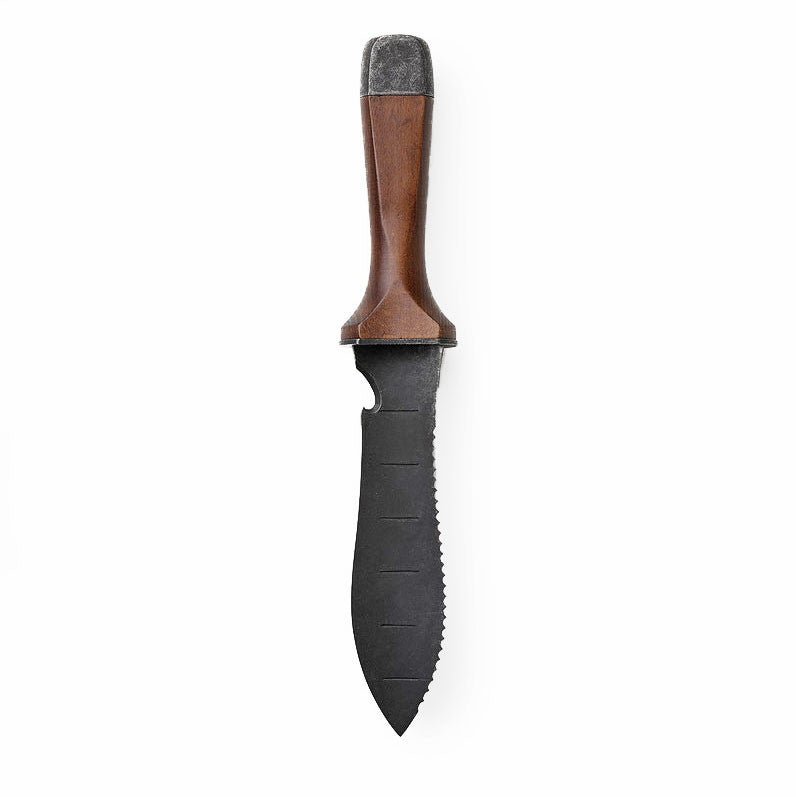
barebones hori hori ultimate is the heavy-duty soil knife for rocky ground and stubborn roots, combining a full tang blade with a walnut handle for controlled, confident digging, weeding and planting.
Description
barebones hori hori ultimate answers a problem every gardener knows well: one bed can demand digging, weeding, cutting roots and measuring planting depth, yet a light trowel often bends, slips or forces constant tool changes when the soil turns stony or compacted. The Barebones Hori Hori Ultimate is built for that mixed, demanding work. Its heat-treated 4CR13 stainless steel blade is 6.75 inches long, and its through tang runs into a walnut handle, giving the knife the strength to lever and chop where lighter soil knives feel uncertain. It is therefore a practical choice for gardeners in rocky or clay soil who pry and chop as much as they plant, and who want one strong tool for the tougher end of everyday garden work.
Key Features
Heat-treated 4CR13 stainless steel blade
The 6.75 inch blade is made from heat-treated 4CR13 stainless steel, a combination chosen for garden work where soil, grit and moisture are constant companions. Stainless steel helps the blade resist rust better than many carbon-style steels when it is dried after use, while heat treatment supports a working edge for slicing, cutting and root work. The blade is pointed, so it can enter firm soil and work around roots without needing a separate spike or fork for the first opening cut.
Full tang strength for prying
The full tang, described in the roundup as a through tang, is central to this knife. Because the steel runs through the handle rather than stopping short, force is spread through the tool when it is used to lever stones, lift matted roots or work compacted beds. That construction is why the roundup presents this model as the choice for heavy prying, rather than as a light, delicate planting knife. It still needs sensible use: lever steadily, avoid sudden sideways force, and stop if the soil will not move.
Walnut handle and flat pommel
The walnut handle gives a warm, traditional grip that suits the heavier character of the knife, and the flat pommel base can be used for tapping stakes. That detail matters in practical garden work, where a separate mallet is not always to hand and a light tap can settle a small stake without reaching for another tool. The handle shape also helps the user keep a firm hold when the blade is pushed into resistant soil, which is important for control as much as for comfort.
Two working edges and depth markings
One side of the blade is a straight knife edge, while the other side is serrated, so the knife can slice cleanly and saw through tougher roots and stems without a tool change. The concave face helps the blade move soil, and 1 inch depth markings on the concave blade turn the knife into a simple measuring guide for bulbs and seedlings. That combination reduces guesswork at planting time and helps keep rows and bulbs at a more consistent depth.
Twine cutter and bottle opener
A twine cutter that doubles as a bottle opener is a small but genuinely useful extra for garden and outdoor work. Twine can be cut without opening another blade or searching for scissors, and the same feature can open a bottle after work. It does not change the main job of the knife, but it supports the idea of one tool that covers several small tasks in the garden, at the allotment or around a campsite.
Product Description
The Barebones Hori Hori Ultimate is a Japanese-inspired soil knife, refined for heavy garden use. Its design follows the familiar hori hori pattern: a concave blade for moving soil, a straight edge for clean cuts, a serrated edge for roots, and depth markings for measured planting. Barebones presents it as the heaviest duty knife in the AgriBloom roundup, and that emphasis is visible in its materials and construction. The walnut handle, full tang and flat pommel give it a solid, workmanlike feel, while the pointed blade keeps it useful for precise jobs such as opening a planting hole or working close to a root crown. It is not presented as a delicate weeding tool for fine seedlings alone, although it can weed and transplant; its strength is in the range of jobs where soil is hard, roots are thick and a lighter knife would struggle. The roundup lists this model for heavy prying and roots, and that summary is the clearest guide to its place in a garden toolkit.
Benefits of Using This Product
Using one strong soil knife for digging, weeding, root cutting and depth measurement saves time and reduces the clutter of carrying several hand tools. The full tang gives confidence when levering, because the user is not relying on a short, hidden tang that may loosen under strain. The two edges mean the same tool can slice a clean planting hole, cut through a root mat and then scoop soil, which keeps work flowing in a busy bed. Depth markings help beginners and experienced gardeners alike set bulbs and seedlings at a consistent depth, which supports even emergence and avoids the shallow planting that leaves roots exposed. The walnut handle and flat pommel add practical comfort and a tapping function, while stainless steel makes routine care simpler than it is for steels that need constant oiling. For gardeners with rocky, stony or clay soil, the main benefit is therefore not novelty, but fewer interruptions, fewer tool changes and a tool that is matched to the ground it will actually meet.
Specifications
Product: Barebones Hori Hori Ultimate
Blade material: Heat-treated 4CR13 stainless steel
Blade length: 6.75 inches
Blade edges: Straight knife edge and serrated edge
Blade shape: Concave blade with 1 inch depth markings
Construction: Full tang, described as a through tang
Handle: Walnut
Pommel: Flat pommel base for tapping stakes
Extra features: Twine cutter that doubles as a bottle opener
Best for: Heavy prying and roots, as listed in the roundup
Overall length: Not published for this original model
Sheath material: Not published for this original model
Warranty: Not published for this original model
A note on weight, stated plainly: Listings differ on weight and overall length for this product. The AgriBloom roundup notes figures from about 0.8 lb for the tool alone to higher packaged weights, and advises that owners consistently report noticeable heft compared with the Nisaku. The maker’s current page is for the successor Hori Hori Ultimate II, which lists 1.0 lb for the knife alone and 1.30 lb with its sheath; that successor listing does not settle the original model’s weight, so this page does not silently pick one figure. Buyers who are sensitive to weight should check the Amazon listing for the exact variant before ordering, and should expect a noticeably heavy knife rather than a light trowel.
How to Use
Start by choosing the right edge for the job. Use the straight edge for clean slicing, opening bags, trimming roots and cutting stems at soil level, and use the serrated edge for sawing through tougher roots and matted growth. For planting, push the pointed blade into the soil, use the concave face to lift soil, and check the 1 inch markings before setting a bulb or seedling at the required depth. For weeds with a taproot, push the blade down beside the root, lever gently and lift from below the crown rather than pulling from the leaves. For prying, work slowly and keep the force in line with the blade, using the full tang strength steadily rather than jerking the handle. After use, knock off soil, wash if needed, dry the blade fully and store it safely, ideally in a sheath and out of reach of children. Keep the straight edge sharp with a suitable stone or rod, and use a narrow rod for the serrated side.
Why Choose Barebones Hori Hori Ultimate?
Choose this knife when the ground, rather than the plant, is the main challenge. Gardeners in rocky soil, heavy clay or root-filled beds need a tool that will not flex, loosen or feel out of its depth when it meets a stone or a thick root. The Barebones Hori Hori Ultimate answers that need with a full tang, a heat-treated stainless blade and a walnut handle, while still keeping the familiar hori hori functions of digging, weeding and measuring depth. It is also a sensible choice for gardeners who want one strong, multi-purpose tool rather than a set of light tools that each cover only one job. The trade-off is honest and should be understood before buying: the roundup notes that its weight and size can feel bulky for small hands and for delicate work around fine seedlings. If most of your work is light transplanting in soft, worked beds, a lighter knife may be more comfortable. If your work regularly involves prying, chopping roots and working compacted ground, this heavier, full tang design is the better match.
Frequently Asked Questions
What is a hori hori knife used for?
A hori hori is a Japanese soil knife used for digging planting holes, transplanting seedlings, weeding, dividing perennials, cutting roots and measuring planting depth. The Barebones Hori Hori Ultimate covers those jobs, with extra strength for prying and root work in tough soil.
Is the Barebones Hori Hori Ultimate good for rocky soil?
Yes, within sensible limits. The roundup presents it as the best choice for heavy prying, and its full tang construction is designed for levering stones and roots. Work steadily, avoid sudden sideways force, and use a dedicated tool for very large rocks or heavy demolition work.
What is the blade made from, and how long is it?
The blade is heat-treated 4CR13 stainless steel and is 6.75 inches long. It has a straight edge on one side, a serrated edge on the other, a concave face and 1 inch depth markings.
How heavy is it?
Listings differ, so no single weight is presented here as settled. The roundup notes figures from about 0.8 lb for the tool alone to higher packaged weights, while the maker’s current successor model lists different figures. Expect noticeable heft compared with a light soil knife, and check the Amazon variant listing before ordering if exact weight matters to you.
Does it replace a trowel?
For most planting, transplanting and bulb work, yes. The concave blade scoops soil like a narrow trowel, while the edges and depth markings add functions a plain trowel does not offer. A dedicated trowel may still be preferred for very light, fast work in soft soil.
Final Thoughts
The Barebones Hori Hori Ultimate is best understood as a working tool for difficult ground. It combines a strong full tang, a practical stainless blade, a walnut handle and useful extras such as depth markings, a flat pommel and a twine cutter, without pretending to be a light, delicate knife. Its weight is a real consideration, and the honest position is that listings differ on the exact figure, so buyers should judge it as a heavy-duty model and check the variant they order. For gardeners who pry, chop and dig in rocky or compacted soil, that strength is the point, and it is what makes this model a distinct choice in the roundup rather than another version of a light planting knife. Scores and assessments in the roundup are editorial only, and this page makes no claim of hands-on testing or personal use.
For the wider comparison, see Best Hori Hori Knife: 10 Top Picks for 2026, which compares this knife with nine other hori hori models for digging, weeding and planting.
Related products
-
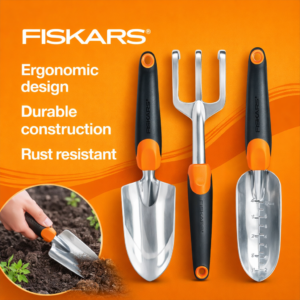
Buy Fiskars 3-in-1 Garden Tool Set – Best Choice for Garden Tool Set
$24.95 Buy product -
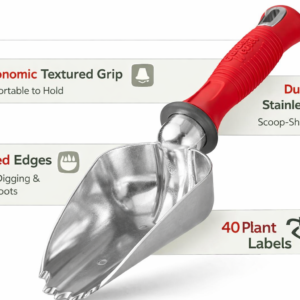
Buy Garden Weasel Potting Scoop – Heavy Duty Gardening Tool
$13.99 Buy product -
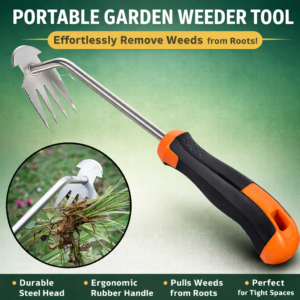
Buy Portable Garden Weeder Tool – Weed Remover Hand Tool
$19.99 Buy product -
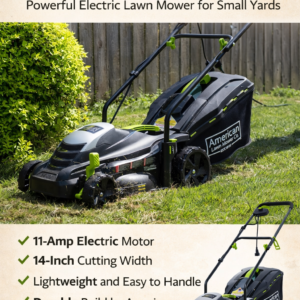
Buy American Lawn Mower – Best Corded Lawn Mower
$159.99 Buy product