$75.00
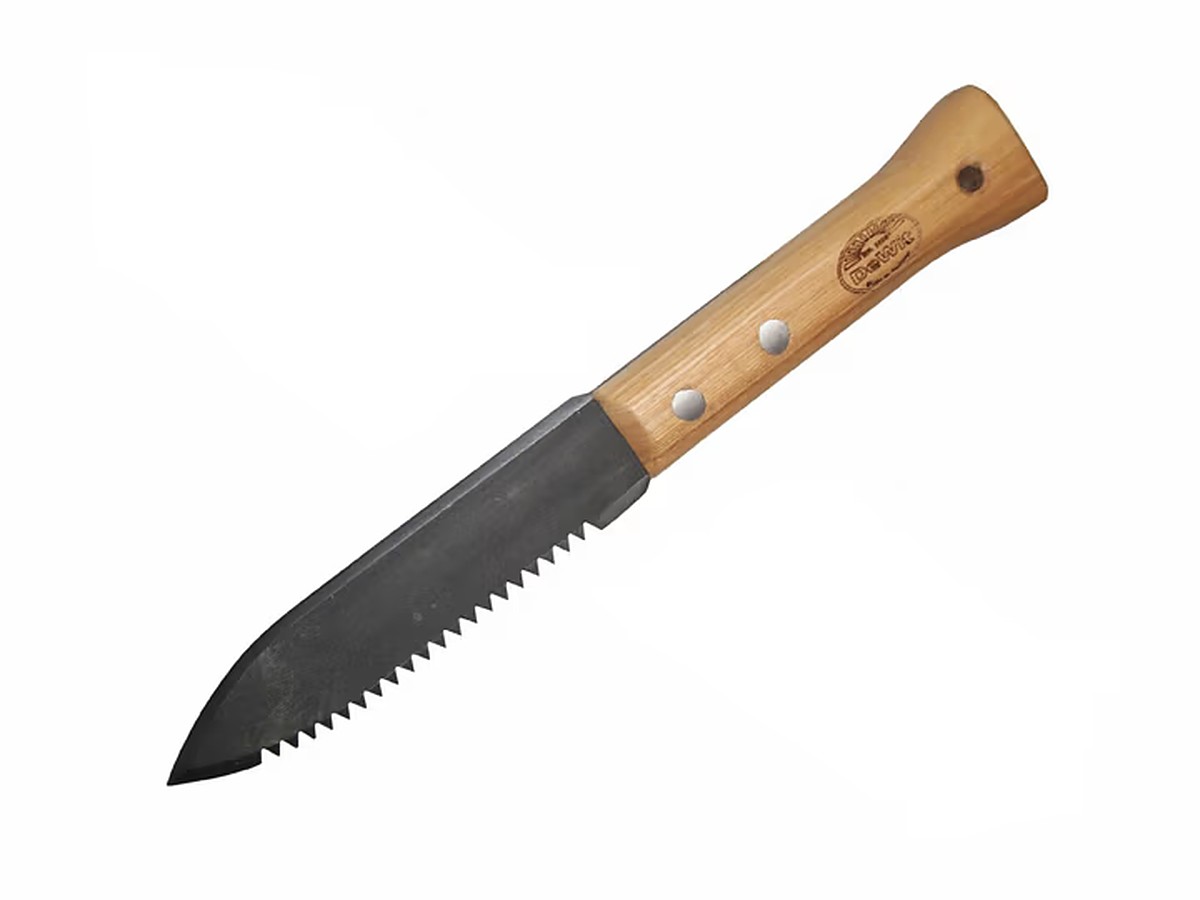
The dewit farmer dagger is a forged, serrated garden knife with an ash handle that digs, weeds, cuts roots and transplants with one long-lasting edge, so you can carry fewer tools and finish border work faster.
Description
The dewit farmer dagger is the kind of tool that quietly changes how a garden day feels. Instead of reaching for a trowel, then a weeder, then a knife for a stubborn root, you keep one forged blade in your hand and move from job to job without breaking your rhythm. It is made for the gardener who likes to work steadily, who values a tool that will still be useful in ten years, and who would rather buy once than replace a light tool again and again.
That appeal is not about novelty. A farmer dagger follows an old, practical pattern: a strong, pointed blade that can enter soil, a serrated edge that can saw through fibrous roots, and a straight edge that can slice cleanly. DeWit builds this pattern from forged boron steel, with an ash hardwood handle that feels warm and secure in the hand. The result is a garden knife that looks traditional because it is traditional, yet it still answers the everyday problems of modern beds, borders and containers.
For many gardeners, the real question is not whether a hori hori style knife is useful, but whether this particular one is worth its price. This page sets out what it is, what it does well, where its limits lie, and how to look after it, so you can decide with clear eyes. No hands-on testing is claimed here; the details below are drawn from published maker and retailer information and from the general design of this type of soil knife.
Key Features
- Forged boron steel blade for lasting edge retention in gritty soil
- Serrated edge for cutting through fibrous roots and tough stems
- Straight edge for clean slicing, trimming and opening work at soil level
- Pointed, dagger-style tip for digging planting holes and levering weeds
- Ash hardwood handle for a warm, natural and secure grip
- Traditional forged construction from a long-established Dutch maker
- Lifetime guarantee, as listed in the site roundup comparison
- A single tool for digging, weeding, transplanting and root cutting
Product Description
A hori hori is a Japanese soil knife, and the DeWit farmer dagger is a European forged version of that idea. Its blade is designed to do several jobs at once. The point opens a hole for a seedling or a bulb. The concave or flat face of the blade moves soil aside. The serration bites into roots that would slip under a smooth edge. The straight edge cuts twine, trims a root ball and slices through a stem cleanly, rather than crushing it.
Boron steel is the heart of the design. Compared with soft stainless steel, forged boron steel can hold a working edge for longer in soil that contains sand, grit and small stones. That matters because a soil knife is not used on a clean bench; it is pushed into earth, scraped along stones and wiped on a sleeve. A blade that dulls quickly soon becomes a blunt lever, and blunt work is tiring work. A sharper, longer-lasting edge means fewer passes, less strain and cleaner cuts for the plant.
The ash handle completes the balance. Ash is a traditional handle wood because it is strong, light for its strength and comfortable to hold for a long session. It also ages well if it is kept clean and dry. Unlike a moulded plastic grip, it can be lightly sanded and oiled when it starts to feel dry, which helps a well-made tool stay pleasant to use year after year. The handle shape is simple and practical, without finger grooves that force one grip, so you can change your hold for digging, for fine weeding and for cutting.
It is important to be honest about the trade-off. Forged boron and carbon-style steels are not stainless. If the blade is left wet, muddy or stored in a damp shed, it can mark and rust. That is not a fault; it is the nature of the steel that gives the edge its character. Gardeners who are happy to knock soil off, dry the blade and store it indoors will find this an easy habit. Gardeners who want a tool that can be left outside in all weathers may prefer a stainless model instead.
Benefits of Using This Product
The main benefit is fewer tool changes. Planting, weeding, dividing and root cutting can often be done with this one knife, which keeps your hands free and your work moving. In a small garden or an allotment, where you may walk some distance to a bed, carrying one versatile tool instead of three or four is a genuine advantage.
A second benefit is control. A soil knife lets you work close to a plant without disturbing the whole bed. You can lift a weed by its crown, cut a root cleanly, open a narrow planting hole and firm soil around a seedling, all with small, precise movements. That precision helps young plants establish, because their roots are not torn by a broad fork or a heavy spade.
A third benefit is durability over time. A forged blade and a hardwood handle are repairable in a way that a cheap, moulded tool is not. The edge can be sharpened, the handle can be oiled, and the tool can be kept in service for many seasons. For a gardener who gardens every week, that long life is often better value than a low price paid twice.
Finally, there is the pleasure of using a well-made tool. A balanced knife that cuts cleanly makes ordinary jobs feel less like chores. Weeding a border, potting on seedlings or dividing a perennial becomes quicker, and the work itself becomes more satisfying. That may sound like a small thing, but it is often what keeps a gardener coming back to the garden.
Specifications
- Brand: DeWit
- Product: Serrated Farmer Dagger
- Model code shown in the roundup image file name: 31-3031
- Blade material: Forged boron steel
- Handle material: Ash hardwood
- Edge: Serrated edge with a straight cutting edge
- Blade length: Not published
- Total length: Not published
- Weight: Not published
- Tang construction: Not published
- Sheath: Not published
- Warranty: Lifetime guarantee, as listed in the roundup comparison
- ASIN: B00YFT91M0
Where a specification is listed as Not published, it means the maker or retailer listings checked at the time of writing did not publish that figure. It has not been estimated or guessed.
How to Use
Start with clean, dry soil work in mind. For planting, push the point into worked soil and move the blade in a small circle to open a hole, then set the plant at the right depth and firm the soil with the flat of the blade. For weeding, push the blade down beside the weed, lever gently from below the crown and lift the whole root, rather than snapping the top off.
For roots, use the serrated edge with short, controlled strokes, keeping your free hand well clear of the blade. For stems and twine at soil level, use the straight edge with a slicing motion. Avoid using the knife as a heavy pry bar on large stones or as a hammer, because even a forged blade can be damaged by misuse. After use, knock off soil, wash if needed, dry fully and store it indoors in a dry place.
Sharpening is straightforward. Use a whetstone or a sharpening rod for the straight edge, following the existing bevel, and a narrow diamond rod for the serrations, working each serration lightly. A few careful passes are better than aggressive grinding. Oil the ash handle occasionally with a suitable wood oil, and check that the handle remains tight and smooth.
Why Choose DeWit Farmer Dagger?
Choose this knife if you want a forged, heirloom-style soil knife rather than a disposable garden tool. Its boron steel edge, ash handle and traditional Dutch making give it a character that stainless, mass-produced knives do not have. It suits experienced gardeners who sharpen their own tools, who garden in gritty or root-filled soil, and who value edge retention above low maintenance.
It may not be the best choice if you want a stainless blade that can be left wet, a very light knife for delicate container work, or a complete kit with a sheath and sharpener included. In those cases, a stainless hori hori with a published sheath may suit you better. The honest comparison is this: the DeWit farmer dagger asks a little more care in return for a longer-lasting edge and a tool that feels made to last.
For a gardener building a small collection of trusted hand tools, this is a strong candidate for the one knife that does most soil work. It is not a specialist for every job, and it does not replace secateurs for live stems or a spade for large digging, but for the daily work of planting, weeding and dividing, it earns its place in the hand.
Frequently Asked Questions
What is the dewit farmer dagger used for?
It is used for digging planting holes, transplanting seedlings, weeding, dividing perennials and cutting roots and stems at soil level. Its pointed tip, serrated edge and straight edge allow several common garden jobs to be done with one tool.
Is the blade stainless steel?
No. The blade is forged boron steel, not stainless steel. It holds an edge well in gritty soil, but it should be cleaned and dried after use to reduce the risk of rust, unlike a stainless blade.
What is the blade length?
The blade length is Not published in the maker and retailer listings checked for this page. No figure has been estimated here, so check the current retailer listing before buying if an exact length is important to you.
Can a hori hori replace a trowel?
For most planting, transplanting and bulb work, yes. The blade scoops and moves soil like a narrow trowel, while also cutting roots and weeds. A trowel may still be easier for moving large volumes of compost or loose soil quickly.
How do you care for the ash handle and the blade?
Knock off soil after each session, wash if needed, dry the blade fully and store it indoors. Sharpen the straight edge with a whetstone or rod and the serrations with a narrow diamond rod. Oil the ash handle occasionally to keep it smooth and comfortable.
Final Thoughts
The dewit farmer dagger is best understood as a long-term garden companion, not a quick purchase. It rewards the gardener who looks after it with a sharp, dependable edge and a handle that feels better with use. If you garden regularly, enjoy forged tools and are willing to dry and store a carbon-style blade properly, it is a satisfying and practical choice at its price.
If you prefer a tool that needs almost no care, look at a stainless alternative instead, and you will still get good work done. But if heirloom build, edge retention and a single versatile soil knife matter most to you, this DeWit model deserves a place at the top of your shortlist.
For a wider comparison before you decide, see our guide Best Hori Hori Knife: 10 Top Picks for 2026, which compares this style of knife with nine other models for digging, weeding and planting.
Related products
-
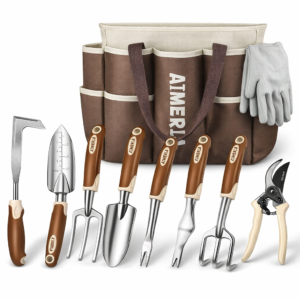
Buy Aimerla 9-Piece Gardening Tools – Best for Garden Care
$37.99 Buy product -

Buy Garden Thatch Rake – 15” Heavy Duty Lawn Dethatcher
$24.99 Buy product -

Buy RHINO USA Folding Survival Shovel – Best for Gardening
$28.90 Buy product -

Buy Scotts EdgeGuard Mini Spreader – Easy Lawn Seed & Fertilizer Spreading
$44.98 Buy product