$360.00
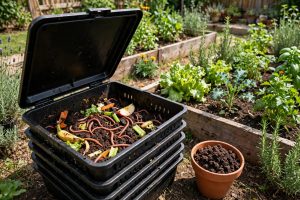
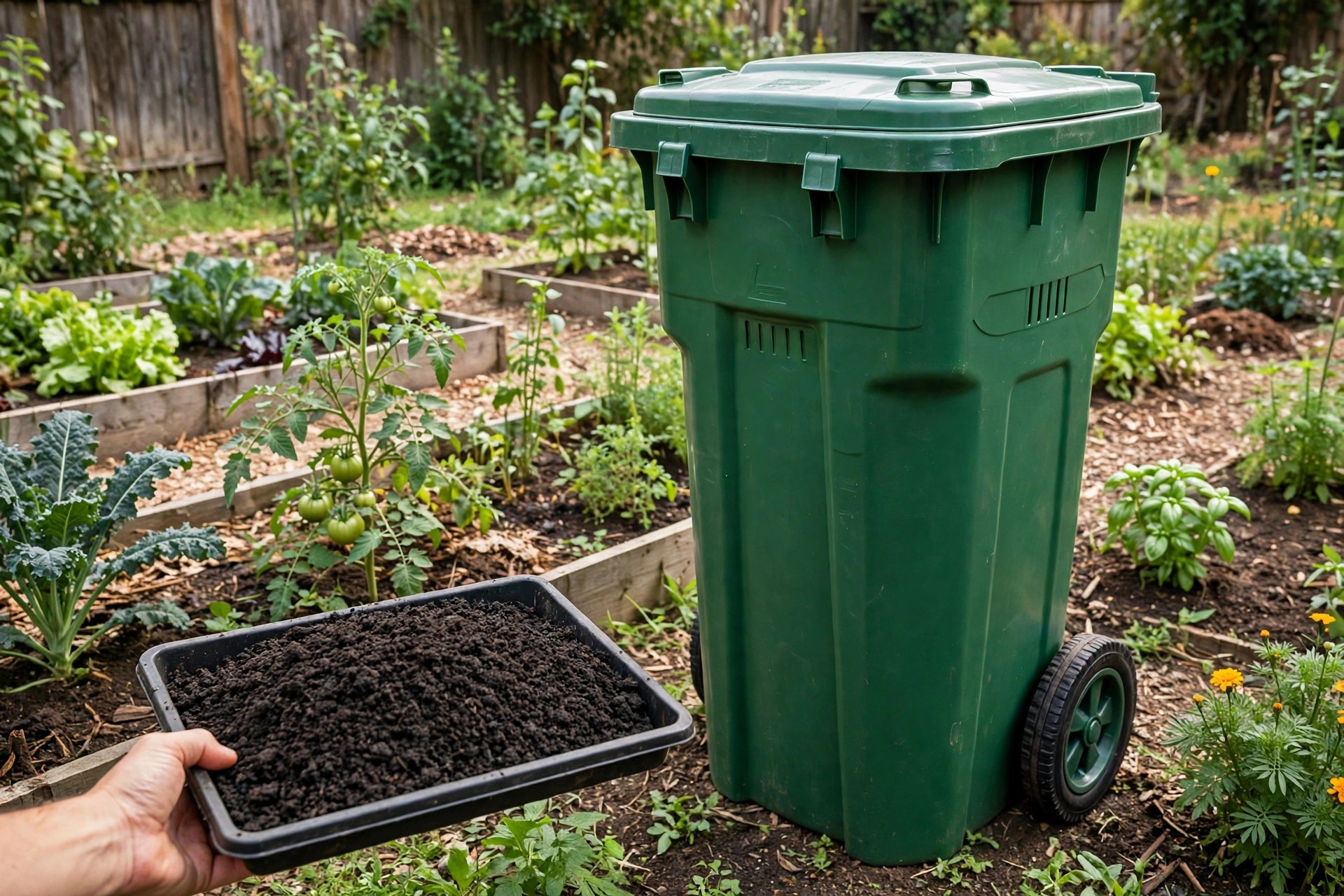
The Hungry Bin worm composter turns up to 4.4 lbs of kitchen scraps a day into rich worm castings — no lifting trays, no turning. Its 80-litre, New Zealand-designed body sits on wheels for easy moving, and finished castings drop into collectors at the bottom. Rated 9.3 in our worm-composter roundup.
Description
If your kitchen produces a steady stream of vegetable peelings, coffee grounds and fruit scraps, the hungry bin worm composter turns that daily waste into something your garden will love: dark, crumbly worm castings. This New Zealand-designed, continuous-flow composter is built for households that compost every day rather than once in a while, processing up to 4.4 lbs of scraps a day once its worm population is established. Instead of lifting heavy trays or turning a pile, you add food at the top and harvest finished castings from the bottom. The 80-litre (20-gallon) body sits on wheels, so you can move it into the shade, under cover or closer to the kitchen door as the seasons change. It earned a 9.3 rating in our roundup. This page explains how it works, what it holds and who it suits best.
Key Features
Continuous-Flow Design
The hungry bin worm composter works as a continuous-flow system. You add fresh scraps and bedding at the top, the worms work their way through the material, and finished castings fall into the collectors below. Because the flow never stops, you do not need to empty the whole bin or start a new batch to keep composting. For a household that cooks most days, that steady, no-reset rhythm is the feature that matters most.
Large 80-Litre Capacity
With an 80-litre (20-gallon) capacity, this is a large composter, not a countertop box. At full capacity it can hold up to about 6.5 lbs of worms, and a mature worm population can process up to 4.4 lbs of scraps per day. That scale suits families, keen gardeners and anyone with a vegetable garden to feed, rather than a single person with an occasional banana peel.
Wheels for Easy Moving
Wheels are a small detail that make a big difference on a bin this size. You can roll the hungry bin worm composter into a sheltered spot in hot or cold weather, move it closer to the back door while you are cooking, or shift it out of the way when the garden needs the space. A 40-lb bin full of damp bedding is not something you want to lift and carry, so being able to wheel it is genuinely useful.
Food-Safe, BPA-Free Polypropylene Body
The body is made from food-safe, BPA-free polypropylene, the same kind of sturdy plastic used for food-contact containers. It is built to live outdoors or in a garage or shed, and the double-wall collectors at the base add strength where the finished castings collect. There is no timber to rot, no metal to rust and no tray stack to crack or warp.
Bottom Harvesting Without Lifting Trays
Harvesting is where this design earns its keep. Finished castings drop into the collectors at the bottom, and each collector holds about 4 litres, so you can remove ready compost without disturbing the worms working above. There are no trays to unstack, no digging through fresh scraps to find finished material, and no need to separate worms from castings by hand.
Designed for Daily, High-Volume Composting
This composter is made for daily use. Because it can take up to 4.4 lbs of scraps a day at full population, it keeps up with a household that cooks from scratch, including vegetable peelings, fruit, coffee grounds and other worm-friendly scraps. Feed it little and often, keep the bedding moist, and the system stays active instead of going quiet between occasional feeds.
Product Description
The Hungry Bin is a New Zealand-designed worm composter, sold in the United States by Eartheasy, and it takes a different approach from the tray-stack composters that dominate this category. Rather than asking worms to migrate upward through a stack of trays, it asks them to do what they do naturally: work through food from the top down, leaving finished castings behind them. The result is a large, upright bin that suits a garden, patio, garage or shed, and that keeps working for as long as you keep feeding it.
At 24 x 26 x 37 inches, it is taller than a typical tray composter and needs a dedicated corner rather than a shelf. That height is part of the design: the column of bedding gives worms room to work, while gravity pulls finished castings down into the collectors. The body weighs about 40 lb before you add bedding, worms and food, so choose its home with the wheels in mind and move it before, not after, you fill it.
The hungry bin worm composter is best thought of as a long-term garden tool rather than a short-term experiment. Worms take time to settle in and build up to full processing capacity, so the first weeks are about bedding, moisture and steady, modest feeding. Once established, the bin becomes a quiet part of the kitchen routine: scraps in at the top, castings out at the bottom, and a steady supply of rich material for beds, pots and containers.
Benefits
Used steadily, the hungry bin worm composter gives you:
- Rich worm castings: dark, crumbly compost for garden beds, pots and containers, harvested from the bottom without disturbing the worms.
- Less kitchen waste: up to 4.4 lbs of scraps a day diverted from the rubbish once the worm population is established.
- No tray lifting: no stack to unstack and no turning, so harvesting stays quick and clean.
- Easy moving: wheels let you reposition the bin for shade, shelter or convenience.
- Large capacity: 80 litres / 20 gallons suits families and serious gardeners, not just occasional composters.
- Simple daily routine: add scraps at the top, check moisture, and collect castings when the collectors fill.
Specifications
| Brand | Hungry Bin |
| Model | TBH0001-FBA |
| Part number | HBDOMX |
| ASIN | B01CRJGUOG |
| Capacity | 80 L (20 gallons) |
| Material | Food-safe, BPA-free polypropylene |
| Dimensions | 24 x 26 x 37 inches |
| Weight | About 40 lb |
| Worm capacity | Up to about 6.5 lb of worms at full capacity |
| Processing rate | Up to 4.4 lbs of scraps per day at full worm population |
| Design | Continuous-flow, New Zealand-designed |
| Mobility | On wheels |
| Harvesting | Bottom collectors, about 4 litres of castings per collector |
| Rating | 9.3/10 in our worm-composter roundup |
| Price | $360 |
| Warranty | Not published in the roundup; check the Amazon listing before ordering |
How to Use
- Choose a sheltered spot out of harsh sun and heavy rain, where you can reach the bin daily, and wheel the hungry bin worm composter into place before filling it.
- Add moist bedding, such as shredded cardboard or coconut coir, damp like a wrung-out sponge.
- Add your worms and a small amount of food, then give them a few days to settle in before feeding more.
- Feed little and often, burying scraps under the bedding. Do not overfeed while the worm population is still building up.
- Keep the bedding moist but not soggy. If it gets too wet, add dry shredded cardboard.
- Leave finished castings to fall into the collectors at the bottom, and remove a collector when it fills with about 4 litres of castings.
- Use the castings in garden beds, pots and containers, mixing them into soil or using them as a top dressing.
Why Choose the Hungry Bin Worm Composter?
Choose the hungry bin worm composter if you compost every day. Its 80-litre capacity and 4.4-lb daily processing rate are made for a household with a steady stream of scraps, not for occasional use. If you cook most days and want that waste turned into something useful, this bin keeps up.
Choose it if you want harvesting to be easy. The continuous-flow design and bottom collectors mean you collect finished castings without unstacking trays, turning a pile or picking worms out of compost by hand. That ease is the main reason it earned a 9.3 rating in our roundup.
Choose it if you have space for a large bin. At 24 x 26 x 37 inches, the hungry bin worm composter needs a dedicated corner in a garden, patio, garage or shed. The wheels help you position it, but it is not a countertop or small-flat composter, and it should be bought with that footprint in mind.
Choose it if you want a long-term system. A worm bin works best when it is fed steadily for months and years, and this one is built for exactly that: a sturdy polypropylene body, no trays to wear out, and a design that keeps working as long as you keep feeding it.
FAQ
How much food can the Hungry Bin process each day?
Up to 4.4 lbs of scraps per day at full worm population. A new bin processes much less at first, so feed modestly and build up gradually as the worm population grows.
Does the Hungry Bin smell?
A healthy worm bin smells earthy, not rotten. Bury food under the bedding, do not overfeed, and keep the bedding moist but not soggy. A bad smell usually means too much food or too much water, so stop feeding for a few days and add dry bedding.
Do I need to turn it or lift trays?
No. The hungry bin worm composter is a continuous-flow composter with no tray stack to lift and no pile to turn. You add food at the top, and finished castings drop into the collectors at the bottom for harvesting.
Where should I put the Hungry Bin?
In a sheltered spot you can reach daily, such as a patio, garden corner, garage or shed, out of harsh sun and heavy rain. Use the wheels to move it into shade or under cover as the weather changes.
Are worms included, and what is the warranty?
Worm inclusion and warranty coverage can vary by seller and listing, and the roundup did not publish warranty details for this model. Check the Amazon listing before ordering to confirm what is included and what warranty applies.
Final Thoughts
The hungry bin worm composter suits households that compost daily and want the work done for them. Its large 80-litre capacity, wheeled body and bottom-harvesting design remove the two jobs most people dislike in worm composting — lifting trays and separating worms from castings — and it earned a 9.3 rating in our roundup, one of the highest scores we gave.
At $360 it costs more than a basic tray composter, so it makes most sense for households that will actually use its capacity every day. If you have the space and a steady supply of scraps, it is a strong choice. If you only compost occasionally, or need something small for a flat, a smaller tray composter may suit you better.
To see how the Hungry Bin compares with the other nine composters we reviewed, read our guide Best Worm Composters for Home Use: 10 Picks That Turn Scraps Into Black Gold, where it earned a 9.3 rating.
Related products
-
Buy Gardease Lawn Leveling Rake – Best Lawn Leveler for Yard
$59.95 Buy product -
Buy Eden 98063 Adjustable Garden Sprinkler Irrigation Set
$50.66 Buy product -
Buy Grampa’s Metal Weeder – Stand Up Weed Puller Tool
$38.24 Buy product -
Buy 3 Pcs Soil Sifter Set with Shovel – Stainless Steel Garden Sieve
$16.99 Buy product