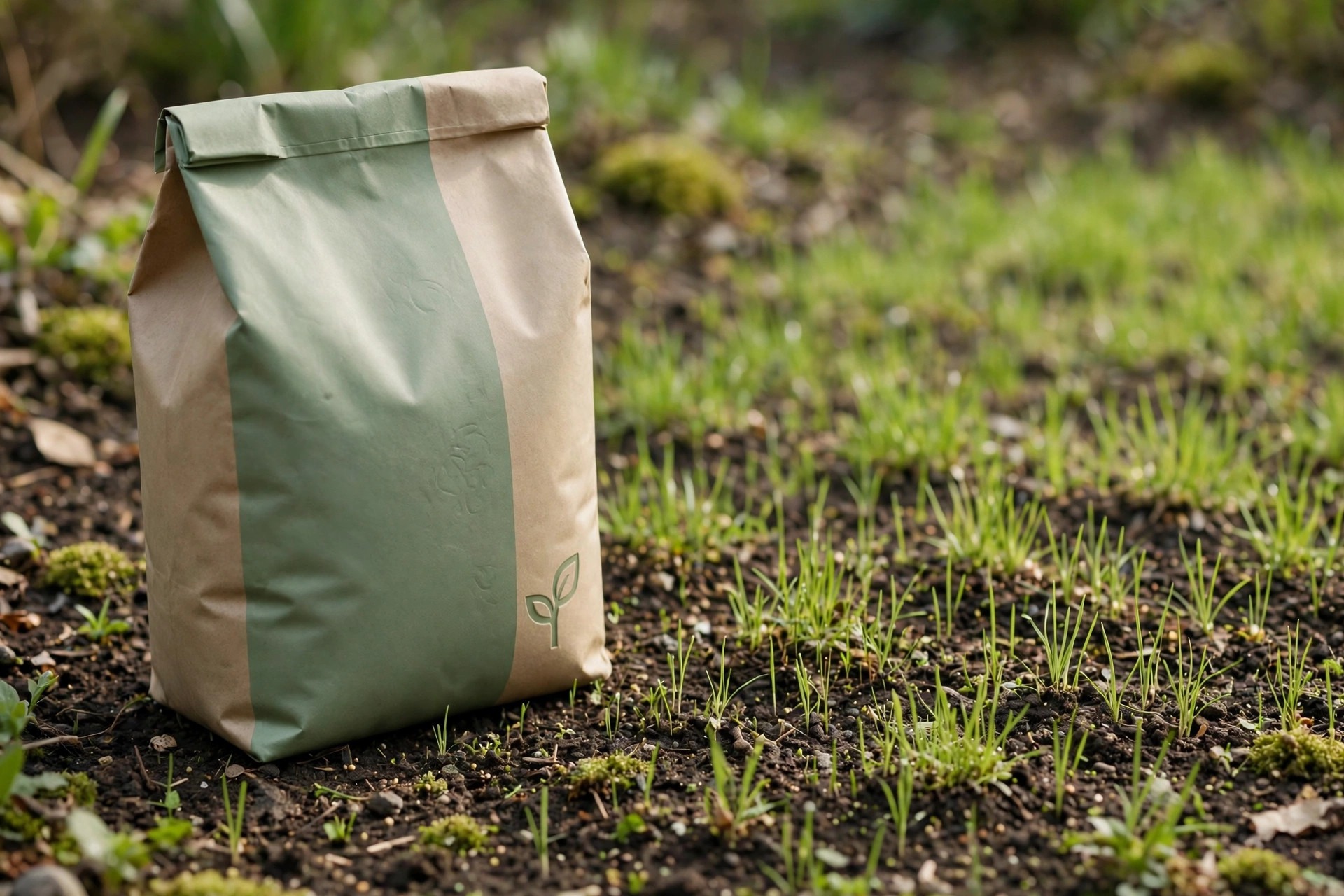
$28.47
Starter fertilizer with a 24-25-4 analysis made for seeding day. High phosphorus drives root development in new seed and sod; the 15 lb bag covers 5,000 sq ft.
Description
New grass has one job in its first weeks, building roots, and the nutrient that decides how well it does that job is phosphorus, the very thing standard lawn foods leave out. Scotts Turf Builder Starter Food for New Grass is a scotts starter fertilizer formulated for seeding day itself. Its 24-25-4 analysis delivers the high phosphorus young roots need alongside nitrogen for the growth above ground, and it is designed to go down the same day you seed or lay sod, right over the top.
The 15 lb bag covers 5,000 sq ft. Fed seedlings germinate faster and knit together thicker, which means fewer bare patches for weeds to colonize. It suits overseeding as well as bare ground, anywhere new grass has to establish quickly and thickly.
Key Features
High Phosphorus 24-25-4 Analysis
A scotts starter fertilizer exists because young grass needs something established lawns do not: phosphorus, and plenty of it. The middle number here is 25, and that phosphorus drives root development while the seedling is getting established. The 24 percent nitrogen still feeds the green growth above ground, and 4 percent potassium rounds out general health.
Designed to Go Down at Seeding Time
This is not a product you wait to apply. It is designed to be spread the same day you seed, right on top of the seed itself. That timing matters, because the roots that grow in the first weeks decide how thick the new lawn will be for years.
Faster Germination, Thicker Establishment
Fed seedlings establish faster and fill in thicker than unfed ones given the same seed and water. The practical result of using scotts starter fertilizer is fewer bare patches to reseed in the second month and a new lawn that knits together before weeds find the gaps.
Made for New Seed and New Sod
The formula suits both ways of starting a lawn: overseeding or seeding bare ground, and laying fresh sod that needs to root into the soil below. If grass is going down this season, this is the bag that goes down with it.
Product Description
Scotts Turf Builder Starter Food for New Grass is a single-purpose product, and it makes no apology for that. Standard lawn foods cut phosphorus to near zero because established turf rarely needs it. New grass is the opposite case, and this 15 lb bag, covering 5,000 sq ft, is built precisely for the seeding window.
Based on the manufacturer’s specifications and owner feedback, its value shows up in the first month: quicker germination, stronger early roots, and new lawns that thicken instead of straggling. Owners who skip scotts starter fertilizer and use a regular lawn food at seeding usually learn the difference the slow way, watching thin patches linger into the next season.
Benefits of Using This Product
The core benefit is establishment. Strong early roots pull water from deeper in the soil, so young grass survives its first dry spell instead of dying back to the dirt. Thick early growth also shades the soil, which keeps weed seeds from germinating in the open gaps of a new lawn.
There is a cost benefit too. Seed is the expensive part of a lawn renovation. A scotts starter fertilizer that lifts germination and fill-in rates means less reseeding, less patching, and a finished lawn weeks sooner than an unfed seeding would manage.
Specifications
| Type | Granular, synthetic starter fertilizer |
| Analysis (NPK) | 24-25-4 |
| Bag size | 15 lb |
| Coverage | 5,000 sq ft |
| Use timing | Apply the same day you seed or lay sod |
| Best for | New seed, overseeding, and new sod |
| Not intended for | Routine feeding of established lawns |
How to Use
- Prepare the seedbed first: rake, level, and spread your seed (or lay sod) as normal.
- Set your spreader to the setting printed on the bag and apply the starter food the same day, right over the seed.
- Rake seed areas very lightly if needed so seed and granules settle into contact with the soil.
- Keep the seedbed consistently moist through germination. Young roots dry out fast, and no fertilizer fixes dry seed.
- Once the new grass is established and has been mowed a few times, switch to a regular lawn food for routine seasonal feeding.
Why Choose Scotts Starter Food?
Because seeding is the one moment when phosphorus decides the outcome. A general lawn food at seeding time gives new grass nitrogen it can barely use and withholds the nutrient its roots are desperate for. This scotts starter fertilizer reverses that balance, from a brand whose spreader settings are printed for nearly every common spreader model, which makes correct application easy on the day it counts.
Frequently Asked Questions
When exactly do I apply starter food?
The same day you seed. It is designed to go down right on top of the seed, before or immediately after spreading, so the phosphorus is in place when the first roots emerge. The same applies on the day you lay new sod.
Can I use it on my established lawn?
It is not made for that. Established lawns rarely need phosphorus, and routine high-phosphorus feeding wastes money and can add to runoff. Use a standard lawn food for established turf and save starter food for seeding work.
Why does new grass need phosphorus?
Phosphorus drives root development. A seedling with a small, shallow root system is building its foundation in its first weeks, and phosphorus is the nutrient that construction depends on. Established grass already has its root system built.
Will it help overseeding too?
Yes. Overseeding is seeding into an existing lawn, and the new seedlings face the same root-building job as seed on bare soil. Applying scotts starter fertilizer at overseeding time helps the new grass establish in the gaps.
Final Verdict
Scotts Starter Food is the right tool for exactly one job, and it does that job properly, based on its specifications and owner feedback: high-phosphorus feeding at seeding time for faster, thicker establishment. Best for: new seed, overseeding, and new sod. Skip if: your lawn is already established and you need routine seasonal feeding; a standard lawn food fits that job better.
Want to compare it with the other lawn fertilizers before you buy? Read our full guide: 10 Best Lawn Fertilizers for a Greener Yard (2026 Guide)
Related products
-
Buy Ironite 100519461 1-0-1 Mineral Supplement Fertilizer
$65.95 Buy on Amazon -
Quick Release Elemental Sulfur Soil Acidifier – Premium Fertilizer for Hydrangeas, Blueberries, Citrus, Roses & Evergreens (4 qts. / 8 lbs.)
$23.99 Buy product -
Buy Calcium Nitrate Fertilizer Liquid Supplement – Strong Roots, Healthy Growth, 8 oz
$11.99 Buy on Amazon -
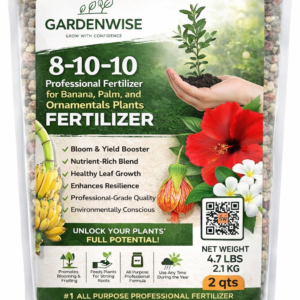
Buy Elite 8 10 10 Professional Fertilizer – For Banana, Flowering & Fruit Trees
$39.99 Buy product