$35.70
Manual core lawn aerator with two hollow tines and a 38-inch steel handle. Removes real soil plugs to relieve compaction and help water, air and nutrients reach grass roots.
Description
Compacted soil is the quiet reason many lawns thin out: water pools on the surface, roots stay shallow, and feed never reaches where it is needed. The Yard Butler Lawn Coring Aerator (ID-6C) is a manual core lawn aerator, and it fixes that in the direct way, with two hollow tines that cut out real plugs of soil instead of poking holes and squeezing the ground tighter.
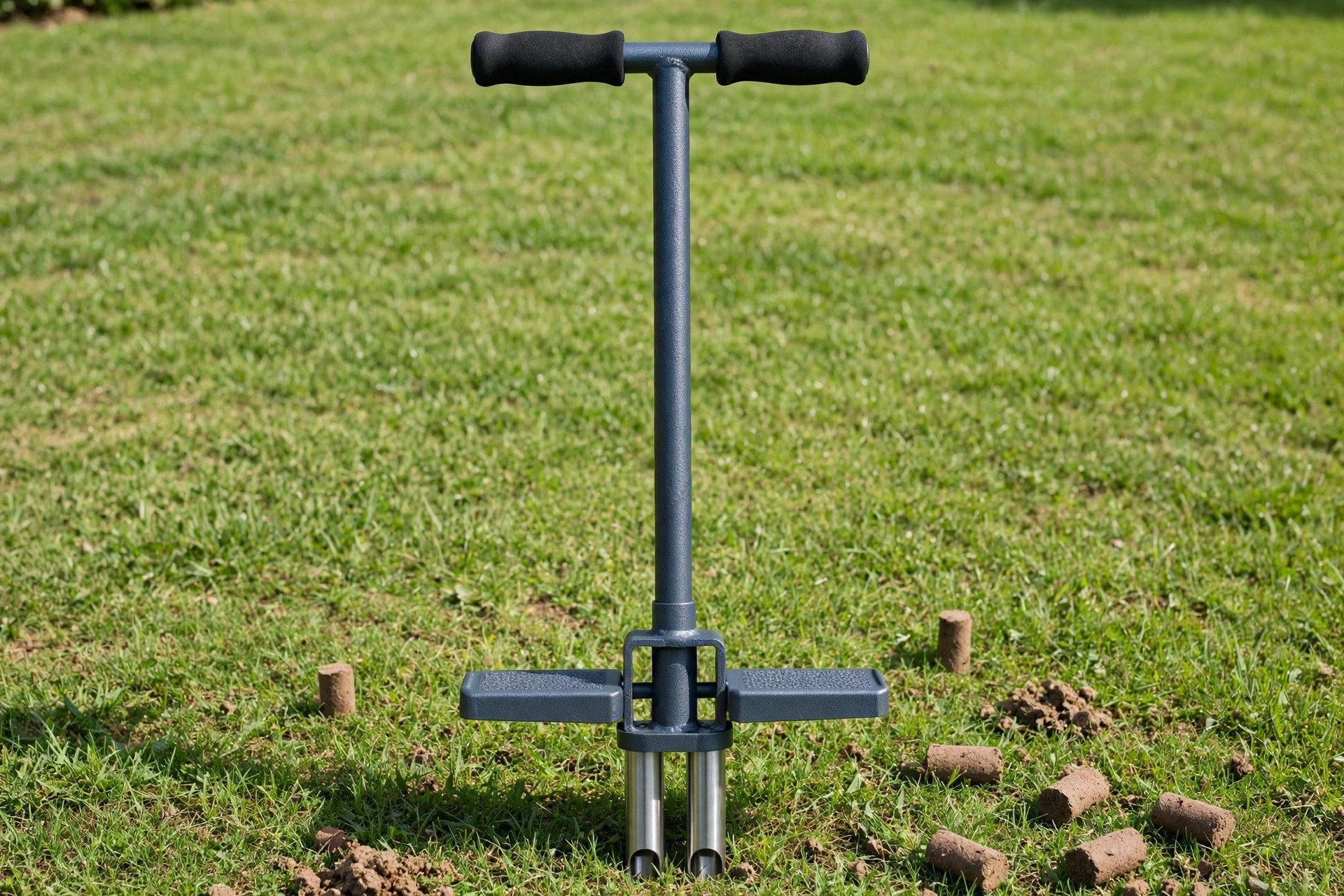
Its 38 inch powder-coated steel handle and step-on foot bar let your body weight do the work while you stand upright, and cushioned grips soften the jolt of hundreds of repetitions. Nothing needs charging or fuelling, and the all-steel build is made to be kept for decades rather than replaced. Based on manufacturer specifications and long-term owner feedback, it is the benchmark manual coring tool for small to medium lawns, especially on clay.
Key Features
Hollow Tines That Remove Real Plugs
The ID-6C is a true coring tool, not a spike tool. Its two hollow tines cut into the soil and lift out small cylinders, roughly half to three quarters of an inch wide, instead of pushing the soil sideways. That removed soil is the whole point of aeration. It leaves real, lasting space in the ground, and the surrounding soil slowly relaxes into it. That plug removal is the defining job of a manual core lawn aerator.
38 Inch Powder-Coated Steel Handle
The 38 inch handle lets you work standing upright, with no stooping and no kneeling. It is steel from top to bottom, powder-coated against rust, and owners who have used the tool for years report the same story: it shrugs off seasons of work that would bend or snap a cheaper handle.
Foot Bar Driven by Your Body Weight
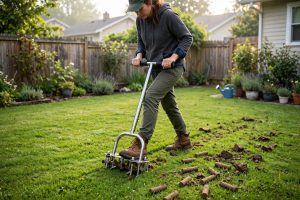
You do not push this tool into the ground with your arms. You step on the foot bar and let your body weight drive the tines to full depth, then step off and move a few inches. It is a calm, repeatable rhythm most people can keep up across a small or medium lawn.
Cushioned Grips and Easy Handling
Cushioned grips soften the small jolt each step sends back through the handle. The whole tool is light enough to carry around the yard one-handed. Aeration means hundreds of moves, and a tool that is easy to reposition gets used properly instead of being left in the shed.
Product Description
The Yard Butler Lawn Coring Aerator (ID-6C) is the tool this category is measured against, and it has earned that spot the slow way: decades of sales and thousands of owner reviews. The design could not be simpler. A 38 inch powder-coated steel handle, two hollow coring tines about 3.5 inches long, a foot bar at the bottom and cushioned grips up top. You step on the bar, let your body weight drive the tines, step off, and move a few inches. The plugs eject as you go. It is a straightforward manual core lawn aerator with no motor, fuel or charging to worry about.
This description rests on the manufacturer’s specifications and long-term owner feedback. The picture that emerges is consistent: a plain, overbuilt hand tool that does one job, removing soil plugs, and does it reliably year after year. Nothing needs charging, and nothing wears out except the tines over many seasons.
Benefits of Using This Product
Because the ID-6C removes soil instead of displacing it, the benefits go deeper than a surface refresh. Grass roots grow down into the loosened channels and reach water that shallow roots never find, which is what carries a lawn through a dry spell. Rain soaks in instead of pooling or running off to the driveway. Fertilizer and lime drop into the open holes and arrive at the root zone instead of sitting on top of the thatch.
The plugs left on the surface pay their own way too. They carry soil microbes that digest the thatch layer as the plugs crumble back in over a week or so. If you overseed straight after aerating, seed falls into the holes and gets the soil contact that germination demands. It is a quiet extra benefit that a good manual core lawn aerator brings with every plug.
Specifications
| Type | Manual core (plug) aerator, step-on |
| Tines | 2 hollow coring tines |
| Tine length | About 3.5 inches |
| Handle | 38 inch powder-coated steel |
| Grips | Cushioned |
| Construction | All steel with foot bar |
| Best for | Small to medium lawns, clay and compacted soil |
How to Use
- Water the lawn deeply the day before. Aim for soil like a wrung-out sponge: moist enough for tines to slide in and plugs to pop out, never muddy.
- Mow a little shorter than usual and rake up debris so the tines meet soil, not mat.
- Step on the foot bar and drive the tines to full depth, rock the tool slightly, pull it out, and move on about 3 to 4 inches.
- Work the worst areas first, such as paths and gate areas, aiming for 12 to 20 holes per square foot in tired spots. One pass is enough for healthy sections.
- Leave the plugs where they fall. Overseed and feed straight after if you plan to, then water lightly for the first week if rain stays away.
Why Choose the Yard Butler ID-6C?
Most manual aerators ask you to trade something away: price, build quality, or tine design. The ID-6C is the reference point because it trades away the least. As a manual core lawn aerator, it keeps the work simple and fully under your control. The tines are hollow, the build is all steel, and the long handle keeps your back out of the job. Owner feedback stretching back years points to durability as the deciding factor. People buy this tool once and keep it; budget tools with thin welds tend to die on their first patch of hard clay. If you want one coring tool that will still be working in ten years, this is the safest place to start.
Frequently Asked Questions
Does the Yard Butler remove real plugs or just poke holes?
It removes real plugs. The tines are hollow, so each step cuts out a small cylinder of soil and ejects it onto the surface. That is the difference between coring and spiking, and why coring relieves compaction instead of squeezing soil tighter around each hole.
How deep do the plugs go?
The tines are about 3.5 inches long, and on moist soil they penetrate close to full depth. On dry, hard ground the tines will bounce and the holes stay shallow no matter how hard you step.
Is it suitable for heavy clay soil?
Yes, clay is exactly where a coring tool earns its keep, with one caution. In sticky, wet clay the tines can clog, so keep a screwdriver handy to poke them clear and work when the soil is damp rather than soaked.
How big a lawn can one person handle with it?
Two tines make for steady rather than fast work. A small to medium lawn is a comfortable session. Past about a quarter acre, most people either split the job over two days or step up to a four tine tool. That steady pace is normal for a manual core lawn aerator, and the results are worth it.
Final Verdict
The Yard Butler ID-6C is the manual core lawn aerator we would point to first for most homes, based on its specifications and the weight of owner feedback. It is simple, honest and built to outlast the person who buys it. Best for: small to medium lawns with real compaction, especially clay. Skip if: you have over half an acre to cover every year, where two tines will test your patience.
Want to compare it with the other manual aerators before you buy? Read our full guide: Best Manual Lawn Aerator: 10 Top Picks for 2026
Related products
-
Buy Grampa’s Metal Weeder – Stand Up Weed Puller Tool
$38.24 Buy product -
Buy Aimerla 9-Piece Gardening Tools – Best for Garden Care
$37.99 Buy product -
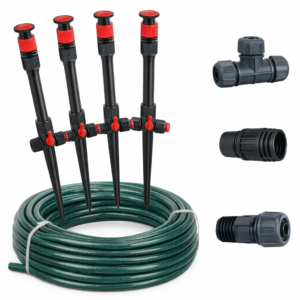
Buy Eden 98063 Adjustable Garden Sprinkler Irrigation Set
$50.66 Buy product -

Buy Scotts EdgeGuard Mini Spreader – Easy Lawn Seed & Fertilizer Spreading
$44.98 Buy product