$22.34
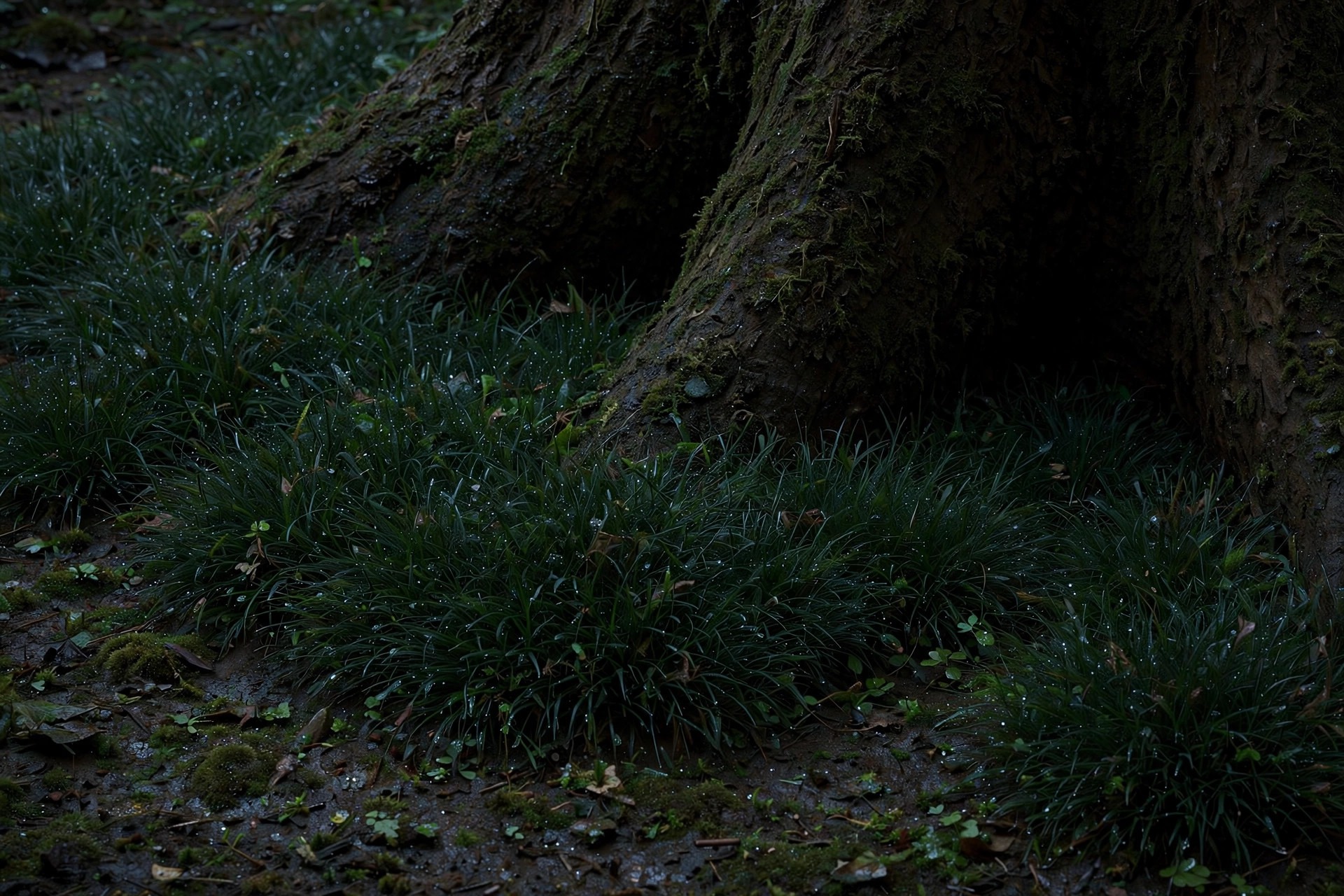
Jonathan Green Black Beauty Shady Nooks is made for the darkest usable corner of the garden, right up to the trunk of a mature tree. Rated for up to 90 percent shade with as little as 3 hours of sun, it gives thin, shaded ground a realistic chance to hold a lawn. Its blend of tall fescue, fine fescue and perennial ryegrass germinates in 10 to 14 days.
Description
Jonathan Green Black Beauty Shady Nooks is the answer for a patch of garden that most seed mixes simply leave thin. Every garden has a corner like this. It sits under a mature tree, it catches only a short spell of sun, and the grass there thins a little more each year. This mix is made for that corner, right up to the trunk, and it is described by its maker as its most shade tolerant mixture. If your hardest area is deep shade rather than light dappled shade, this is the place to start.
The point is not to promise a perfect lawn in darkness. No seed can do that. The point is to match the seed to the light you actually have. When the light, the soil and the feeding are understood, a shaded area can hold a useful, green cover instead of bare soil. That honest starting point is what makes this product worth a closer look.
Key Features
- Best for the darkest usable corner of the garden, right up to the trunk of a mature tree.
- Rated for up to 90 percent shade, with as little as 3 hours of sun.
- Suitable for damp or dry soil under mature trees.
- Blend of tall fescue, fine fescue and perennial ryegrass, with no bluegrass.
- Germination listed at 10 to 14 days, with a planting depth of a quarter inch.
- Roundup rating of 9.4, the highest score in the shade guide.
- Coverage: check bag by weight, as the roundup does not publish a single per bag figure.
Shade Performance
Shade performance is where Jonathan Green Black Beauty Shady Nooks earns its place. Jonathan Green rates it for up to 90 percent deep shade, and the roundup notes that this is a harder brief than any other mix on its list attempts. In practical terms, that means an area with around 3 hours of sun can still be a candidate for seeding, provided the other basics are right. The roundup describes it as the strongest specification for deep shade under mature trees, and as its first choice for that specific job.
That distinction matters. Many mixes are sold for shade in general, but they are really made for partial shade that opens into sun. Jonathan Green Black Beauty Shady Nooks is aimed at the deepest shade that can still support grass. It is also noted for damp or dry soil under mature trees, which covers the two conditions most gardeners meet under a canopy: soil that stays cool and damp, and soil that is dried out by tree roots. If your shaded area gets much more sun than this, a less specialised mix may be simpler, but for the darkest corner, the specification here is the relevant one.
There is still a limit to respect. The roundup guidance is clear that below about 2 to 3 hours of usable light, no lawn grass holds long term density, and ground cover is the better answer. So measure your light before you buy. A rough count of direct sun hours across the day will tell you whether this mix is in its intended range or whether you are asking too much of any grass seed.
What Is in the Mix
The blend in Jonathan Green Black Beauty Shady Nooks is tall fescues, perennial ryegrass and fine fescues. That combination is deliberate. Tall fescue brings toughness and a deeper rooting habit, fine fescue is well suited to shade and to a finer lawn texture, and perennial ryegrass helps the mix establish and fill in. The roundup makes a point of what is not in the blend: there is no bluegrass to thin out in the dark. That detail helps explain why the mix is positioned for deep shade rather than for a sunny lawn that happens to have a shady edge.
Think of the blend as a team rather than a single grass doing all the work. One part helps with establishment, another helps with shade tolerance, and another helps the lawn keep its density once it is up. Germination is listed at 10 to 14 days, so patience matters in the first two weeks. The first shoots do not mean the lawn is finished. The slower parts of the blend need time to come through and thicken the cover.
Coverage
Coverage is the one figure to check carefully before you order. The roundup gives the coverage note as check bag by weight, and it does not publish a single square foot figure for this product in the comparison table. That is not a gap to fill with a guess. Bag sizes vary, and the correct rate depends on the weight you buy and whether you are seeding a new area or overseeding an existing lawn.
Before you buy, read the bag or the listing for the weight you intend to order, and work out how many bags your area needs from that figure. If the listing does not state it clearly, check the listing again rather than assuming a figure from another product. This keeps the purchase honest and avoids ordering too little for a new lawn or too much for a light overseed.
Sowing in Shade
Sowing a shaded area well starts before the seed goes down. Clear debris and dead grass, loosen the surface so the seed can make good soil contact, and spread at the bag rate. The roundup gives a planting depth of a quarter inch for Jonathan Green Black Beauty Shady Nooks, so seed should not be buried deep. Seed that sits too deep struggles to emerge, while seed left fully exposed can dry out or be moved by rain.
Keep the seedbed moist, not soaked, while germination is under way. Shaded soil dries more slowly than sunny soil, so light, regular watering is usually better than heavy soaking. The aim is steady moisture around the seed for the full germination window of 10 to 14 days, not just for the first few days. If you can, improve the light a little first by pruning low limbs where it is safe to do so, because even one extra hour of sun can help a shaded lawn.
Care in Shade
Care in shade is different from care in sun, and this is the honest limit the roundup sets out. Shaded lawns photosynthesise less, so they need less fertiliser and they respond badly to heavy nitrogen. If your habit is to feed a shady patch hard to push it, the roundup warns that Jonathan Green Black Beauty Shady Nooks will punish that habit, not reward it. Feed lightly, and let the lower growth rate guide you.
Other shade care habits help too. Mow a little higher in shade than you would in sun, because a taller leaf helps the plant make the most of limited light. Water at the roots in the morning where you can, and clear fallen leaves promptly, because a leaf mat can smother thin shade grass quickly. Even with good care, a shaded lawn under a growing canopy may thin slowly over time, so a light top up in autumn is a sensible part of keeping the area covered rather than a sign of failure.
Rating and Honest Limits
In the roundup, Jonathan Green Black Beauty Shady Nooks scores 9.4 overall. The breakdown is shade tolerance 2.9 of 3.0, establishment 1.9 of 2.0, durability 1.8 of 2.0, drought and low input 1.4 of 1.5, and value and clarity 1.4 of 1.5. Those scores are editorial scores built from the published specification, not a claim of hands on testing, and they explain why the product sits at the top of the shade list for its specific job.
The limits are just as important as the strengths. It needs at least around 3 hours of sun, it needs less fertiliser than a sunny lawn, and its coverage must be checked by bag weight. It is not a cure for a completely dark area, it is not a reason to overfeed, and it is not a substitute for soil contact and steady moisture at sowing time. Buy it for the job it is made for, and it makes sense. Buy it for a job it is not made for, and it will disappoint, as any seed would.
For the wider comparison, including the other shade mixes, the scoring system and the full guide to seeding and caring for a shaded area, see the roundup guide 10 Best Grass Seed for Shade. That guide puts this product in context, so you can check whether deepest shade is really your problem, or whether a mix for dense shade that opens into partial sun would suit your garden better.
Related products
-

Buy Growtrax Grass Seed Mat 50 Sq Ft – Just Roll Water & Grow Lawn Solution
$24.97 Buy product -
Buy Scotts Turf Builder Thick’R Lawn Sun and Shade 12 lb – Premium Lawn Thickening Seed Mix for Thin, Patchy Lawns
$23.99 Buy on Amazon -
Buy Jonathan Green Black Beauty Dense Shade – Dry Shade Blend
$107.05 Buy on Amazon -

Buy Kentucky Bluegrass Seed 7 lb – GreenView Covers 7,000 sq ft
$49.80 Buy product