$107.05
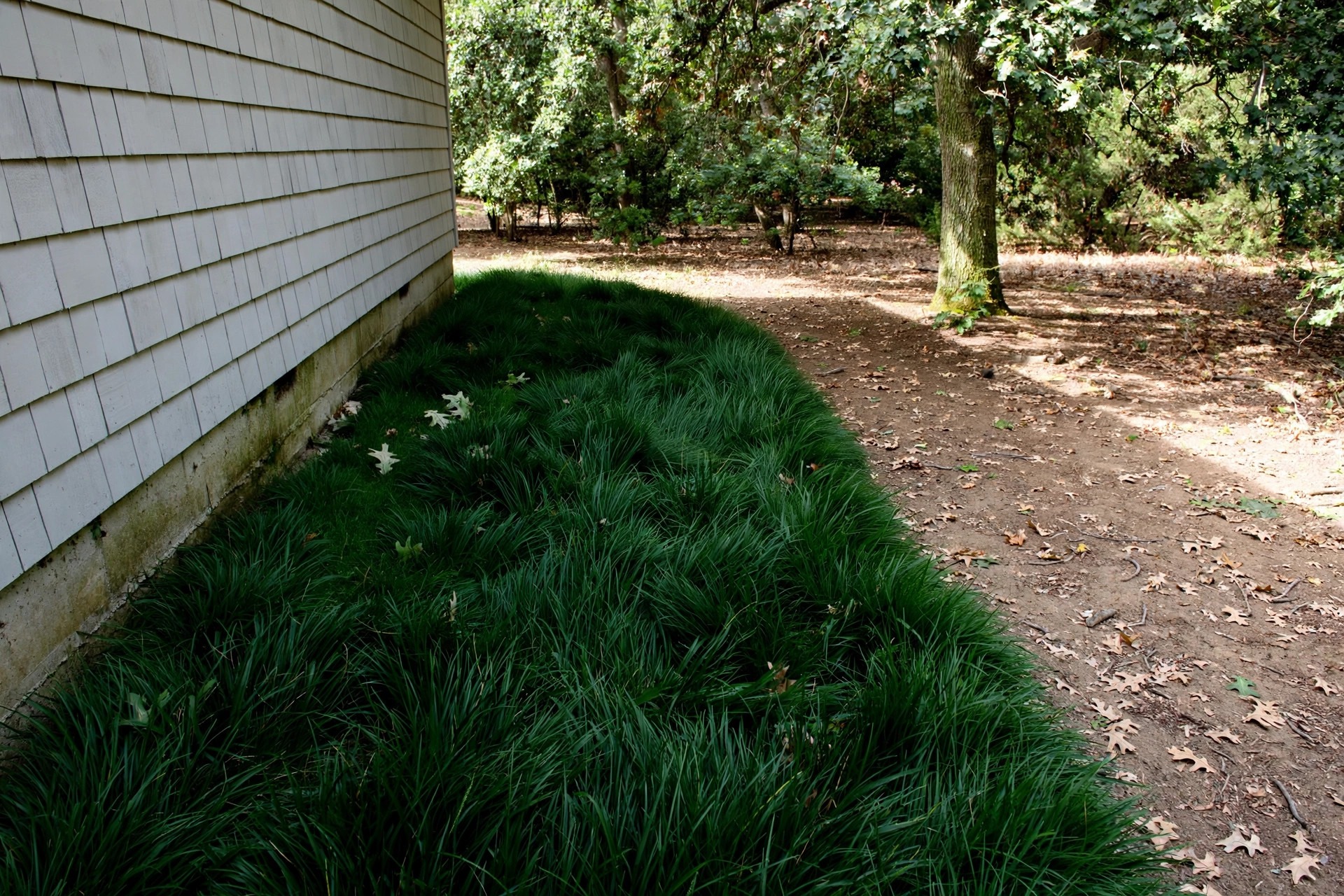
Jonathan Green Black Beauty Dense Shade is made for dry shade under trees that eases into partial sun. Rated for up to 70 percent shade with 4 or more hours of sun, its turf-type tall fescue base germinates in 14 to 21 days. The banked price is for the 25 lb bag.
Description
Many gardens have a strip that stays dry under trees, where ordinary seed thins out summer after summer. The soil is shaded, tree roots take much of the water, and a sunny mix that needs long hours of direct sun simply cannot hold density there. Jonathan Green Black Beauty Dense Shade is made for that in-between ground, dense shade that still opens into partial sun, rather than for total darkness.
It is rated for up to 70 percent shade with 4 or more hours of sun, and it is built primarily on a turf-type tall fescue base, which helps it blend across the light line instead of stopping at the edge of the shade. Germination takes 14 to 21 days, so it suits a gardener who can keep the seedbed moist for three full weeks. If your problem is dry shade under trees that eases into sun, this is the mix to consider first.
Key Features
- Rated for up to 70 percent shade, with 4 or more hours of sun.
- Turf-type tall fescue base, with fine fescues, perennial ryegrass and Kentucky bluegrass.
- Made for dry shade under trees, where roots compete for water.
- Blends across the light line from dense shade into partial sun.
- Per-pound coverage of up to 300 sq ft new lawn and 600 sq ft overseed.
- Germination in 14 to 21 days.
- Editorial roundup rating of 9.2.
- Banked price is for the 25 lb bag.
Product Description
Jonathan Green Black Beauty Dense Shade is the versatile sibling in the Black Beauty shade range. Where Shady Nooks is aimed at the darkest usable corner, this mix is aimed at the much more common problem of a shaded area that is not quite dark all day. It still needs real light, at least 4 hours of sun, but it can cope when much of the day is shade and when the soil under trees runs dry. That balance is why it suits the north side of a house, the edge of a tree canopy and a garden that moves from shade in the morning to sun later in the day.
The tall fescue base is the key to that versatility. Tall fescue brings a deeper rooting habit and a tougher leaf than fine fescue alone, so it stands up better to dry soil and to the competition from tree roots. Fine fescues add shade tolerance and a finer texture, perennial ryegrass helps the lawn establish and fill in, and Kentucky bluegrass adds density where light allows. Together they make a lawn that does not show a hard seam where shade ends and sun begins. The result is a practical, everyday lawn rather than a specialist show lawn.
Benefits of Using This Product
The main benefit is a lawn that stays covered where a sunny mix would fade. Because the blend is chosen for shade and for dry soil, it gives thin ground under trees a realistic chance to thicken, provided the light minimum is met. It also saves the gardener from seeding two different mixes and then living with a visible join. One mix across the whole shaded-to-sunny transition keeps the colour and texture more even, and it makes mowing and feeding simpler because the whole area can be treated as one lawn.
Coverage clarity is another benefit. The roundup publishes a clear per-pound figure, so you can work out how much seed you need before you buy. One pound covers up to 300 sq ft of new lawn or 600 sq ft of overseeding. The 7 lb bag therefore covers 2,100 sq ft new or 4,200 sq ft overseed.
Note that those 7 lb figures are given to explain the per-pound rate. The price on this page is for the 25 lb bag, so use the per-pound rate, not the 7 lb totals, to work out how many 25 lb bags your area needs. At the same rate, a 25 lb bag covers up to 7,500 sq ft new or 15,000 sq ft overseed, by simple multiplication of the published per-pound figures.
Specifications
- Product: Jonathan Green Black Beauty Dense Shade
- Bag size on this page: 25 lb bag
- Price on this page: $107.05 for the 25 lb bag
- Shade rating: up to 70 percent shade
- Minimum sun: 4 or more hours
- Blend: turf-type tall fescue base with fine fescues, perennial ryegrass and Kentucky bluegrass
- Best for: dry shade under trees
- Coverage per pound: up to 300 sq ft new, 600 sq ft overseed
- Coverage for a 7 lb bag, for rate illustration only: 2,100 sq ft new, 4,200 sq ft overseed
- Germination: 14 to 21 days
- Roundup rating: 9.2, an editorial rating
- Score breakdown: shade tolerance 2.7 of 3.0, establishment 1.7 of 2.0, durability 1.9 of 2.0, drought and low input 1.5 of 1.5, value and clarity 1.4 of 1.5
How to Use
Start by measuring your light. Count the hours of direct sun the area receives on a normal day. If it is below 4 hours, this is not the right mix, and a deeper shade product or ground cover would be a better choice. Clear debris and dead grass, loosen the surface so seed can make good soil contact, and spread at the bag rate. Seed in two half-rate passes at right angles if you can, because that gives a more even cover than one heavy pass.
Keep the seedbed moist, not soaked, for the full germination window. Plan watering for three weeks, not just for the first few days, because the slower parts of the blend need time to come through. Shaded soil dries more slowly than sunny soil, so light, regular watering is usually better than heavy soaking. Avoid burying the seed deep, and clear fallen leaves promptly once growth starts, because a leaf mat can smother thin shade grass quickly. Mow a little higher in shade than in sun, and feed lightly, because shaded grass grows more slowly and needs less nitrogen.
Why Choose Jonathan Green Black Beauty Dense Shade?
Choose this mix when your shade is dense but not total, and when dry soil under trees is part of the problem. Its tall fescue base gives it an edge over a fine fescue only mix in dry conditions, and its blend across the light line means you do not need a separate mix for the sunny edge. The published coverage rate also makes buying honest: you can calculate bags from your area and from the per-pound figure, rather than guessing from a single bag claim.
It is not the right choice for the darkest corner. For ground that gets only around 3 hours of sun, the deeper shade sibling is the better fit, and for ground below about 2 to 3 hours of usable light, no lawn grass holds long term density. Choose Jonathan Green Black Beauty Dense Shade for its stated job, dense shade on dry soil that opens into partial sun, and it makes sense. The editorial rating of 9.2 reflects that fit, not a claim of hands-on testing.
Frequently Asked Questions
How much sun does Jonathan Green Black Beauty Dense Shade need?
It needs 4 or more hours of sun and is rated for up to 70 percent shade. Below that light level, choose a deeper shade mix or ground cover instead.
How long does it take to germinate?
Germination is listed at 14 to 21 days. Keep the seedbed moist for the full three weeks, because the first shoots do not mean the whole blend has finished establishing.
How much area does the bag cover?
Use the per-pound rate: up to 300 sq ft of new lawn or 600 sq ft of overseeding per pound. The price on this page is for the 25 lb bag, so calculate from that rate and your measured area, rather than from the 7 lb totals quoted in the roundup for illustration.
Is it good for dry shade under trees?
Yes, that is its stated strength. The turf-type tall fescue base helps it cope where tree roots compete for water, but it still needs its minimum light and steady moisture while it establishes.
Will it blend into a sunny lawn?
Yes. The mix is designed to blend across the light line, so the shaded area and the sunnier edge can be seeded with the same product, which avoids a visible seam between two different mixes.
Final Thoughts
Jonathan Green Black Beauty Dense Shade earns its place as a versatile, honest choice for dry shade that is not total darkness. It states its light minimum clearly, it gives a clear per-pound coverage rate, and its tall fescue base matches the dry soil problem it is sold for. Measure your sun first, work out your area from the per-pound rate, and keep the seedbed moist for the full germination window. Done that way, it gives a shaded, dry area a strong chance to hold a useful lawn.
For the wider comparison, including the other shade mixes, the scoring system and the full guide to seeding and caring for a shaded area, see the roundup guide 10 Best Grass Seed for Shade. That guide puts this product in context, so you can check whether dense shade on dry soil is really your problem, or whether a deeper shade mix would suit your garden better.
Related products
-
Buy Jonathan Green Black Beauty Shady Nooks – Deepest Shade
$22.34 Buy on Amazon -
Buy Scotts Turf Builder Sun and Shade Mix – Sun to Shade Yards
$17.97 Buy on Amazon -
Buy Scotts Turf Builder Dense Shade Mix – Small Shaded Areas
$23.49 Buy on Amazon -

Buy Kentucky Bluegrass Seed 3LB – Premium Seed for Lush Green Yard
$39.99 Buy product