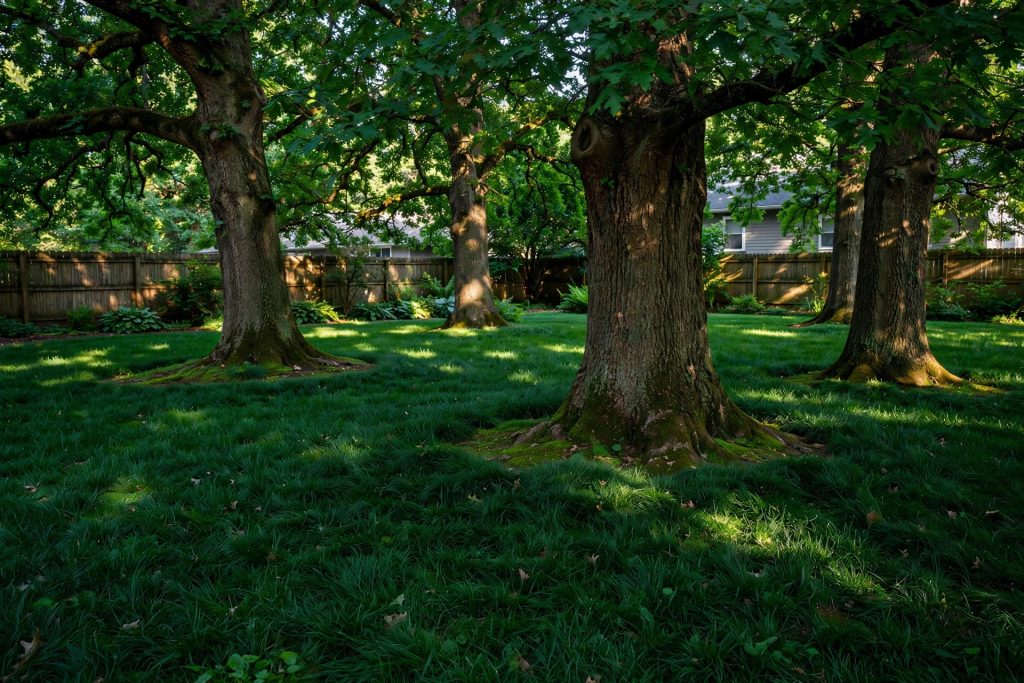

Every yard has that one corner. The grass under the maple thins out every summer, the strip on the north side of the house never fills in, and the patch under the fence line turns to mud by October. The problem is rarely the gardener. It is usually the seed. A standard sun mix planted in shade will germinate, look promising for a month, and then fade because the grasses in the bag need six or more hours of direct sun to hold density.
The best grass seed for shade solves that mismatch. Shade mixes lean on fine fescues and turf type tall fescue, the two cool season grass groups that keep growing at three to five hours of sun, and they cut back on the sun hungry Kentucky bluegrass that dominates ordinary mixes. This guide compares 10 shade seed mixes sold in the US, checks each one against its maker or retailer specifications, and is honest about the limits. No grass thrives in total darkness, and every pick below states the minimum light it actually needs.
Table of Contents
- Quick Recommendation
- How We Chose These Shade Seed Mixes
- The 10 Picks at a Glance
- The 10 Best Grass Seed Mixes for Shade
- Know Your Shade Before You Buy
- How to Seed a Shady Area Step by Step
- Care Rules That Keep Shade Grass Alive
- Final Choice
- References
- Frequently Asked Questions
Quick Recommendation
Short on time? Match your light level first, then pick.
- Deepest shade, around 3 hours of sun, damp or dry soil under mature trees: Jonathan Green Black Beauty Shady Nooks. It is the maker’s most shade tolerant mixture, rated for up to 90 percent shade.
- Dense shade on drier soil that opens into partial sun: Jonathan Green Black Beauty Dense Shade. Built mainly on tall fescue, so it blends into sunnier parts of the same lawn.
- Dense shade on a budget with fast cover: Pennington Smart Seed Dense Shade. Fine bladed fescue mix for 2 to 6 hours of sun, with visible results in about 8 to 16 days.
- Small bare patches under trees, not a whole lawn: Pennington Smart Patch Dense Shade. Seed, mulch and fertilizer in one bag, made for spot repair.
- A yard that swings between full sun and shade: Scotts Turf Builder Sun and Shade Mix or Pennington Smart Seed Sun and Shade. Both are blended to cross the light line without a visible change in texture.
- Low input, low mow areas where fine texture is fine: Outsidepride Legacy Fine Fescue Mix. Three fine fescues, no tall fescue bulk, happiest with light foot traffic.
If your yard mixes sun and shade and you want the wider picture first, our main grass seed guide compares the top choices for a thick green lawn across every light level.
How We Chose These Shade Seed Mixes
We did not handle or grow these seeds. Scores in this guide are editorial scores built from verified manufacturer and retailer specifications, the seed species in each blend, and the pattern of published owner feedback. A mix earned its place by stating a clear minimum light level, naming its grass species, and publishing coverage and germination figures we could check. Mixes that hid their species or promised grass in full darkness were left out.
Scoring system
| Factor | Weight | What we checked |
|---|---|---|
| Shade tolerance | 30% | Stated minimum hours of sun and the share of fine fescue or tall fescue in the blend |
| Establishment | 20% | Germination window and how reliably the blend fills thin shade |
| Durability and traffic | 20% | Tall fescue or ryegrass content, self repair claims, traffic tolerance ratings |
| Drought and low input fit | 15% | Drought tolerance ratings and how much water and fertilizer the blend asks for |
| Value and coverage clarity | 15% | Coverage per bag for new lawns and overseeding, and how clearly the label states it |
Scores use the same five factors for every product. The per product breakdown appears in each section, so a rating never has to be taken on trust.
The 10 Picks at a Glance
| Product | Best for | Blend base | Minimum sun | Germination | Coverage note | Our rating |
|---|---|---|---|---|---|---|
| Jonathan Green Black Beauty Shady Nooks | Deepest shade | Tall fescue, fine fescue, perennial ryegrass | 3+ hours | 10 to 14 days | Check bag by weight | 9.4 |
| Jonathan Green Black Beauty Dense Shade | Dense shade, dry soil | Tall fescue, fine fescue, ryegrass, bluegrass | 4+ hours | 14 to 21 days | 7 lb: 2,100 sq ft new, 4,200 overseed | 9.2 |
| Pennington Smart Seed Dense Shade | Dense shade value | Tall fescue, fine fescue | 2 to 6 hours | 8 to 16 days | 7 lb: up to 1,750 sq ft | 9.0 |
| Scotts Turf Builder Dense Shade Mix | Small shaded areas | Fine fescues, ryegrass, bluegrass | 3 hours | Check bag | 3 lb seed: 330 sq ft new, 750 overseed | 8.8 |
| Pennington The Rebels Shady Mix | Larger shady lawns, traffic | Tall fescue | 2 to 6 hours | 8 to 16 days | 20 lb: up to 5,000 sq ft | 8.7 |
| Scotts Turf Builder Sun and Shade Mix | Mixed sun and shade yards | Fescue, ryegrass, bluegrass | Full sun to dense shade | Check bag | 5.6 lb: 745 sq ft new, 2,240 overseed | 8.6 |
| Pennington Smart Seed Sun and Shade | Mixed light, one bag lawns | Tall fescue, ryegrass, bluegrass, fine fescue | 4 to 6 hours | 8 to 21 days | Check bag by weight | 8.5 |
| GreenView Fairway Formula Shady Mixture | Uncoated pure seed buyers | Turf type tall fescue | Filtered light | 14 to 21 days | 3 lb: 375 sq ft new, 750 overseed | 8.4 |
| Outsidepride Legacy Fine Fescue Mix | Low input fine lawns | Hard, Chewings, creeping red fescue | Sun to shade | Check bag | Check bag by weight | 8.3 |
| Pennington Smart Patch Dense Shade | Bare spot repair | Seed, mulch, fertilizer mix | Full to moderate shade | From 5 days | 10 lb: up to 200 sq ft | 8.2 |
Coverage figures come from the maker or retailer listing named in each product section. Where two current versions of a product carry different figures, the section says so instead of printing the larger number.
The 10 Best Grass Seed Mixes for Shade
1. Jonathan Green Black Beauty Shady Nooks
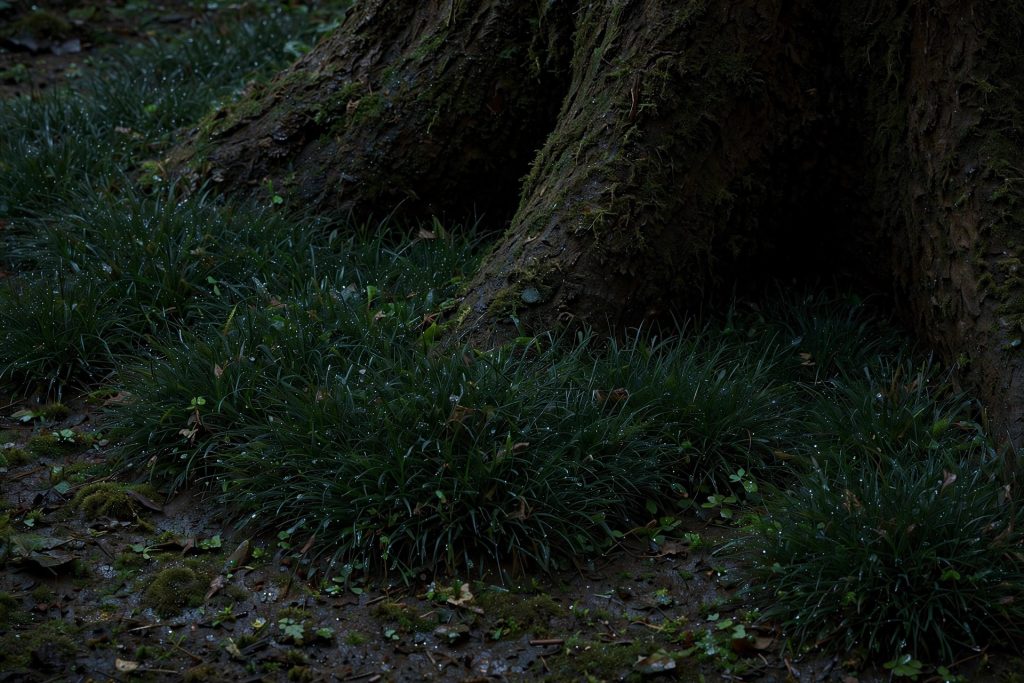
Best for: the darkest usable corner of the yard, right up to the trunk of a mature tree.
Jonathan Green calls Shady Nooks its most shade tolerant mixture, and the specification backs the claim. The maker rates it for up to 90 percent deep shade with as little as 3 hours of sun, in damp or dry soil, which is a harder brief than any other mix on this list attempts. The blend is tall fescues, perennial ryegrass and fine fescues, with no bluegrass to thin out in the dark. Germination is listed at 10 to 14 days, planting depth a quarter inch.
One honest limit: the maker notes that shaded lawns photosynthesize less, so they need less fertilizer and respond badly to heavy nitrogen. If your habit is to feed a shady patch hard to push it, this mix will punish the habit, not reward it.
Score breakdown: Shade tolerance 2.9 of 3.0, Establishment 1.9 of 2.0, Durability 1.8 of 2.0, Drought and low input 1.4 of 1.5, Value and clarity 1.4 of 1.5. Total 9.4.
Spec source: Jonathan Green product page for Black Beauty Shady Nooks, checked at writing time.
2. Jonathan Green Black Beauty Dense Shade
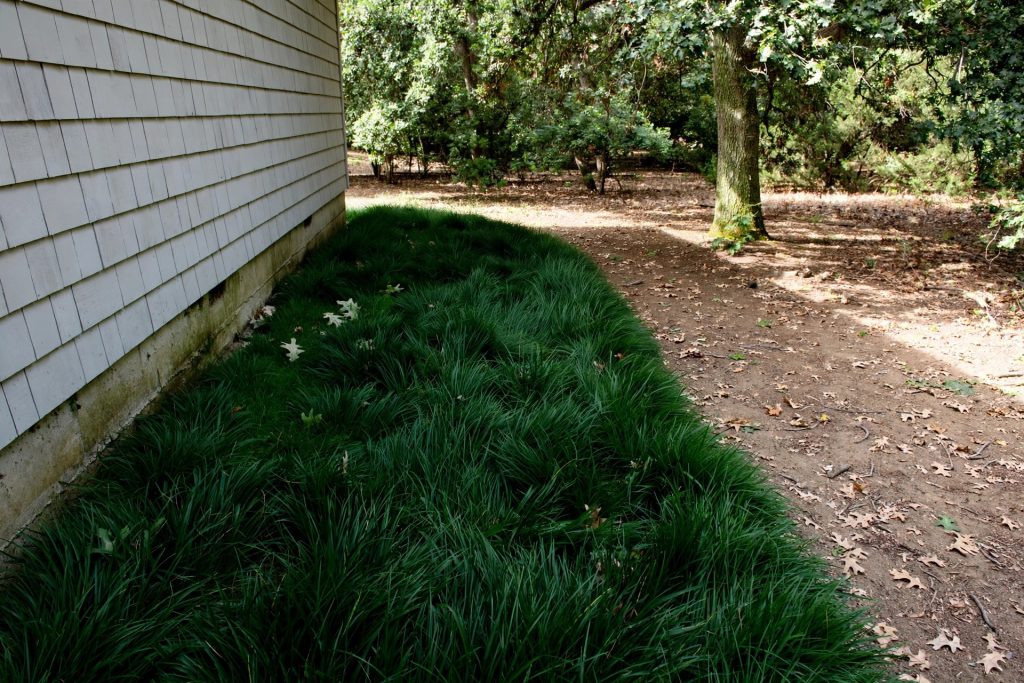
Best for: dense shade that eases into partial sun, on soil that runs dry.
Dense Shade is the versatile sibling. The maker rates it for up to 70 percent shade and 4 or more hours of sun, and builds it primarily on turf type tall fescue with fine fescues, perennial ryegrass and Kentucky bluegrass. That tall fescue base is why it blends across the light line better than Shady Nooks and handles dry shade under trees, where roots compete for every inch of rain.
Coverage is published clearly: 1 pound covers up to 300 square feet of new lawn or 600 square feet of overseeding, so the 7 pound bag covers 2,100 new or 4,200 overseeded square feet. Germination is slower than Shady Nooks at 14 to 21 days. Plan watering for the full three weeks, not just the first.
Score breakdown: Shade tolerance 2.7 of 3.0, Establishment 1.7 of 2.0, Durability 1.9 of 2.0, Drought and low input 1.5 of 1.5, Value and clarity 1.4 of 1.5. Total 9.2.
Spec source: Jonathan Green product page for Black Beauty Dense Shade, checked at writing time.
3. Pennington Smart Seed Dense Shade
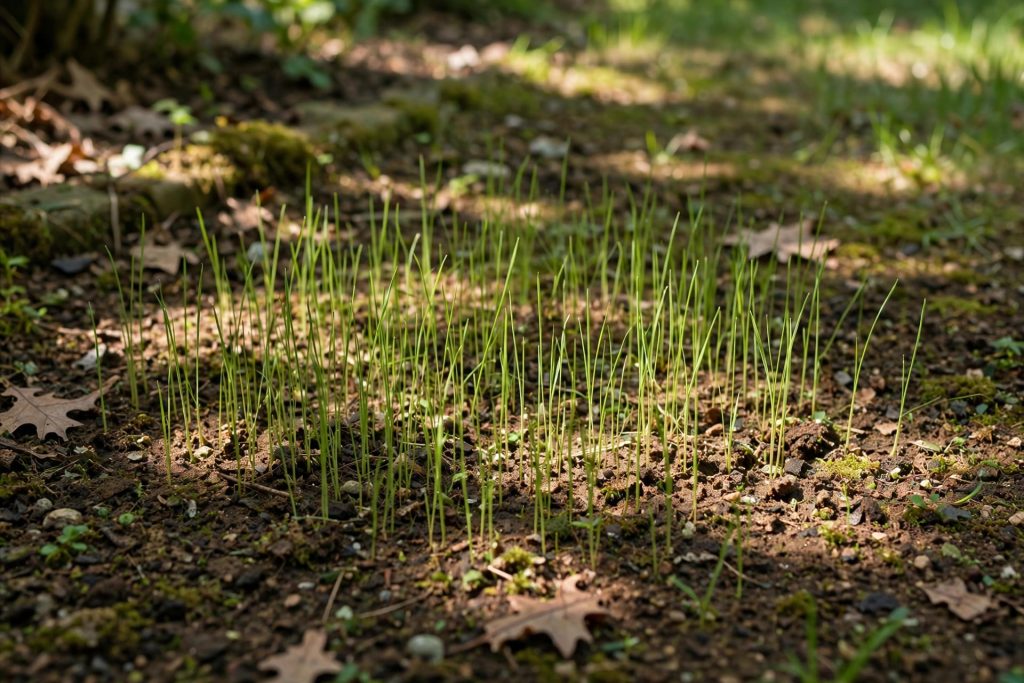
Best for: dense shade cover without the premium price, and faster green than most fescue mixes.
Pennington builds this mix on tall fescue and fine fescue for areas getting 2 to 6 hours of sunlight a day. The 7 pound bag covers up to 1,750 square feet, visible results are listed at 8 to 16 days, and the seed carries the Penkoted coating, which Pennington says protects seedlings from fungus and helps the mix use up to 30 percent less water than ordinary seed. The turf it makes is fine bladed and medium to dark green, with good drought and disease tolerance and only moderate traffic tolerance.
Two cautions from the listings. First, product descriptions vary between sources on whether ryegrass and bluegrass are in the current blend, so read the seed tag on the bag you buy rather than any web summary, including this one. Second, several reviewers note the Penkoted fungicide coating means spilled seed should be cleaned up promptly where birds feed.
Score breakdown: Shade tolerance 2.8 of 3.0, Establishment 1.9 of 2.0, Durability 1.6 of 2.0, Drought and low input 1.3 of 1.5, Value and clarity 1.4 of 1.5. Total 9.0.
Spec source: Pennington Smart Seed Dense Shade specification sheet via Home Depot and Pennington product information, checked at writing time.
4. Scotts Turf Builder Dense Shade Mix
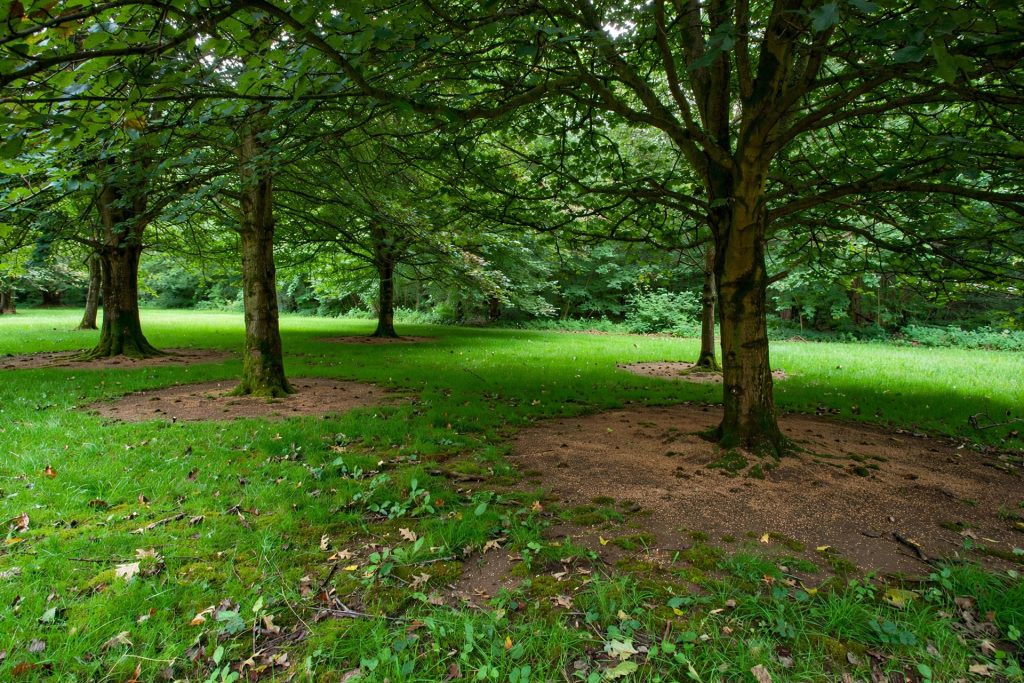
Best for: seeding around and under dense trees in a smaller yard.
Scotts rates this mix to grow with as little as 3 hours of sunlight, from an exclusive mix of shade tolerant, self repairing grasses. Retailer specifications for the 3 pound seed bag list 330 square feet for new lawns and 750 square feet for overseeding, and each seed carries the 4 in 1 WaterSmart PLUS coating, which Scotts says absorbs twice the water of uncoated seed, feeds the seedling and helps protect it from disease.
Buyers need to know there are two current versions on shelves. The seed only bags carry the figures above. The newer combination bags add fertilizer and soil improver with root building nutrition, and a 2.4 pound combination bag is listed at only about 200 square feet new and 600 square feet overseeded, because much of the bag weight is not seed. Neither figure is wrong. They describe different products, so check which bag is in your hand before judging value.
Score breakdown: Shade tolerance 2.7 of 3.0, Establishment 1.7 of 2.0, Durability 1.7 of 2.0, Drought and low input 1.3 of 1.5, Value and clarity 1.4 of 1.5. Total 8.8.
Spec source: Scotts Dense Shade Mix retailer specifications (Benedict’s Home and Garden and Do it Best listings), checked at writing time.
5. Pennington The Rebels Tall Fescue Shady Mix
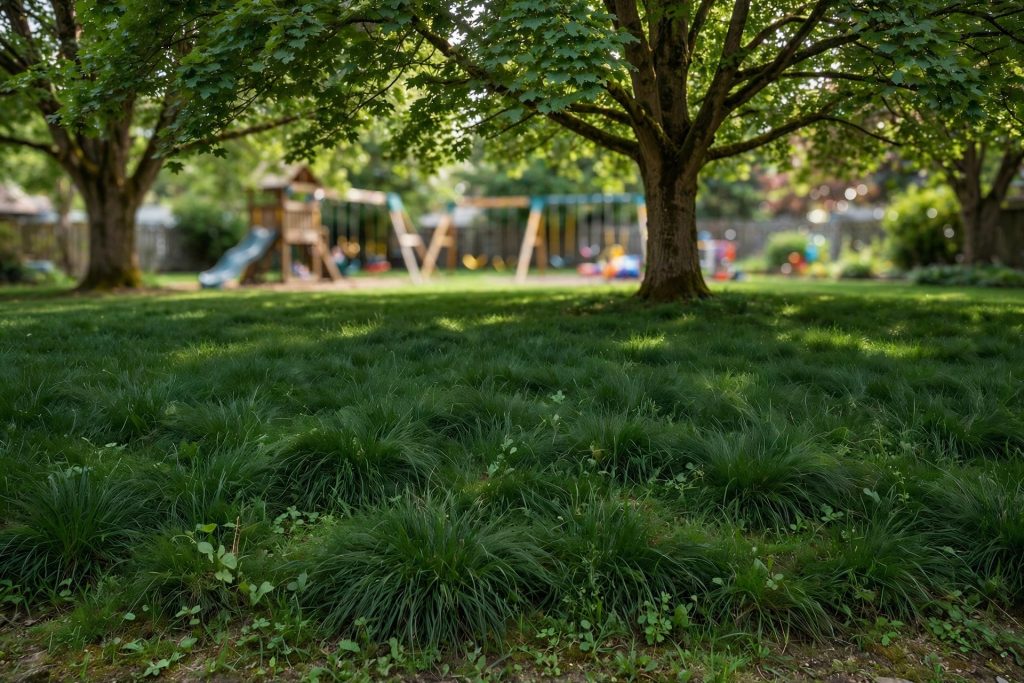
Best for: bigger shady lawns that still take foot traffic, kids and dogs.
The Rebels line is Pennington’s tall fescue family, and the Shady Mix keeps the family traits: a deep, dense root system, tolerance for heat, drought and heavy traffic, and rapid emergence listed at 8 to 16 days. It is rated for shady sites at 2 to 6 hours of sun, and the 20 pound bag covers up to about 5,000 square feet, which makes it the economical way to renovate a large, tree covered back lawn in one pass.
The trade off is texture. A tall fescue lawn is medium textured, not the fine, soft carpet the pure fine fescue mixes make. Under a play set or along a dog run, that trade is worth making every time. In a quiet ornamental corner, pick 9 on this list will look better.
Score breakdown: Shade tolerance 2.5 of 3.0, Establishment 1.8 of 2.0, Durability 2.0 of 2.0, Drought and low input 1.3 of 1.5, Value and clarity 1.1 of 1.5. Total 8.7.
Spec source: The Rebels Shady Mix retailer summaries and Pennington product information, checked at writing time.
6. Scotts Turf Builder Sun and Shade Mix
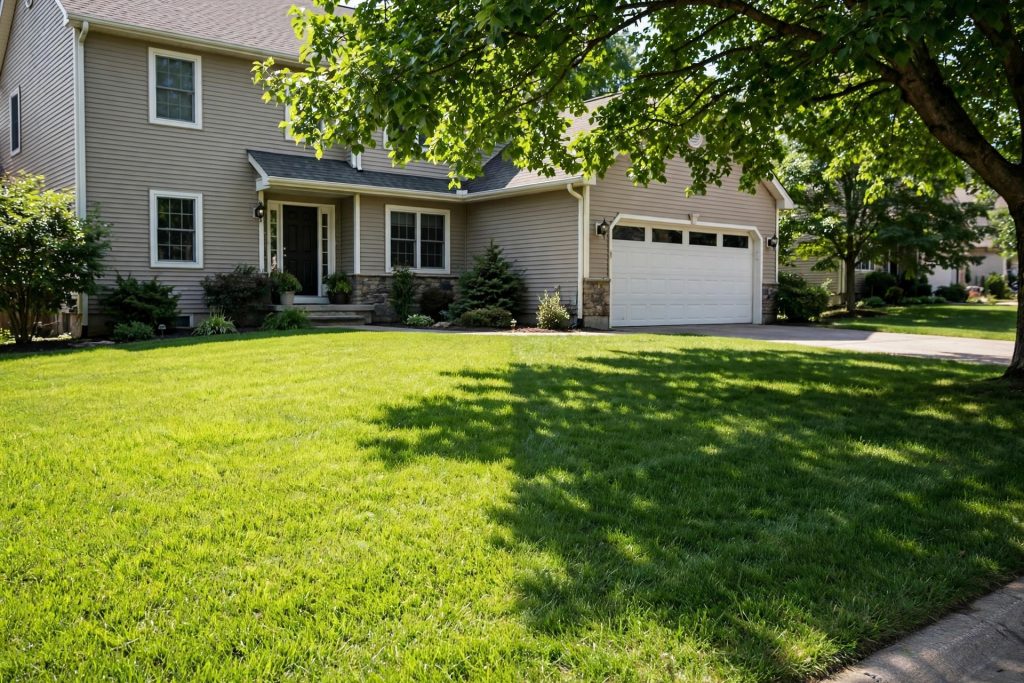
Best for: one seed for a whole yard that runs from open sun into tree shade.
Most real yards are not shade gardens. They are sun in the middle and shade at the edges, and seeding them with two different mixes leaves a visible seam. This Scotts mix is blended to cross that line: it is designed for full sun and dense shade, makes a fine bladed texture, and carries medium to high drought resistance. The 5.6 pound bag covers 745 square feet of new lawn or 2,240 square feet of overseeding, with a WaterSmart coating on the seed.
It will not beat Shady Nooks in the darkest corner, and Scotts does not claim it will. Its job is the transition zone, and for the 4 to 6 hour band where most thinning happens, it is the simplest single bag answer.
Score breakdown: Shade tolerance 2.4 of 3.0, Establishment 1.7 of 2.0, Durability 1.8 of 2.0, Drought and low input 1.3 of 1.5, Value and clarity 1.4 of 1.5. Total 8.6.
Spec source: Scotts Sun and Shade Mix retailer specifications, checked at writing time.
7. Pennington Smart Seed Sun and Shade
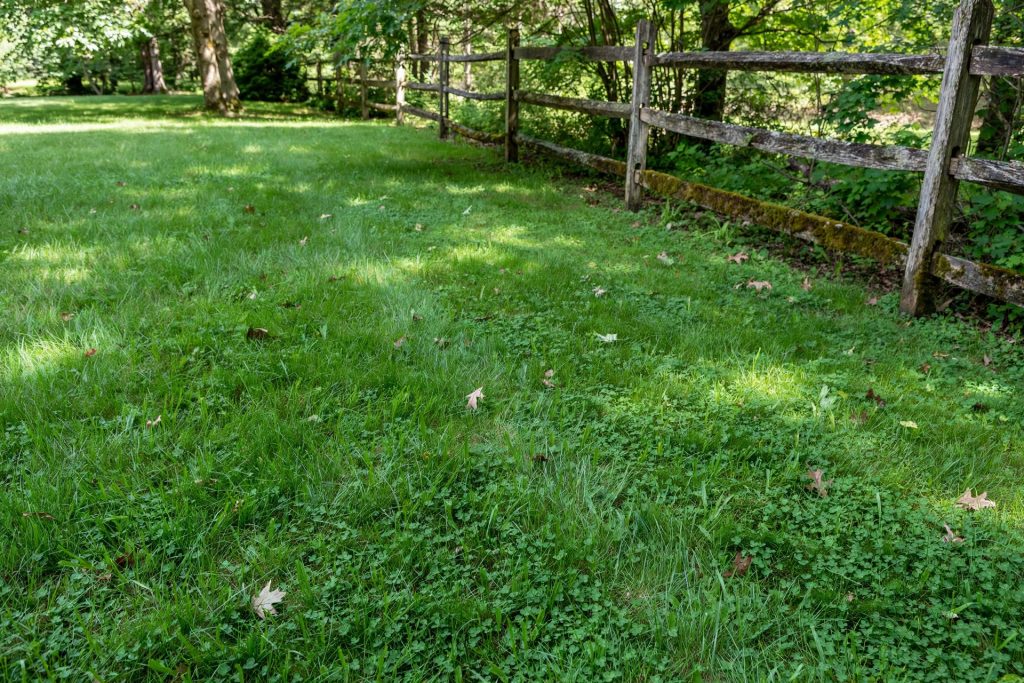
Best for: mixed light lawns in the north and transition zone that need disease resistance.
Pennington’s sun and shade entry mixes tall fescue, perennial ryegrass, Kentucky bluegrass and fine fescue, aimed at lawns getting 4 to 6 hours of sunlight. The maker lists results in 8 to 21 days, a wide window that honestly reflects the blend: the ryegrass shows first, the bluegrass fills last. Disease resistance is rated excellent and drought tolerance very good, and like the other Smart Seed mixes it includes a small amount of fertilizer and claims up to 30 percent water savings over ordinary seed.
This is a partial shade product, not a dense shade one. Below 4 hours of sun, choose pick 1, 2 or 3 instead and do not ask this mix to do a job its label does not promise.
Score breakdown: Shade tolerance 2.3 of 3.0, Establishment 1.7 of 2.0, Durability 1.8 of 2.0, Drought and low input 1.4 of 1.5, Value and clarity 1.3 of 1.5. Total 8.5.
Spec source: Pennington Smart Seed Sun and Shade product information, checked at writing time.
8. GreenView Fairway Formula Turf Type Tall Fescue Shady Mixture
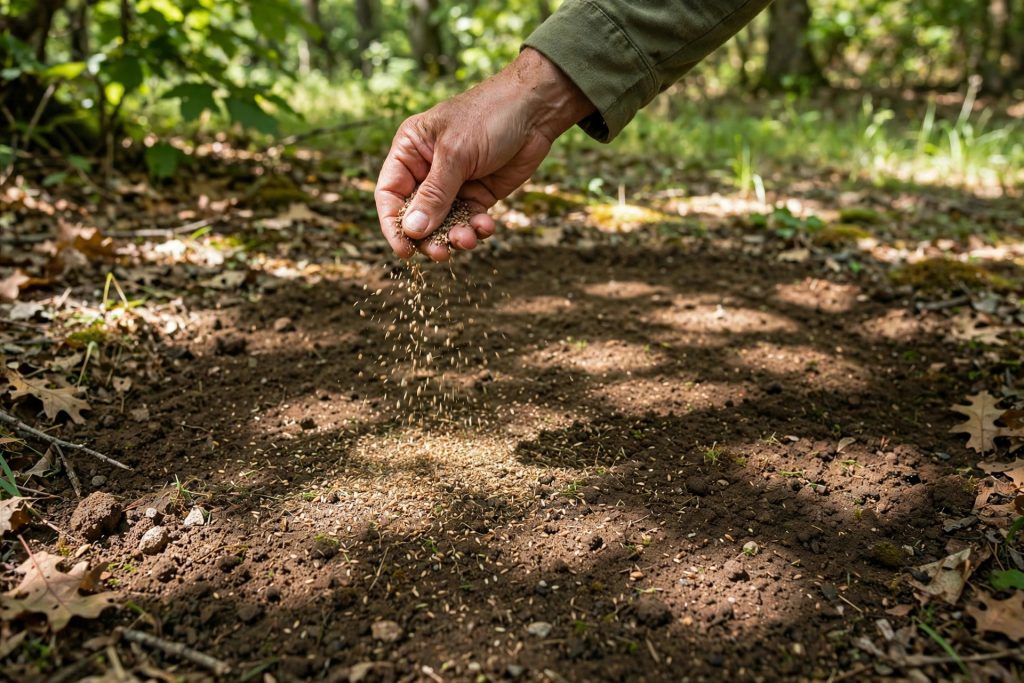
Best for: buyers who want pure seed with no coating and no filler.
GreenView’s shady mixture combines heat and drought tolerance with adaptability to filtered sunlight, and the brand’s selling point is what is not in the bag: no coating, no fillers, so the full bag weight is seed. The maker lists the 3 pound bag at 375 square feet for new lawns and 750 square feet for overseeding, and its shade growing guide puts fescue emergence at 14 to 21 days.
One confusion to clear up before buying. Search results and some roundups attach a 7,000 square foot coverage figure to the Fairway Formula name. That figure belongs to a different Fairway Formula product, the Kentucky bluegrass sunny mixture, not this tall fescue shady mixture. Use the maker figures above for this product.
Score breakdown: Shade tolerance 2.4 of 3.0, Establishment 1.6 of 2.0, Durability 1.8 of 2.0, Drought and low input 1.3 of 1.5, Value and clarity 1.3 of 1.5. Total 8.4.
Spec source: GreenView Fairway Formula Shady Mixture label and GreenView shade growing guide, checked at writing time.
9. Outsidepride Legacy Fine Fescue Mix
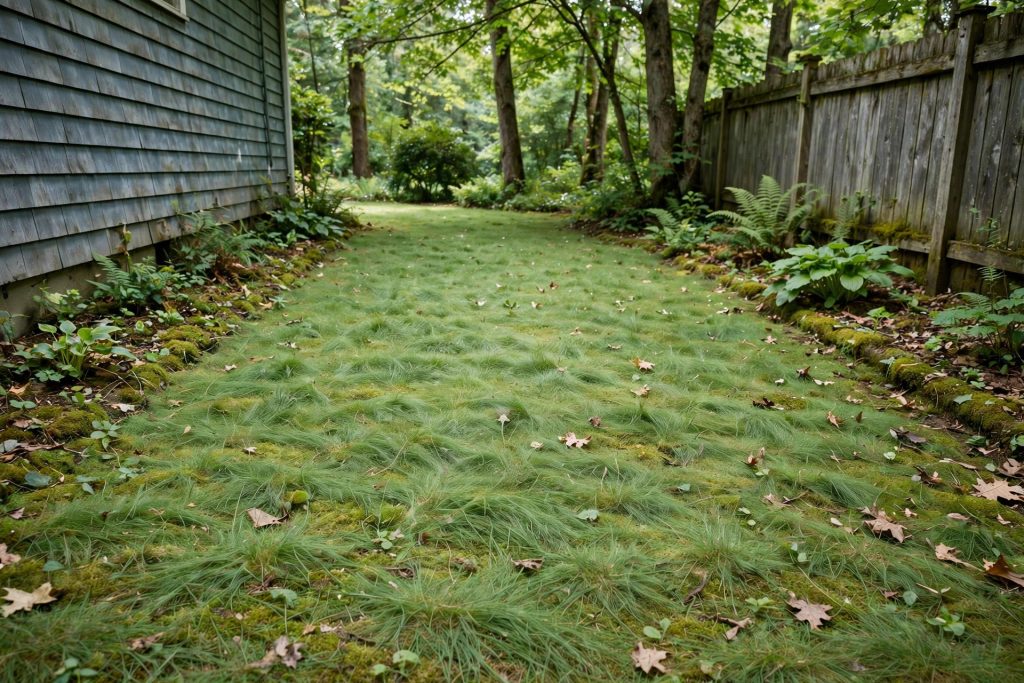
Best for: low input, low traffic shade where a fine, natural look beats a tough play lawn.
Legacy is the specialist on this list: hard fescue, Chewings fescue and creeping red fescue, and nothing else. Fine fescues are the most shade tolerant lawn grasses in the extension literature, they ask for less fertilizer and less mowing than tall fescue, and the creeping red fescue in this blend spreads slowly by rhizomes to knit thin spots. The seed carries an OptiGrowth coating with zinc, phosphorus and nitrogen to help establishment in poor or sandy soil.
Respect its limits. Fine fescue wears poorly under heavy traffic and can struggle in hot, wet summer soil. Put it under trees, on banks and in quiet side yards, not under the trampoline. Coverage is not stated in the listings we checked, so take the rate from the bag label for your bag size rather than from any roundup.
Score breakdown: Shade tolerance 2.8 of 3.0, Establishment 1.6 of 2.0, Durability 1.2 of 2.0, Drought and low input 1.5 of 1.5, Value and clarity 1.2 of 1.5. Total 8.3.
Spec source: Outsidepride Legacy Fine Fescue product information via BestReviews.guide summary, checked at writing time.
10. Pennington Smart Patch Dense Shade
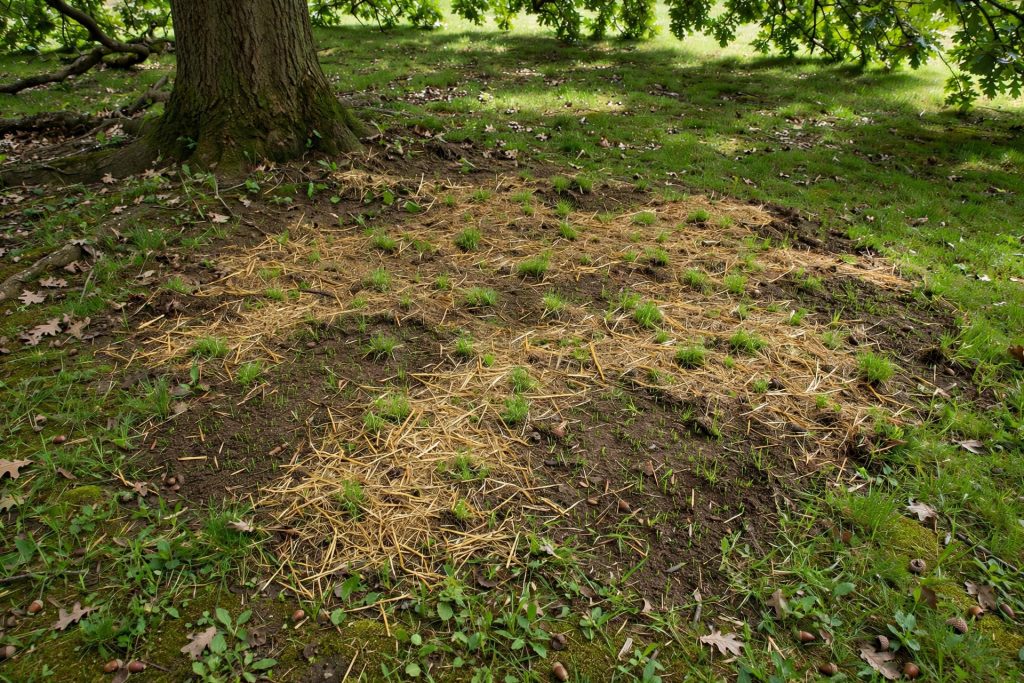
Best for: repairing bare spots in shade, not seeding whole areas.
Smart Patch is a repair kit, not a lawn seed in the usual sense. The bag combines grass seed, mulch and fertilizer with a tackifier that holds the mix on slopes and in wash prone spots, plus microbials the maker includes for disease protection. It is formulated for full to moderate shade, the mulch changes to a lighter color when dry as a watering signal, and Pennington lists growth in as little as 5 days. Coverage is small by design: the 10 pound bag covers up to 200 square feet, the 5 pound jug up to 100 square feet.
Judge it as a patch product and it is excellent value in effort saved. Judge it as lawn seed by the pound and it looks expensive, because most of the bag is mulch and fertilizer. For a yard with six dead circles under one oak, it is the right tool. For a whole shaded lawn, buy pick 2 or 3.
Score breakdown: Shade tolerance 2.6 of 3.0, Establishment 2.0 of 2.0, Durability 1.4 of 2.0, Drought and low input 1.1 of 1.5, Value and clarity 1.1 of 1.5. Total 8.2.
Spec source: Pennington Smart Patch Dense Shade product page, checked at writing time.
Know Your Shade Before You Buy
Hours of direct sun decide everything, so measure before spending. University of Missouri Extension recommends different mixtures by shade level and moisture, and the pattern is consistent across extension guidance:
- Light to moderate shade, dry soil: a blend of Kentucky bluegrass with fine fescue at 3 to 4 pounds per 1,000 square feet, or 100 percent turf type tall fescue at 5 to 7 pounds per 1,000 square feet.
- Moderate shade, dry soil: 100 percent fine fescue at 3 to 5 pounds per 1,000 square feet is the extension first choice. This is the band where picks 1, 3 and 9 earn their keep.
- Shade with wet soil: rough bluegrass with perennial ryegrass at 3 to 4 pounds per 1,000 square feet handles wet shade that rots fine fescue.
- Under about 2 to 3 hours of sun: no lawn grass holds long term density. Penn State Extension is direct about this. Where environmental changes are not possible, ground covers such as pachysandra, periwinkle or purple wintercreeper will outperform any seed on this page, and choosing them is not failure. It is the correct horticultural answer.
Warm season lawns have fewer seed options. St. Augustinegrass is the most shade tolerant warm season grass but is planted from sod or plugs, not seed, which is why this roundup is a cool season list. Zoysia tolerates light shade only.
How to Seed a Shady Area Step by Step
Step 1: Fix light first. Prune low limbs and thin the canopy where you safely can. Even one extra hour of sun moves a patch from the ground cover band into the fine fescue band.
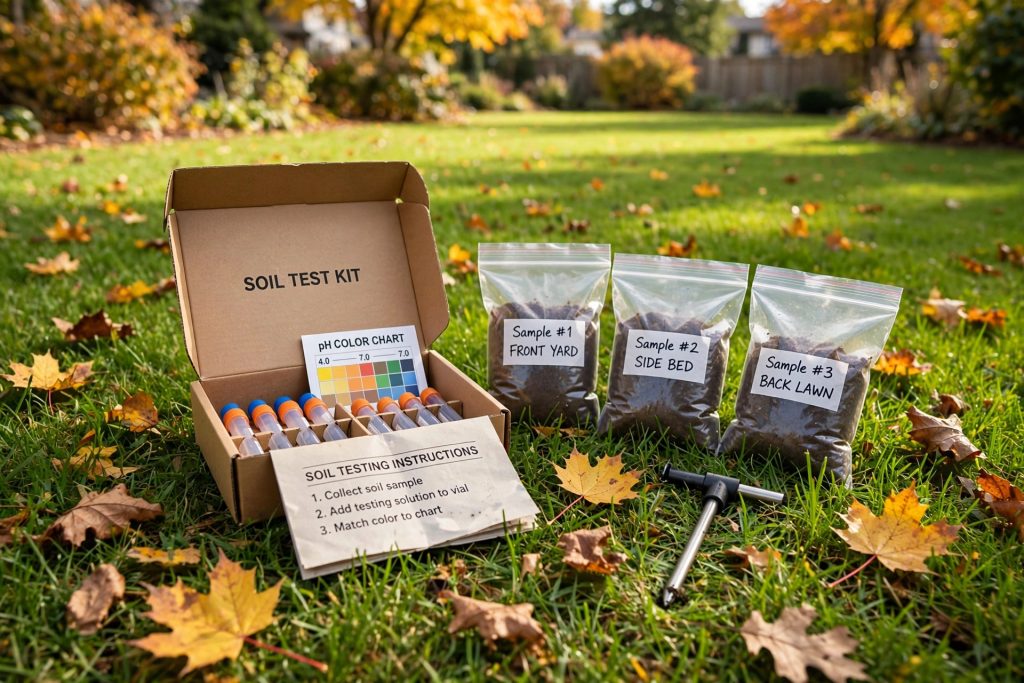
Step 2: Test the soil. Shade soil under trees is often acidic and compacted. Test pH and follow the result. Most lawn grasses want pH between about 6.0 and 7.0, and fine fescue tolerates the lower end of that range better than bluegrass.
Soil acidity is the make or break factor under trees, and our lawn soil pH guide explains how to test it and correct it.
Step 3: Prepare the surface. Mow short, rake out debris and dead grass, and loosen the top quarter inch to 2 inches so seed touches soil. On compacted tree soil, core aerate before seeding.
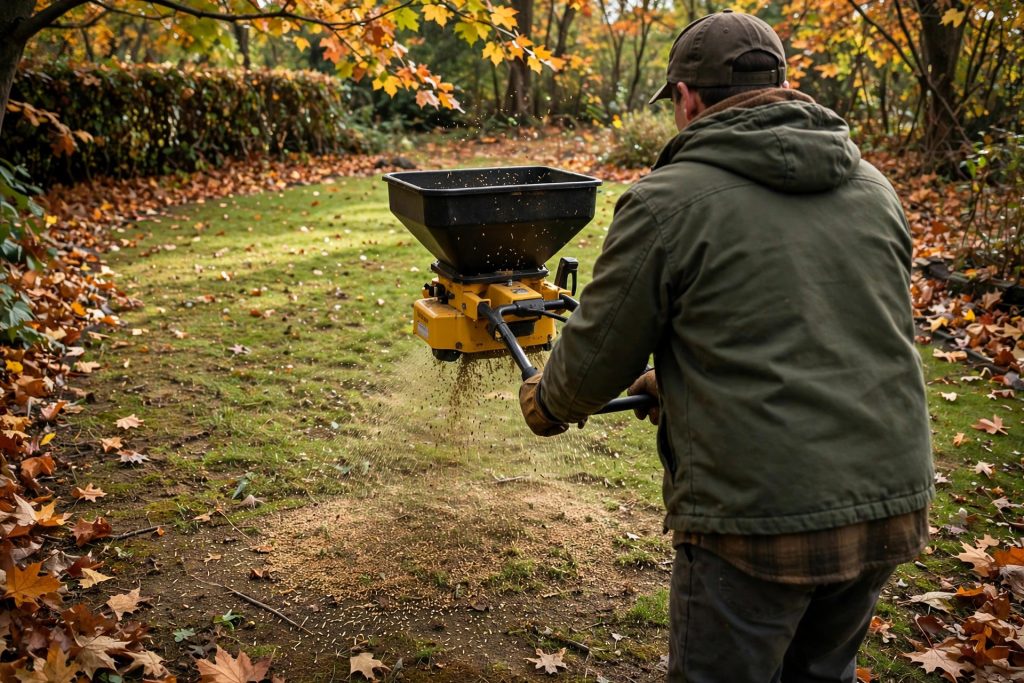
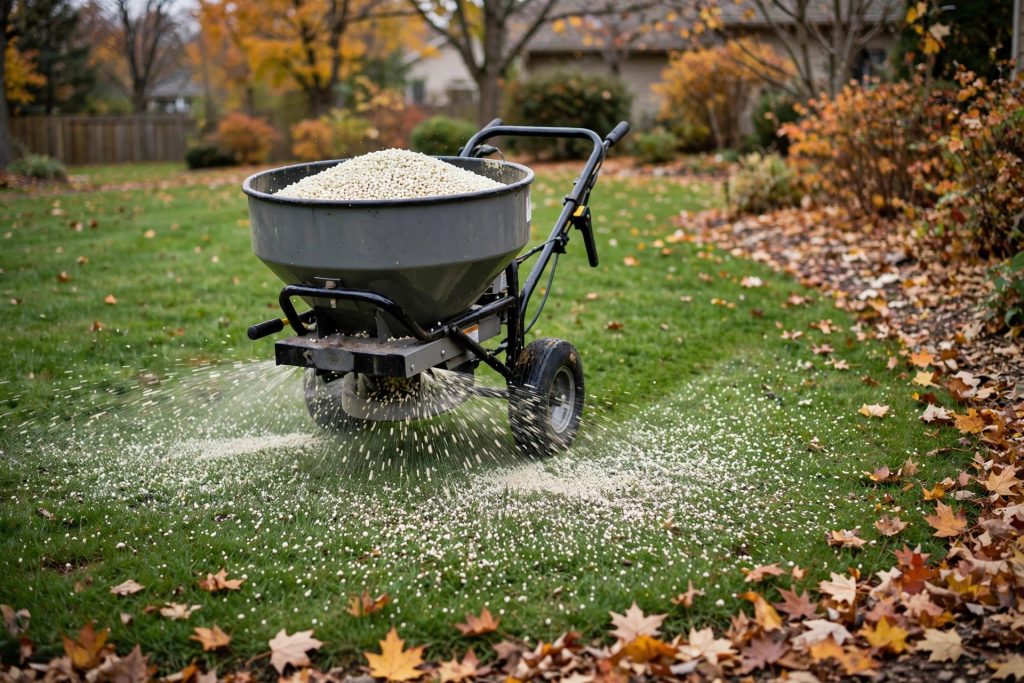
Step 4: Spread at the bag rate, in two half rate passes at right angles. Seed buried deeper than a quarter inch in shade rarely emerges.
Most of these steps are the same ones you repeat each fall to thicken a thin lawn, and our guide to overseeding a lawn covers that full routine.
Step 5: Keep the seedbed moist, not soaked. Shaded soil dries slowly, so two light waterings a day often beat the schedule a sunny seedbed needs. Standing water in shade grows moss and fungus faster than grass.
Step 6: Wait for the blend, not the first sprout. Ryegrass in a mix can show in a week while the fescue that will actually hold the shade is still germinating. Do not reseed a patch at day 10 because it looks thin.
Care Rules That Keep Shade Grass Alive
Mow higher in shade. Penn State Extension advises a clipping height about an inch higher in shade than the same grass gets in sun, and never removing more than a third of the blade at once. Taller leaves are the plant’s only solar panels.
Feed less. Shaded grass grows slower and needs less nitrogen. One fall feeding suits most shade lawns, and heavy spring nitrogen pushes soft growth that shade diseases love.
Water at the roots, in the morning. Tree canopies intercept rain and tree roots outcompete grass for what lands, so check moisture under trees during drought even when the open lawn looks fine. Morning watering lets blades dry before night.
Clear leaves fast. A leaf mat that a sunny lawn tolerates for a week will smother thin shade grass and invite disease. Rake or blow leaves off shaded areas promptly through fall.
Accept the annual top up. Even the best shade mix thins slowly under a growing canopy. A light fall overseed each year, at half the new lawn rate, is normal shade lawn maintenance, not a sign the seed failed.
Final Choice
If you only buy one bag, buy for your darkest area and let it spread outward. For deep shade under mature trees, Jonathan Green Black Beauty Shady Nooks is the strongest specification on this list and our first choice. For the more common case, dense shade that opens into partial sun on dry soil, Black Beauty Dense Shade is the more forgiving everyday pick, and Pennington Smart Seed Dense Shade delivers most of that performance for less money and with faster visible results.
Whatever you choose, spend the first effort on light, soil contact and patience rather than on a second bag. In shade, those three decide the lawn. The seed just has to be capable of using them.
References
- Jonathan Green, Black Beauty Shady Nooks Grass Seed: https://www.jonathangreen.com/product/black-beauty-shady-nooks-grass-seed/ Supports the up to 90 percent shade rating, 3 plus hours of sun, 10 to 14 day germination and reduced fertilizer guidance for picks 1.
- Jonathan Green, Black Beauty Dense Shade Grass Seed: https://www.jonathangreen.com/product/black-beauty-dense-shade-grass-seed/?attribute_pa_weight=25-lb Supports the up to 70 percent shade rating, blend composition and the per pound coverage figures for pick 2.
- University of Missouri Extension, Grasses in Shade (G6725): https://extension.missouri.edu/publications/g6725 Supports the shade level seed mixtures and seeding rates in the Know Your Shade section.
- Penn State Extension, Growing Turf Under Shaded Conditions: https://extension.psu.edu/growing-turf-under-shaded-conditions Supports the shade tolerance ranking by grass group, the higher mowing height rule and the ground cover recommendation for heavy shade.
- Pennington, Smart Patch Dense Shade Mix: https://www.pennington.com/all-products/grass-seed/pennington-smart-patch-dense-shade-mix Supports the repair mix composition, coverage by bag size and growth from 5 days for pick 10.
Frequently Asked Questions
What is the best grass seed for shade under trees?
For cool season lawns, a fine fescue heavy mix is the most reliable choice under trees. Jonathan Green Black Beauty Shady Nooks is rated by its maker for up to 90 percent shade and as little as 3 hours of sun, including right up to the base of trees. Pennington Smart Seed Dense Shade is the value alternative for 2 to 6 hours of sun. Below about 2 hours of sun, extension guidance recommends ground cover instead of grass.
How many hours of sun does shade grass seed need?
Most shade mixes need a minimum of 3 to 4 hours of direct or strong filtered sun to hold density. Fine fescues manage at the low end of that range, tall fescue needs closer to 4 to 6 hours for its best result, and Kentucky bluegrass needs 6 or more hours unless it is a shade tolerant cultivar used as a minor part of a blend.
When is the best time to plant grass seed in shade?
Early fall is the best window for cool season shade seed. Soil is warm, tree canopies are about to thin, fallen leaves can be cleared before they mat, and seedlings get autumn and the following spring to establish before summer heat. Early spring is the second choice. Avoid summer seeding in shade, where warm wet soil favors disease.
Why does grass keep dying in my shade even with shade seed?
The usual causes are less than 3 hours of usable light, tree root competition for water, mowing too short, and leaves or debris smothering thin turf. Check light honestly first. If pruning cannot lift the area to about 3 hours, overseed once with a fine fescue mix, correct mowing height and watering, and if it still thins, switch that area to shade ground cover as extension services advise.
Can I overseed shade seed into my existing sunny lawn mix?
Yes, and fall is the time to do it. Mow short, rake to expose soil, spread the shade mix at the overseeding rate on the bag, and keep the seedbed moist. The shade species establish in the dark areas while the existing grass holds the sunny areas. Expect the texture difference to be visible for the first season, then soften as the lawn knits together.
Does shade grass need less fertilizer than sunny grass?
Yes. Shaded grass photosynthesizes less, grows slower and uses less nitrogen. Jonathan Green advises against overfeeding shade lawns, especially with high nitrogen fertilizer, and extension guidance favors a single fall application for most shade areas. A soil test should set the actual rate, because tree soils are often short of potassium and acidity varies widely.

Thesis Link : https://saulibrary.edu.bd/daatj/public/uploads/BAU200601_19-Pp_5.pdf
- 10 Best Grass Seed for Shade - October 21, 2026
- 10 Best Garden Carts for Heavy Loads - October 21, 2026
- 10 Best Garden Aprons With Pockets - October 20, 2026