Bottle Gourd Cultivation: How to Grow Lau Successfully
If you’re looking for a vegetable that’s bothversatile in the kitchen and easy to grow, look no further than the humble Bottle Gourd Cultivation, or lau as we affectionately call it. This light green, elongated veggie is not just great for making delicious curries and soups; it’s also a superstar when it comes to gardening. So, slip on those gardening gloves, and let’s get our hands into the exciting adventure of growing bottle gourd. Are you ready?
Why Bottle Gourd?
You might ask, “Why not tomato, or chili, or okra?” Fair question. But here’s why bottle gourd wins the gardener’s heart:
- It grows like it wants to help you.
- It thrives in the heat.
- It climbs, saves space, and provides shade.
- It cooks into dozens of dishes from savory curries to sweet payesh.
Real Life Story: Dadu’s Garden in Narsingdi
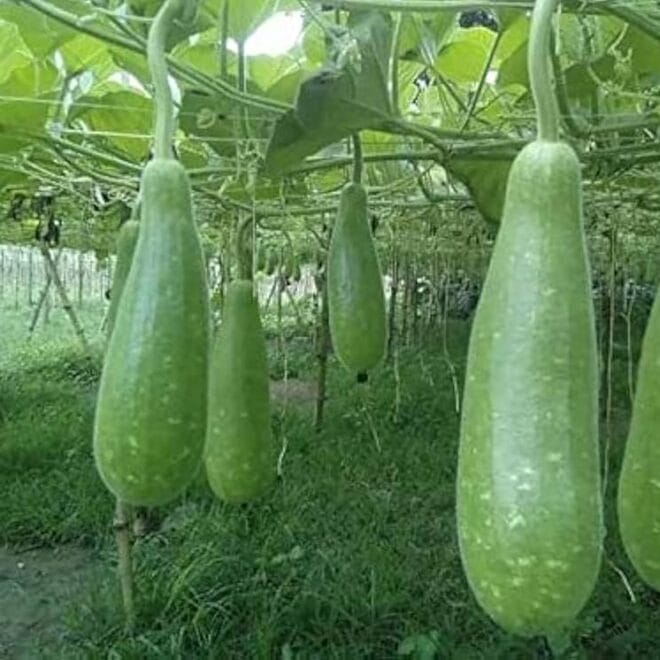
My grandfather had a tiny patch of land beside his tin roof home in Narsingdi. Every summer, he would tie some old fishing net from one corner of the yard to the other. No fancy trellis, just bamboo and nails. By July, green vines would take over and shade the entire path. I remember tiny gourds growing like green lanterns above us. He barely did anything besides watering in the early morning and feeding it cow dung every few weeks.me cow dung. By mid July, his rooftop had green vines crawling across bamboo sticks, and there were gourds swinging like lanterns. He ended up giving some to neighbors. It wasn’t perfect gardening, but it worked.
Bottle Gourd Cultivation: Let’s Start Picking the Right Spot
Sunshine Is Your Best Friend
Bottle gourd loves full sun. Choose a spot that gets 6 to 8 hours of sunlight. If it’s a rooftop, even better. If it’s a field, just make sure there’s no large tree casting a shadow in the afternoon.
Soil Check
Now here’s where many people mess up. They plant in heavy clay or pure sand and expect miracles. But bottle gourd likes balance:
- Loamy soil
- Not too sandy, not too sticky
- Good drainage but retains moisture
Soil pH: Aim between 6.0 and 7.5. If you’re unsure, get a basic pH test kit. They’re cheap.
Pro Tip:
If you step on wet soil and it sticks to your shoe like clay, add compost and river sand to loosen it.
Source: Indian Council of Agricultural Research (ICAR) recommends loamy soil rich in organic matter for best results (ICAR Handbook, 2021).
Preparing the Bed
- Dig up the top 1 foot of soil.
- Mix in cow dung or kitchen compost (2–3 kg per square meter).
- Let the bed rest for a week.
Optional: Add neem cake powder if you’ve had root worm issues before. It’s a natural pest repellent.
Sowing the Seeds


When to Sow?
- Bangladesh & Eastern India: March–May or just after first monsoon rains.
- Southern India: Can be grown yea round except in very cold months.
How to Plant
- Soak seeds overnight (12–24 hours) for better germination.
- Sow them 2–3 cm deep.
- Space them 2 feet apart if planting directly.
- If using seed trays or pots first, transplant after 10 days.
Research Insight: Soaking seeds breaks seed dormancy and improves uniform germination—recommended by BARI (Bangladesh Agricultural Research Institute, 2019).
Watering—Don’t Kill It with Kindness
Bottle gourd likes consistent moisture. But too much water? Root rot. Too little? Droopy vines.
- Water daily in the first two weeks.
- Once established, water 2–3 times a week unless it’s raining.
- Always water at the base—avoid wetting the leaves unnecessarily.
Tip: Mulch the soil with straw or dry leaves to retain moisture.
Bottle Gourd Cultivation: Build It a Home—Trellis Time
Vines without support are like kids without swings. They grow, but they don’t thrive.
Trellis Options:
- Bamboo poles with string or jute twine
- Iron or PVC pipe frame
- Fishing net stretched between rods
Make the support about 6–7 feet tall. It’ll give you enough space to walk under the shade and pick gourds easily.
Fact: Trellising reduces disease risk by improving airflow and keeps fruits clean.
Bottle Gourd Cultivation: Feeding Your Plant
After 3 weeks, your plant will start demanding food.
Natural Feed Options:
- Compost tea (1:5 ratio of compost to water, soaked overnight)
- Diluted cow urine if available locally
- Crushed eggshells for calcium
Feed every 2 weeks during flowering and fruiting.
Research: Organic feeding helps balance nitrogen uptake and promotes better flower to fruit conversion (University of Florida IFAS Study, 2020).
Bottle Gourd Cultivation: Managing Pests and Diseases
Let’s face it: pests are the uninvited guests of the gardening world. Aphids, fruit flies, and powdery mildew can ruin your gourd party. Keep an eye out for these troublemakers .
Organic Solutions
- Neem Oil: A natural pest repellant that works like a charm! Just spray it on those pesky bugs, and watch them scuttle away like they’ve seen the ghost of a garden gnome.

Scientific Backing: Neem based biopesticides have shown up to 70% effectiveness against common vegetable pests according to a 2020 study published in the Journal of Organic Agriculture and Environment.
- Hand Pollination: Bottle gourd flowers come in male and female varieties. Take a small brush and gently dab the pollen from the male flowers, then apply it to the female flowers. You can think of it as being a plant matchmaker—getting those flowers to find their perfect partners.
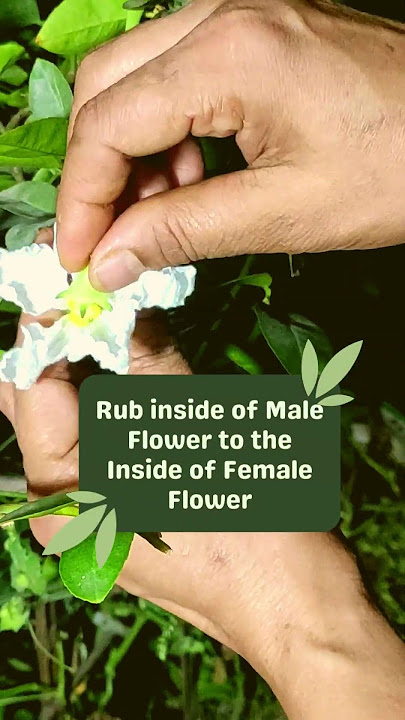
Note: Hand pollination increases fruit set significantly in urban and low pollinator areas (source: Indian Journal of Horticultural Science, 2018).
Harvest Time

After about 60 to 90 days of love and care, it’s time to reap what you sowed. Harvest your bottle gourds when they are young and tender about 8 to 12 inches long. If you wait too long, they might turn into those hard, oversized veggies that nobody wants to eat. It’s like missing the perfect moment for a selfie.
To harvest, use a sharp knife and cut them from the vine. Leave a small part of the stem attached, as it helps keep the gourd fresh longer. Now you can showcase your harvest to friends and family like a proud parent showing off their child’s school art project.
Agronomic Tip: Harvesting in the morning improves shelf life due to cooler stem temperature at cutting time.
Cooking with Bottle Gourd


Congratulations. You’ve successfully grown your own bottle gourd. Now what? Time to get cooking. You can prepare it in various ways—steam it, stir fry it, or turn it into a delicious curry. The options are endless. Just remember to brag a little about your homegrown produce while you’re at it.
A Seasonal Planting Outline For South Asia
| Month | What to Do |
|---|---|
| March | Start preparing soil |
| April | Plant seeds |
| May | Start trellising vines |
| June | First small gourds |
| July | Regular harvesting |
| August | Wind down, clean vines |
Bottle Gourd Cultivation Summary Table
| Category | Details |
|---|---|
| Botanical Name | Lagenaria siceraria |
| Common Names | Bottle gourd, Lau, Calabash, White flowered gourd |
| Plant Type | Warm season annual vine |
| Ideal Climate | Tropical to subtropical; prefers warm, humid conditions |
| Temperature Range | 25–35°C (77–95°F) |
| Best Growing Season | Summer and rainy seasons (Feb–April, June–August in South Asia) |
| Soil Type | Well drained sandy loam with good organic matter |
| Soil pH | 6.0–6.8 (slightly acidic to neutral) |
| Sunlight | Full sun (6–8 hours daily) |
| Propagation Method | Direct seeding or transplanting 15 day old seedlings |
| Seed Rate | 2–3 kg/acre |
| Spacing | 1.5–2 m between rows, 1 m between plants |
| Irrigation Needs | Moderate; avoid waterlogging; water regularly during flowering & fruiting |
| Support Required | Yes, trellis or bamboo support system helps vine growth and fruit quality |
| Fertilization | Basal dose of compost + NPK; side dressing during flowering & fruiting |
| Common Pests | Fruit fly, red pumpkin beetle, aphids |
| Common Diseases | Downy mildew, powdery mildew, mosaic virus |
| Pest/Disease Control | Neem oil, crop rotation, resistant varieties, organic sprays |
| Harvest Time | 60–75 days after sowing |
| Harvesting Tip | Pick when fruits are tender; avoid overripe gourds for better taste |
| Yield (per acre) | 80–100 quintals (depending on management and variety) |
| Storage | Store in cool, dry place; best consumed fresh |
| Uses | Vegetable dishes, soups, chutneys, juices; medicinal uses in Ayurveda |
Final Thoughts
You don’t need to be an expert to grow bottle gourd. You just need a bit of space, some patience, and willingness to check on it once in a while. The plant does the rest.
Whether you grow it in a village, on a city rooftop, or beside a wall, it brings a little calm and satisfaction into your day.
References
- Indian Council of Agricultural Research (ICAR), Handbook on Vegetable Crops, 2021.
- Bangladesh Agricultural Research Institute (BARI), Vegetable Production Manual, 2019.
- University of Florida IFAS Extension, Lagenaria siceraria Crop Profile.
- Journal of Organic Agriculture and Environment, Volume 5, Issue 2, 2020.
- Indian Journal of Horticultural Science, 2018.
FAQ For Bottle Gourd Cultivation
A: Happens more often than you’d think. Usually means the plant got a bit too much nitrogen great for leaves, not so great for flowers or fruits. Try switching to a lighter compost or add a handful of ash next time you feed it.
A: Absolutely, if done right. Vegetable peels, tea leaves, eggshells—those are golden. Just don’t toss in meat, fish, or greasy leftovers unless you want rats attending your garden party.
A: Let one of your gourds ripen completely like really hard. Crack it open, take out the seeds, wash them, and dry them under the sun for a few days. Store in a paper envelope, not plastic.
A: That usually comes from uneven watering or missed pollination. Keep your watering regular, and give hand pollination a try if bees aren’t showing up.
A: A healthy vine can easily give you 10 to 15 gourds in a season sometimes even more if it’s well fed and supported.

Thesis Link : https://saulibrary.edu.bd/daatj/public/uploads/BAU200601_19-Pp_5.pdf
- What Is Eating My Plants at Night? - August 27, 2026
- Why Are My Tomato Leaves Curling Up? Causes & Fixes - August 20, 2026
- White Spots on Zucchini Leaves Not Powdery Mildew? 5 Causes - July 29, 2026