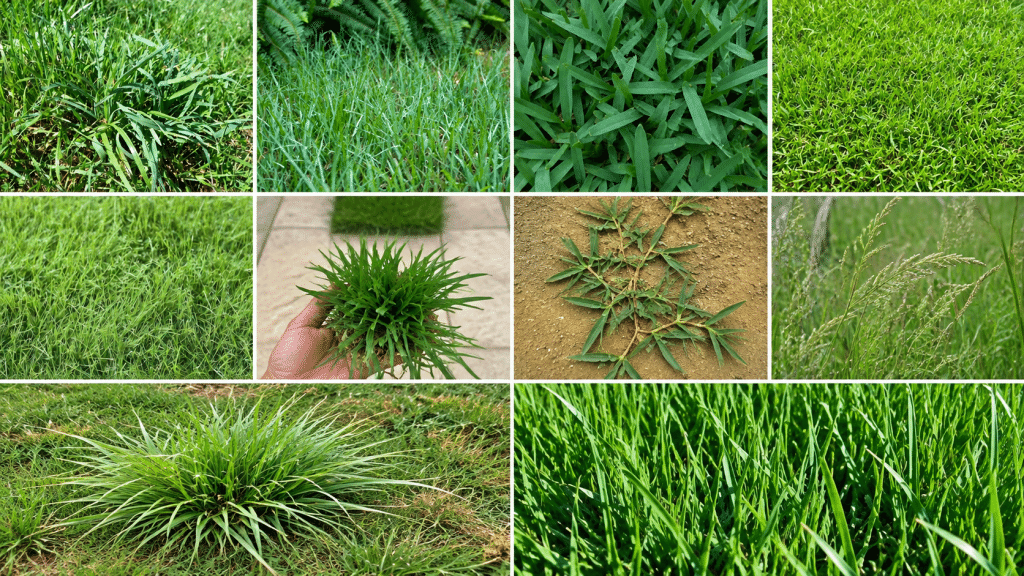

A patchy lawn can be frustrating. You water it regularly, cut it at the right height, and even add fertilizer, but some areas still look thin and unhealthy. In many cases, the problem is not your maintenance routine. It starts with the grass itself. Every yard has different challenges. One lawn may sit under strong afternoon sunlight all day, while another may struggle because large trees block most of the light. Some homeowners need grass that can survive children playing on it every weekend. Others simply want a clean green lawn that improves the look of their home. That is why choosing the best grass seed is not about finding one variety that works everywhere. It is about finding the grass that fits your situation.
A seed that creates a beautiful lawn in a cool climate may fail in a hot region. A variety that survives drought may not give you the soft appearance you want. The right choice depends on your soil, weather, sunlight, and how much time you want to spend caring for your lawn.
If you are repairing damaged areas, a fast growing grass seed can help fill empty spaces faster. For homeowners dealing with dry summers, a drought tolerant grass seed may be a smarter investment. And if your yard has both sunny and shaded sections, a sun and shade grass seed mix can provide more consistent growth.
This guide covers 10 popular grass seed options and explains what each one does well, where it struggles, and who should consider planting it.
Quick Answer: Which Grass Seed Is Best?
The best grass seed depends on your lawn conditions.
- Best overall lawn appearance: Kentucky Bluegrass
- Best for low maintenance: Tall Fescue
- Best for hot climates: Bermuda Grass
- Best for drought areas: Buffalo Grass
- Best for shaded lawns: Fine Fescue
- Best for repairing bare spots: Perennial Ryegrass
There is no single grass seed that works perfectly for every yard. The right choice depends on your climate, sunlight, soil type, and how you use your lawn.
Best Grass Seed Summary Table
| Grass Seed Type | Best For | Climate | Sun Requirement | Maintenance | Growth Speed | Main Advantage | Main Limitation |
|---|---|---|---|---|---|---|---|
| Kentucky Bluegrass | Classic green lawns, premium appearance | Cool regions | Full sun | Medium | Slow | Creates dense, soft, dark green lawns and spreads naturally | Needs regular water and struggles in extreme heat |
| Tall Fescue | Low maintenance lawns, drought-prone yards | Cool & transition zones | Full sun to partial shade | Low | Medium | Deep roots help it survive heat and limited watering | Texture is slightly wider than fine grasses |
| Perennial Ryegrass | Bare spots and quick lawn repair | Cool regions | Full sun | Medium | Fast | Germinates quickly and provides fast green coverage | Less tolerant of extreme summer heat |
| Bermuda Grass | Hot climates and heavy traffic lawns | Warm regions | Full sun | Medium | Fast | Excellent heat tolerance and fast recovery from damage | Does not perform well in shade |
| Zoysia Grass | Dense carpet-like lawns | Warm & transition zones | Full sun to partial shade | Low-Medium | Slow | Creates thick turf with lower mowing needs | Takes longer to establish |
| Fine Fescue | Shaded lawns | Cool regions | Partial shade | Low | Medium | One of the best options for low-light areas | Not ideal for heavy foot traffic |
| Centipede Grass | Simple low-maintenance warm lawns | Warm regions | Full sun | Low | Slow | Requires less mowing and fertilizer | Not suitable for busy lawns |
| Buffalo Grass | Dry areas and water-saving lawns | Warm dry regions | Full sun | Very Low | Medium | Excellent drought tolerance with low water needs | More natural appearance |
| Bahia Grass | Poor soil and large properties | Warm regions | Full sun | Low | Medium | Survives sandy soil and difficult conditions | Coarser texture and less refined look |
| Annual Ryegrass | Temporary winter green cover | Warm regions (winter use) | Full sun | Medium | Very Fast | Provides quick seasonal green coverage | Not a permanent lawn solution |
Before Buying Grass Seed, Look at Your Yard First
One common mistake is buying grass seed before understanding the lawn. Many people choose a bag because the picture looks attractive or because the label says “premium.” But the best looking grass on a package will not always perform well in your backyard.
Before making a decision, check these four things:
- How much sunlight does your lawn receive?
- What type of weather does your area experience?
- How often do people walk on the grass?
- How much maintenance are you willing to provide?
A few minutes of observation can save weeks of disappointment later.
Grass Seed Comparison Table
| Grass Type | Best For | Sun Requirement | Maintenance | Growth Speed |
|---|---|---|---|---|
| Kentucky Bluegrass | Classic green lawns | Full sun | Medium | Slow |
| Tall Fescue | Low maintenance yards | Sun + partial shade | Low | Medium |
| Perennial Ryegrass | Bare spots | Full sun | Medium | Fast |
| Bermuda Grass | Hot climates | Full sun | Medium | Fast |
| Zoysia Grass | Dense lawns | Sun + partial shade | Low | Slow |
| Fine Fescue | Shaded areas | Partial shade | Low | Medium |
Warm-Season vs Cool-Season Grass: What Is the Difference?
Grass is not one size fits all. Different varieties grow best under different temperature conditions.
Cool-Season Grass
Cool-season varieties prefer cooler temperatures and usually grow actively during spring and fall.
Common examples include:
- Kentucky bluegrass
- Tall fescue
- Perennial ryegrass
These grasses are often chosen for regions with colder winters. They usually produce a rich green appearance when growing conditions are right.
The challenge comes during extreme summer heat. Without enough moisture, some cool-season lawns can become stressed and lose color.
Warm-Season Grass
Warm-season grasses enjoy heat and sunlight. They usually enter their strongest growth period during late spring and summer.
Popular varieties include:
- Bermuda grass
- Zoysia grass
- Bahia grass
These grasses are often selected for warmer areas because they handle high temperatures better.
However, they may become less active when temperatures drop.
Sunlight Plays a Bigger Role Than Most People Expect
Before choosing seed, watch how sunlight moves across your lawn. A backyard that receives full sun has many options. A lawn surrounded by trees is more challenging because grass must compete for both light and water.
Shaded lawns often fail because homeowners plant a variety that needs more sunlight than the area provides.
For mixed yards, a sun and shade grass seed blend can be useful. These mixes usually combine varieties with different strengths, allowing some grass plants to perform well in brighter areas while others tolerate lower light.
Think About How Your Lawn Will Be Used
A lawn is part of your living space.
If your backyard is used for:
- Family activities
- Pets
- Outdoor games
- Regular gatherings
you need grass that can recover after damage.
A decorative lawn and an active lawn have different needs.
A variety with strong roots and good recovery ability will usually handle daily use better than a delicate grass type.
Maintenance Should Match Your Lifestyle
Some people enjoy spending Saturday mornings mowing, feeding, and improving their lawn. Others simply want grass that stays healthy without constant attention.
There is no wrong choice. A high maintenance grass can create an amazing appearance, but it requires more time and care. A tougher variety may not look exactly like a golf course, but it can remain attractive with less effort.Choose a grass seed that fits your routine, not just your dream lawn.
How We Selected These Grass Seeds
Not every popular grass variety is suitable for every lawn. These grass seeds were compared based on important factors that affect real lawn performance:
– Climate suitability
– Drought tolerance
– Shade tolerance
– Maintenance requirements
– Recovery from damage
– Growth speed
– Overall lawn appearance
The best grass seed is not always the most expensive option. It is the one that matches your yard conditions.
10 Best Grass Seeds for a Thick Green Lawn
The right grass seed can make lawn care much easier. Instead of constantly fighting brown patches, slow growth, or weak areas, choosing a variety that fits your environment gives your lawn a stronger foundation.
Below are ten grass seed options that are widely used by homeowners and lawn professionals. Each variety has its own strengths, so the best choice depends on your climate, soil, sunlight, and maintenance routine.
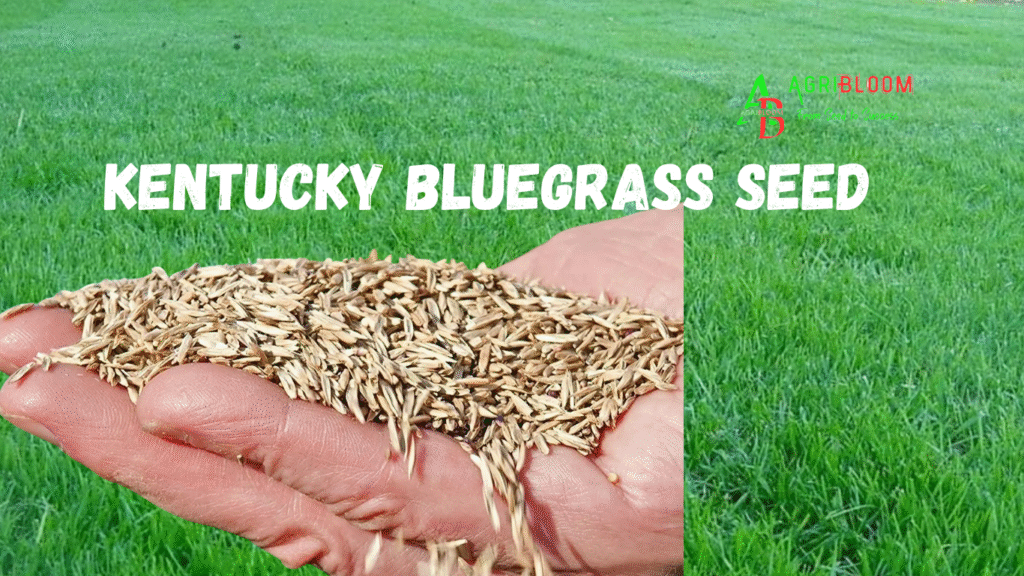
1. Kentucky Bluegrass: A Favorite for Traditional Lawns
Kentucky bluegrass is one of the most recognized lawn grasses in cooler regions. When people picture a soft, dark green lawn around a home, this is often the type they imagine.
The grass has a fine texture and spreads naturally through underground stems called rhizomes. This spreading ability helps it slowly recover from small damaged areas. Many homeowners choose Kentucky bluegrass because of its appearance. It creates a dense lawn with good color when growing conditions are suitable.
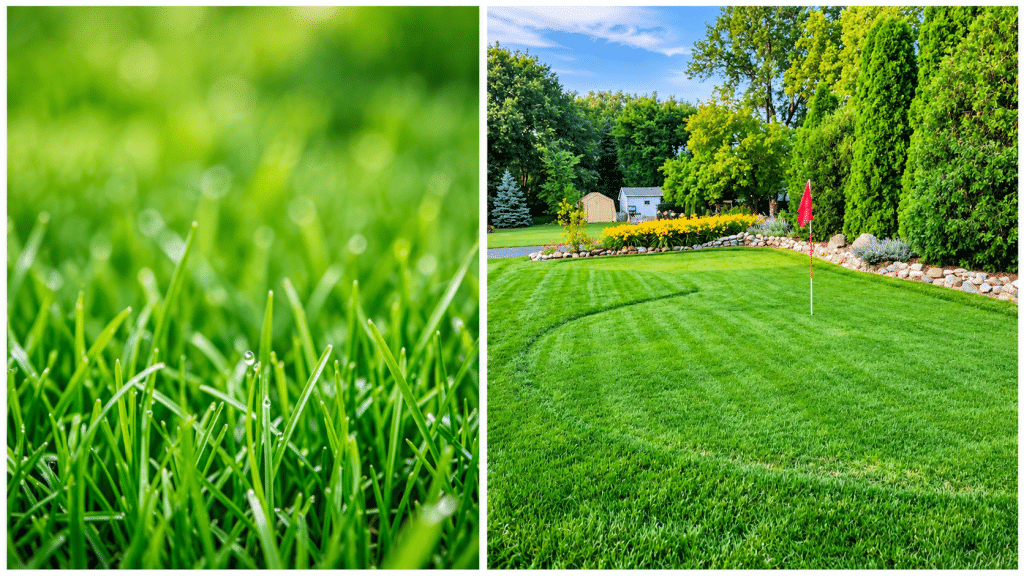
However, this beauty requires some attention. Kentucky bluegrass performs best in areas with enough sunlight, regular moisture, and proper lawn care. During hot, dry periods, it may lose color if it does not receive enough water. For homeowners who enjoy maintaining their lawn and want a classic green appearance, Kentucky bluegrass remains one of the strongest options.
2. Tall Fescue: A Strong Choice for Low Maintenance Lawns
Some lawns face difficult conditions. The soil may dry quickly, summers may become very hot, or watering regularly may not always be possible. Tall fescue is often selected for these situations because it is naturally more adaptable.
The biggest advantage of tall fescue is its root system. Compared with many other cool season grasses, its roots can grow deeper into the soil. This allows the plant to access moisture from lower areas during dry periods.
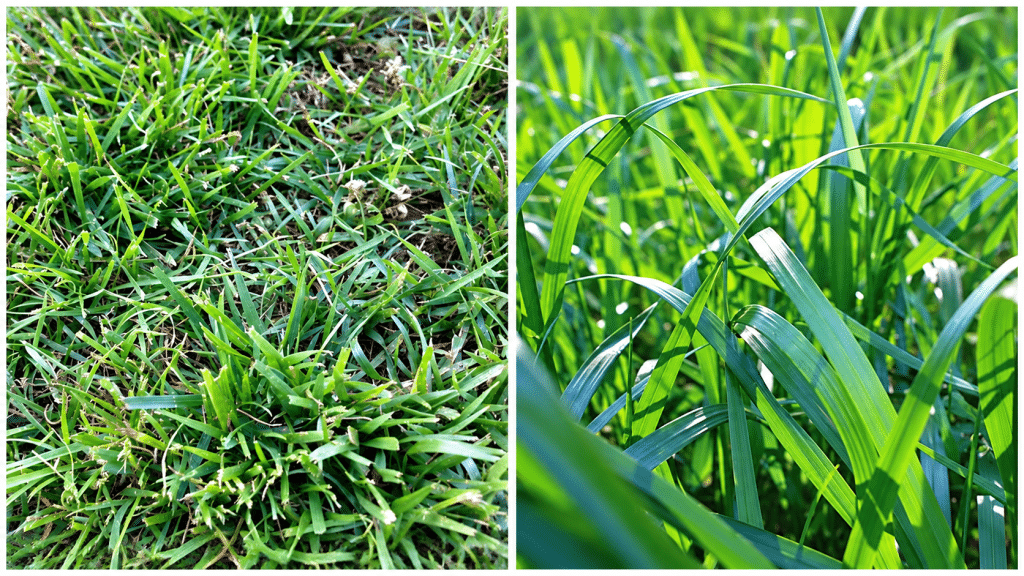
Because of this characteristic, During my lawn testing research, tall fescue consistently appears as one of the more reliable choices for homeowners who want lower watering needs.. It also handles partial shade better than many popular lawn grasses, making it useful for yards with trees or areas that receive limited sunlight.
The texture is slightly wider than Kentucky bluegrass, but newer varieties have improved appearance and lawn density. Tall fescue is a practical choice for homeowners who want a healthy lawn without spending every weekend on maintenance.
3. Perennial Ryegrass: Helpful for Quick Lawn Improvement
A damaged lawn can take time to recover, especially when large empty areas are visible. Perennial ryegrass is popular because it establishes quickly. It is often used when homeowners need faster results after planting or repairing their lawn.
For people searching for grass seed for bare spots, perennial ryegrass can be a useful option because it germinates faster than many other varieties. Another reason it is commonly included in grass mixtures is its ability to provide early green coverage while slower growing grasses continue developing underneath.
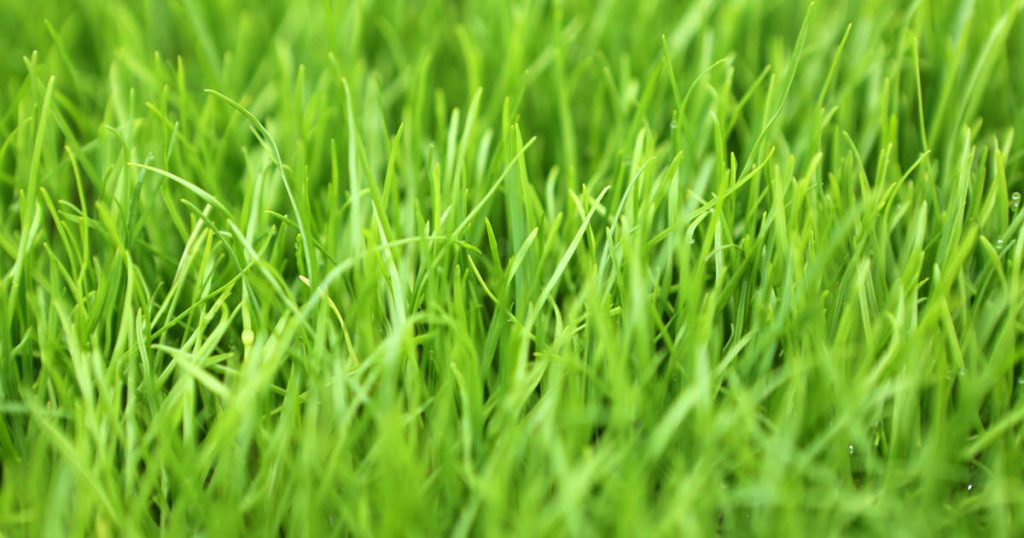
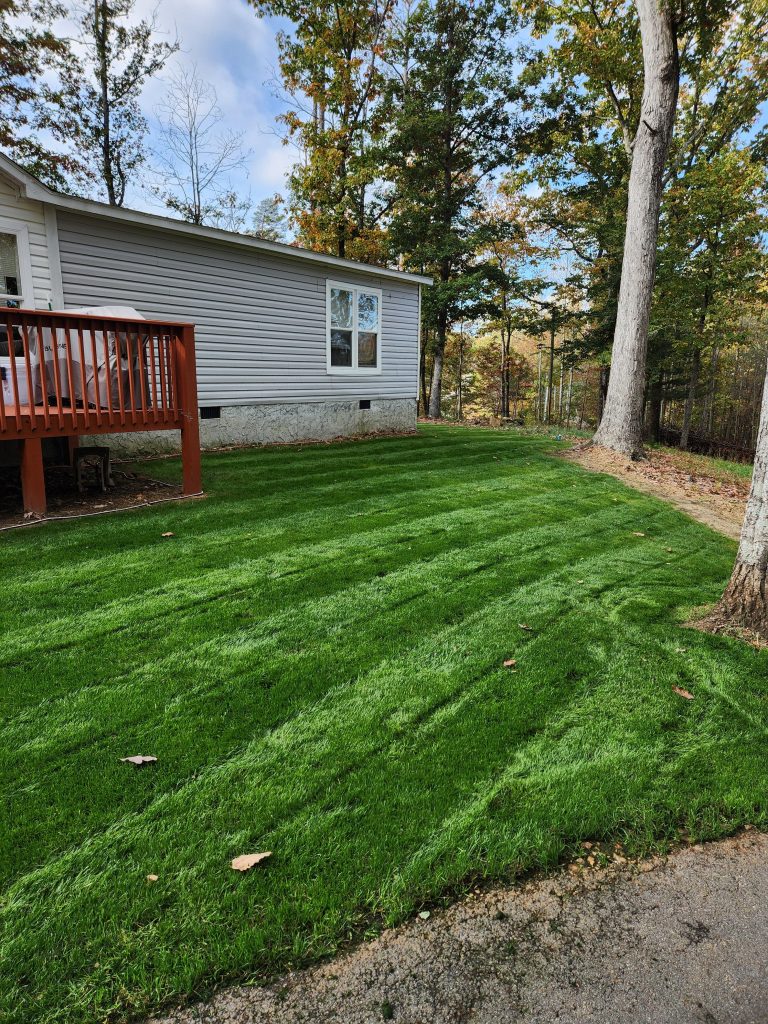
The grass has a fine appearance and creates an attractive surface when conditions are right. The limitation is heat tolerance. In regions with very hot summers, perennial ryegrass may require additional care and watering to remain healthy.
4. Bermuda Grass: Designed for Heat and Heavy Use
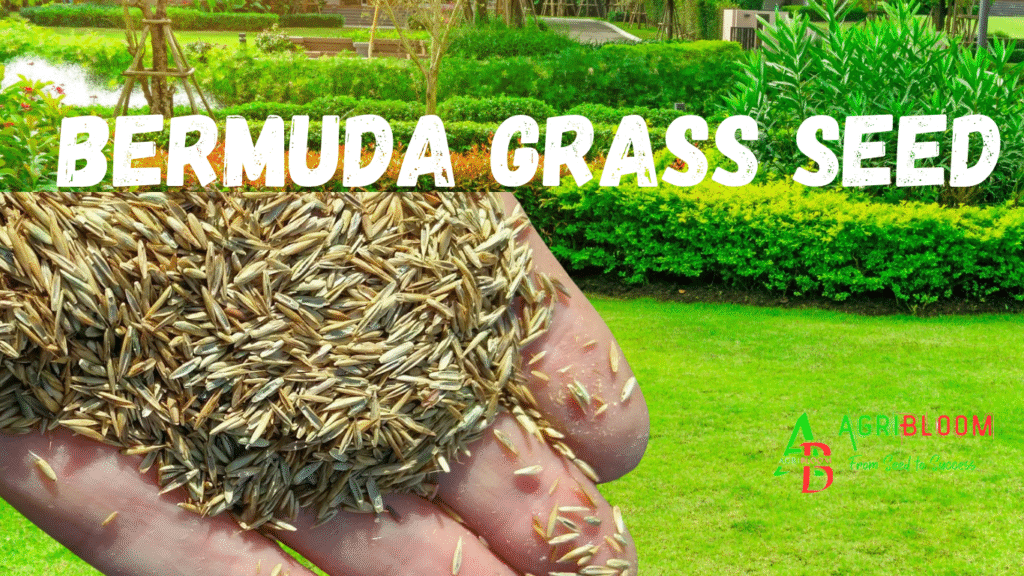
Bermuda grass is one of the most popular warm season grasses, especially in areas with long, hot summers. This grass grows aggressively when temperatures rise. It spreads quickly and can recover from damage faster than many other varieties.
That recovery ability makes Bermuda grass common on sports fields, golf courses, and active residential lawns. For homeowners who have children, pets, or frequent outdoor activities, Bermuda can handle regular use better than many softer grass types.
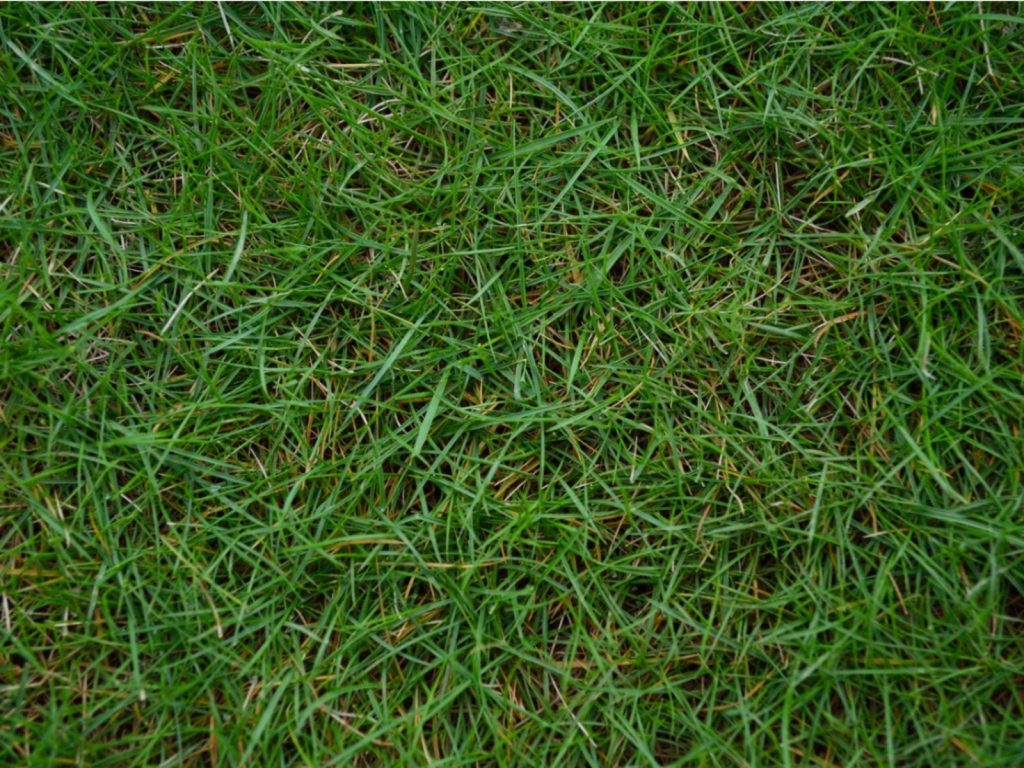
The main requirement is sunlight. Bermuda grass needs plenty of direct light and usually performs poorly in heavily shaded areas. If your lawn receives strong sunlight throughout the day and you need durable coverage, Bermuda grass is worth considering.
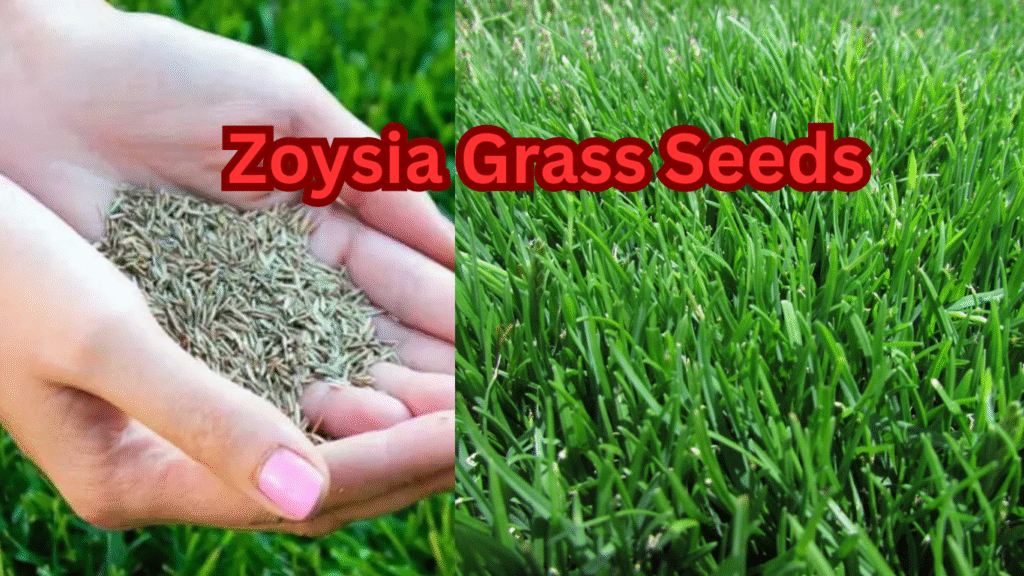
5. Zoysia Grass: Dense Coverage With Less Frequent Care
Zoysia grass has become increasingly popular among homeowners who want a thick lawn without extremely high maintenance. Once established, Zoysia creates a dense layer of turf that feels soft and carpet like. It grows slower than Bermuda grass, but this slower growth can reduce mowing frequency.
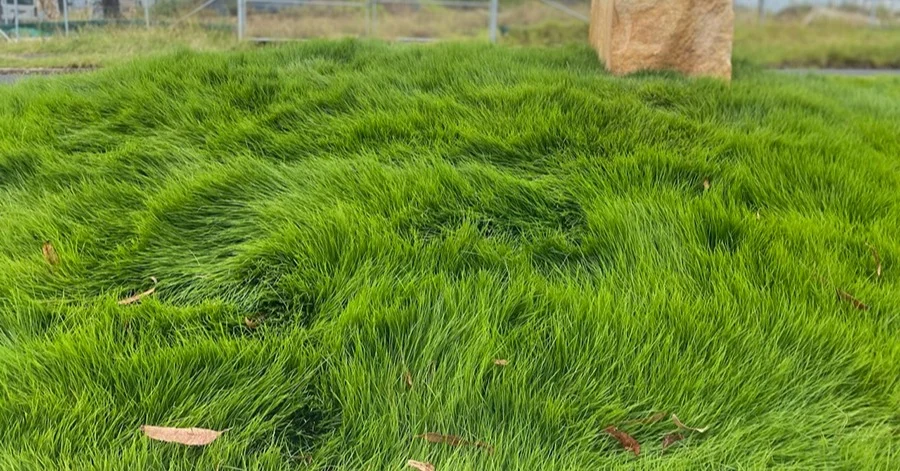
Another advantage is its ability to handle heat and periods of limited rainfall. It can remain attractive even when some other grass varieties begin showing stress. Zoysia is also more shade tolerant than Bermuda, although it still needs reasonable sunlight for healthy growth.
The biggest drawback is patience. Zoysia takes longer to establish, so it may not be ideal for homeowners looking for instant results. For a long term lawn investment, however, it can be an excellent choice.
6. Fine Fescue: A Good Option for Shaded Areas
Many homeowners struggle with one specific lawn problem: grass that refuses to grow under trees. Fine fescue is one of the better options for these areas because it can tolerate lower light conditions compared with many other grasses.
Fine fescue is actually a group of grasses that includes varieties such as creeping red fescue and hard fescue. These grasses have thin blades and create a softer appearance. They are often included in mixtures designed for challenging areas where sunlight is limited.
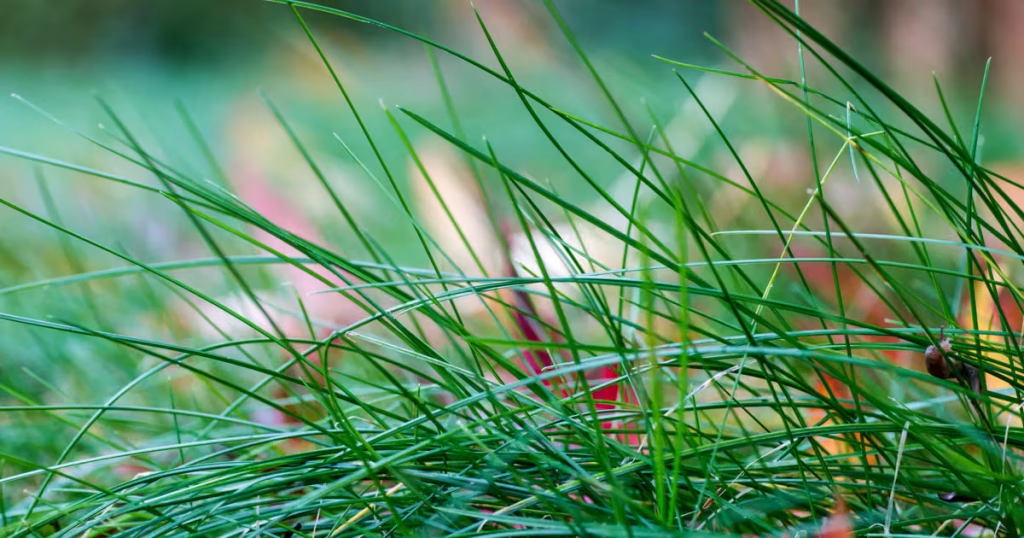
A sun and shade grass seed blend often contains fine fescue because of its ability to handle partial shade. The downside is that fine fescue is not the best choice for heavy foot traffic. It performs better in quieter areas of the yard.
7. Centipede Grass: A Simple Choice for Warm Regions
Centipede grass is popular among homeowners who want a low maintenance lawn in warm climates. Unlike some aggressive grasses, centipede grows at a slower pace. This means it usually requires less mowing and fewer inputs.
It can perform well in acidic soils and does not require heavy fertilization. The appearance is usually lighter green compared with Bermuda or Kentucky bluegrass, but many homeowners appreciate its easy care nature.
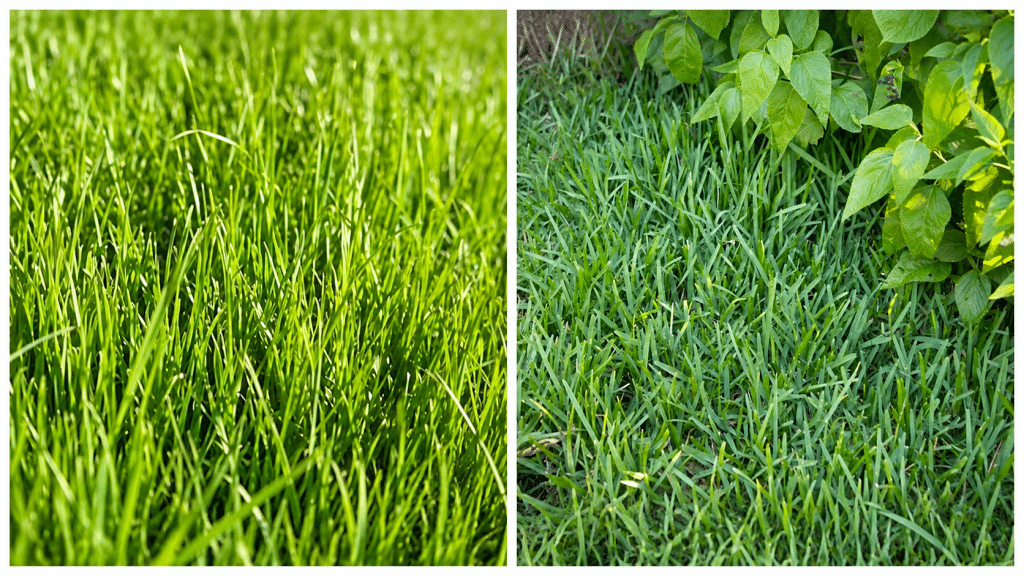
Centipede grass works best in warm areas with moderate rainfall and plenty of sunlight. It is not designed for heavy traffic areas, so it may not be the right choice for busy backyards.
8. Buffalo Grass: A Smart Choice for Dry, Low Maintenance Lawns
Keeping a lawn green during dry weather can be challenging, especially in areas where water restrictions are common. Many traditional lawn grasses need regular irrigation to maintain their color, but buffalo grass takes a different approach.
Buffalo grass is a warm season native grass that has adapted well to dry conditions. Its root system allows it to search deeper into the soil for available moisture, helping it survive periods when rainfall is limited.
Homeowners who choose buffalo grass are usually not looking for a perfectly polished golf course style lawn. Instead, they want something practical that can stay healthy without constant watering and maintenance.
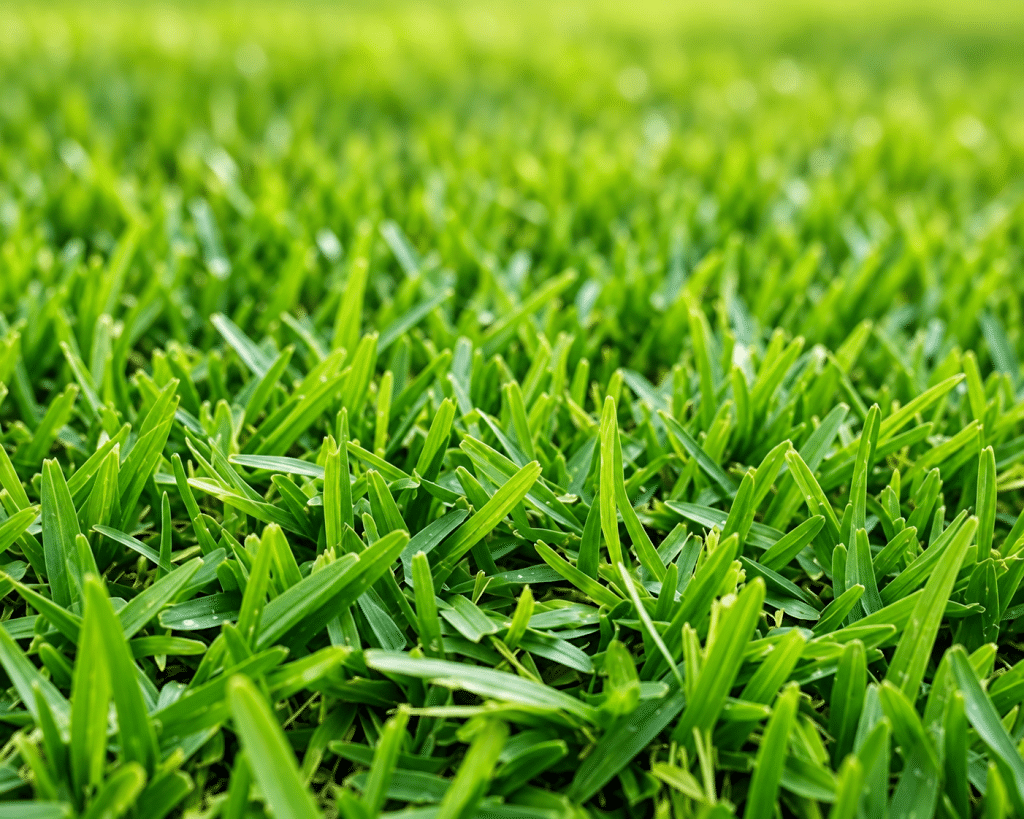
The appearance is more natural compared with heavily irrigated lawn varieties. During periods of drought, buffalo grass may become less green, but it can recover when moisture returns. This grass performs best in open areas with plenty of sunlight. It is a good match for homeowners who want to reduce water use and spend less time on lawn maintenance.
According to turfgrass specialists at Colorado State University, buffalo grass is recognized as one of the more drought tolerant native turf options for suitable regions.
Reference:
Colorado State University Extension, Buffalo Grass Lawns
9. Bahia Grass: A Tough Grass for Challenging Soil
Not every property has ideal lawn conditions. Some yards have sandy soil, low fertility, or areas where high maintenance grasses fail to establish properly. Bahia grass is often considered for these situations because it can survive where more demanding varieties struggle.
One of the reasons Bahia grass performs well in difficult environments is its deep root system. These roots help the plant access moisture below the soil surface and improve its ability to handle dry periods.
Bahia grass is not usually chosen because it creates the softest or most refined lawn appearance. The blades are coarser, and seed heads can appear if growth is not managed properly.
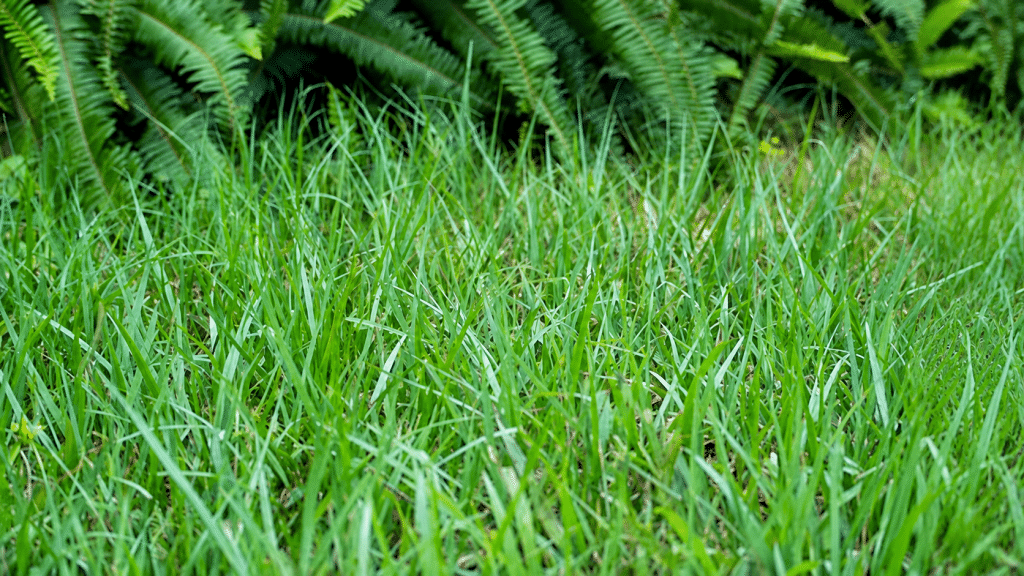
However, for large properties, roadside areas, or homeowners who prefer a durable lawn over a perfectly manicured look, Bahia grass can be a practical option.
It is commonly grown in warm climates where soil quality and water availability are major concerns. The important thing is understanding its purpose. Bahia grass is designed for reliability, not for creating a luxury lawn appearance.
Reference:
University of Florida IFAS Extension, Bahiagrass for Florida Lawns
10. Annual Ryegrass: A Temporary Green Cover During Winter
Annual ryegrass has a different role compared with permanent lawn grasses. Many homeowners use it as a seasonal grass rather than a long term lawn solution. In warm regions, grasses such as Bermuda grass often become dormant during cooler months. Annual ryegrass can be planted during this period to provide temporary green coverage.
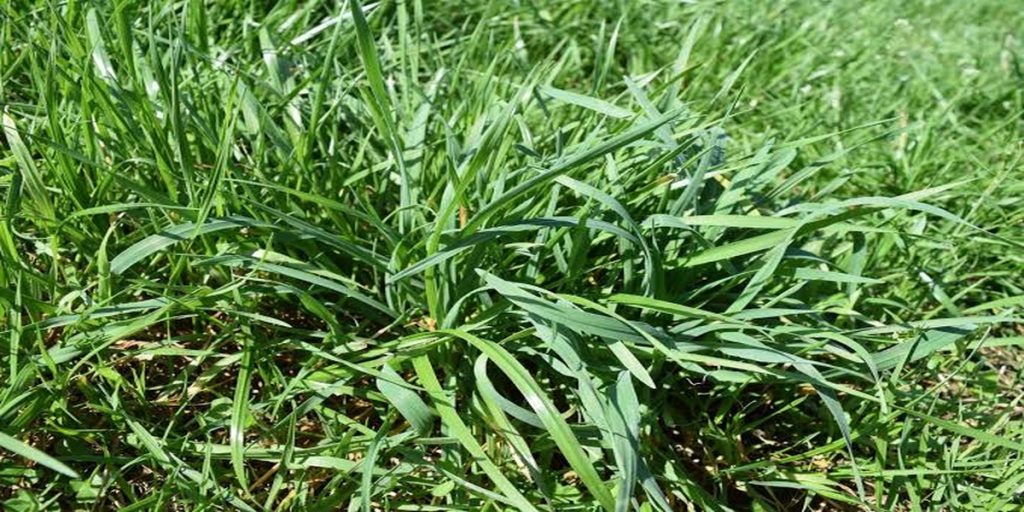
Its biggest advantage is speed. The seed germinates quickly and can create visible growth in a short period when conditions are suitable. This makes it useful for winter overseeding projects where homeowners want to maintain a green appearance while their warm season grass is resting.
However, annual ryegrass eventually declines when temperatures rise. It is not designed to remain as a permanent lawn in most situations. For this reason, it is usually combined with an established warm season grass rather than used alone.
Choosing the Best Grass Seed for Overseeding
Overseeding is one of the simplest ways to improve an aging lawn without completely starting over. Over time, lawns naturally become thinner because of foot traffic, weather stress, insects, disease, and changing soil conditions. Adding new seed helps introduce younger plants and improve lawn density.
The best grass seed for overseeding depends on the grass already growing in your yard. For cool season lawns, common choices include:
Perennial Ryegrass
Many homeowners use perennial ryegrass because it establishes quickly and provides faster coverage. It is especially useful when a lawn needs improvement before slower growing varieties become fully established.
Tall Fescue
Tall fescue is often selected when durability is important. Its deeper roots help it handle heat and periods of limited moisture.
Fine Fescue
Fine fescue works well in lawns where shade is a problem. It is often included in mixtures designed for areas with reduced sunlight.
Kentucky Bluegrass
Kentucky bluegrass can help improve density because it spreads naturally and fills small gaps over time.
A successful overseeding project requires more than spreading seed.
Good preparation usually includes:
- Cutting the existing grass slightly shorter
- Removing leaves and excess thatch
- Loosening compacted soil
- Applying seed evenly
- Maintaining moisture until new grass becomes established
A common mistake is placing seed on hard, compacted soil and expecting strong growth. Grass seed needs good contact with the soil surface to germinate properly.
Best Grass Seed Based on Your Problem
Problem → Recommended Grass
| Lawn Problem | Better Choice |
|---|---|
| Dry lawn | Buffalo Grass / Tall Fescue |
| Heavy traffic | Bermuda Grass |
| Shade problem | Fine Fescue |
| Bare spots | Perennial Ryegrass |
| Low maintenance | Tall Fescue |
| Thick carpet-like lawn | Zoysia |
Repairing Bare Spots With the Right Grass Seed
Bare patches are one of the most common lawn problems. They can appear after pet activity, heavy foot traffic, construction work, disease, insect damage, or poor sunlight conditions.
Many homeowners search for grass seed for bare spots, but the fastest growing option is not always the best long term solution. A quick repair mix containing fast growing grass seed can make damaged areas look better sooner. Perennial ryegrass is often included because it establishes quickly.
However, the new grass should match the existing lawn.
For example, planting a warm season grass into a cool season lawn may create differences in color, texture, and growth pattern.
- Before repairing a patch, identify why the area failed.
- If the problem is shade, choose a shade tolerant variety.
- If the problem is compacted soil, improve the soil first.
- If the problem is heavy traffic, select a tougher grass type.
- Fixing the cause is usually more effective than repeatedly adding new seed.
Mistakes That Prevent Grass Seed From Growing
Even high quality seed can fail when basic planting mistakes are made.
Selecting Grass Based Only on Appearance
A lawn shown on a seed package may look attractive, but the same grass may not survive in your climate. Always consider your growing conditions first.
Planting at the Wrong Time
Grass has specific temperature requirements. Cool season grasses generally perform better when planted during cooler growing periods, while warm season grasses need warmer soil conditions.
Adding Too Much Water
New seed needs consistent moisture, but excessive watering can create weak growth and encourage disease problems. The goal is keeping the soil moist, not creating standing water.
Skipping Soil Preparation
Healthy grass begins with healthy soil. Poor drainage, compacted soil, and incorrect soil pH can limit growth even when the seed quality is excellent.
Practical Tips for Growing a Healthier Lawn
A thick lawn is usually the result of several small decisions working together.
Test Your Soil Before Major Changes
A soil test can show whether your lawn has nutrient problems or an unsuitable pH level. Many university extension programs recommend soil testing before applying large amounts of fertilizer.
Keep the Correct Mowing Height
Cutting grass too short can weaken the plant and expose the soil to heat. Keeping the recommended height for your grass type helps maintain stronger roots.
Water Less Often but More Deeply
Frequent shallow watering encourages weaker roots. Deeper watering encourages roots to grow further into the soil.
Be Patient After Planting
Grass needs time to establish. Some varieties appear quickly, while others develop slowly but become stronger over time.
Grass Seed Buying Checklist
- Before purchasing grass seed, check:
- Your climate zone
- Amount of sunlight
- Soil condition
- Water availability
- Foot traffic level
- Maintenance time
Choosing seed without checking these factors is one of the main reasons lawns fail.
Common Grass Seed Buying Mistakes
Many lawn problems start before planting begins.
Common mistakes include:
1. Choosing grass because the package looks attractive
2. Ignoring sunlight conditions
3. Selecting a variety that does not match the climate
4. Buying the fastest-growing seed instead of the right seed
5. Skipping soil preparation
A small amount of planning before planting can save time and money later.
Final Thoughts
Choosing the best grass seed is not about buying the most expensive bag or choosing the variety with the biggest marketing claims. A successful lawn starts with understanding your own yard. The right grass combined with proper soil preparation, correct watering, and regular maintenance will always perform better than a random seed choice.
Before planting, spend some time studying your lawn. A few careful decisions at the beginning can save significant effort later.
References
- Colorado State University Extension. Buffalo Grass Lawns
- University of Florida IFAS Extension. Bahiagrass for Florida Lawns
- Penn State Extension. Lawn Renovation and Overseeding
- University of Minnesota Extension. Lawn Care and Turfgrass Management
- United States Department of Agriculture Plant Database
Frequently Asked Questions
What is the best grass seed for a thick green lawn?
The right choice depends on climate, sunlight, soil, and lawn use. Kentucky bluegrass works well in many cool regions, while Bermuda and Zoysia are common choices for warmer areas.
Which grass seed grows the fastest?
Perennial ryegrass is considered one of the faster establishing grass varieties. It is commonly used for lawn repairs and overseeding projects.
What grass seed is best for drought conditions?
Tall fescue, buffalo grass, and some Zoysia varieties can handle dry conditions better than many other grasses. The best option depends on your local climate.
Can grass grow in shaded areas?
Yes, but the grass variety must tolerate lower light. Fine fescue and certain shade grass mixtures usually perform better than sun loving varieties.
How long does new grass seed take to grow?
Growth depends on grass type, soil temperature, moisture, and weather conditions. Some grasses germinate within days, while others require several weeks to establish.

Thesis Link : https://saulibrary.edu.bd/daatj/public/uploads/BAU200601_19-Pp_5.pdf
- Best Grass Seed – 10 Top Choices for a Thick Green Lawn - October 1, 2026
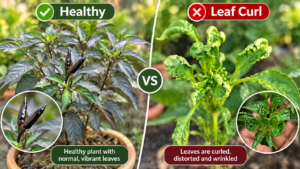
- Why Are My Pepper Plant Leaves Curling? 9 Causes & Fixes - September 17, 2026
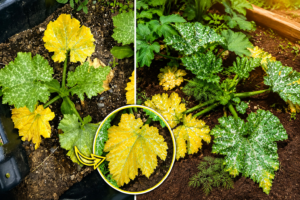
- Why Are My Zucchini Leaves Turning Yellow? Causes & Fixes - August 31, 2026