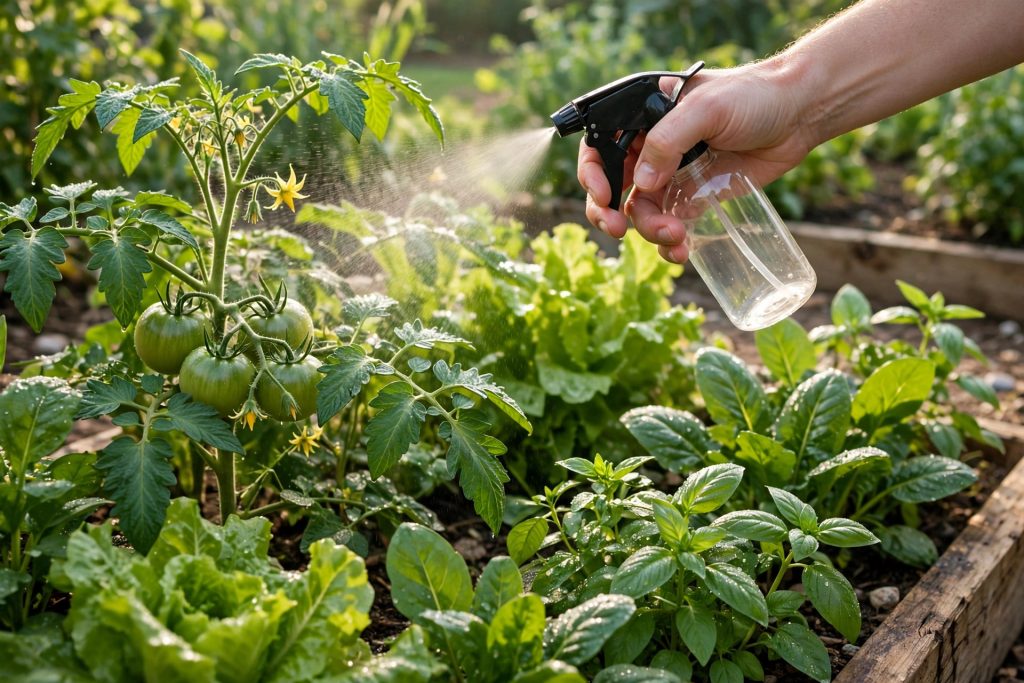

Aphids on the roses, cabbage worms on the kale, spider mites on the tomatoes. Every gardener meets them, and the question that follows is always the same: what is the best organic pesticide for a home garden, and which one fits the pest in front of you?
No single spray wins every fight. Neem oil smothers soft-bodied insects and slows feeding, but it will not stop a hornworm already eating your tomatoes. Bacillus thuringiensis, or Bt, kills caterpillars with surgical precision, but it does nothing to aphids. Spinosad knocks down thrips and caterpillars fast, yet it is toxic to bees while the spray is still wet. Picking the right product starts with naming the pest, and that is what this guide does.
Below are 10 real products, every one verified against its manufacturer label, official product page, or safety data sheet in November 2026. Each section gives the active ingredient, what it controls, the size it comes in, and an editorial score with the reason behind it. The scores come from verified specifications and owner feedback, not from hands-on testing. We did not test these products in our own garden, and we do not claim otherwise.
Quick Recommendation
Short on time? Start here.
- Best overall: Bonide Captain Jack’s Deadbug Brew. Spinosad covers the widest list of common garden pests, from caterpillars and thrips to beetles and leaf miners, and it is approved for organic gardening.
- Best for caterpillars only: Monterey B.t. It kills worms and caterpillars and, when used as directed, has no effect on birds, earthworms, or beneficial insects such as honeybees and ladybugs.
- Best all-rounder for vegetables: Garden Safe Neem Oil Extract. One bottle works as an insecticide, a miticide, and a fungicide, and you can use it up to the day you harvest.
- Best for soft-bodied pests on edibles: Safer Brand Insect Killing Soap. It is the gentlest option here for food crops, and it is safe to use on the day of harvest.
- Best for a fast knockdown: Bonide Pyrethrin Garden Insect Spray. Pyrethrin kills on contact within minutes, but keep it away from blooming flowers because it kills bees on contact too.
- Best dry powder: Harris Diatomaceous Earth Food Grade. It costs little, leaves no chemical residue, and works as long as it stays dry, but it is a weak choice for slugs.
If you only buy one bottle this season, buy the one that matches your worst pest, not the one with the highest score. A spray that cannot touch your pest is worth nothing, however well it scores.
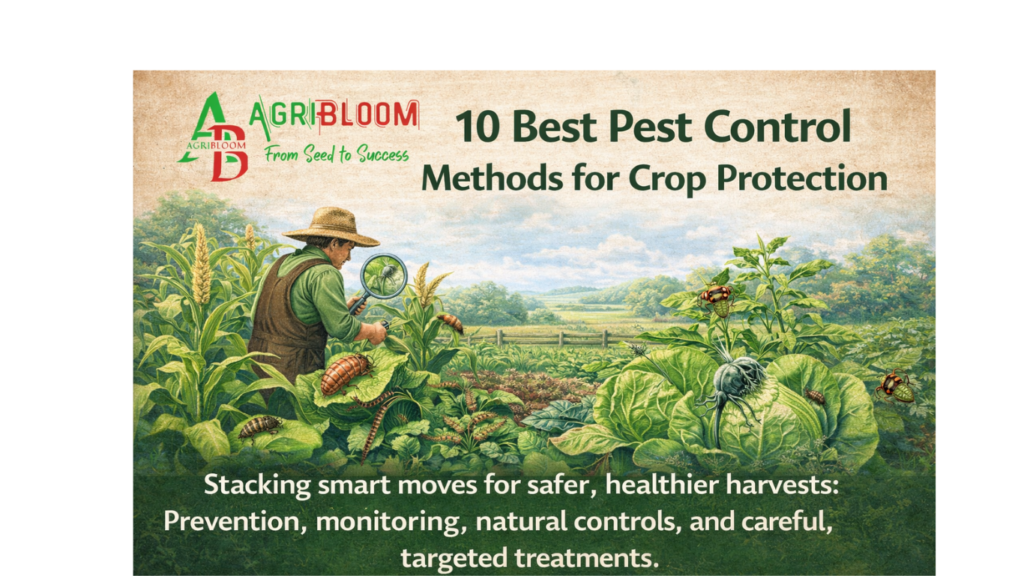
Before choosing a spray, it helps to see how the main pest control methods compare. The guide below sets out the wider options for crop protection.
Organic Pesticides at a Glance
| Product | Type | Best For | Our Rating |
|---|---|---|---|
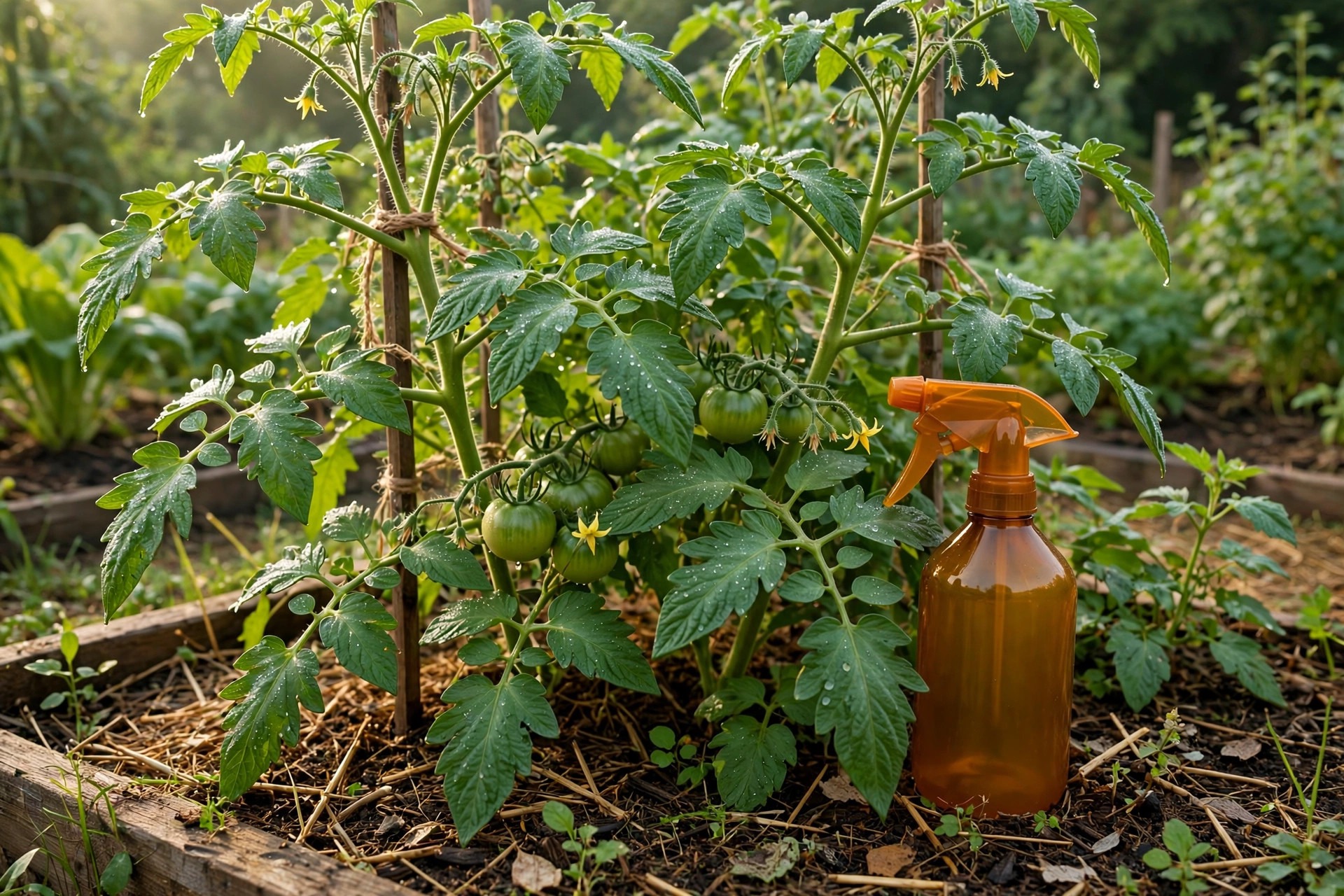 1. Bonide Captain Jack’s Deadbug Brew | Spinosad spray | Caterpillars, thrips, beetles | 9.2 |
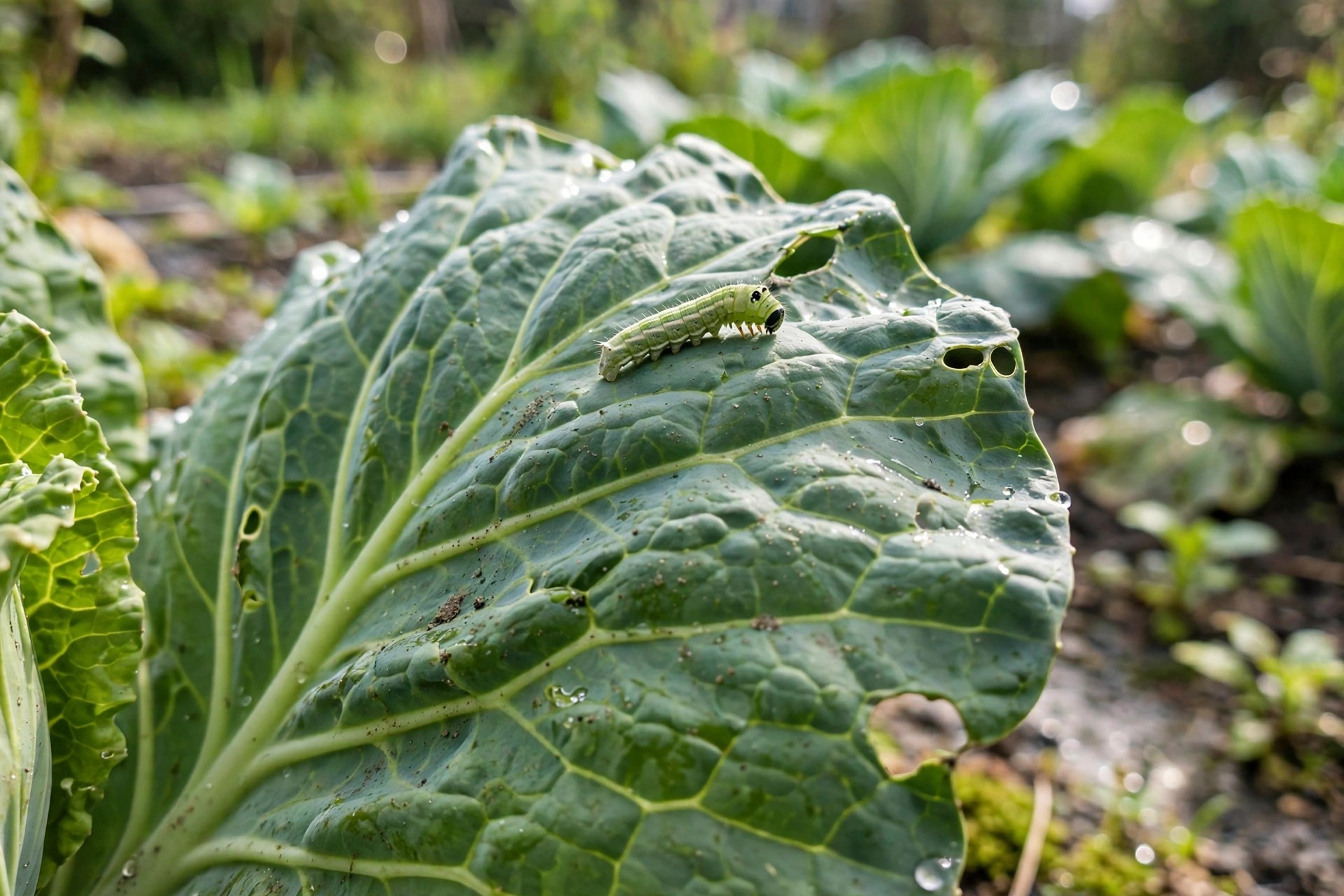 2. Monterey B.t. | Bt biological spray | Caterpillars and worms only | 8.9 |
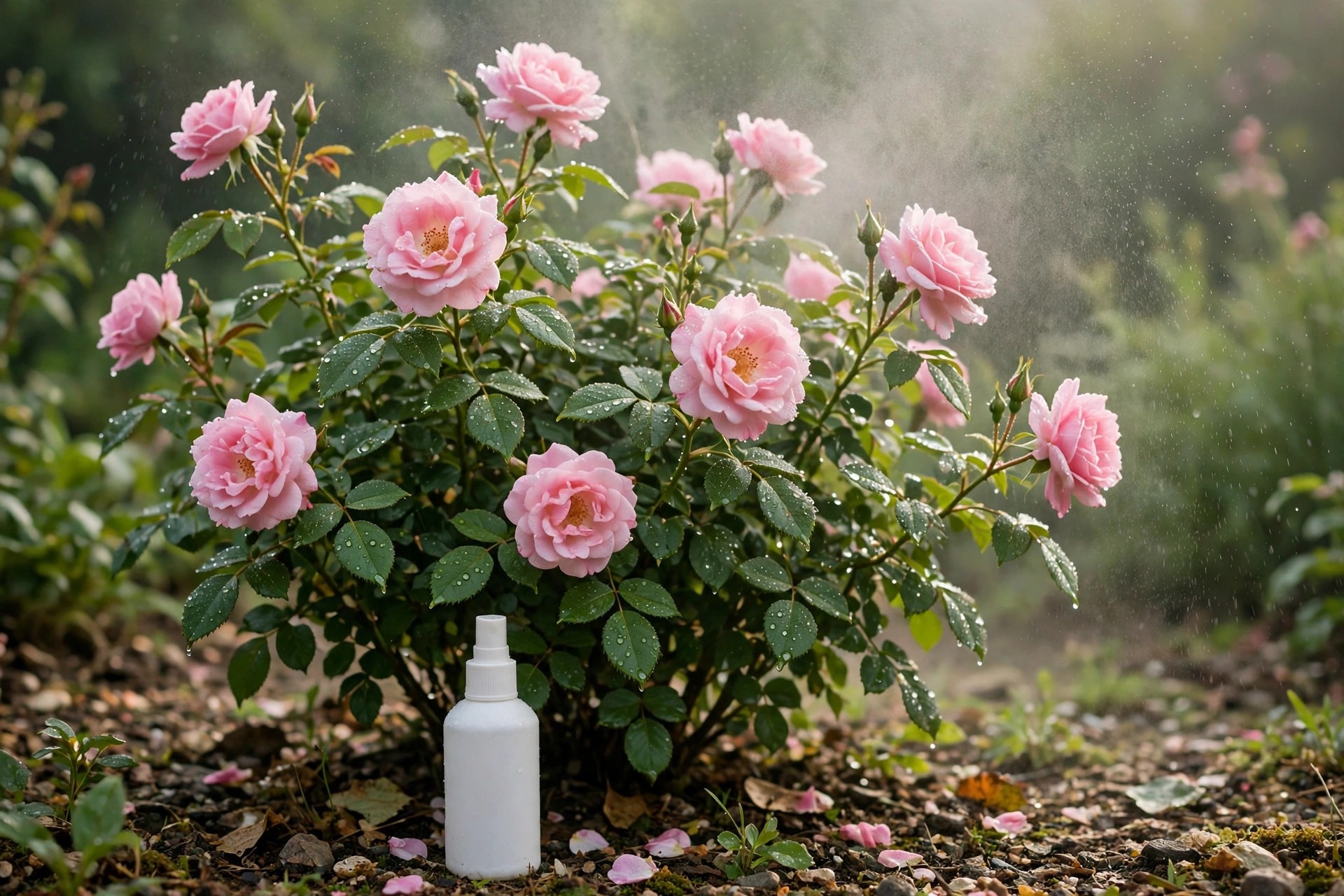 3. Garden Safe Neem Oil Extract | Neem oil 3-in-1 | Vegetables, roses, houseplants | 8.8 |
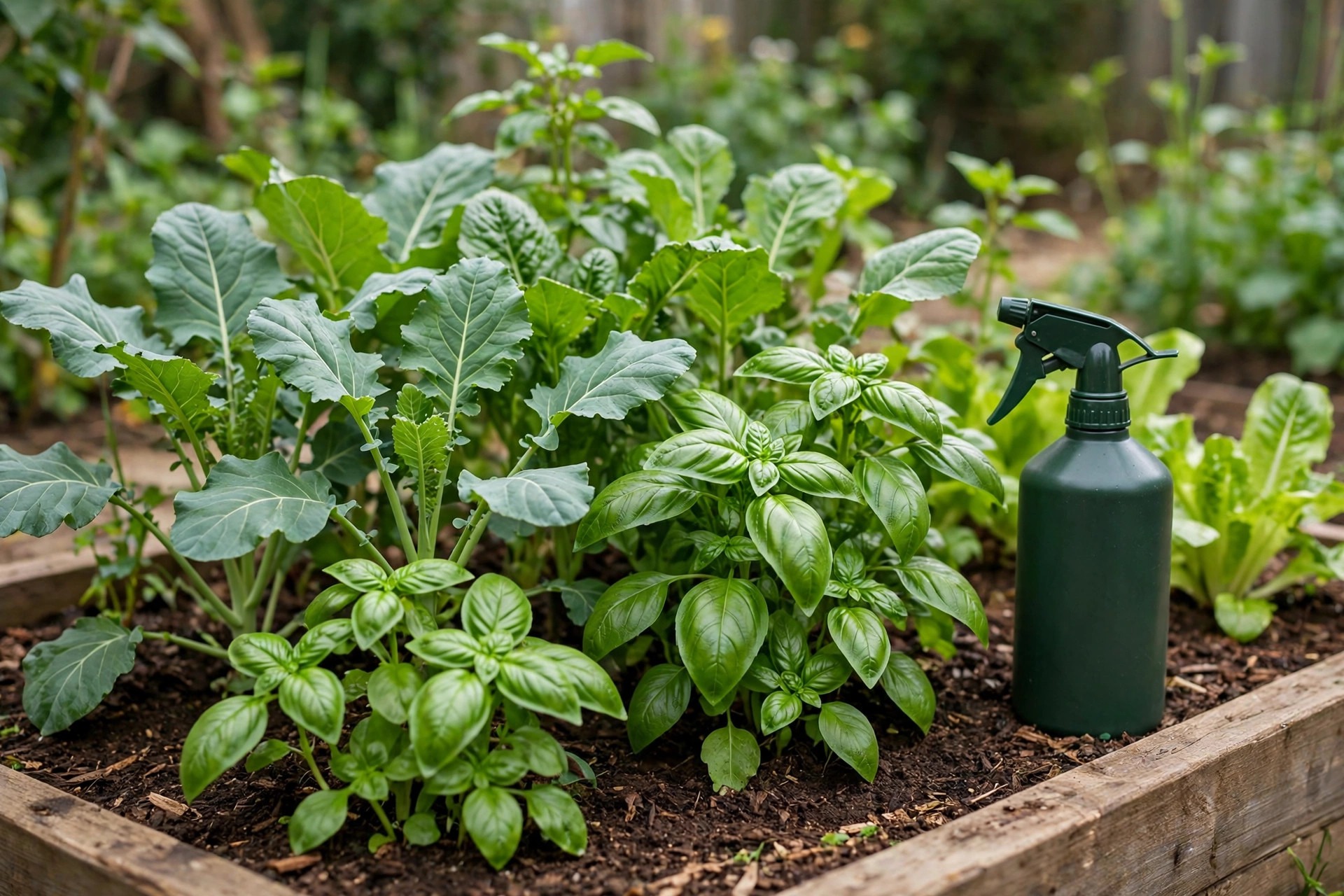 4. Bonide Captain Jack’s Neem Max | Cold-pressed neem oil | Pests plus fungal disease | 8.7 |
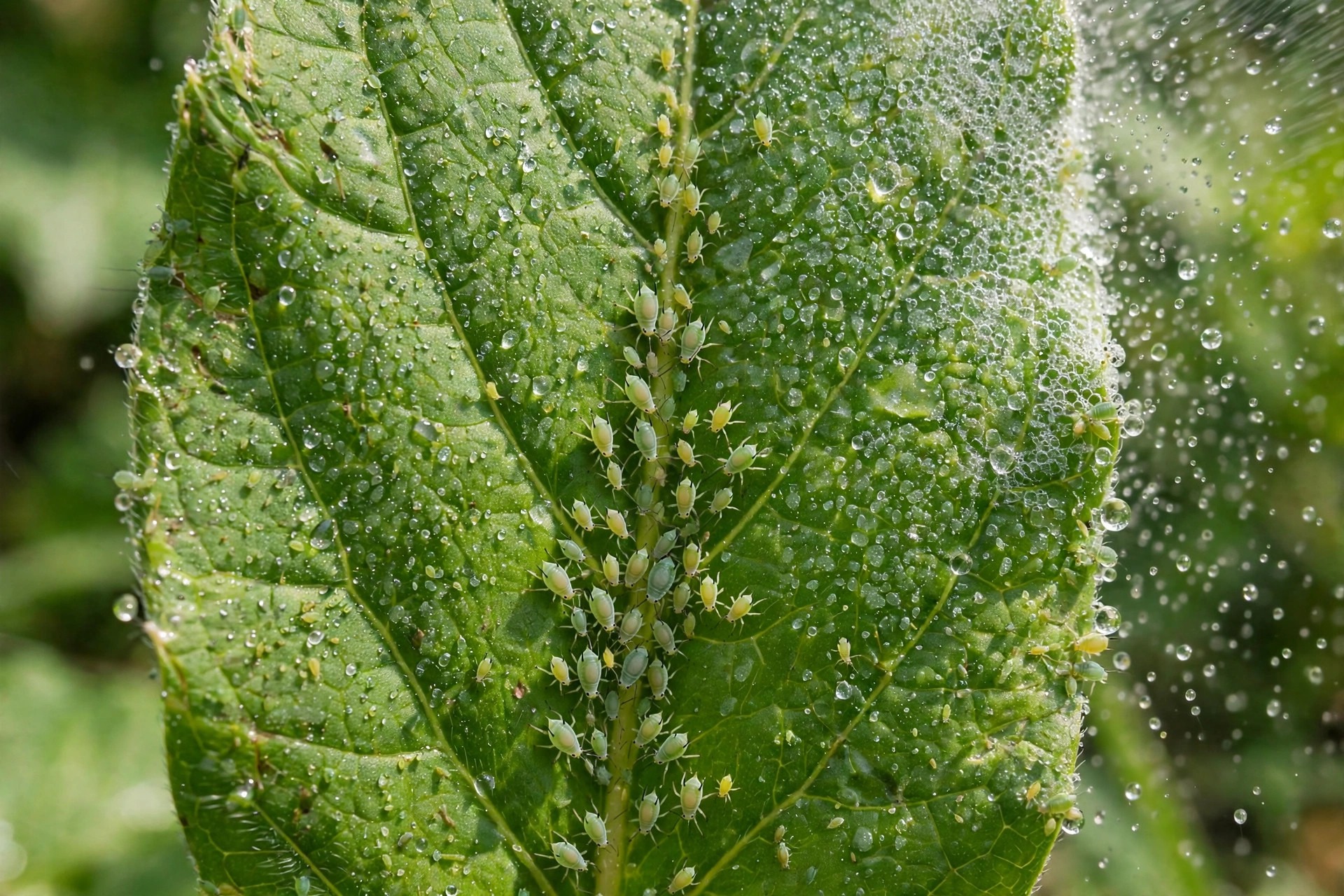 5. Safer Brand Insect Killing Soap | Insecticidal soap | Aphids, mites, whiteflies on edibles | 8.6 |
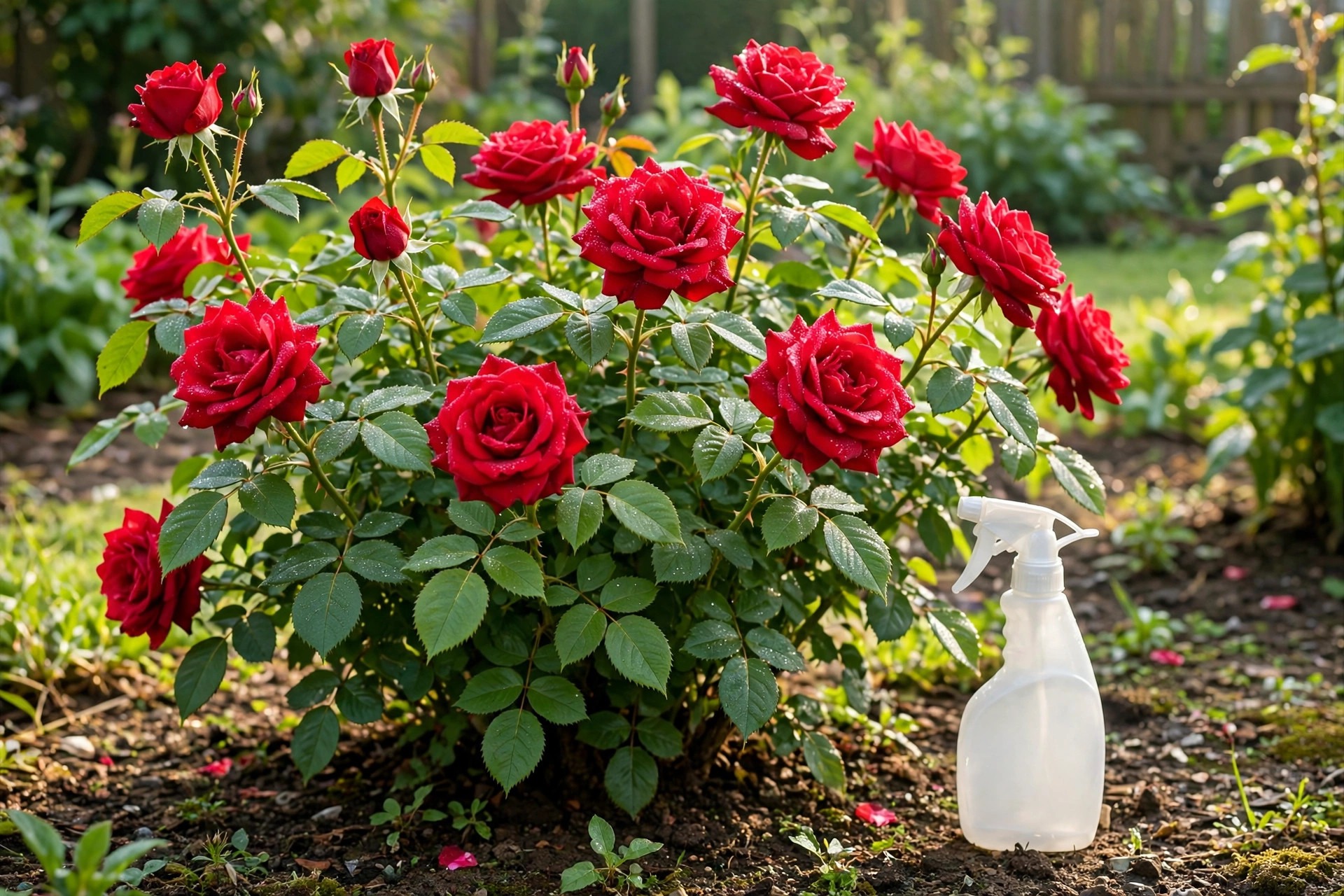 6. Safer Brand 3-in-1 Garden Spray | Soap plus sulfur | Insects plus powdery mildew | 8.5 |
 7. Bonide All Seasons Spray Oil | Mineral oil | Scale, mites, overwintering eggs | 8.5 |
 8. Bonide Pyrethrin Garden Spray | Pyrethrin botanical | Fast knockdown of many insects | 8.4 |
 9. Southern Ag Pyrethrin Concentrate | Pyrethrin botanical | Budget pyrethrin for vegetables | 8.3 |
 10. Harris Diatomaceous Earth | Mineral powder | Beetles, crawling insects | 8.0 |
1. Bonide Captain Jack’s Deadbug Brew Concentrate
Type: Spinosad liquid concentrate. Active ingredient: Spinosad 0.5%. Size: 16 fl oz concentrate. EPA Reg. No.: 4-471. Organic status: Approved for organic gardening. Spinosad is classified as an organic substance by the USDA National Organic Standards Board, but this product is not OMRI Listed: OMRI listing is a separate third-party review that a product meets National Organic Program input standards, and being usable in organic gardening is not the same as holding an OMRI listing.
Spinosad comes from a naturally occurring soil bacterium, Saccharopolyspora spinosa, first collected from an abandoned rum distillery on a Caribbean island in 1982. The label lists bagworms, borers, beetles, caterpillars, codling moth, gypsy moth, spider mites, loopers, leaf miners, tent caterpillars, and thrips, the longest pest list here, and states it does not significantly impact predatory beneficial insects, predatory mites, and spiders while controlling target pests.
Quick verdict: Buy this first if caterpillars, thrips, or beetles are your main problem. It is the most versatile bottle in the roundup.
Pros: Widest pest list here. Approved for organic gardening. Cons: Spinosad is highly toxic to bees while the spray is wet and can also harm bees exposed to treated plant surfaces. Avoid spraying blooming plants or applying it while bees are foraging, and always follow the product label’s pollinator-protection instructions. Needs reapplication after heavy rain.
Best for: Vegetable gardeners fighting caterpillars, thrips, and beetles at the same time. Skip if: Your only pest is aphids. A soap spray costs less and does the same job with less risk to bees.
Our rating: 9.2. The broad pest list and organic approval earn the top score, with points off for the bee warning while the spray is wet.
Spinosad is kind to many of the helpers in a garden, and those helpers do a lot of pest control on their own. The guide below introduces the ten beneficial insects that help most.

2. Monterey B.t. Biological Insecticide
Type: Biological liquid concentrate. Active ingredient: Bacillus thuringiensis subspecies kurstaki strain SA-12, 98.35% active in the concentrate (9.83% is the ready-to-use formulation’s level). Size: 1 pint concentrate, makes 24 to 32 gallons of spray. EPA Reg. No.: 70051-106-54705. Organic status: OMRI listed, and acceptable for use on edible plants up to the day of harvest.
Bt is the most precise tool in this guide. The bacterium makes a protein that only switches on inside a caterpillar gut. The worm stops feeding within hours and dies within 1 to 5 days. When used as directed, Monterey B.t. has no effect on birds, earthworms, or beneficial insects such as honeybees and ladybugs, in the label’s own words. The National Pesticide Information Center describes Bt kurstaki as low in toxicity to bees and very low in toxicity to people and other mammals. The catch is the precision itself: Bt only works on caterpillars that eat the sprayed leaf, and sunlight breaks it down in 1 to 4 days, so spray when caterpillars are small and feeding, and repeat after rain.
In short: if the pest is a caterpillar, this is the safest and most targeted answer in the roundup. If the pest is anything else, it will do nothing at all.
Pros: Label states no effect on birds, earthworms, honeybees, and ladybugs when used as directed. One pint makes 24 to 32 gallons. Cons: Controls caterpillars only. Must be eaten to work, so coverage matters. Breaks down fast in sunlight.
Best for: Tomato hornworms, cabbage worms, loopers, and any caterpillar on vegetables or fruit. Skip if: You have aphids, mites, or beetles. Bt will not touch them.
Our rating: 8.9. Near-perfect safety and value earn the score, with points off because it solves only one pest family.
Bt is a living control, one of several biopesticides that use microbes and natural enemies instead of chemicals. The guide below explains how they work.

3. Garden Safe Neem Oil Extract Concentrate
Type: Clarified hydrophobic neem oil extract, liquid concentrate. Active ingredient: Clarified hydrophobic extract of neem oil, 70%. Size: 10 fl oz and 1 gallon concentrates. Organic status: OMRI listed for organic gardening.
This is the bottle most gardeners reach for first. It does three jobs at once: insecticide against aphids, whiteflies, and other listed insects, miticide against spider mites, and fungicide against powdery mildew, black spot, downy mildew, anthracnose, rust, leaf spot, and botrytis. The label covers fruits, vegetables, herbs, roses, houseplants, flowers, trees, and shrubs, and it can be used up to the day of harvest. The National Pesticide Information Center rates neem oil as practically non-toxic to birds, mammals, bees, and plants, while noting it is slightly toxic to fish, so keep it away from ponds and streams.
Quick verdict: The best single bottle for a mixed vegetable and flower garden. It handles the two problems most gardeners face together: insects and fungal disease.
Pros: Three products in one. OMRI listed. Safe to use up to harvest day. Cons: Works slowly. Oil can burn leaves in hot sun, so spray in the evening and never above 90 degrees Fahrenheit.
Best for: Gardeners who want one bottle for aphids, mites, and powdery mildew on vegetables and roses. Skip if: You need a caterpillar killed today. Bt or spinosad will do that faster.
Our rating: 8.8. Versatility and safety earn the score, with points off for slow action and the heat limit.
4. Bonide Captain Jack’s Neem Max Concentrate
Type: Cold-pressed neem oil, liquid concentrate. Active ingredient: Cold-pressed neem oil, 70%. Size: 8 fl oz and 16 fl oz concentrates. EPA Reg. No.: 88760-10-4. Organic status: Approved for organic gardening. It is not OMRI Listed.
Neem Max is the stronger cousin of the Garden Safe extract. Cold-pressed neem oil keeps the full spectrum of active compounds from the neem seed, including azadirachtin, while clarified hydrophobic extract has much of the azadirachtin removed. The result is a 4-in-1 product: fungicide, insecticide, miticide, and nematicide. The label covers vegetables, tree fruits, nuts, vines, citrus, ornamentals, flowers, and shrubs, and it mixes with water only. The trade-off is cost per ounce and the same oil rules: spray in the evening, keep it off hot leaves, and keep it away from water where fish live.
Who it suits: Gardeners who already like neem oil and want the full-strength, cold-pressed version, especially if soil pests like nematodes are also a problem.
Pros: Full-spectrum cold-pressed neem with azadirachtin intact. 4-in-1 action, including nematodes. Cons: Costs more per ounce than the Garden Safe extract. Same slow action and oil burn risk as other neem products.
Best for: Gardens with both insect and fungal problems, plus soil pests. Skip if: You only need a simple aphid spray. The Garden Safe extract costs less and does that job.
Our rating: 8.7. The stronger formula earns the score, with a point off for price and the same heat limits as other oils.
5. Safer Brand Insect Killing Soap Concentrate
Type: Insecticidal soap, liquid concentrate. Active ingredient: Potassium salts of fatty acids, 49.52%. Size: 16 fl oz concentrate, makes up to 6 gallons. EPA Reg. No.: 42697-60. Organic status: OMRI Listed and compliant for use in organic gardening.
Insecticidal soap is the oldest and simplest idea in this roundup. The fatty-acid salts in insecticidal soap disrupt the cell membranes of susceptible soft-bodied insects, causing them to lose essential fluids and die. The spray must make direct contact with the pest to work effectively, and the pest dries out and dies on contact. The Safer label lists aphids, earwigs, grasshoppers, harlequin bugs, leafhoppers, mealybugs, mites, plant bugs, psyllids, sawfly larvae, soft scales, spider mites, and whiteflies. It can be used up to the day of harvest, and it does not persist in the environment. The honesty check matters here: soap only kills what it touches, and it has no residual effect, so coverage, including the undersides of leaves, and repeat sprays every few days matter.
Quick verdict: The gentlest effective spray for food crops. Keep a bottle mixed and ready during aphid season.
Pros: OMRI Listed. Safe to use up to harvest day. No residue left in the soil. Cons: Contact only, no lasting effect. Needs complete coverage. Useless against caterpillars and hard-shelled beetles.
Best for: Aphids, whiteflies, and spider mites on vegetables, herbs, and houseplants. Skip if: The pest has a hard shell or chews leaves. Soap cannot reach it.
Our rating: 8.6. The safety profile and harvest-day use earn the score, with points off because it only works on contact.
6. Safer Brand 3-in-1 Garden Spray Concentrate
Type: Insecticidal soap plus sulfur, liquid concentrate. Active ingredients: Potassium salts of fatty acids, 12.38%, and sulfur, 6.48%. Size: 16 fl oz, 1 quart, and 1 gallon concentrates. EPA Reg. No.: 59913-13. Organic status: OMRI Listed and compliant for use in organic gardening.
This is the soap from the last section with a second job added. Sulfur is one of the oldest fungicides still in use, and here it is mixed with insecticidal soap so one spray kills soft-bodied insects and controls powdery mildew, black spot, leaf spot, and rust at the same time. The label covers fruits, vegetables, flowers, roses, trees, shrubs, and houseplants. It earns its place because gardeners rarely face one problem at a time: roses with aphids often have black spot too, and a single spray that addresses both saves a second trip with the sprayer.
In short: buy this when insects and fungal disease arrive together, which they usually do in a damp summer.
Pros: Three jobs in one bottle: fungicide, insecticide, and miticide. Sulfur is a proven, long-used fungicide. Cons: Sulfur can scorch leaves in hot weather, so spray in cool hours. Do not combine it with oil sprays on the same plant without checking the label first. Not for indoor plants, per the label.
Best for: Roses and vegetables facing insects and fungal disease at the same time. Skip if: You only have insects and no disease. The plain soap is cheaper and simpler.
Our rating: 8.5. The useful combination earns the score, with points off for the sulfur heat limit and the label restrictions.
7. Bonide All Seasons Horticultural & Dormant Spray Oil Concentrate
Type: Refined mineral oil, liquid concentrate. Active ingredient: Refined mineral oil, 98%. Size: 1 pint concentrate makes 16 to 80 gallons of spray; also sold in quart and gallon sizes. EPA Reg. No.: 4-80. Organic status: Approved for organic gardening and the production of organic produce and ornamentals. It is not OMRI Listed.
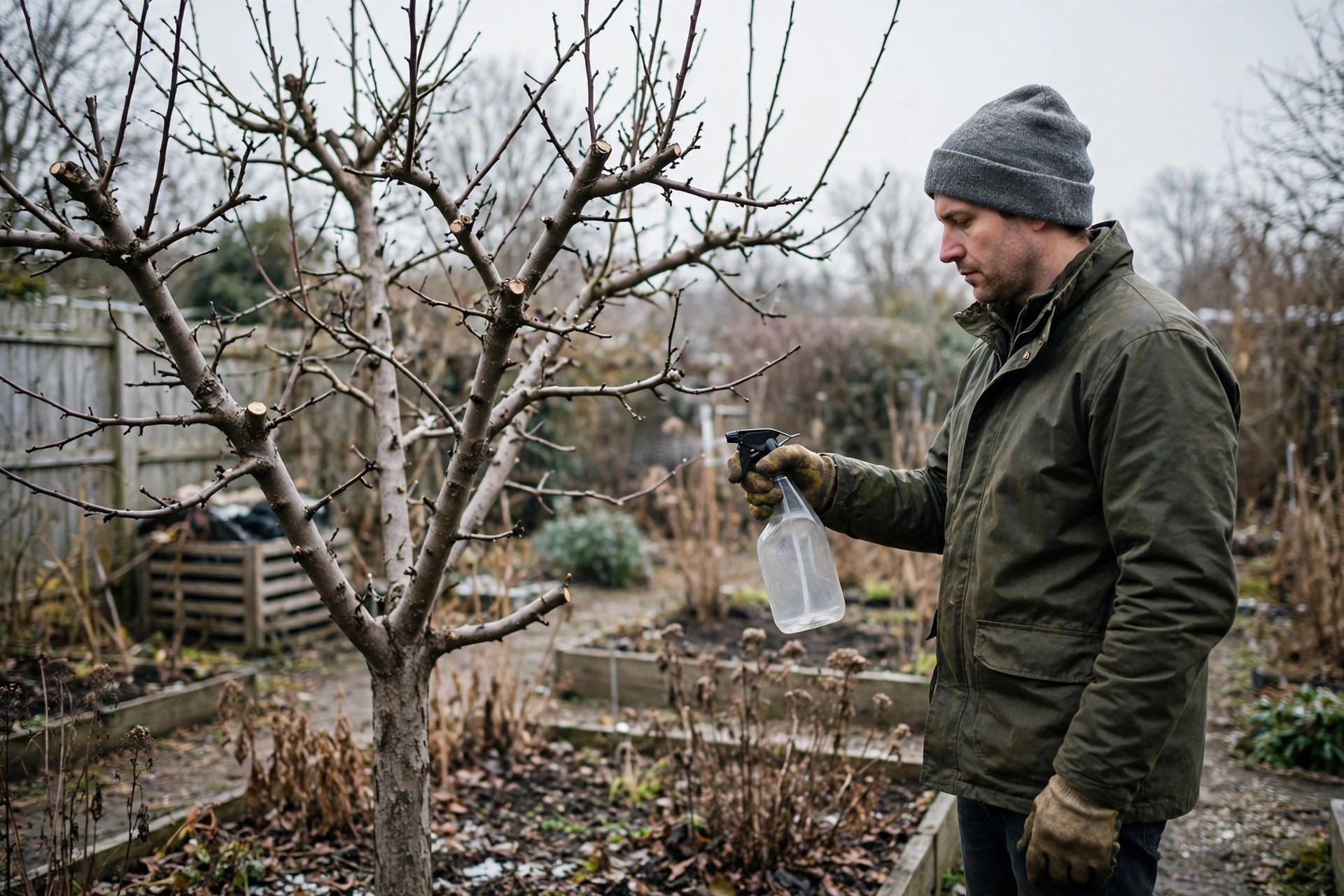
This is the only product here that works in winter. All Seasons is a self-emulsifying mineral oil that kills by smothering: it coats insects, eggs, larvae, and adults and cuts off their air. The label lists scale insects, mealybugs, apple aphids, European red spider mites, and leaf miners, and it can be used as a dormant spray on bare branches, a delayed-dormant spray at green tip, or a growing-season spray on leaves. A thorough oil spray in late winter kills the eggs that would become the spring aphid and mite outbreak, which is work no other product in this roundup can do. The temperature rules are strict: do not apply when it is hotter than 90 degrees Fahrenheit or colder than 40.
Who it suits: Fruit tree and rose growers who want to cut next spring’s pest pressure in late winter, and anyone fighting scale insects.
Pros: Works year-round, including the dormant season. Kills eggs, which most sprays cannot touch. Very cheap per gallon of mixed spray. Cons: Strict temperature limits. Can burn leaves in sun. Smothering only works with full coverage.
Best for: Dormant fruit trees, roses, and ornamentals with scale or mite problems. Skip if: You have no trees or shrubs, or you only grow annual vegetables. Other products fit better.
Our rating: 8.5. The unique dormant-season job and low cost earn the score, with points off for the temperature limits.
8. Bonide Pyrethrin Garden Insect Spray Concentrate
Type: Botanical pyrethrin, liquid concentrate. Active ingredients: Pyrethrins, 1%, and piperonyl butoxide, 10%. Size: 8 fl oz and 16 fl oz concentrates. EPA Reg. No.: 4-371. Organic status: Plant-derived pyrethrin; the label does not carry OMRI listing, and the piperonyl butoxide synergist is a synthetic additive, so check your organic program rules before use in a certified bed.
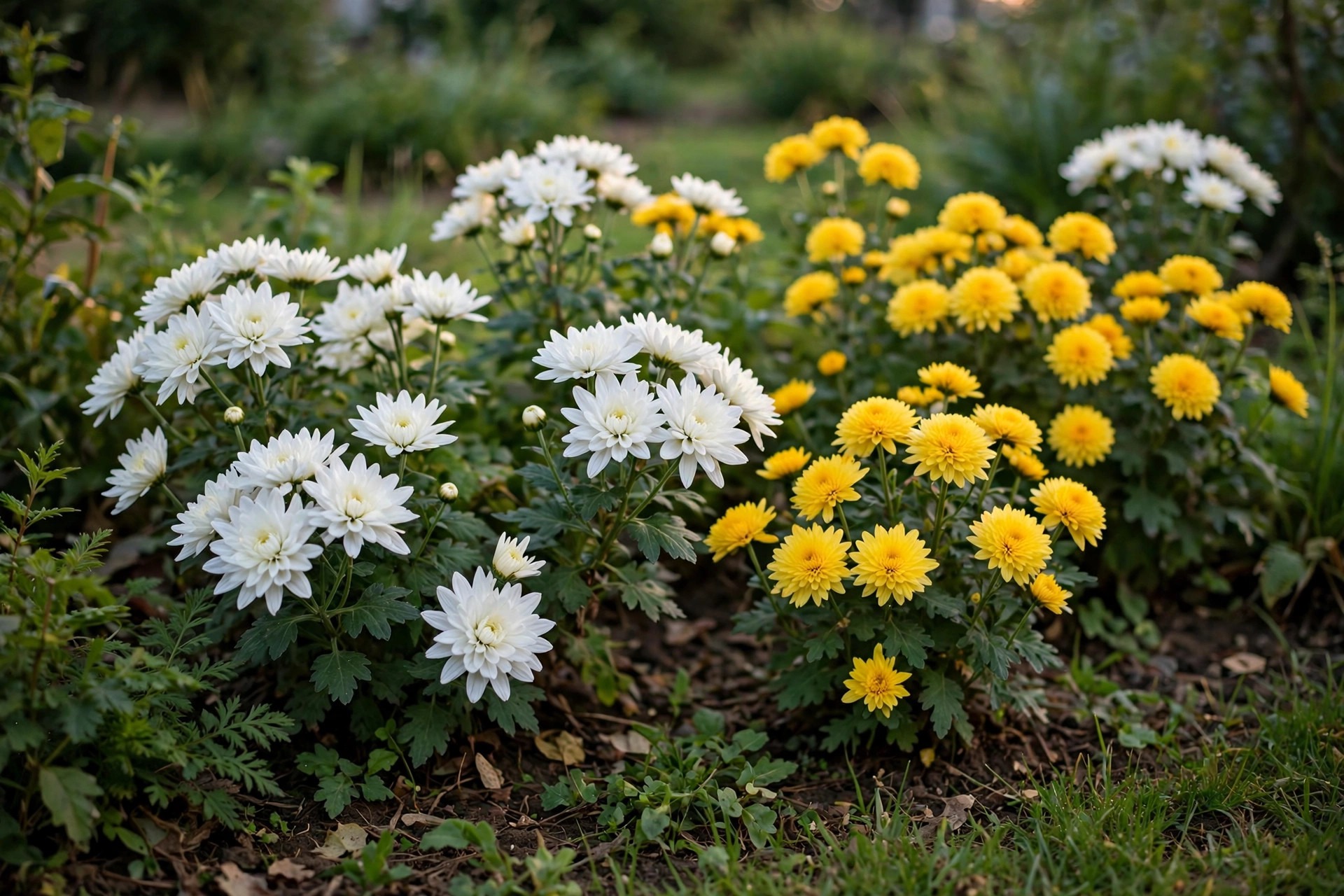
Pyrethrin is the fastest product in this roundup. It comes from chrysanthemum flowers, attacks the insect nervous system, and kills aphids, beetles, webworms, leafhoppers, and many other garden insects on contact within minutes. It can be used up to the day of harvest, and it breaks down quickly in sunlight, so it leaves little residue. Speed is also its weakness: pyrethrin kills bees on contact just as fast as it kills aphids. Spray in the evening after bees have gone home, only on the plants that are infested, and never on open blooms. The University of Kentucky extension service lists this exact product in its home gardener guide with the same 1% pyrethrin and 10% piperonyl butoxide formula.
Quick verdict: The emergency spray. When an infestation is exploding and you need it stopped today, this is the bottle.
Pros: Fastest knockdown here. Broad pest list. Breaks down fast in sunlight. Cons: Kills bees and beneficial insects on contact. No residual effect, so it must be repeated. The piperonyl butoxide synergist is synthetic.
Best for: Sudden, heavy infestations where a slow product would arrive too late. Skip if: Bees are working the same plants, or the pest is mild. A soap or neem spray is safer.
Our rating: 8.4. Speed and breadth earn the score, with points off for bee toxicity and the synthetic synergist.
9. Southern Ag Pyrethrin Concentrate
Type: Botanical pyrethrin, liquid concentrate. Active ingredients: Pyrethrins, 0.96%, and piperonyl butoxide, 9.60%. Size: 8 fl oz concentrate. EPA Reg. No.: 89459-29-829. Organic status: Plant-derived pyrethrin; same piperonyl butoxide note as the Bonide pyrethrin above, so check your organic program rules before use in a certified bed.
Southern Ag is the budget twin of the Bonide pyrethrin spray, and the comparison is worth making openly. The active ingredients are nearly identical: 0.96% pyrethrins and 9.60% piperonyl butoxide, against Bonide’s 1% and 10%. The label is for home vegetable gardens, ornamentals, and interior plantscapes. The same rules apply: fast contact kill, use up to harvest, spray in the evening, keep it off blooms and away from bees. The honest difference is small: a slightly lower concentration, a smaller bottle, and a lower price.
In short: the same fast knockdown as the Bonide pyrethrin spray, in a smaller and usually cheaper bottle.
Pros: Nearly the same formula as the Bonide pyrethrin spray. Economical per ounce. Long track record in home vegetable gardens. Cons: Same bee and beneficial-insect risk as any pyrethrin. Same synthetic synergist note. Smaller bottle means more frequent repurchase for big gardens.
Best for: Vegetable gardeners who want pyrethrin power at the lowest cost per spray. Skip if: You garden for pollinators first. Choose soap, neem, or Bt instead.
Our rating: 8.3. Value and the proven formula earn the score, with points off for the same bee and synergist caveats.
10. Harris Diatomaceous Earth Food Grade
Type: Mineral powder. Active ingredient: 100% ground freshwater diatomaceous earth, no additives or fillers. Size: 4 lb bag with a powder duster included; also sold in 10 lb bags. Organic status: OMRI listed for organic use.
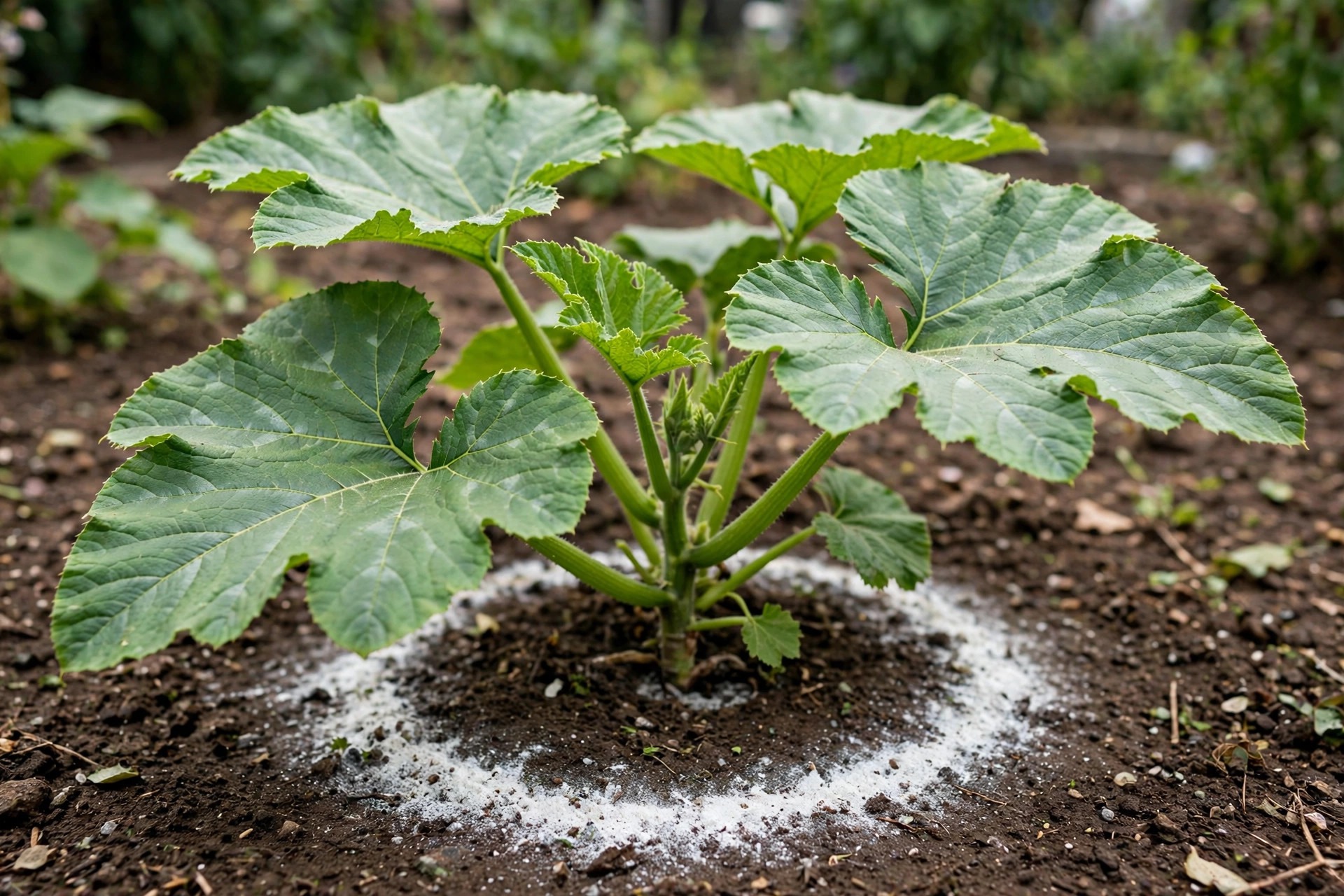
Diatomaceous earth is not a chemical at all. It is the fossilized shells of tiny water creatures, ground into a fine powder. The sharp particles cut the waxy coating of soft-bodied insects, and the pest dries out and dies. Harris mines it in Nevada, packages it in Georgia, and includes a powder duster in the bag. The honest limits matter more here than with any spray: it only works when it is dry. Rain, dew, or watering turns it into harmless mud, so it must be reapplied after every rain. It works slowly, over a day or two, and it only affects pests that crawl through it. For slugs specifically, the evidence is weak: the University of Minnesota Extension says diatomaceous earth is generally not an effective slug deterrent, because it only works while completely dry and has little effect once it absorbs moisture, and UC IPM notes such barriers lose their effectiveness after becoming damp and are not very useful in most garden situations. A slug’s mucus coating also blunts the drying action the powder relies on. Use it for crawling insects, and pick another method for slugs. One more honest note: Harris also sells a version labeled as Crawling Insect Killer for indoor use, while this food-grade bag is sold as a garden and animal-feed product. Read the bag you buy and follow its label.
Who it suits: Gardeners who want a powder, not a spray, for beetles and other crawling insects around the base of plants, and anyone keeping a chemical-free bed.
Pros: OMRI listed. No chemical residue. Very cheap per use. Cons: Useless when wet, so it needs reapplying after rain. Slow to act. Only affects pests that cross the dust. Do not breathe the dust while applying it; wear a mask on a calm day.
Best for: Cucumber beetles, squash bugs, and other crawling insects at the base of plants. Slugs are a weak point for this powder, see below. Skip if: Your pest flies, or your garden is watered daily from above. A spray will serve you better.
Our rating: 8.0. Low cost and a clean profile earn the score, with points off because rain switches it off.
How We Chose: Our Scoring System
Every rating in this guide comes from the same five factors. We did not test these products in our own garden. The scores are editorial judgments built from verified label specifications, OMRI status, and owner feedback reported on retailer listings. No product was scored on claims its label does not make.
| Factor | Weight | What it measures |
|---|---|---|
| Effectiveness on listed pests | 30% | How many common garden pests the label covers, and how fast it acts |
| Safety for people, pets, and pollinators | 25% | Bee toxicity, harvest-day use, residue, and OMRI status |
| Ease of use | 15% | Mixing, coverage, how often it must be reapplied |
| Versatility | 15% | How many crops and pest types one bottle covers |
| Value | 15% | Cost per mixed gallon and how far a bottle goes |
| Total | 100% |
| Product | Effectiveness 30% | Safety 25% | Ease of use 15% | Versatility 15% | Value 15% | Weighted total |
|---|---|---|---|---|---|---|
| Bonide Captain Jack’s Deadbug Brew | 9.8 | 8.5 | 9.0 | 9.5 | 9.0 | 9.2 |
| Monterey B.t. | 8.5 | 9.8 | 9.0 | 7.5 | 9.5 | 8.9 |
| Garden Safe Neem Oil Extract | 8.5 | 9.0 | 8.5 | 9.0 | 9.0 | 8.8 |
| Bonide Captain Jack’s Neem Max | 9.2 | 8.5 | 8.5 | 9.0 | 8.0 | 8.7 |
| Safer Brand Insect Killing Soap | 8.0 | 9.5 | 8.5 | 8.0 | 9.0 | 8.6 |
| Safer Brand 3-in-1 Garden Spray | 8.5 | 8.5 | 8.5 | 8.5 | 8.5 | 8.5 |
| Bonide All Seasons Spray Oil | 8.0 | 8.5 | 8.0 | 9.0 | 9.5 | 8.5 |
| Bonide Pyrethrin Garden Spray | 9.2 | 7.0 | 9.0 | 8.5 | 8.5 | 8.4 |
| Southern Ag Pyrethrin Concentrate | 9.0 | 7.0 | 9.0 | 8.5 | 8.0 | 8.3 |
| Harris Diatomaceous Earth | 7.0 | 9.0 | 8.0 | 7.0 | 9.5 | 8.0 |
Each weighted total is the sum of the five factor scores times their weights, rounded to one decimal place, and matches the rating shown in the comparison table and in each product section.
A perfect score would need a product that kills every pest fast, harms nothing else, never needs reapplying, and costs almost nothing. No such product exists, which is why the highest score here is 9.2. Spinosad leads on effectiveness and versatility, Bt leads on safety, and diatomaceous earth leads on value. The right pick for your garden depends on which factor matters most to you.
How to Use Organic Pesticides Safely
Organic does not mean harmless. Clemson Extension puts it plainly: while organic insecticides are often less damaging to the environment than conventional insecticides, they are still pesticides, and some organic or natural pesticides may be as toxic, or even more toxic, than some synthetic pesticides. Read the label every time, even on a product you have used for years.
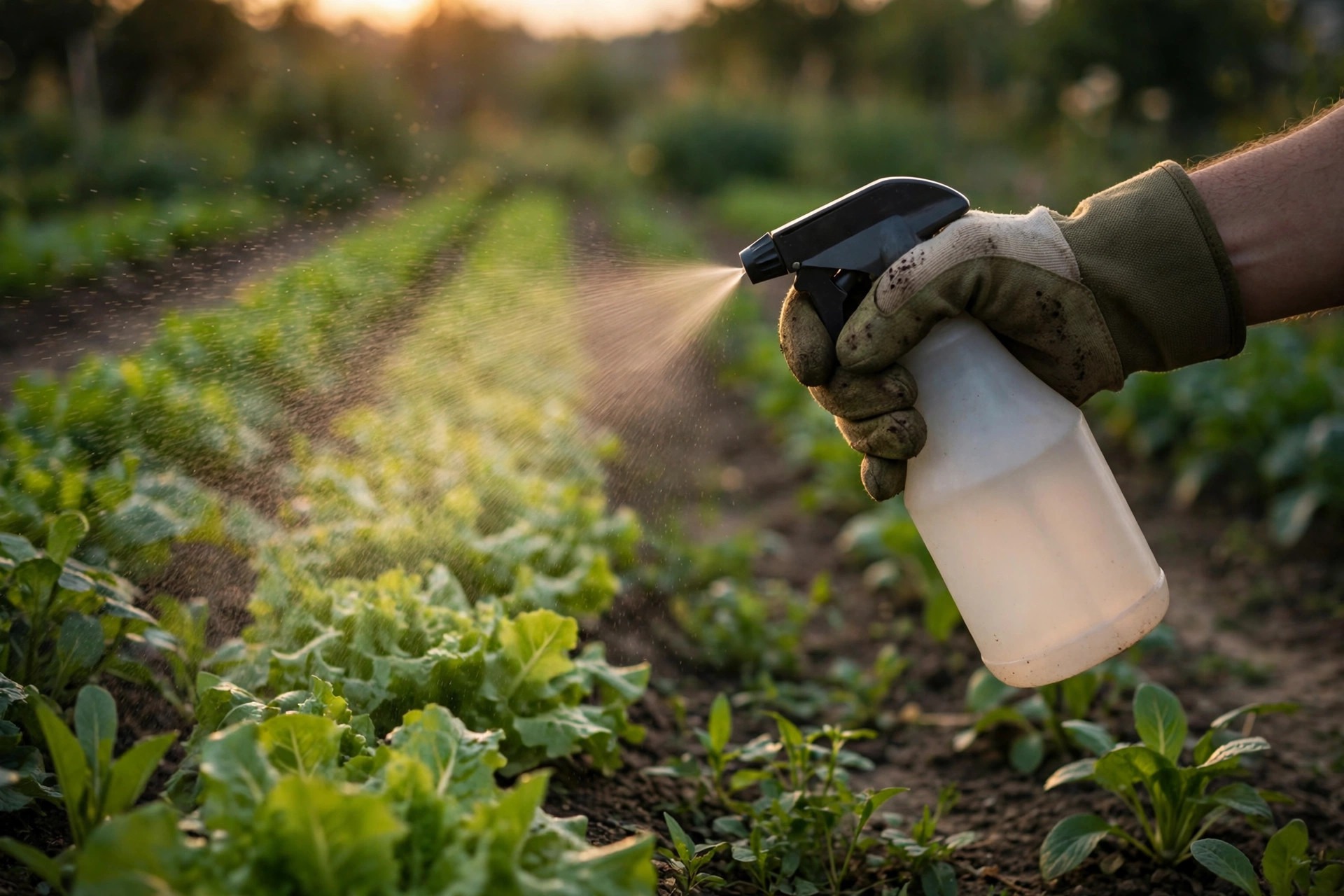
- Spray in the evening. Bees work during the day. An evening spray dries before the bees return, and it avoids leaf burn from hot sun. Never spray oils or sulfur above 90 degrees Fahrenheit.
- Test one leaf first. Spray a single leaf, wait 24 hours, and check for burn before treating the whole plant.
- Cover the undersides. Aphids, mites, and whiteflies live under leaves. A spray that only hits the tops misses the pest.
- Name the pest before you spray. A caterpillar needs Bt or spinosad. Aphids need soap or neem. A spray that cannot touch your pest wastes your evening and your money.
- Start with the gentlest option. Prevention, hand-picking, and a strong jet of water come before any spray. Use the least toxic product that will control the pest, and only when the damage is real.
Homemade sprays, like a dish-soap and water mix, are a common question. They can knock down aphids on contact, but they are not OMRI listed, the soap concentration is easy to get wrong, and dish soap can burn leaves. A labeled insecticidal soap costs little and removes the guesswork.
If you would rather mix a spray at home than buy a bottle, these natural pesticide recipes use simple kitchen and garden ingredients.

Organic vs Synthetic: What the Word Means
Organic pesticides come from natural sources: plants, minerals, or microbes. Neem oil comes from neem seeds, pyrethrin from chrysanthemum flowers, Bt from a soil bacterium, spinosad from another soil bacterium, and diatomaceous earth from fossilized algae. Synthetic pesticides are made in a factory by chemical synthesis.
The word organic describes where an ingredient comes from, not how safe it is. The National Pesticide Information Center makes this point directly: natural only describes the origin, not the toxicity, and a pesticide has to be toxic to something to work. Pyrethrin is natural and kills bees on contact. Spinosad is natural and is very highly toxic to bees while the spray is wet. Sulfur is natural and can scorch leaves in heat. That is why this guide scores safety separately from effectiveness, and why the label matters more than the word on the front of the bottle. An OMRI listing means a product has been reviewed against organic standards. It does not mean the product is harmless. In this guide, Monterey B.t., Safer Insect Killing Soap, Safer 3-in-1 Garden Spray, and Harris Diatomaceous Earth are OMRI Listed. Bonide Captain Jack’s Deadbug Brew, Neem Max, and All Seasons Spray Oil are approved for organic gardening but are not OMRI Listed. Garden Safe Neem Oil Extract is listed as OMRI Listed in retailer product copy; the manufacturer’s own page does not state it.
Final Choice
If you buy one bottle, buy Bonide Captain Jack’s Deadbug Brew. Its 9.2 score is the highest here because it covers the most pests that actually ruin a vegetable garden, and it is approved for organic gardening. Keep Monterey B.t. beside it for caterpillar outbreaks, and keep a bottle of insecticidal soap for aphids on food crops. Those three bottles, plus a bag of diatomaceous earth for the soil line, cover almost every pest a home gardener will meet in a season.
If your garden is mostly roses and fruit, swap the Deadbug Brew for Garden Safe Neem Oil Extract. The 3-in-1 action handles the insects and the fungal disease that roses always bring together, and it is the best value for a mixed flower and fruit garden.
Whatever you choose, start with the pest, not the product. Identify it, pick the spray that lists it, spray in the evening, and check the plants the next day. That habit will save more plants than any single bottle.
References
- Clemson Cooperative Extension, Home and Garden Information Center. “Less Toxic Insecticides.” Supports the claim that organic insecticides are still pesticides and that some organic or natural pesticides may be as toxic as synthetic ones. https://hgic.clemson.edu/factsheet/less-toxic-insecticides/
- National Pesticide Information Center, Oregon State University Extension Services. Bond, C., Buhl, K., and Stone, D. “Neem Oil General Fact Sheet,” 2012. Supports the claims that azadirachtin reduces insect feeding and disrupts growth, and that neem oil is practically non-toxic to birds, mammals, and bees but slightly toxic to fish. https://npic.orst.edu/factsheets/neemgen.html
- University of Kentucky Entomology, Entfact-445. Bessin, R. “General Use Insecticides for Home Gardeners,” revised February 2024. Supports the pyrethrin concentrations for the Bonide and Southern Ag sprays and the general guidance on home garden insecticides. https://entomology.mgcafe.uky.edu/sites/entomology.ca.uky.edu/files/ef445_0.pdf
- University of Arizona Cooperative Extension, az1765. “Alternative Pesticide Options for the Home Gardener,” May 2018. Supports the claims about how Bt works, that it must be eaten by the insect, and that neem oil acts as a contact and systemic treatment. https://extension.arizona.edu/sites/default/files/2024-08/az1765-2018.pdf
- U.S. Environmental Protection Agency, pesticide product labels. Safer Brand 3-in-1 Concentrate (EPA Reg. No. 59913-13) and Bonide All Seasons Horticultural and Dormant Spray Oil (EPA Reg. No. 4-80). Support the active ingredient percentages and label claims used for those two products. https://www3.epa.gov/pesticides/chem_search/ppls/059913-00013-20130430.pdf and https://www3.epa.gov/pesticides/chem_search/ppls/000004-00080-20190419.pdf
- Bonide Captain Jack’s Deadbug Brew Concentrate, official product page: https://bonide.com/captain-jacks/product/ddb-conc
- Monterey B.t., official product page and FAQ (OMRI Listed; bacteria 98.35% active): https://www.montereylawngarden.com/product/monterey-b-t/
- Garden Safe Neem Oil Extract Concentrate, official product page: https://www.gardensafe.com/products/fungicide/neem-oil-extract-concentrate-1-gal.aspx
- Bonide Captain Jack’s Neem Max Concentrate, official product page: https://bonide.com/captain-jacks/product/neem-max-conc
- Safer Brand Insect Killing Soap Concentrate, official product page: https://www.saferbrand.com/safer-brand-insect-killing-soap-concentrate-16-oz-5118-6
- Safer Brand 3-in-1 Garden Spray, official product page and OMRI certificate: https://www.saferbrand.com/safer-garden-3-in-1-garden-spray-24oz
- Bonide All Seasons Horticultural Oil Concentrate, official product page: https://bonide.com/product/all-seasons-horticultural-oil-conc
- Bonide Pyrethrin Garden Insect Spray Concentrate, official product page: https://bonide.com/product/pyrethrin-garden-spray-conc
- Southern Ag Pyrethrin Concentrate, product safety data sheet (no manufacturer product page exists; EPA Reg. No. 89459-29-829): https://labelsds.com/images/user_uploads/Southern%20Ag%20Pyrethrin%20SDS%206-1-16.pdf
- Harris Diatomaceous Earth Food Grade, official product page: https://pfharris.com/harris-diatomaceous-earth-food-grade-4lb-with-powder-duster
- University of Minnesota Extension, Slugs: https://extension.umn.edu/garden-and-home/yard-and-garden/yard-and-garden-insects/slugs
- UC IPM Pest Notes 7427, Snails and Slugs: https://ipm.ucanr.edu/PMG/PESTNOTES/pn7427.html
- National Pesticide Information Center, Diatomaceous Earth General Fact Sheet: https://npic.orst.edu/factsheets/degen.html
- National Pesticide Information Center, Bacillus thuringiensis General Fact Sheet: https://npic.orst.edu/factsheets/btgen.html
Frequently Asked Questions
What is the best organic pesticide for a vegetable garden?
It depends on the pest. For caterpillars, Monterey B.t. is the safest targeted choice. For a mix of aphids, mites, and fungal disease, Garden Safe Neem Oil Extract covers the most ground in one bottle. For the widest pest list in a single spray, Bonide Captain Jack’s Deadbug Brew scores highest in this guide at 9.2.
Is neem oil safe for bees?
Neem oil is rated practically non-toxic to bees by the National Pesticide Information Center, but that rating assumes normal use. Spray in the evening when bees are not working, keep it off open blooms, and keep it away from ponds, because neem oil is slightly toxic to fish.
Can I use organic pesticides up to the day I harvest?
Many of them, yes. Garden Safe Neem Oil Extract, Safer Insect Killing Soap, Monterey B.t., and both pyrethrin sprays in this guide are labeled for use up to the day of harvest. Always check the label on the bottle you hold, because the rule varies by product.
What is the difference between neem oil and insecticidal soap?
Neem oil works as an insecticide, a miticide, and a fungicide, and its azadirachtin disrupts insect feeding and growth over days. Insecticidal soap kills soft-bodied insects on contact only, by breaking down their outer shell, and it has no lasting effect. Soap acts faster on aphids; neem covers more problems, including fungal disease.
Does diatomaceous earth work when it rains?
No. Diatomaceous earth only works when it is completely dry. Rain, dew, or overhead watering turns it into harmless mud, and it must be reapplied after every rain. Apply it on a calm, dry day and wear a mask while dusting.
Are organic pesticides safe for pets and children?
Safer than most synthetics, but not harmless. Nine of the ten products in this guide are EPA-registered pesticides with a label, and the label is the law. The exception is Harris Diatomaceous Earth Food Grade, which is sold as a food-grade feed additive, not as a registered pesticide; the separate Harris Crawling Insect Killer is the EPA-registered product, EPA Reg. No. 3-18. Keep concentrates out of reach, mix only what you need, spray in the evening, and keep pets and children out of the treated area until the spray has dried.

Thesis Link : https://saulibrary.edu.bd/daatj/public/uploads/BAU200601_19-Pp_5.pdf
- 10 Best Organic Pesticides for Gardens - November 19, 2026
- 10 Best Mycorrhizal Fungi Products - November 18, 2026
- How to Grow Tomatoes from Seed in Pots - November 17, 2026