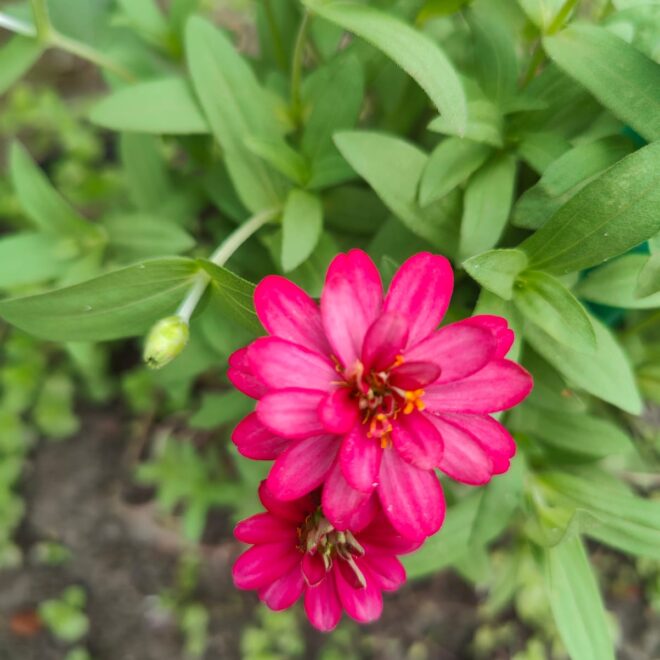

Winter Flowers: Best Blooming Plants for Cold Seasons
Winter. The season of icy winds, cozy sweaters, and a constant craving for hot drinks. While the landscape around you seems to settle into a slumber, wouldn’t it be nice to have a garden full of life? Winter flowers, believe it or not, can help achieve just that. While most plants are hunkering down for a nap, winter flowers bloom with a surprising burst of color, as if to remind us that nature doesn’t take a holiday well, at least not entirely.
This isn’t just a theory I’ve lived it. Over the past few winters on our family farm in northern Bangladesh, I’ve slowly discovered the magic of winter blooms. These flowers are like little acts of defiance against the frost, reminding us that beauty never really goes away. This guide is based on those hands in the dirt experiences, along with research backed tips from horticultural experts.
Why Choose Winter Flowers?
Let’s be honest, winter can feel like it goes on forever. The days are shorter, the temperatures are lower, and the garden can look a bit, well, depressing. But, what if your garden could have a little pop of life when everything else is hibernating?
Winter flowers are tough cookies, they survive and thrive even in the coldest months, providing color and texture to an otherwise dull landscape. These blooms are like the winter warriors of the plant world, bringing joy to anyone who needs a reminder that spring isn’t as far away as it seems.
And trust me, there’s nothing better than walking outside in the middle of January, freezing your toes off, and seeing a splash of color when you least expect it.
Most people pack away their gardening tools as soon as the first cold snap hits. But here’s the deal: winter gardening is underrated.
- Color Therapy: Seeing blooms on a frosty morning is a natural mood lifter.
- Pollinator Help: Some winter flowers provide food for bees and butterflies emerging during warm spells.
- Extended Gardening Joy: Just because it’s cold doesn’t mean you have to stop gardening.
A study from the Royal Horticultural Society (RHS, 2021) showed that winter gardening significantly reduces seasonal depression in elderly populations. Colorful plants like violas, pansies, and hellebores can make a real difference, emotionally and visually.
My First Encounter with Winter Blooms
It all started with a stray packet of pansy seeds. One November, I accidentally sowed them in a raised bed I had forgotten to clear. To my surprise, by mid January, those little guys had popped up with yellow, purple, and white blooms. My grandmother smiled every time she walked by them.
That’s when I realized: winter flowers aren’t just possible; they’re magical.
Top Winter Flowers to Add to Your Garden
Let’s take a look at some of the best winter flowers to plant and enjoy when temperatures start to dip. These flowers will add that much needed life to your garden when most plants are giving up on their summer dreams.
1. Pansies: Small But Mighty

When you think of winter flowers, pansies should be the first to come to mind. These little guys are as tough as they are pretty. They may look delicate, but don’t let their small size fool you pansies can handle winter chills like a pro, flourishing even when the thermometer dips below freezing.
Pansies come in a wide variety of colors, from deep purples to bright yellows, making them a cheerful addition to any garden. Plus, they’re low maintenance. Plant them in well draining soil, give them a little sunlight, and you’ll have a garden full of happy blooms all winter long. And if you’re feeling fancy, you can even eat them .
Fun fact: According to Michigan State University (2022), pansies recover from light snow faster than most perennials.
2. Winter Jasmine: A Pop of Yellow

If you think yellow is strictly a summer color, think again! Winter jasmine is like the sunshine of the winter garden. Its bright yellow flowers bloom even in the coldest months, giving you a taste of spring long before it actually arrives.
Winter jasmine grows as a climbing vine, which makes it perfect for covering walls or fences. While it doesn’t have the signature fragrance of its summer cousins, it more than makes up for it with its bold appearance. Just give it some sun and watch it light up your winter landscape.
3. Cyclamen: The Winter Drama Queens

Cyclamen are the winter garden’s answer to glamour. With their heart shaped leaves and vibrant blooms, these flowers are perfect for making a statement when the rest of your plants are bundled up in hibernation.
Cyclamen blooms come in various shades of red, pink, and white, adding a romantic touch to your garden. They prefer indirect light and well draining soil, and they’re just as happy indoors as they are outside, so if you don’t have much outdoor space, they’ll brighten up a windowsill just as easily.
Research from the University of Georgia (2023) shows that cyclamen thrive in pots with peat rich soil.
4. Hellebores: Christmas Roses

Often referred to as “Christmas Roses,” hellebores are known for their ability to bloom during the winter months, often in the middle of snow. These beauties are like the overachievers of the flower world blooming when nothing else dares to.
Their cup shaped blooms come in soft shades of pink, white, and purple, bringing a touch of elegance to any winter garden. Hellebores thrive in partial shade and well draining soil. Once they’re established, they require very little maintenance, making them a perfect choice for both beginner and seasoned gardeners alike.
Hellebores are my favorite. I planted them once and they’ve come back every year with no fuss.
How to Care for Winter Flowers
Winter gardening may sound intimidating, but with the right knowledge, you can keep your blooms thriving even when temperatures plummet. Here are a few tips to help your winter flowers survive and thrive:
1. Choose the Right Spot
While winter flowers are tough and can handle the cold, they still need the proper conditions to really flourish. Even the hardiest of blooms can struggle without the right environment. Be sure to plant them in spots where they’ll get the light and shelter they need. A little care goes a long way in ensuring they can put on their best display, even in chilly weather.
2. Watch Your Watering
Even though the temperature drops, your plants still need a drink! But don’t go overboard, too much water can cause root rot, which is a death sentence for most plants. The trick is finding the right balance. Check the soil by sticking your finger in about an inch deep; if it feels dry, it’s time to water. But if it’s still damp, give it a pass for the day. After all, no plant enjoys sitting around with soggy feet .
3. Protect from Frost
If you live in a place with harsh winters, your flowers might need a little extra protection on especially cold nights. You can cover them with a frost cloth or even an old blanket to keep them from freezing. Hey, if we get extra blankets, why shouldn’t they?
4. Mulch for Warmth
A layer of mulch around your flowers can act like a winter coat for their roots. Not only does it help retain moisture, but it also keeps the soil from freezing solid. Just be sure not to pile it too high your flowers still need room to breathe.
Real Life Garden: Grandma’s Bloom Patch
There’s a narrow flower bed on the east side of our house, not more than a few feet wide. It belongs to my grandmother.
She’s well into her 80s now and walks with a bit of a shuffle, but every winter morning, you’ll find her out there, tending her flowers. No fancy tools. Just her hands, a small stool, and a lot of care.
She grows sweet peas, calendula, and violas, nothing exotic, just blooms that like the cooler weather. And somehow, by January, that tiny patch turns into a cheerful mess of color, like spring sneaking in early while no one’s looking.
One morning, she told me, “Winter isn’t so cold when the flowers are smiling.”
She meant it. I felt it.
What the Science Says
We usually think of gardening as a warm weather thing, but it turns out winter gardening has its own quiet power. A few things I came across while digging into this:
- Lifts Your Mood: A study from the University of Exeter (2021) showed that even 15 minutes spent gardening in winter can improve your mood and lower anxiety levels. It’s something about being outside, moving your body, and caring for living things even when the world feels gray.
- Helps Early Pollinators: Some bees wake up early on warmer winter days and go looking for food. Winter flowers give them a fighting chance. This was mentioned in a 2022 report by the Pollinator Partnership.
- More Life in the Yard: Winter flowers attract insects and birds that might otherwise skip your garden. More blooms = more biodiversity.
Simple Tips if You Want to Try It Too
If you’re thinking of giving winter gardening a shot, here’s what I’ve learned from both Grandma’s hands-on wisdom and some trial and error of my own:
- Pick Local Champions
Choose flowers that naturally do well in your area’s winter. You don’t need anything fancy, just the right fit for your soil and climate. - Plan for Staggered Blooms
Mix up your planting so you get waves of color. Some flowers bloom early, others later. That way, you don’t end up with one big pop and then nothing. - Keep a Little Journal
Write down what worked and what didn’t. Don’t worry about making it pretty. Just a note here and there: “Calendula loved the cold.” “Violas didn’t like too much shade.” It’ll help you build your own gardening rhythm over the years.
Winter Gardening Tips
| Tip | Why It Helps |
|---|---|
| Start seeds in seed trays in early November | Gives plants a head start before cool weather peaks |
| Use compost + sand rich soil mix | Keeps soil light and root friendly |
| Mulch around plants | Retains moisture and warms roots on chilly nights |
| Water in the morning | Helps avoid fungal issues from damp overnight leaves |
Final Thought
Winter flowers are more than just survivors, they’re nature’s way of reminding us that beauty can be found even in the coldest, darkest seasons. Whether you choose the vibrant pansy, the cheerful winter jasmine, or the elegant hellebore, adding winter flowers to your garden will bring a burst of color to those gray winter days.
So, next time you find yourself longing for spring, remember, winter doesn’t have to be dull. With the right flowers, you can enjoy a blooming garden all year round.

References
- RHS. (2021). Winter Gardening and Emotional Health.
- Michigan State University Extension. (2022). Cold Hardy Winter Annuals.
- University of Georgia Horticulture Department. (2023). Growing Cyclamen in Cool Climates.
- University of Exeter. (2021). Mental Health Benefits of Cold Weather Gardening.
- Pollinator Partnership. (2022). Pollinators and Winter Blooms.
Frequently Asked Questions About Winter Flowers
Yes, absolutely, Some flowers are built for the cold. Plants like pansies, cyclamen, and hellebores actually thrive when most others go dormant. They’ve adapted to survive chilly temps and still show off their colors.
Start with pansies, calendulas, and snapdragons. They’re low maintenance and forgiving if you forget to water them once or twice. These flowers can handle cool temps and bounce back quickly.
Not really. Cold weather means less evaporation, so the soil stays moist longer. Water only when the top inch of soil feels dry. Overwatering in winter can lead to root rot.
Mulch around the base to insulate the roots, and on extra cold nights, cover plants with a frost cloth or an old bedsheet. In containers, you can move them to a sheltered spot if needed.
Definitely, Cyclamen, primroses, and violas do great in pots. Just make sure your container has drainage holes and gets enough sunlight. A sunny windowsill is perfect for indoor blooms.

Thesis Link : https://saulibrary.edu.bd/daatj/public/uploads/BAU200601_19-Pp_5.pdf
- Why Are My Pepper Plant Leaves Curling? 9 Causes & Fixes - September 17, 2026
- Why Are My Zucchini Leaves Turning Yellow? Causes & Fixes - August 31, 2026
- What Is Eating My Plants at Night? - August 27, 2026