Vertical Farming: Smart, Sustainable, and Easy to Start
A few years ago, if you told someone you were growing vegetables in a tall building or inside your kitchen, they might’ve laughed. But today, vertical farming is real and it’s slowly changing how we grow food. This isn’t some fancy tech story for big cities only. People in small towns, rooftops in Bangladesh, or even empty shipping containers are using vertical farming to grow lettuce, spinach, and herbs without needing acres of land.
Let’s talk about how this works, why people are excited about it, and what it’s really like from the ground up.
What Exactly is Vertical Farming?
Okay, think of a normal field of vegetables. Now imagine stacking those rows one above the other, like books on a shelf. That’s vertical farming. It’s growing crops upward instead of across a wide piece of land.
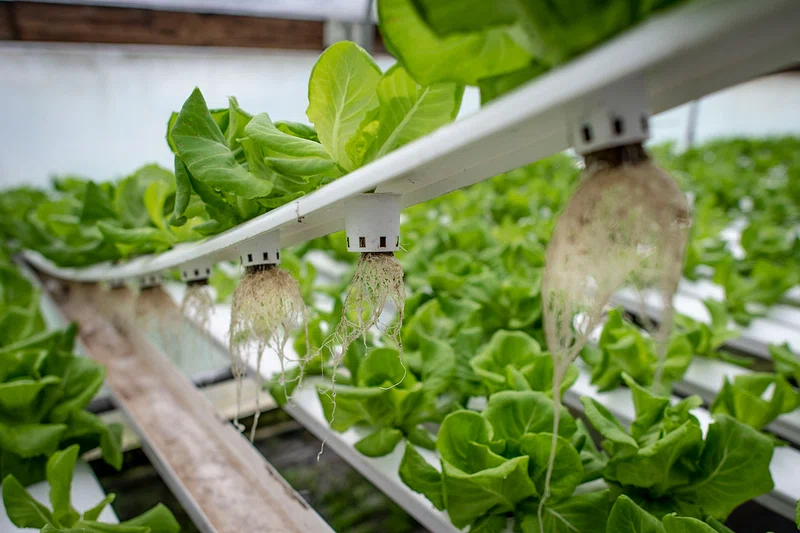
You’ll often see this done inside buildings, old warehouses, greenhouses, or even small rooms using:
- Hydroponics – growing plants in water instead of soil.
- LED lights – replacing sunlight when growing indoors.
- Controlled environments – temperature, water, and nutrients are carefully adjusted.
The goal? Grow more food using less space, with fewer chemicals and without being at the mercy of bad weather.
Real Story: Raju’s Vertical Farming in Chattogram
Raju, a friend of mine from Chattogram, was tired of buying overpriced lettuce from the local market. So, he decided to grow his own. He didn’t have land, but he had a narrow balcony.
Using stacked trays, old plastic bottles, and a bucket for water circulation, Raju set up his own vertical garden. It wasn’t fancy. He watched YouTube tutorials, made a few mistakes, and learned as he went.
Today, he harvests leafy greens every week and even sells a bit to his neighbors. “I never thought I’d be a farmer in the city,” he laughs. “But here I am, cutting lettuce in my shorts on a Sunday morning.”
Why Are People Talking About It So Much?
We’re living in cities more than ever before. The UN says by 2050, nearly 7 out of 10 people will live in urban areas. But land? That’s not growing. It’s shrinking.
Vertical farming comes in as a smart solution:
- It saves space—grow upwards, not outwards.
- It uses less water—some farms use 90% less than traditional methods.
- It needs no soil—great for places with poor or polluted land.
- You can grow all year round, even during rain or snow.
And because you can grow food close to where people live, it cuts down on transport costs and pollution.
What Can You Grow This Way?
Not everything. You probably won’t grow a watermelon in a tower anytime soon. But for now, it works great for:
- Lettuce
- Spinach
- Mint
- Basil
- Microgreens
- Strawberries
If you’re starting small, leafy greens are your best bet. They grow fast, don’t need deep roots, and are easy to manage indoors.
The Not So Great Parts
Every good thing has its problems. Vertical farming isn’t magic.
- It can be expensive to start, especially for full setups with pumps and lights.
- Electricity bills can go up — LED lights and water pumps use power.
- You need to learn a bit about things like nutrient mixes, water pH, and timing.
But most people who try it say the benefits are worth the learning curve. You start small, and grow from there literally.
What Research Says
A study in Nature Sustainability said that vertical farming uses resources more efficiently, especially water. But it also pointed out that energy use is a concern especially for lighting.
Researchers at Cornell University and MIT are exploring ways to reduce this by using solar panels, smart automation, and AI controlled lighting systems that mimic sunlight.
But again, for a balcony setup or rooftop garden, you don’t need high tech. A few trays and some creativity will do the trick.
Vertical Farming Isn’t Just for Big Companies
People often think vertical farming is just for Silicon Valley companies like AeroFarms or Plenty. Sure, they grow thousands of kilos of leafy greens indoors.
But in reality, vertical farming can be as small as a corner shelf in your kitchen. It’s already happening in homes, schools, and community projects around the world.
In Kenya, youth groups are growing kale in stacked crates to feed neighborhoods. In Singapore, vertical gardens are built right into buildings. In Dhaka, more people are experimenting with rooftop hydroponics as fresh food becomes harder to access.
How to Start Your Own Mini Vertical Farm
Want to try it yourself? You don’t need to spend a fortune.
Here’s a simple beginner idea:
- Find a sunny balcony or rooftop.
- Stack plastic trays or bottles—use shelves or crates.
- Grow mint, spinach, or lettuce—they grow fast and don’t need deep roots.
- Water daily, and keep an eye on pests.
You’ll be surprised how much food you can grow in a small space. Plus, it feels good to eat something you grew with your own hands.
Vertical Farming: Summary Table
| Aspect | Details |
|---|---|
| Definition | A method of growing crops in stacked layers or vertically inclined surfaces, often indoors. |
| Farming Techniques | Hydroponics, Aeroponics, Aquaponics |
| Space Efficiency | Can grow more crops per square foot than traditional farming |
| Water Usage | Uses up to 90% less water than conventional farming |
| Light Source | Mostly LED grow lights or natural sunlight with reflective systems |
| Crops Grown | Leafy greens, herbs, strawberries, tomatoes, mushrooms |
| Location Flexibility | Ideal for urban areas, rooftops, warehouses, or shipping containers |
| Startup Costs | High — equipment, lighting, automation systems |
| Operational Costs | Moderate to high — electricity, labor, maintenance |
| Environmental Impact | Reduced land use, pesticide free, lower carbon footprint if powered by renewable energy |
| Production Cycle | Faster and more controlled year round growing is possible |
| Profit Potential | High value crops yield better ROI; faster turnover can boost earnings |
| Challenges | High initial cost, energy consumption, technical knowledge required |
| Countries Using It Widely | USA, Japan, Netherlands, Singapore, UAE |
Final Thoughts
Vertical farming is not just a buzzword. It’s something real people are doing, from big companies to rooftop gardeners like Raju. It’s not perfect, but it gives us a way to grow food in places where farming used to seem impossible.
And honestly? There’s something peaceful about watching plants grow in the middle of a noisy city.
If you’re curious, give it a shot. Start small. One pot of basil. Then maybe two. Who knows? You might be growing your salad before you know it.
References
- Despommier, D. (2010). The Vertical Farm: Feeding the World in the 21st Century.
- Nature Sustainability: “Resource use and efficiency in vertical farming systems”
- National Geographic: (2022). “Can Vertical Farming Feed the World?”
- UN Urbanization Report 2023
- FAO (Food and Agriculture Organization). 2023. “Urban Agriculture and Innovative Systems.
FAQ for Vertical Farming
It’s just a smarter way of growing food in a small space. Instead of spreading plants out on land, we grow them upwards—like using shelves. You’ll often find them inside buildings, greenhouses, or even old shipping containers.
Because land is running out, cities are growing, and the climate isn’t what it used to be. Vertical farming gives us a chance to grow fresh food nearby, even in the middle of the city, without worrying about the weather.
Not at all. I’ve seen people grow coriander and spinach in plastic bottles on their balconies. Sure, companies use tech heavy systems, but anyone can start small—even with old shelves and sunlight.
Leafy greens like lettuce, spinach, and herbs like mint or basil do great. Some people even grow strawberries or tomatoes, but those need a bit more care and structure.
Nope. Many vertical farms use hydroponics plants grow in water with nutrients or even aeroponics roots hanging in the air with mist. But if you prefer soil, that works too—especially for home setups.
Got more questions?
Drop them in the comments or send me a message. I’ve tried it myself—happy to share what worked and what didn’t .

Thesis Link : https://saulibrary.edu.bd/daatj/public/uploads/BAU200601_19-Pp_5.pdf
- 10 Best Garden Tool Sets for Beginners - October 13, 2026
- Lawn Mowing Height by Grass Type -The Complete Chart - October 13, 2026
- Essential Garden Hand Tools -The Complete Guide - October 13, 2026