



Castor Oil Benefits: Natural Uses for Hair, Skin & Health
Discover the castor oil benefits for hair growth, skin care, digestion, and more. Learn how this versatile oil can support your wellness routine, naturally and effectively. When you first hear “castor oil,” you might picture something old fashioned, maybe even something your grandma used to keep in a tiny brown bottle in her medicine cabinet. And honestly, you wouldn’t be wrong.
Castor oil has been around for centuries, and it’s still going strong. Why? Because it works. Whether it’s for your skin, hair, or tummy troubles, castor oil has this magic like versatility that makes it a go to natural remedy. But what does it actually do, and is it right for you? Let’s break everything down into simple, understandable terms.
What Is Castor Oil?
Let’s be real—castor oil doesn’t exactly sound glamorous. It’s thick. It’s sticky. And it has that old timey feel, like something you’d find in your grandma’s medicine cabinet beside the clove oil and Vicks. But behind its humble appearance is a powerhouse of natural goodness that’s been used for centuries and it’s not going away anytime soon.
So what makes this ancient oil such a big deal? Let’s break it down like we’re chatting over tea.

What Exactly Is Castor Oil?
At its root or seed, castor oil is pressed from the seeds of the castor plant, Ricinus communis. The plant itself is a tropical beauty with shiny leaves but there’s a twist. Its seeds contain a natural poison called ricin .
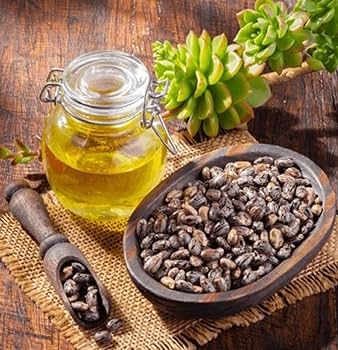
But don’t panic, properly processed castor oil does not contain ricin. The toxin stays trapped in the leftover seed pulp during oil extraction. So when you’re buying castor oil from a reputable brand, it’s safe and toxin free.
Now, what you do get in the oil is something far more exciting—ricinoleic acid, a rare fatty acid that makes up nearly 90% of the oil. This is the real hero of castor oil. According to a study published in International Journal of Molecular Sciences (2022), this compound is what gives castor oil its anti inflammatory, antibacterial, and moisture sealing powers.¹
A Closer Look at What’s Inside
Here’s what you’re rubbing into your skin or massaging into your scalp when you use castor oil:
- Ricinoleic acid – Helps calm inflammation and irritation
- Oleic acid – Smooths and softens skin
- Linoleic acid – Locks in moisture and strengthens skin barrier
- Stearic acid – Protects against environmental damage
These compounds don’t just sit on top of your skin—they go deep, working from the inside out. One review in Pharmacognosy Reviews (2020) explains how castor oil penetrates deeper into the skin compared to many other plant oils, making it a solid carrier for other healing ingredients.²
Cold Pressed vs. Black Castor Oil: Which One’s for You?
Not all castor oil looks or works the same. You’ll mostly come across two types:
1. Cold Pressed Castor Oil
This is the cleanest, most natural version. It’s made by mechanically pressing the seeds without heat, which keeps more nutrients intact.
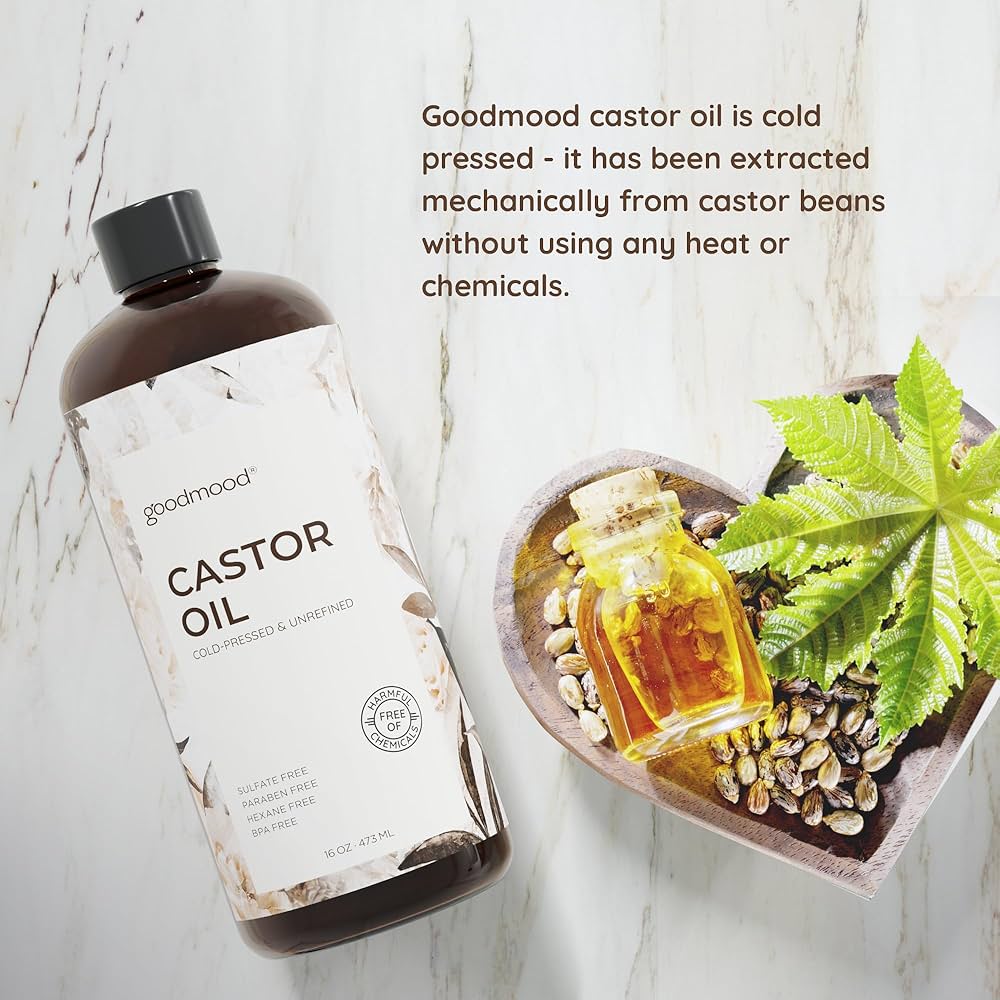
- Color: Pale yellow
- Texture: Smooth, not too heavy
- Smell: Mild and almost nutty
- Best for: Skin care, eyelashes, eyebrows, scalp massages
It’s also ideal for sensitive areas like your face. That’s why you’ll find cold pressed castor oil in natural beauty routines—especially for hair regrowth and hydrating dry skin.
Real Life Use:
Nadia, a skincare blogger from Dhaka, told us she started using cold pressed castor oil after her eyebrows thinned from over plucking in college. “It took patience,” she says, “but after a few weeks of nightly use, I saw baby hairs coming back. It became my little ritual.”
2. Jamaican Black Castor Oil (JBCO)
This version is more traditional and has deep roots in Afro Caribbean beauty practices. The castor seeds are roasted before pressing, which gives the oil a darker color and more ash content.
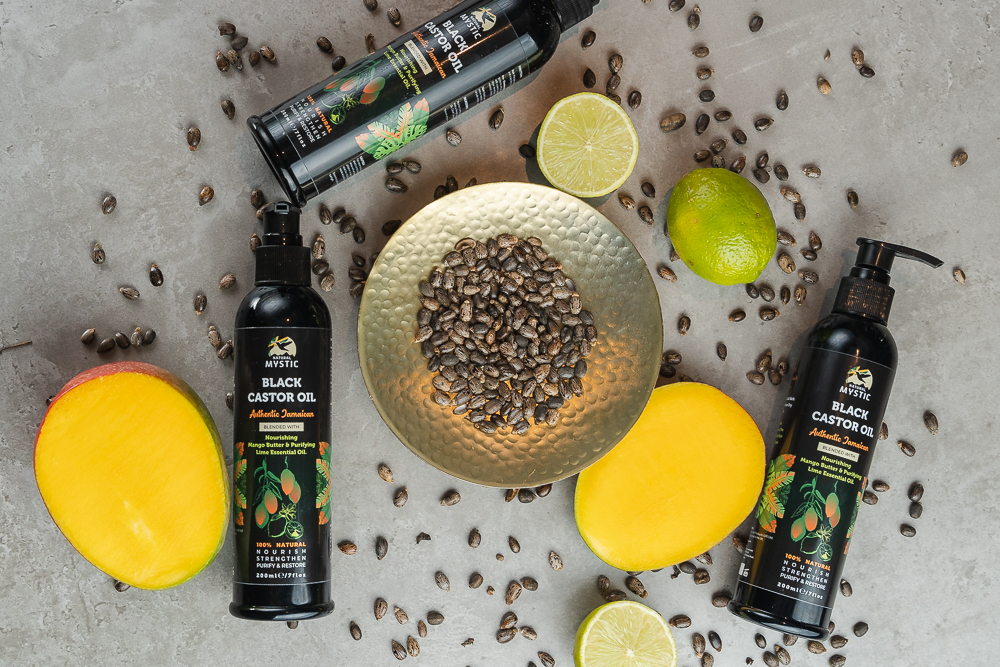
- Color: Dark brown to black
- Texture: Thicker and heavier
- Smell: Smoky and earthy
- Best for: Hair masks, dandruff control, deep scalp treatment
Some people believe the ash boosts its effectiveness for hair growth. While research on that part is limited, countless users swear it thickens weak hair. A 2021 article in Journal of Cosmetic Dermatology noted that castor oil may improve hair shaft health and reduce breakage.³
Real Life Use:
Jamil, a barber from Chittagong, uses JBCO for scalp massages in his shop. “Clients with dry scalps or patchy hair growth love it,” he says. “It gives a warm feel when massaged and makes hair softer after a few weeks.”
Can You Eat Castor Oil?
Surprisingly, yes—but only the kind specifically made for it.
Pharmaceutical grade castor oil is approved by the FDA for use as a laxative. It’s been used for this purpose since, well, forever. But there’s a strict rule: it must be USP certified (United States Pharmacopeia).
Never try to consume industrial or cosmetic castor oil. Doing so could cause serious harm—from nausea and diarrhea to organ failure if toxins remain. Always consult your doctor before using castor oil internally.
Why Castor Oil Still Matters Today
In a world flooded with high end skincare products and fancy serums, castor oil is proof that simple still works. You don’t need 15 step routines when one bottle of this stuff can handle:
- Dry heels and elbows
- Scalp itch and flakes
- Brittle eyelashes or brows
- Cracked cuticles
- Sunburn relief
- Minor skin infections
Its shelf life is long, it’s affordable, and a little goes a long way.
1. Castor Oil Benefits:For Hair Growth
If you’ve ever asked the internet, “How can I grow my hair faster?”—chances are castor oil popped up somewhere. Maybe your grandma swore by it. Or maybe you scrolled past someone on Instagram with amazing curls and a bottle of thick golden oil in hand. Either way, this old school remedy has stuck around for generations.
But does it actually do anything? Or are we all just rubbing sticky goo into our scalps for no reason?
Let’s break it down and see what’s really behind the hype.

What’s So Special About Castor Oil?
Okay, here’s the deal. Castor oil is rich—and I mean loaded—with something called ricinoleic acid. About 90% of the oil is made of this unique fatty acid. Sounds fancy, but here’s what it actually does:
- Improves blood flow: When your scalp gets more blood, it also gets more oxygen and nutrients. That means healthier roots and possibly stronger hair.
- Reduces irritation: If your scalp feels itchy or inflamed, it’s not the best environment for new hair. Castor oil helps calm things down.
- Keeps the scalp clean: It fights off germs—especially the ones that cause dandruff or scalp infections. And that’s a win for anyone wanting thicker, happier hair.
Pretty simple, right?
So… Is There Any Proof?
You don’t need to be a scientist to use castor oil, but it does help that researchers have looked into it a bit.
- A 2021 article in the International Journal of Trichology talked about how blood circulation and a relaxed scalp play a big role in helping hair grow. Castor oil naturally supports both.
- Another 2020 study in Pharmacognosy Research highlighted how castor oil helped stop bacteria and fungi from messing with the scalp—especially the kinds linked to flakes and buildup.
No, it’s not going to grow 10 inches of hair overnight. But it might give your scalp the right vibe to do its thing.
How to Use It Without Turning Into a Greaseball
Let’s be honest. Castor oil is thick. Like, molasses on a cold day thick. But here’s a simple way to use it without going full oil slick:
- Warm it up just a bit – Not hot. Just cozy. Stick the bottle in a bowl of warm water for a minute.
- Rub it into your scalp – Use your fingertips. No nails, just small circles and gentle pressure.
- Leave it on – Some folks keep it overnight with a shower cap. Others wash it out after 2–3 hours.
- Wash well – You might need to shampoo twice. That stuff doesn’t rinse out like water.
- Repeat 2–3 times a week – More isn’t always better. Consistency is what counts.
Pro tip: Mix it with a lighter oil like jojoba or coconut oil. It spreads easier, rinses quicker, and won’t feel like you dumped salad dressing on your head.
A Real World Example
“After giving birth, I noticed my hairline was disappearing. I didn’t love the idea of using something so sticky, but I gave castor oil a try. Twice a week, for three months. Slowly, those baby hairs started showing up again. Not a miracle fix—but it gave me hope.”
— Nadia R., 32, Dhaka
You’ll see plenty of stories like Nadia’s online—especially in hair care forums and mom groups. What they all have in common? Patience. No quick fixes here.
What Do Experts Say?
Dermatologists and researchers aren’t calling it a cure all, but they don’t write it off either. Here’s where most agree:
- Keeping your scalp clean, moisturized, and healthy is key to growing better hair.
- Natural oils like castor oil lock in moisture and prevent breakage.
- That special ricinoleic acid might even nudge dormant hair follicles into action by increasing something called prostaglandin E2
2. Castor Oil Benefits: Skin Moisturizer and Healer
If you struggle with dry patches, flaky skin, or even minor wounds, castor oil might be worth trying. It penetrates deep into the skin thanks to its fatty acids, which makes it super hydrating.
What it helps with:
- Dry skin
- Chapped lips
- Cracked heels
- Minor cuts or abrasions
- Acne
How to use:
Apply a tiny quantity directly on the skin or mix it with your favorite lotion. For acne, apply a thin layer and see how your skin reacts first.
Heads up:
It can be very thick, so patch test first and avoid using too much.
3. Castor Oil Benefits: Natural Laxative
Let’s not sugarcoat it—castor oil is most famous for one thing: helping you poop. It’s not the prettiest topic, but if your stomach feels like it’s holding a meeting and no one’s leaving, castor oil might just break up the crowd.
Yep, it’s that old school bottle sitting in grandma’s cabinet that nobody wants to touch—until they really need to. The good news? It’s not just folklore. The U.S. FDA actually recognizes castor oil as a legit stimulant laxative. This means science is on grandma’s side.
Source: FDA Drug Monograph for OTC Laxatives – Castor Oil section
What’s Going On Inside You?
Here’s the not so glamorous breakdown:
When you take castor oil by mouth, your body starts breaking it down in your small intestine. That releases ricinoleic acid—the star player. This acid basically pokes your intestines into action, making the muscles there contract more often.
Those muscle contractions = movement.
And movement = happens.
Pretty efficient, really.
A research paper in the Journal of Ethnopharmacology (2010) explains how castor oil’s been used for centuries across the globe—from ancient Egyptian medicine to Indian Ayurveda. It usually works in 2 to 6 hours.
Reference: Vieira C et al., J Ethnopharmacol. 2010;128(2):467–71
How Much Should You Take?
Let’s be real—it doesn’t taste great. Imagine thick oil with a sharp flavor you won’t forget. So if you’re planning to try it, mix it with juice or chase it down fast.
For adults:
- Take 1 to 2 teaspoons (5–10 mL)
- Always on an empty stomach
- Try it in the morning, so you’re close to a bathroom (trust me on this)
You can mix it with orange juice if you’re brave, or sip it quickly and follow with a strong flavored drink. Coffee works too—if your gut can handle that combo!
Do NOT use it for more than 1 or 2 days in a row.
Overusing it is a one way ticket to dehydration and regret.
A Few Things You Should Know
Just because it’s natural doesn’t mean it’s harmless. Castor oil works fast—but it can also be a bit much for sensitive people.
Watch out for:
- Stomach cramps
- Nausea
- Diarrhea
- Dehydration
Important: The American Gastroenterological Association has waved a big warning flag here. They advise against using stimulant laxatives like castor oil long term. Instead, eat more fiber, drink water, and move your body. Those are the real MVPs for healthy digestion.
Pregnant? Breastfeeding? Have IBS or another gut issue? Please talk to your doctor first.
One Person’s Honest Experience
The next morning? Let’s just say… it worked. Too well. Not glamorous, but it did the job. I won’t take it every week, but it’s my emergency button now.”
— Farhana T., 29, Chittagong
“had just come back from a week of road trip snacks—no veggies, lots of fries, and not a single proper toilet stop. I felt bloated, sluggish, and heavy. My grandmother handed me her bottle of castor oil like it was gold. I rolled my eyes but took one spoon at night with juice.
4. Castor Oil Benefits: Eyelash and Eyebrow Booster
Want fuller lashes or brows? Castor oil might help with that too.
What to do:
Dip a clean mascara wand or cotton swab in the oil and apply a tiny bit to your lashes or brows at night.
Be careful:
Don’t let it get into your eyes. And again, consistency is key.
5. Castor Oil Benefits: Joint and Muscle Pain Relief
This one surprised a lot of folks, but applying castor oil topically can help with inflammation and pain.
Why it helps:
Ricinoleic acid has anti inflammatory properties that may reduce swelling and soothe aching muscles or joints.
How to use:
Warm the oil slightly, rub it on the sore area, and cover it with a warm cloth. Some people even use a “castor oil pack.”
6. Castor Oil Benefits: Scalp Health and Dandruff Control
If you’re tired of the itchiness and flakes, castor oil might be your new scalp savior.
Why it helps:
It fights fungal infections and balances scalp oil production.
Tip:
Apply before shampooing. You can mix it with tea tree oil for an extra punch.
7. Castor Oil Benefits: May Help with Stretch Marks and Scars
This is still under debate, but many people say that regularly applying castor oil helped fade their stretch marks or minor scars.
Why?
Its intense moisturizing and regenerative properties may help support skin elasticity.
Reality check:
It won’t erase them. But it may reduce their appearance with regular use.
8. Castor Oil Benefits: Fungal Infections
Because of its antifungal characteristics, castor oil may help with:
- Athlete’s foot
- Ringworm
- Toenail fungus
Use tip:
Apply directly to the area twice daily. Make sure your skin is clean and dry first.
9. Lip Balm Substitute
No lip balm nearby? Dab on a bit of castor oil. It’s super moisturizing and gives a nice glossy finish.
10. Cuticle and Nail Care
Want stronger nails? Apply a drop to your cuticles and nails before bed.
Castor Oil Benefits – Quick Summary Table
| Use | What It Helps With | How It Works | What to Watch Out For |
|---|---|---|---|
| Hair Care | Hair growth, dandruff, scalp dryness | Boosts blood flow to scalp, fights scalp infections | May feel greasy; not a quick fix |
| Skin Moisturizer | Dry skin, cracked heels, chapped lips | Seals in moisture, softens rough patches | Can clog pores—patch test first |
| Lash & Brow Growth | Thicker looking lashes and brows | Nourishes hair follicles, reduces breakage | Avoid contact with eyes |
| Joint & Muscle Relief | Sore joints, stiffness, mild inflammation | Massaged in, it may reduce swelling and improve circulation | Not a replacement for medical treatment |
| Natural Laxative (Oral) | Occasional constipation | Stimulates bowel movement quickly | Strong effect—use sparingly, not for regular use |
Final Thoughts
It might not be a miracle cure, but castor oil is definitely underrated. From helping with hair growth to calming irritated skin, it’s one of those natural ingredients that deserves a place in almost everyone’s home.
A few quick reminders:
- Always do a patch test first.
- Use in moderation—a little goes a long way.
- For internal use, always follow proper dosage and never overdo it.
You don’t need to spend a ton of money on fancy beauty products when something as simple as castor oil can do the trick.
References:
- Alookaran, J. & Tripp, J. (2024). Castor Oil. StatPearls Publishing.
- Covers castor oil’s laxative properties, antimicrobial effects, and traditional uses.
NCBI Bookshelf - WebMD. The Health Benefits of Castor Oil.
- Discusses FDA-approved laxative use, digestive health, and clarifies popular health claims.
WebMD - Patel, V. R., Dumancas, G. G., et al. (2016). Castor Oil: Properties, Uses, and Optimization.
- Explains the chemical structure, industrial/medical uses, and potential side effects.
PMC Article - MD Anderson Cancer Center. What to know about castor oil health claims.
- Reviews scientific evidence behind claims like weight loss, detox, and cancer myths.
MD Anderson - Medical News Today (2024). Castor Oil: Benefits, use, and side effects.
- Covers castor oil’s role in skin, hair, inflammation relief, and safety concerns.
Medical News Today - Nisbett, K. E., Vendruscolo, L. F., & Koob, G. F. (2024). Preliminary Evidence of an Anxiolytic-like Effect of Castor Oil and Ricinoleic Acid. Nutrients.
- Early research showing potential anxiety-reducing (anxiolytic-like) effects in animal studies.
MDPI Nutrients
FAQ for Castor Oil Benefits
What’s the point of using castor oil anyway?
Castor oil’s one of those old school remedies that just never went away. You’ll find folks using it for everything from constipation relief to dry skin and aching joints. Some even dab it on their eyelashes or brows to help them look fuller. It’s not fancy, but it gets the job done if you like sticking to simple, natural stuff.
Does it really help with hair growth?
A lot of people seem to think so! Castor oil has a fatty acid in it—ricinoleic acid—that’s believed to boost circulation in your scalp. That can help your hair roots get more nourishment. It also keeps the scalp clean and moisturized, which might stop breakage or shedding. It’s not an overnight fix, but if you’re patient, you might notice your hair getting thicker or stronger.
Is it safe to use on your face or skin?
Yes, but it’s not for everyone. Castor oil is thick, like really thick, so it’s great for super dry or cracked skin—think elbows, heels, or even lips. Some people even use it for acne because of its antibacterial properties. But if your skin gets clogged easily or feels greasy fast, it might not be the best match. Try a small test patch before going all in.

Thesis Link : https://saulibrary.edu.bd/daatj/public/uploads/BAU200601_19-Pp_5.pdf
- Why Are My Zucchini Leaves Turning Yellow? Causes & Fixes - August 31, 2026
- What Is Eating My Plants at Night? - August 27, 2026
- Why Are My Tomato Leaves Curling Up? Causes & Fixes - August 20, 2026





[…] Read more Zoysia Grass Seed – Benefits, Types & Planting Tips Castor Oil Benefits – Natural Care for Hair, Skin, Health […]
[…] Read more Top 10 Best Collagen for Women – Expert Picks & Reviews Castor Oil Benefits – Natural Care for Hair, Skin, Health […]