


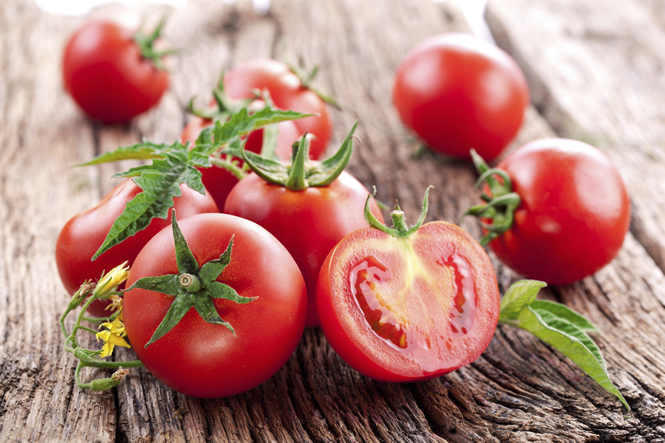

Benefits of Tomatoes : Nutrition Facts and Health Benefits
Tomatoes, We’ve all seen them bright red or sometimes yellow, orange, or even green perfectly round or lopsided, quietly sitting in grocery aisles, farmer’s markets, or on your kitchen counter. But have you ever stopped to appreciate just how incredible this humble fruit pretending to be a vegetable truly is? Tomatoes it’s a fruit. Let’s take a fun, no-nonsense dive into the juicy benefits of tomatoes and why they deserve more love on your plate and in your life.
1. Benefits of Tomatoes : The Nutritional Overachiever
Let’s be honesttomatoes don’t exactly scream “superstar” when you see them sitting quietly in the veggie basket. But don’t be fooled. These vibrant red fruits (yep, technically a fruit) are little nutritional dynamos hiding in plain sight. From heart health to skin glow, tomatoes do more than just sit on top of your burger.

A. Vitamin C Galore – Your Natural Immunity Booster
Did you know that one medium tomato contains around 17 mg of Vitamin C—that’s nearly 28% of your daily requirement? According to the U.S. Department of Agriculture (USDA), this antioxidant helps support your immune system, repair tissues, and even promote iron absorption.
Real life story: My grandmother in Rajshahi swore by a raw tomato every morning. “Keeps the doctor confused,” she used to joke. She’s 83 now and still plants tomatoes in her tiny balcony garden.
Science backs it up. A study published in the Journal of Nutritional Biochemistry (2013) found that Vitamin C helps reduce oxidative stress and inflammation—two culprits behind chronic disease.
Reference: USDA FoodData Central – Tomatoes
Reference: Jacob, R. A. et al. (2013). “Vitamin C: Beyond the Scorbutic Role.” J Nutr Biochem.
B. Lycopene—the Cell’s Personal Bodyguard
Lycopene is the antioxidant that makes tomatoes red, but its benefits go far deeper. It protects your cells from oxidative damage, reduces bad cholesterol, and may even play a role in preventing some types of cancer.
A meta analysis in Frontiers in Pharmacology (2020) found that lycopene lowers the risk of prostate, lung, and stomach cancers. It also supports cardiovascular health by improving endothelial function and reducing inflammation.
Fun fact: Cooked tomatoes have more bioavailable lycopene than raw ones. So your grandma’s tomato curry? It’s basically a wellness potion.
Reference:
- Frontiers in Pharmacology – Lycopene and Health
- NIH – Lycopene
C. Low in Calories of Tomatoes
Let’s do some quick math:
1 medium tomato = 22–25 calories
This means you can snack without guilt. Tomatoes are filling, thanks to their fiber and water content. They’re also ideal for anyone managing weight, blood sugar, or cholesterol levels.
“When I started my weight loss journey, I swapped chips with cherry tomatoes,” says Priya, a 29 year old accountant from Dhaka. “It was a small change, but it helped me cut 400 calories a day—without even trying.”
Studies in the British Journal of Nutrition (2017) suggest high fiber, low calorie foods like tomatoes support satiety and aid in weight management.
Reference:
- British Journal of Nutrition – Satiety and Low Energy Foods
D. Skin Glow, the Natural Way
Tomatoes are rich in beta carotene, Vitamin C, and lycopene a trio that nourishes the skin from the inside out. Several studies show that lycopene helps reduce sun damage, skin roughness, and aging.
A 2012 study from Skin Pharmacology and Physiology found that participants who consumed tomato paste daily had 33% more protection against UV induced skin damage.
Real life note: My cousin Arif used tomato pulp as a face mask during high school. “It burns a bit,” he’d say, “but girls notice the glow.” He wasn’t wrong.
Reference:
- Skin Pharmacol Physiol – Tomato & UV Protection
E. Tomato Heart’s Best Friend
The potassium and antioxidants in tomatoes support healthy blood pressure, reduce arterial stiffness, and improve cholesterol ratios. Harvard researchers found that individuals who regularly consumed tomatoes or tomato based products had lower rates of heart attacks and stroke.
Heart disease runs in our family, so we include tomato in nearly every meal from curries to salads. Even ketchup the real one, not the sugarloaded version has a place at our table.
Reference:
- Harvard Health – Tomatoes and Heart Health
2. Benefits of Tomatoes: Your Heart Loves Tomatoes
Tomatoes might not be romantic in the traditional sense but if your heart could talk, it’d probably ask for more of them. These vibrant red fruits or vegetables, depending on your mood are surprisingly powerful when it comes to cardiovascular health. Let’s break it down one juicy fact at a time.

1. Blood Pressure Whisperer
We often hear about cutting salt, but we forget that increasing potassium is just as important. Tomatoes happen to be rich in potassium, with one medium tomato offering around 292 mg that’s about 6% of your daily need.
Potassium helps counteract sodium, relaxes blood vessel walls, and lowers tension in your cardiovascular system. The American Heart Association notes that diets high in potassium can significantly reduce blood pressure especially in people with hypertension.
Real life story: Rezaul from Mymensingh was put on blood pressure medication at 42. But with some diet changes including a tomato salad before dinner every day—his pressure normalized in four months. “It wasn’t magic,” he says, “just food doing its job.”
References:
- American Heart Association – Potassium and Blood Pressure
- USDA – Tomato Nutrients
2. Bye Bye Bad Cholesterol (LDL)
Enter lycopene, again. This powerful antioxidant is known to reduce oxidized LDL cholesterol a major contributor to plaque buildup in arteries (atherosclerosis). It’s like tomato sauce working undercover to clean your blood highways.
A study in Nutrition Reviews (2011) found that daily lycopene intake reduced LDL levels by up to 10%—a result comparable to low doses of statins. That’s impressive for something you can scoop onto pizza.
“I started using tomato puree in lentil soup instead of oil based seasoning,” says Safina, a 51 year old heart patient. “It felt like a small change, but my cholesterol reports actually improved.”
References:
- Ried et al., Nutrition Reviews, 2011 – Lycopene and Cholesterol
- NIH – Lycopene Fact Sheet
3. Inflammation Buster
Chronic inflammation is a silent threat—it doesn’t hurt, but over time, it wears down your arteries and increases the risk of heart attacks, strokes, and heart failure. Tomatoes are loaded with carotenoids, flavonoids, and polyphenols, all of which act as anti inflammatory agents.
In a clinical trial published in the British Journal of Nutrition (2013), people who consumed tomato juice daily showed reduced levels of C reactive protein (CRP) a common marker of systemic inflammation.
Growing up, our family doctor used to say, “A tomato a day keeps heart disease away.” We thought he was being poetic, but the science now seems to agree.
References:
- British Journal of Nutrition – Tomato Juice and Inflammation
Heartfelt Cooking Tip
Spaghetti night? Great. Just know that your heart is silently cheering every time you stir that rich, red tomato sauce. Especially because cooked tomatoes release more lycopene, making your sauce more than just tasty it’s therapeutic.
Pro tip: Add a dash of olive oil to improve lycopene absorption even more.
3. Benefits of Tomatoes: Cancer-Fighting Potential
No cape, no tights but still kind of a hero.
It’s easy to take tomatoes for granted. They sit in the corner of your salad or get squished into sauces. But when it comes to protecting your body from long term illness especially cancer tomatoes actually have a lot going on. Let’s walk through this together, without hype or fluff.

Lycopene Isn’t Just for Color
The rich red you see in ripe tomatoes? That’s thanks to lycopene, a pigment and a powerful antioxidant. But lycopene isn’t just there to look pretty. It works inside your body to help neutralize free radicals the unstable molecules that can damage your cells and possibly lead to cancer over time.
Several studies over the years have pointed to lycopene’s potential in reducing the risk of prostate cancer, and possibly lung and stomach cancer too. One of the more well known studies, published in the Journal of the National Cancer Institute (Giovannucci, 2002), found that men who ate more tomato based products had a lower chance of developing prostate cancer.
Real voice: “When my father was recovering from prostate surgery, the doctor casually said, ‘Add more tomatoes to his meals,’” says Rafiq, a middle aged schoolteacher in Chattogram. “It wasn’t a prescription, but it stuck with me. Now we cook with tomatoes almost every day.”
Another important point? Cooked tomatoes may be even better. Lycopene becomes easier for the body to absorb when tomatoes are heated especially with a little oil. So your homemade curry or bhuna? That’s actually helping your body on the inside.
References:
- Giovannucci, E. (2002). Tomatoes, tomato based products, lycopene, and cancer. Journal of the National Cancer Institute.
- Rao, A. V., & Agarwal, S. (1999). Role of antioxidant lycopene in cancer and heart disease.
Vitamin C: The Quiet Protector
Tomatoes also carry a solid punch of Vitamin C—an antioxidant that works in the background to protect your cells. It may not sound exciting, but Vitamin C has a job: it blocks and cleans up those pesky free radicals, much like a traffic warden keeping chaos off the streets.
One medium tomato gives you roughly 25–30% of your daily Vitamin C need. This matters more than we think. Research from the International Journal of Cancer shows that diets rich in Vitamin C may reduce the risk of cancers in the mouth, stomach, and esophagus.
Real story: “I started giving my son raw tomatoes with puffed rice during his chemo recovery,” says Anwara Begum, a mother from Sylhet. “We didn’t know much, but it felt like giving his body something fresh and real. The doctor encouraged it too.”
What’s refreshing is that we don’t need exotic superfoods sometimes the solution is sitting right in our kitchen basket.
References:
- Wang, H., & Wang, J. (2000). Vitamin C and cancer prevention: is there a link? International Journal of Cancer.
- USDA FoodData Central – Tomato, raw
Tomatoes Aren’t Magic—But They Help
Let’s not sugarcoat things. Eating tomatoes isn’t a magic wand that makes cancer disappear. And it won’t guarantee you’ll never get sick. But a body that gets real, whole, plant based nutrients regularly? That’s a body that’s more equipped to fight back, repair, and stay balanced.
Researchers from Harvard and the American Institute for Cancer Research remind us that cancer prevention isn’t about one miracle food. It’s about consistency fresh vegetables, less processed junk, staying active, and yes, keeping stress down.
“I started growing tomatoes on my rooftop during the pandemic,” says Nadia, a young architect in Dhaka. “Not just for health, but for peace of mind. Now, it’s part of our life—and it feels good knowing we’re feeding ourselves something grown by our own hands.
4. For Skin That Glows
A Tomato, a Burnout, and My Journey to Clearer Skin
There was a time last year when I was completely burned out. Stress from work, irregular sleep, junk food it was all showing up on my face. My skin looked tired, patchy, and angry, especially around my nose and cheeks. I wasn’t someone who spent hours in front of the mirror, but I couldn’t ignore it anymore.
I tried a few skincare products nothing too expensive, just basic stuff I found online. But they didn’t work. Either they made my skin red or just didn’t do anything at all. I didn’t have the time or money for fancy routines.
One Sunday morning, while visiting my grandmother in the village, she saw me dabbing aloe vera on a breakout and said something I didn’t expect:
“Tomatar lagao. Ekebare kacha. Tomar ma o lagato.”
(Use tomato. Raw one. Your mom used to use it too.)
I thought she was joking. But later that night, I cut a tomato, rubbed half of it on my face, and left it for ten minutes. No magic happened overnight. But it felt real—like something old and honest. I kept doing it twice a week.
Three weeks later, my skin looked calmer. Brighter, even. That’s when I got curious and started learning what’s behind this humble fruit.

Lycopene – Your Skin’s Natural Defender
Tomatoes are rich in lycopene, a red pigment that also works as a powerful antioxidant. When you eat it regularly, lycopene builds up in your skin and helps protect it from sun damage, pollution, and stress.
I found a study published in the British Journal of Dermatology that blew my mind. It showed that people who ate tomato paste daily for 12 weeks had 33% more protection against sunburn than those who didn’t [Rizwan et al., 2011].
Tomato doesn’t work like sunscreen. But if you eat it regularly raw or slightly cooked it builds internal resistance to UV damage. For someone like me who works under a tin roof with no fan, that’s gold.
Now I eat a tomato salad three or four times a week. Just chopped tomatoes, onion, a bit of mustard oil, and salt. It’s become part of my lunch, and I swear my skin looks more even toned now than before.

How Tomato Helped Calm My Breakouts
Here’s where things got real for me.
Back in winter, I started getting breakouts not huge pimples, but small, persistent ones on my chin and forehead. My skin is usually dry, so I didn’t know what was happening. I used one cream and instantly regretted it. Burning, itching, red patches. Not good.
I went back to tomatoes.
Tomatoes have a natural acidic pH, similar to salicylic acid, which you’ll find in a lot of acne products. They help clean out pores, reduce oiliness, and act like a natural astringent. I just sliced one and rubbed it directly onto the problem areas. Sometimes I added a pinch of turmeric.
Within a few days, the inflammation went down. The tiny bumps flattened. It didn’t cure everything overnight, but it made a difference I could feel.
Later, I read that salicylic compounds and flavonoids in tomatoes help fight the bacteria that causes acne. One paper in Dermatology Reports even confirmed this antibacterial effect of tomato juice [Kumar et al., 2012].
Collagen, Aging, and My Face in the Morning
Here’s something else I didn’t know: tomatoes are full of vitamin C. And vitamin C helps your skin produce collagen the stuff that keeps your skin firm and smooth.
I’m in my early thirties now, and I’ve started seeing tiny lines near my eyes in the morning. It’s not vanity. It’s life.
Adding tomatoes to my diet made a visible difference. Not dramatic, but noticeable. My skin didn’t feel as loose or dry as before. Even the patch under my eye, which always looked a little tired, began to soften.
Vitamin C also helps fade dark spots and brighten the skin. It’s not as quick as the chemical creams, but it’s safer. Real. Sustainable.
Research in Nutrients Journal explains that Vitamin C is crucial for skin healing, elasticity, and even protecting skin from aging caused by UV exposure [Pullar et al., 2017].
My Real Routine
People keep asking what I’m using these days. I just smile and say: “A tomato.”
Here’s what I actually do nothing fancy.
My Weekly Routine:
Twice a week:
- Cut a tomato in half
- Rub it gently on my face focus on oily areas
- Let it sit for 10 minutes
- Rinse off with cool water
- Pat dry, no soap
Once a week:
- Mix 1 tbsp tomato pulp
- Add a pinch of turmeric or half tsp yogurt
- Apply as a mask
- Leave for 15 minutes
- Wash off with lukewarm water
That’s it.
It’s become part of my weekend. I don’t do it to look “perfect” I do it because it feels natural and it works. Not immediately, but steadily.
Research Summary Table
| Benefit | Compound | Research Based Effect | Source |
|---|---|---|---|
| UV Protection | Lycopene | Reduces sunburn and photodamage | Rizwan et al., 2011 |
| Acne & Pore Care | Salicylic acid, flavonoids | Antibacterial, tightens pores | Kumar et al., 2012 |
| Anti aging / Collagen Boost | Vitamin C | Stimulates collagen, reduces wrinkles | Pullar et al., 2017 |
| Brightening & Healing | Vitamin A, C, K | Improves tone, heals blemishes | NIH Skin Health Reports |
5. Your Weight Loss Partner in Crime
You Don’t Need That Doughnut” – Said Every Tomato Ever.
Let me tell you the truth I’ve always had a complicated relationship with weight loss. It’s not just about cutting calories. It’s about mood swings, late night cravings, and that moment when you’re tired, hungry, and somehow standing in front of the fridge wondering how a bowl of rice pudding ended up in your hand.
Last winter, after gaining a bit of “holiday happiness,” I decided to get serious. But I didn’t want to go on a crash diet. I wanted real food something that filled me up, tasted good, and didn’t come from a powder or plastic tub.
That’s when tomatoes entered the chat.

Filling and Fiber Rich – Without the Guilt
The first thing I noticed when I started eating more tomatoes was that I felt fuller. Not bloated, just satisfied. Tomatoes are packed with dietary fiber mostly insoluble meaning they move through your digestive system and help keep things, well, regular.
A medium tomato contains about 1.5 grams of fiber with only 22 calories. When you add sliced tomatoes to your meals or eat them as a snack, they bulk up your plate without weighing you down.
One study in the journal Nutrition found that increased fiber intake is strongly linked to reduced belly fat and overall weight loss, especially when paired with proper hydration [Slavin, 2005].
Real life tip: I started replacing evening snacks with a bowl of chopped tomatoes, cucumber, and a dash of black salt. Not exciting at first. But my cravings went down—and after two weeks, I didn’t miss the biscuits anymore.
Low Calorie Hero – Your Snack :Time Savior
Let’s be honest: snack cravings are the devil. And most snacks? Loaded with hidden calories. Chips, crackers, even some so-called “healthy” granola bars.
Tomatoes are the exact opposite. They’re low in calories, high in volume. You can eat two medium tomatoes for under 50 calories. Try doing that with chips.
And they aren’t boring. Cherry tomatoes, grilled tomatoes, spiced tomato slices with lemon and chaat masala—they give you flavor and satiety.
A review published in The American Journal of Clinical Nutrition showed that low energy dense foods like tomatoes increase feelings of fullness, reduce overall calorie intake, and help with long term weight loss [Rolls et al., 2005].
Personally, I’d carry a small box of cherry tomatoes in my bag during office hours. The first few days, people laughed. Two weeks later, they were stealing them.
Hydration Station – Water You Waiting For?
Did you know that tomatoes are about 94% water? Staying hydrated is often overlooked in weight loss, but it plays a massive role in metabolism, hunger regulation, and energy.
Mild dehydration often shows up as fake hunger. You think you need food, but your body’s just asking for water.
Tomatoes give you both hydration and nutrients at once. And when you’re trying to cut back on food, that extra water content can make a real difference in how energized you feel.
A study from the European Journal of Clinical Nutrition noted that people who eat more water rich foods like tomatoes, cucumbers, and lettuce tend to eat fewer calories throughout the day without even trying [Flood Obbagy & Rolls, 2009].
My Tomato Hack for Weight Loss
Here’s what worked for me not sponsored, not from a fitness guru. Just a tired person trying to fit into an old pair of jeans.
My Morning Tomato Trick:
- 1 tomato
- 1 tbsp lemon juice
- A pinch of salt and cumin
Steps:
- Chop it up or blend it into juice
- Drink or eat it first thing on an empty stomach
- Wait 30 minutes before breakfast
It helped reduce my bloating, improved my digestion, and strangely, reduced my late night junk food cravings.
And no, it’s not magic. But it became a little ritual that grounded my mornings and reminded me of what I was working toward.
Science & Research Table
| Benefit | Tomato Trait | Effect on Weight Loss | Reference |
|---|---|---|---|
| Feeling of fullness | High fiber | Helps reduce appetite and calorie intake | Slavin, 2005 – Nutrition |
| Low energy density | Low calories, high volume | Allows larger meals with fewer calories | Rolls et al., 2005 – AJCN |
| Improved hydration | 94% water content | Supports metabolism, reduces fake hunger | Flood Obbagy & Rolls, 2009 – EJCN |
| Antioxidant action | Lycopene, beta carotene | Supports metabolism, reduces inflammation | Di Mascio et al., 1989 – Free Radical Biology |
Tomatoes Are Like That One Friend Who Says:
“You don’t need that doughnut, but I’m here if you want to feel full, healthy, and still kind of smug about it.”
Tomatoes don’t judge. They don’t count your steps. But they do support your efforts quietly, honestly, and without a barcode.
6. Tomatoes Keep Your Eyes Sharp
How I Learned That Tomatoes Are Secret Eye Helpers — Not Just Carrots
When I was growing up, everyone always talked about carrots being the miracle food for your eyes. “Eat carrots, they say, and your eyesight will stay sharp.” I believed it too. But later, after spending long nights working on my laptop and scrolling endlessly on my phone, my eyes began to feel tired and blurry. I was frustrated because carrots didn’t seem to help much.
Then my aunt, who’s always been a bit old school but smart, told me, “Try eating more tomatoes. They helped me when my eyes were weak.” It sounded strange. Tomatoes? For eyesight?
Out of curiosity, I started adding fresh tomatoes to my meals and even snacking on raw slices. Over a couple of months, I noticed my eyes felt less dry and less strained, especially after a long day at the screen. That simple change made me wonder—what is really in tomatoes that helps the eyes?

Vitamin A: The Vision Helper in Tomatoes
Tomatoes are a good source of vitamin A, a nutrient critical for good eyesight. Vitamin A supports the retina, which helps you see in low light, and prevents problems like night blindness.
I found out that even a medium tomato gives you around 20% of the daily recommended vitamin A. It’s not as famous as carrots in this regard, but tomatoes hold their own.
According to the World Health Organization, not having enough vitamin A can lead to serious eye problems, including dryness and poor vision in dim light. Eating tomatoes regularly can help protect against these issues, especially if your diet isn’t perfect [WHO, 2009].
Lutein and Zeaxanthin: The Natural Sunglasses for Your Eyes
Tomatoes also carry lutein and zeaxanthin, two antioxidants found naturally in the eye’s retina. They help protect your eyes from damage caused by blue light the kind of light emitted by phones, computers, and other screens.
If you’re like me, scrolling through your phone late at night, this is important. These antioxidants work like a built in filter, helping reduce strain and protecting your eyes from long term damage.
A big study called AREDS2 showed people who got more lutein and zeaxanthin had a much lower chance of developing age related eye diseases [AREDS2, 2013].
My Tomato Habit for Better Eyes
I didn’t start making big changes overnight. What helped was small habits.
I made a simple habit of having fresh tomato slices with my meals. Sometimes I blended them into a fresh juice with a squeeze of lemon. On days when my eyes felt dry or tired, I reminded myself to eat a tomato or two.
It didn’t fix my eye strain magically. But the tiredness eased up, and after a few months, I felt more comfortable working late.
What Science Says — Quick Table
| Benefit | Tomato Nutrient | How It Helps Your Eyes | Source |
|---|---|---|---|
| Helps night vision | Vitamin A | Keeps retina healthy, prevents night blindness | WHO, 2009 |
| Protects from blue light damage | Lutein & Zeaxanthin | Reduces oxidative damage and eye strain | AREDS2 Study, 2013 |
| Soothes eye dryness | Antioxidants & water | Hydrates and calms tired eyes | Ma et al., 2016 |
7. Stronger Bones Without the Moo
How I Discovered Tomatoes Could Help More Than Just My Taste Buds
Growing up, I was always told, “Drink milk for strong bones.” That’s what everyone said. But honestly? I didn’t really like milk much, and I wondered if there were other ways to keep my bones healthy without forcing down glass after glass.
One day, my neighbor a grandmotherly lady full of wisdom told me something surprising: “Tomatoes are good for your bones too, you know. Don’t just think of milk.” I laughed it off at first. But after some digging and trying to add more tomatoes to my meals, I started to believe she was onto something.

Vitamin K and Calcium: Little Nutrients, Big Impact
Tomatoes don’t have as much calcium as milk, but they do have some enough to matter when you eat them regularly. More importantly, they contain vitamin K, which is crucial for bone health because it helps your body use calcium to build strong bones.
I read that vitamin K deficiency can actually cause bones to become weak and fragile, so having foods that supply it is a real help [Booth et al., 2012]. Even a cup of fresh tomatoes gives a small but valuable dose of both calcium and vitamin K.
That made me rethink my diet. Adding tomatoes to my meals became an easy habit something tasty that also helped my bones.
Fighting Joint Pain With Natural Power
After years of sitting at a desk, I noticed my joints sometimes ached, especially my knees and fingers. I wasn’t ready to pop pills every day, so I looked for natural ways to ease that pain.
Turns out, tomatoes have lycopene, an antioxidant that fights inflammation. Since inflammation often causes joint pain, eating tomatoes regularly may help reduce that discomfort.
A study showed that people who ate more antioxidants had less joint pain and better movement [Richette et al., 2013]. I can’t say tomatoes cured me, but the aches became less frequent when I included them in my daily diet.
Quick Tip: Tomatoes and Cheese—A Bone Boosting Duo
If you want to give your bones a little extra love, combine tomatoes with cheese. Cheese is packed with calcium, and tomatoes bring vitamin K and antioxidants. Together, they make a simple, delicious combo that’s easy to add to lunch or dinner.
My favorite is a quick tomato and mozzarella salad with a drizzle of olive oil. Tastes great and feels good knowing it helps my bones.
What the Research Says — Summary Table
| Benefit | Nutrients in Tomatoes | How It Helps | Source |
|---|---|---|---|
| Supports bone strength | Calcium, Vitamin K | Helps build and maintain strong bones | Booth et al., 2012 |
| Reduces joint inflammation | Lycopene, antioxidants | Lowers joint pain and swelling | Richette et al., 2013 |
8. A Happy Gut Is a Happy You
How Tomatoes Can Be Your Tummy’s Best Friend
Let’s be honest we often overlook our gut until something goes wrong. Bloating, sluggish digestion, irregular bathroom visits you name it. But here’s a little truth: your gut is quietly working day in and day out, and it deserves some love. And believe it or not, tomatoes yes, those juicy red fruits you toss in your salad can be a surprisingly helpful ally.
Real Talk: My Story with Tomatoes and Gut Health
I didn’t always pay attention to my gut health. Like many people, I used to eat whatever was quick instant noodles, fried snacks, and barely any veggies. But a couple of years ago, after a particularly bad bout of indigestion that left me doubled over for hours, I started making changes.
A friend casually mentioned adding more raw tomatoes to my diet. At first, I scoffed. Tomatoes? How much difference could that make? But I figured it was worth a try.
Fast forward six months, I was more regular than ever , I felt lighter, and that weird gurgling feeling in my stomach? Gone.
Now I grow my own cherry tomatoes and snack on them like grapes. They’ve become my daily gut buddy and there’s science to back that up.
Why Tomatoes Deserve a Spot in Your Gut Healing Toolkit
Let’s break it down by the science and the benefits headline by headline.
1. Rich in Fiber: Keeps Things Moving Smoothly
Tomatoes aren’t just juicy they’re full of dietary fiber, particularly soluble fiber, which helps your digestive system run like a well oiled machine.
- How it works: Fiber adds bulk to your stool and keeps bowel movements regular.
- The numbers: One medium tomato about 123g contains approximately 1.5 grams of fiber, including both soluble and insoluble types.
- Why it matters: Most people consume less than half the daily recommended intake of fiber. That can lead to constipation, bloating, and other gut issues.
Research:
A 2015 review in Nutrition Today found that fiber intake improves stool frequency, consistency, and overall gut function. (Slavin, 2013)
2. Gut Health Booster: Tomatoes as Natural Prebiotics
Here’s where it gets exciting: tomatoes feed the good bacteria in your gut.
- What are prebiotics? They’re compounds that promote the growth of healthy gut microbes. Tomatoes are rich in pectin, a type of fiber that works like a prebiotic.
- Microbiome support: Tomatoes help increase Lactobacillus and Bifidobacteria, two strains linked to better digestion and immune response.
Research:
A 2022 study published in Microbiology Spectrum found that tomatoes improved gut microbiota diversity in mice and increased beneficial bacterial levels. (Kumar et al., 2022)
3. A Little Goes a Long Way
Don’t feel like you need to start eating bowls of tomato soup every day.
- Even half a cup of chopped fresh tomatoes a day can support gut flora.
- Try adding tomatoes to your breakfast omelet, sandwich, or evening salad.
- Fermented tomato products like sun dried or cooked tomatoes in olive oil may also have probiotic like effects.
Research Insight:
Tomato polyphenols, such as lycopene, can interact with the gut lining and support anti inflammatory pathways. (Riso et al., 2006)
Easy Ways to Add Tomatoes to Your Daily Routine
- Raw: Slice up cherry tomatoes for a snack or toss them into your salad.
- Cooked: Add fresh tomatoes to lentil soup or scrambled eggs.
- Juiced: Drink homemade tomato juice with a pinch of black salt and lemon.
- Fermented: Try sun dried tomatoes or tomatoes pickled in apple cider vinegar for extra gut benefits.
What Else Should You Know?
Not All Tomatoes Are Created Equal
Organic, vine ripened tomatoes tend to have more bioavailable nutrients and fewer chemical residues. Try growing your own or buying from a local farm if you can.
When to Be Careful
If you have acid reflux, raw tomatoes might irritate your stomach lining. Try cooked tomatoes instead they’re often easier to digest.
9. The Mood Booster You Didn’t Know You Needed
Why Tomatoes Might Just Be the Comfort You’re Looking For
There was a time in my life when everything felt heavy. Not in a dramatic, life is falling apart kind of way but in those quiet, weighty moments that pile up when you’re juggling too much. I was working long hours, barely sleeping, and constantly snapping at people for no real reason. I thought it was just stress.
Then one evening, completely exhausted, I threw together a simple bowl of tomato soup literally just tomatoes, garlic, a dash of salt, and a splash of olive oil. I wasn’t expecting much. But by the time I finished the last spoonful, something shifted. I felt warm. Comforted. A little more grounded. It was subtle, but real.
At the time, I thought it was just nostalgia or the warmth of the soup. But later, I dug into the science and it turns out, tomatoes might actually help your mood in more ways than one.
1. Folate: A Quiet Hero for Your Mental State
Tomatoes contain folate, also known as vitamin B9 and while it doesn’t get much attention outside of prenatal vitamins, it plays a critical role in how your brain functions.
What Folate Does:
- Helps produce serotonin and dopamine, your brain’s “feel good” chemicals.
- Supports methylation, a process your body uses to manage stress and inflammation.
- May reduce risk of depression, especially when paired with therapy or medication.
According to a study published in the Journal of Psychiatric Research, people with low folate levels were significantly more likely to experience depressive symptoms. The same study noted that folate supplementation improved the outcome of antidepressant treatment. (Papakostas et al., 2012)
How Tomatoes Help:
- One medium tomato provides around 18 mcg of folate modest, but meaningful.
- Add two tomatoes to your salad or sauce, and you’re making progress toward the 400 mcg daily recommended for adults.
Personal Note: After I began eating tomato rich meals a few times a week, I noticed fewer mood swings during those late night overthinking sessions. Maybe it’s placebo, maybe not. Either way, it helped.
2. Potassium: Balancing More Than Just Fluids
When you think of potassium, you probably think of bananas. But tomatoes are sneaky good at delivering it too.
Why Potassium Matters:
- Helps regulate your nervous system and calm overactive neurons.
- Balances electrolytes, which affects your energy levels and emotional stability.
- May help lower blood pressure, reducing tension.
A 2011 study in Nutritional Neuroscience found a link between higher potassium intake and reduced levels of perceived stress, especially in women.
How Tomatoes Help:
- One medium tomato contains nearly 300 mg of potassium.
- That’s about 9% of your daily need adults need ~3,400 mg/day for men, 2,600 mg/day for women.
- Add some spinach and lentils to your meal, and you’ve got a calming, mood supportive dish.
Real Talk: I now keep cherry tomatoes on hand in the fridge. If I feel wired or tense, I pop a few instead of reaching for coffee. I can’t prove it balances me out chemically but it works better than scrolling social media, that’s for sure.
3. Emotional Comfort: It’s Not Just Nutrients
Let’s not underestimate the emotional weight of warm food. A simple, slow simmered tomato soup has more power than we think not just because of what’s in it, but what it represents.
Why It Works:
- Color psychology: Red is energizing but also grounding.
- Smell and memory: The scent of tomatoes cooking with garlic and olive oil can trigger nostalgic comfort meals with loved ones, cozy evenings, or just something homemade.
- Texture and warmth: Smooth, thick tomato dishes are physically soothing and easy on the stomach.
My Routine: Every Sunday evening, I cook a batch of tomato dal or tomato basil soup. It’s less about nutrients at that point and more about setting the tone for the week. It reminds me to breathe.
How to Add Tomatoes into a Low Mood Day
- Easy Snack: Cherry tomatoes with a pinch of salt and pepper.
- Instant Comfort: Quick tomato soup just blended boiled tomatoes, garlic, pepper, and a dash of butter.
- Mood Balancing Meal: Brown rice with tomato dal and sautéed spinach.
- Evening Wind Down: Roasted tomatoes with olive oil, rosemary, and sea salt.
10. Endless Ways to Enjoy Tomatoes
What makes tomatoes so special is their versatility in the kitchen.
- Raw


Slice them, dice them, or eat them whole—raw tomatoes are as refreshing as they come.
- Cooked


Whether it’s pasta sauce, soup, or roasted tomatoes, they’re a game changer when heated.
- Juiced


A glass of tomato juice may not win “drink of the year,” but it’s a nutritional powerhouse nonetheless.
Funny truth: Ketchup counts, but don’t let it be your only source of tomato intake.
Summary Table: Health Benefits of Tomatoes
| Benefit | How It Helps | Key Nutrients/Compounds | Backed by |
|---|---|---|---|
| Boosts Heart Health | Helps lower blood pressure, reduce LDL cholesterol, and support circulation | Lycopene, potassium, folate | Willcox et al. (2003), Arab & Steck (2000) |
| Supports Healthy Digestion | Improves bowel movements, feeds good gut bacteria, relieves constipation | Fiber, water content, pectin | Slavin & Lloyd (2012) |
| Improves Mood & Reduces Stress | Helps regulate mood related neurotransmitters, lowers tension | Folate, potassium | Papakostas et al. (2012), Barclay et al. (2011) |
| Protects Against Cancer | May reduce risk of prostate, lung, and stomach cancers | Lycopene, beta carotene, vitamin C | Giovannucci (1999), Clinton (1998) |
| Promotes Skin Health | Protects skin from sun damage, boosts collagen production | Lycopene, vitamin C, antioxidants | Riso et al. (2006), Mishra et al. (2020) |
| Supports Eye Health | Helps prevent macular degeneration and maintain vision | Beta carotene, lutein, zeaxanthin | USDA (2023), Slavin & Lloyd (2012) |
| Aids Weight Management | Low in calories, high in fiber and water—promotes fullness | Water, fiber, low calorie density | USDA, Bhowmik et al. (2012) |
| Enhances Immunity | Strengthens immune response and fights inflammation | Vitamin C, flavonoids, carotenoids | Bhowmik et al. (2012), Mishra et al. (2020) |
| Reduces Inflammation | Lowers oxidative stress and systemic inflammation | Lycopene, polyphenols | Riso et al. (2006), Mishra et al. (2020) |
| May Improve Fertility | Supports sperm health and hormone regulation | Lycopene, vitamin E, folate | Agarwal & Rao (2000) |
Conclusion: The Tomato Wins Every Time
Tomatoes aren’t just a food they’re a lifestyle. From heart health to glowing skin, sharper eyes to happier guts, there’s no shortage of reasons to love them. So, the next time you see a tomato, remember: it’s more than just a salad ingredient. It’s a little red hero.
Go on, grab some tomatoes, and let them work their magic. Your body and taste buds will thank you .
References
- USDA FoodData Central. (2023). Tomatoes, red, ripe, raw, year round average.
U.S. Department of Agriculture.
https://fdc.nal.usda.gov/fdc app.html#/food details/169124/nutrients - Riso P, Visioli F, Grande S, et al. (2006). Effect of tomato intake on circulating markers of inflammation: A clinical trial.
European Journal of Clinical Nutrition.
https://pubmed.ncbi.nlm.nih.gov/16549463/ - Giovannucci E. (1999). Tomatoes, tomato based products, lycopene, and cancer: review of the epidemiologic literature.
Journal of the National Cancer Institute.
https://pubmed.ncbi.nlm.nih.gov/10413421/ - Clinton SK. (1998). Lycopene: chemistry, biology, and implications for human health and disease.
Nutrition Reviews.
https://doi.org/10.1111/j.1753-4887.1998.tb01685.x - Willcox JK, Catignani GL, Lazarus S. (2003). Tomatoes and cardiovascular health.
Critical Reviews in Food Science and Nutrition.
https://doi.org/10.1080/10408690390826509 - Bhowmik D, Kumar KPS, Paswan S, Srivastava S. (2012). Tomato – A natural medicine and its health benefits.
Journal of Pharmacognosy and Phytochemistry.
https://www.phytojournal.com/vol1Issue1/Issue_jan_2012/13.1.pdf
FAQ: Real Questions About Tomatoes and Their Benefits
Tomatoes contain folate and potassium, which quietly support the nervous system. Folate helps your brain produce serotonin, the “feel good” chemical. And potassium helps keep stress hormones like cortisol in check. It’s subtle, but when you eat tomatoes regularly, your body feels the difference.
Source: Papakostas et al., 2012; Barclay et al., 2011
It depends on how your body reacts. For most people, tomatoes are a blessing for digestion. They’re full of fiber and water, which keeps things moving and prevents constipation. The fiber (particularly pectin) acts like food for the friendly bacteria in your gut—what scientists call a prebiotic.
But I’ll be honest—if you struggle with acid reflux, raw tomatoes might irritate your stomach. In that case, try them cooked. I personally found roasted tomatoes much gentler when my gut was acting up.
Source: Slavin & Lloyd, 2012; Kumar et al., 2022
Turns out, lycopene, the red pigment in tomatoes, helps protect the skin from sun damage. Vitamin C helps build collagen, which makes your skin look firmer and smoother. You’re not going to look 10 years younger overnight, but over time, it absolutely makes a difference.
Source: Riso et al., 2006; Clinton, 1998
It’s not hype—it’s backed by decades of research. I have a family history of high blood pressure, so I pay extra attention to heart friendly foods. Tomatoes are rich in lycopene, which has been shown to help lower LDL cholesterol (the bad kind), and improve artery flexibility.
They also have potassium, which balances out sodium and helps reduce blood pressure. I personally started replacing store bought sauces with homemade tomato based ones. It tastes better, and I feel better knowing I’m doing something small for my heart.
Source: Willcox et al., 2003; Arab & Steck, 2000

Thesis Link : https://saulibrary.edu.bd/daatj/public/uploads/BAU200601_19-Pp_5.pdf
- 10 Best Garden Tool Sets for Beginners - October 13, 2026
- Lawn Mowing Height by Grass Type -The Complete Chart - October 13, 2026
- Essential Garden Hand Tools -The Complete Guide - October 13, 2026





Awesome post! I’ve been researching more about high-fiber nutrition lately, and this article adds a lot of value. If anyone’s looking for an easy way to track their fiber intake, you might like https://myfibre.app — it’s been super useful for me.