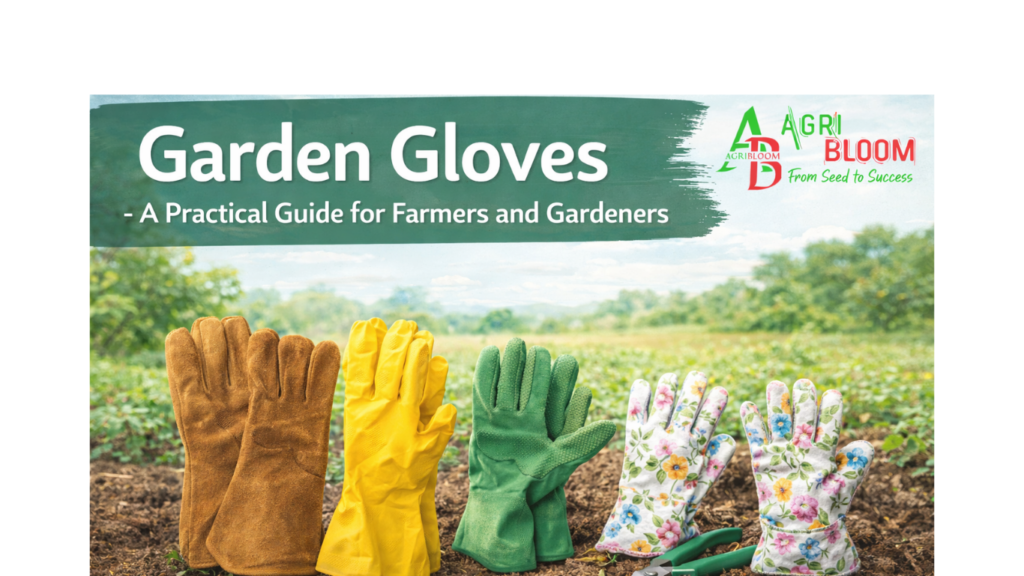

Garden Gloves – Farming and Gardening Essentials
Soil work is tougher on hands than it looks from the outside, which is why garden gloves matter. A normal week in the garden can mean gripping tools for hours, dragging rough stems, pinching weeds, and handling damp soil that slowly wears down your skin. Small scratches and pressure points build up fast, especially when you are pruning thorny plants or moving crates and equipment. Extension safety guidance for growers points out that hands are constantly exposed to hazards like thorns, sharp objects, and irritants, and that using garden gloves as proper hand protection helps prevent painful injuries and reduces infection risk.
A lot of beginners skip gloves because they want better finger feel or they assume gloves slow them down. In reality, sore palms and blisters tend to slow you down more than a well fitted glove ever will. The right pair protects your hands while still letting you work with control, and it is smartest when you choose the glove based on the job you are actually doing. That approach matches how workplace safety standards frame hand protection: select gloves based on the task, conditions, duration of use, and the hazards present.
This guide breaks down what garden gloves are, why they matter for farmers and gardeners, the glove types that make sense for real outdoor work, and how to pick a pair that fits your hands and your workload so you are not wasting money on the wrong material or an uncomfortable size.
Disclosure: This article contains affiliate links. If you purchase through these links, we may earn a small commission at no extra cost to you. This helps support our work and allows us to continue providing helpful gardening information.
If you are just getting started, even a basic pair of well reviewed garden gloves can make a noticeable difference.
You can see popular garden gloves used by gardeners here.
What are garden gloves
Garden gloves are gloves made for yard work, planting, and small farm tasks. They are built to deal with dirt, moisture, rough surfaces, and repeated rubbing in a way that ordinary cloth gloves often cannot. Many pairs use coated fabric, leather, or rubber like materials so your hands stay protected while you still feel what you are doing. Different materials suit different tasks, which is why many gardeners keep more than one type on hand for example, leather gloves for pruning and coated gloves for soil work.

A reliable pair of garden gloves mainly helps in three ways.
First, they protect your skin. Gardening regularly exposes hands to thorns, sharp stems, splinters, blisters from tool handles, and small cuts. Good gloves add a tough outer layer that reduces those injuries, especially during digging, pruning, and pulling weeds. University extension guidance also points out gloves as a basic way to prevent blisters, thorns, and cuts while working in the garden.
Second, they improve grip. When your hands are wet from watering, or when tools are dusty, gloves with textured palms or coated fingertips help you hold equipment more securely. That means fewer slips while carrying pots, using pruners, or turning soil.
Third, they reduce fatigue during longer sessions. When gloves fit well, they reduce friction and pressure points, so your hands do not tire as quickly. Over time, that comfort matters, especially if you garden often or work with hand tools for hours.
In plain language, garden gloves act like a practical barrier between your hands and outdoor hazards, while still letting you move your fingers with control. If you handle thorny plants, heavy tools, or anything that can scrape or puncture, choosing proper hand protection becomes even more important. Workplace safety guidance describes hand protection as appropriate when there is risk from cuts, abrasions, punctures, chemicals, or temperature extremes, and the same logic applies to tough outdoor work.
References
- University of Arkansas System Division of Agriculture, Extension. Gardening Gloves Information Sheet.
- Occupational Safety and Health Administration, 29 CFR 1910.138 Hand protection.
Why garden gloves matter in farming and gardening
Skipping gloves can feel quicker, especially for small jobs. But after a few weeks of digging, pulling, pruning, and carrying, most people notice the downside: sore palms, tiny cuts that sting in soil, and hands that stay dirty long after the work is done. A good pair of gloves is not about being fancy. It is about protecting your hands so you can keep working comfortably.
Hand protection you can count on
Soil is full of surprises. A sharp stone, a broken stem, or a hidden thorn can slice skin fast. Extension guidance on choosing garden gloves highlights that gloves help prevent blisters, thorns, and cuts during common garden tasks.
The same basic safety idea is used in workplace standards too: when hands are exposed to hazards like cuts, abrasions, punctures, chemicals, or temperature extremes, appropriate hand protection should be used.
Better grip and steadier control
Wet hands, muddy handles, and slick hoses make tools easier to drop. Gloves with a textured palm or a grippy coating help you hold pruners, buckets, harvest bins, and handles with less slipping. That control matters most during repetitive work, when a small slip can turn into a strain or a cut.
Less fatigue during long workdays
When gloves fit properly, they reduce rubbing and pressure points. That means fewer hot spots, fewer blisters, and less soreness in the palms and fingers after hours of weeding, harvesting, or using hand tools. Over time, that comfort is what helps you work longer without forcing breaks because your hands hurt.
Cleaner hands and healthier skin
Soil, compost, and organic matter can dry out skin and irritate small cracks. Gloves keep more of that mess off your hands, and they also make it easier to follow good hygiene habits. Food safety guidance for gardens recommends removing gloves that touched compost areas and washing hands before touching tools or produce.
References
- Gardening Gloves Information Sheet, University of Arkansas System Division of Agriculture Extension.
- OSHA 29 CFR 1910.138 Hand protection.
- Garden to Plate Food Safety for School and Community Gardens, University of Missouri Extension.
Common types of garden gloves
1. Cotton and fabric garden gloves
Garden gloves are not one size fits all. The right choice depends on what you do most often in the garden or on the farm. Cotton and fabric gloves are usually the first pair people buy because they feel light on the hands and make small tasks easier.

Cotton or cotton blend gloves are best when you need finger movement more than heavy protection. University of Arkansas Extension describes cotton and cotton polyester gloves as an all purpose option for light gardening chores.
Where they work best
Cotton and fabric gloves are a good match for jobs where the soil is fairly dry and you are not dealing with thorns or sharp stems.
Common examples include:
- Sowing seeds and transplanting small seedlings
- Light weeding in loose soil
- General tidy up work in dry weather
Why people like them
These gloves feel comfortable because they breathe better than many coated or rubber styles. They are also affordable, and they usually allow better finger control for delicate work. Reviews and buying guides often highlight breathable fabrics and dexterity as key benefits in lightweight glove styles.
What to watch out for
Cotton absorbs water easily, so once the glove is wet it can feel heavy, cold, and less grippy. Protection is also limited. If you are pruning thorny plants, digging in rocky soil, or pulling weeds with sharp roots, a thicker material like leather or a coated glove is usually safer. Safety guidance on hand protection emphasizes choosing gloves based on the task, conditions, and hazards such as cuts, abrasions, and punctures.
Quick practical tip
If you only own one pair of cotton gloves, keep them for clean, dry jobs and use a tougher glove for pruning, heavy digging, or any work near thorns.
References
- Gardening Gloves Information Sheet, University of Arkansas System Division of Agriculture Extension.
- OSHA 29 CFR 1910.138 Hand protection and selection requirements.
- BBC Gardeners World Magazine, gardening glove materials and features overview.
See lightweight cotton garden gloves on Amazon
2. Nitrile or coated garden gloves
Nitrile coated gloves start with a soft knit or fabric base, then add a thin nitrile or rubber style coating over the palm and fingertips. That coating is the reason these gloves feel grippy and stay useful when the job gets messy. Many gardening suppliers describe them as light on the hand but tough, with coated palms and fingers that help keep hands cleaner and drier while working.

Best uses in the garden or farm
These gloves are a strong everyday choice when your work is not delicate, but it is also not heavy duty thorn work.
Common jobs include:
- General garden maintenance like weeding, planting, and moving pots
- Handling compost, mulch, or bagged soil
- Working in damp beds or after watering when tools and soil stay wet
Why people choose them
Good grip is the biggest advantage. The coated palm and fingertips hold onto tool handles, buckets, and hose fittings better than plain fabric. A second benefit is moisture protection. The coating helps block water and mud from soaking straight through the palm area, which is useful when you work in damp soil. Many nitrile coated gloves are also more durable than basic cotton gloves because the coating reduces wear in the high friction spots.
What to expect in hot weather
The trade off is heat. Because the coating reduces airflow, your hands can feel warm during summer work, especially if you wear them for long sessions. If you sweat easily, look for a thinner coating and a breathable knit back, and take short breaks to dry your hands.
A practical safety note
Glove choice should match the task, conditions, and hazards. Safety guidance on protective equipment recommends selecting hand protection based on the work being performed and the performance of the glove material.
References
- Gardener’s Supply, Nitrile Gardening Gloves product description and use cases.
- OSHA, Personal Protective Equipment guidance on selecting appropriate hand protection.
- Tom’s Guide, glove material guidance noting nitrile coated palms and fingertips for improved grip and typical limitations.
Check popular nitrile coated garden gloves on Amazon
3. Leather garden gloves
Leather gloves are a go to choice when the work gets rough. Farmers and serious gardeners often reach for leather when they are pruning woody stems, clearing brush, or reaching into plants that fight back with thorns. Leather stands up to scraping, rubbing, and repeated tool use better than most light fabric options, which is why it is commonly recommended when protection matters most.

Best uses
Leather gloves shine in jobs where your hands are exposed to sharp edges and hard pressure.
- Pruning branches and cutting back shrubs
- Handling thorny plants like roses, brambles, and cactus
- Heavy garden work such as moving rough materials, pulling stubborn roots, and clearing debris
Why leather works so well
The biggest benefit is protection. Thick leather acts as a strong barrier against punctures, scrapes, and cuts. In safety guidance, hand protection is recommended when there is risk from severe cuts, abrasions, and punctures, which is exactly the kind of risk you get during tough outdoor work.
University workplace safety notes also describe leather gloves as cut, puncture, and abrasion resistant in common use cases.
Durability is the second reason people like them. A well made leather glove can last through many seasons of pruning and hauling, especially if you let it dry properly after wet work and avoid storing it damp.
What to keep in mind before buying
Leather usually costs more up front, and it can feel less nimble when you are doing fine tasks like seed sowing or handling tiny seedlings. Many gardeners keep leather gloves for thorny, heavy tasks, then switch to a thinner glove for detailed work.
References
- OSHA, 29 CFR 1910.138 Hand protection requirements and selection guidance.
- North Carolina State University Environmental Health and Safety, Hand and Arm Protection Appendix noting leather glove resistance characteristics.
View durable leather garden gloves for farm use on Amazon
4. Thorn proof or rose gloves
Rose gloves are made for one job above all others: letting you reach deep into prickly plants without paying for it later. They are usually reinforced through the palm and fingertips, and many come in a long gauntlet style that covers the wrist and part of the forearm. That extra length matters when you are pruning roses or clearing brambles, because scratches often happen higher up the arm, not only on the hand. Tom’s Guide, in its testing focused on gardening gloves, notes that rose pruning gloves with a heavy leather gauntlet can provide strong forearm protection during thorny work.

Best for
- Pruning rose canes and thorny shrubs
- Cutting back brambles and dense vines
- Clearing overgrown areas where you need to reach and pull stems by hand
Why gardeners and farmers keep a pair
The main advantage is puncture resistance. Reinforced materials help block thorns and stiff stems that easily pierce lightweight gloves. The longer cuff also shields the forearm when you reach between branches or pull tangled growth. This matches the general safety principle used in protective equipment guidance: glove selection should be based on the task, conditions, and the hazards you expect, such as cuts, scrapes, and punctures.
What to expect while wearing them
Thorn proof gloves are bulkier than everyday garden gloves. That extra padding is the reason they protect so well, but it also reduces fine finger control. If you are doing delicate jobs like seed sowing or handling small seedlings, you will probably switch to a thinner glove.
Quick buying tip
If you prune roses often, choose a pair with a long cuff that sits comfortably on your forearm and a reinforced palm that still lets you hold pruners securely. Long sessions are easier when the glove protects you without forcing a tight grip the whole time.
References
- Tom’s Guide, gardening glove testing and notes on rose pruning gloves with gauntlet style forearm protection.
- OSHA, Personal Protective Equipment guidance on selecting hand protection based on task and hazard.
See thorn proof garden gloves on Amazon
5. Waterproof garden gloves
Waterproof garden gloves are made for days when the soil stays wet and the work cannot wait. Instead of soaking through like basic fabric gloves, these are built with a water blocking layer such as a full rubber coating, a waterproof membrane, or a sealed outer shell. Many versions also include a warmer lining, which makes them useful in cooler weather and during early morning greenhouse routines.

Best uses
Waterproof gloves are most useful when moisture is guaranteed and you need to keep working with steady grip.
- Rainy season gardening and yard cleanup
- Handling wet soil, mud, or standing water in beds
- Greenhouse work where humidity and watering keep surfaces damp
Why they are worth having
Keeping hands dry is not just about comfort. When hands stay wet for long periods, skin softens and can become irritated more easily. Waterproof gloves also help you keep a better grip on tool handles and containers when everything is slippery.
From a safety point of view, glove choice should match the conditions and hazards of the task. OSHA’s hand protection rule notes that selecting appropriate hand protection should consider the task, the conditions present, and the hazards identified. Wet conditions are part of those conditions, so using gloves designed for moisture makes sense when you are constantly working in damp soil.
Cornell Cooperative Extension also emphasizes choosing gloves based on the job and the materials you are handling, especially when the work involves messy or potentially irritating substances.
Common drawbacks to expect
Waterproof protection comes with trade offs.
Less breathability is the most common issue. When air cannot move through the glove, hands can feel sweaty during warm weather or long work sessions. Some waterproof gloves can also feel stiff at first, especially thicker styles meant for cold and wet environments. In practice, many gardeners keep one pair for wet conditions and a lighter pair for dry tasks so hands stay comfortable.
Simple tip for choosing the right pair
If you work in wet soil often, look for a glove that is waterproof across the whole hand, not only the palm, and choose a cuff that seals well around the wrist so water and mud do not sneak in while you dig or lift pots.
References
- OSHA, 29 CFR 1910.138 Hand protection, selection based on task and conditions.
- Cornell Cooperative Extension, guidance on choosing gloves for garden tasks and materials handled.
Check waterproof garden gloves on Amazon
Key features to look for in garden gloves
The best garden gloves are the ones you actually keep on your hands. That usually comes down to performance. Fit, materials, grip, comfort in your climate, and how long the pair lasts are what separate a helpful glove from one that ends up forgotten in a shed.
Proper fit
Start with sizing. A glove should sit close to your fingers and palm without squeezing. When gloves are loose, you lose control of pruners and trowels and you are more likely to rub and blister. When they are tight, your hands tire faster and finger movement feels clumsy. Workplace hand protection guidance explains that glove selection should match the task and conditions so the wearer can work safely and effectively.
Material quality that matches your workload
Material should follow the job, not the label on the package. Light fabric gloves make sense for quick planting and gentle weeding. Coated fabric is a practical everyday option when you want better grip and some moisture resistance. Leather is better when you are pruning woody stems or working around thorny plants. Cornell Cooperative Extension points out that different glove materials suit different tasks, and choosing the right type improves protection.
University extension guidance also recommends choosing gloves based on what you are doing, with options ranging from light to heavy duty.
Grip performance in wet or muddy conditions
Grip is a safety feature as much as a convenience. If you work with damp soil, compost, hoses, or muddy tools, look for palms that stay tacky when wet. Coatings such as foam or microfoam nitrile are designed to improve grip across dry and wet environments, according to a Honeywell coating guide.
Breathability for warm weather comfort
In hot climates, gloves that trap heat tend to get removed halfway through the job. Breathable backs, lighter knits, and thinner coatings help hands stay cooler. Extension guidance notes that glove types vary widely, and comfort factors like materials and design should be matched to the task and conditions.
Durability that saves money over time
The cheapest pair often fails first at the fingertips and palm, exactly where friction is highest. Paying a little more for stronger stitching, better coatings, or thicker leather usually means fewer replacements. OSHA’s hand protection rule also stresses evaluating glove performance characteristics for the task, conditions, and duration of use, which is another way of saying durability matters when the work is regular.
References
- Occupational Safety and Health Administration, 29 CFR 1910.138 Hand protection selection criteria.
- Cornell Cooperative Extension, Gloves for the Garden.
- University of Arkansas System Division of Agriculture Extension, Gardening Gloves Information Sheet.
Common mistakes when buying garden gloves
Most glove problems start at the store, not in the garden. These are the slip ups I see people repeat again and again.
Choosing the cheapest pair and expecting it to last
Low priced gloves often fail first at the fingertips and palm, the areas that take the most friction from tools and soil. If you garden often, spending a little more on stronger materials and better stitching usually means fewer replacements over the season. The University of Arkansas Extension notes that investing in one or more pairs of gloves helps protect hands from blisters, thorns, and cuts, and the variety of gloves ranges from light to heavy for different needs.
Using one pair for every job
Light fabric gloves feel great for seed sowing but they struggle with thorns and rough pruning. Heavy leather gloves protect well but feel clumsy for delicate work. Keeping at least two types is a practical approach, one for everyday tasks and one for harsh tasks. Cornell Cooperative Extension also emphasizes matching glove choice to what you handle and the job you are doing.
Ignoring sizing and fit
A loose glove reduces control and can cause rubbing. A tight glove makes hands fatigue faster and reduces finger movement. Good hand protection should be selected based on the task and conditions, and it has to work for the wearer in real use.
Forgetting seasonal needs
Hot weather often requires breathable gloves, while rainy or cool seasons may call for waterproof materials and warmer linings. Many people buy one pair in spring and then struggle when conditions change.
How to use garden gloves effectively
A little care after work is what makes gloves last.
Clean them after use
Shake off soil and rinse or wash according to the material. Dirt left in the glove fibers acts like sandpaper over time, shortening its life. Practical glove care guides recommend cleaning and fully drying gloves between uses to prevent odor and deterioration.
Dry wet gloves completely
Do not store gloves damp. Air dry them in a ventilated spot, away from direct heat. Storing wet gloves leads to odor and faster breakdown of materials. Several cleaning guides also advise drying away from direct sunlight to prevent damage.
Store indoors, away from direct sun
Sunlight and heat can weaken coatings and dry out leather. A cool, dry storage spot extends glove life.
Condition leather when it starts to stiffen
Leather can dry out and lose flexibility. Light conditioning after cleaning helps it stay supple. Even general glove care advice for leather often includes conditioning as a key step.
Simple habits like these keep gloves comfortable, hygienic, and usable for longer.
Are garden gloves worth it
Yes, without any doubt.
Garden gloves are one of the lowest cost pieces of gear that improves comfort right away and reduces common problems like cuts, blisters, and thorn punctures. Extension guidance frames gloves as a basic investment for protecting hands during routine garden work.
For home gardens, nurseries, small farms, and anyone working outdoors regularly, gloves are not an extra. They are a practical tool that helps you work longer, safer, and with less strain.
Explore well reviewed garden gloves on Amazon
Summary table for Garden Gloves
| Glove type | Best for | Main strengths | Main limitations | Quick buying tip |
|---|---|---|---|---|
| Cotton and fabric gloves | Seeding, transplanting, light weeding in dry soil, quick tidy up | Breathable, comfortable, good finger movement, budget friendly | Absorbs water, low thorn protection, wears faster in rough work | Choose snug fit and reinforced fingertips if possible |
| Nitrile or coated gloves | Daily maintenance, compost, mulch, damp soil, carrying pots and trays | Strong grip, better moisture resistance in palm area, good durability for everyday chores | Can feel warm in hot weather, coating reduces airflow | Pick a thin coating with breathable knit back for summer |
| Leather gloves | Pruning, brush clearing, thorny plants, moving rough materials | High durability, strong protection from scrapes and punctures, long lasting when cared for | Higher cost, less dexterity for fine tasks, needs drying and care | Look for reinforced thumb area and comfortable cuff |
| Thorn proof or rose gloves | Rose pruning, brambles, dense shrubs, fence line clearing | Strong puncture resistance, forearm protection with longer cuff | Bulky, less precise finger movement | Choose gauntlet style cuff if you often reach deep into shrubs |
| Waterproof gloves | Rainy season work, wet soil, muddy chores, greenhouse humidity, cool mornings | Keeps hands dry, steadier grip in wet conditions, can add warmth | Less breathable, may feel stiff, can get sweaty in heat | Prefer full hand waterproofing and a snug wrist seal |
Final Thoughts
Garden gloves may seem like a small accessory, but they play a major role in daily farming and gardening work. The right gloves reduce injuries, improve productivity, and make outdoor tasks more comfortable.
Choosing gloves based on your actual needs rather than price alone leads to better results and longer lasting gear. For anyone serious about gardening or farming, quality garden gloves are not optional, they are a smart and practical tool. Also explore our Garden Tools Name List.

FAQs for Garden Gloves
1) How many pairs do I need
Two. One for everyday planting and weeding, one tougher pair for pruning, thorns, and rough jobs.
2) Why do thick gloves still slip
Thickness protects, but grip depends on the palm. Choose textured or coated palms for wet or muddy tools.
3) How do I check the right fit
Fingertips should sit close to the ends, and you should be able to make a fist and hold a tool without bunching.
4) Same gloves for compost and harvest
Better not. Keep a “dirty work” pair for compost and a cleaner pair for harvesting produce.
5) How to make gloves last longer
Shake off dirt, clean if needed, dry fully, and store indoors away from sun.

Thesis Link : https://saulibrary.edu.bd/daatj/public/uploads/BAU200601_19-Pp_5.pdf
- 10 Best Loppers for Thick Branches - October 14, 2026
- Fall Lawn Care Checklist – 9 Jobs Before Winter - October 14, 2026
- 10 Best Garden Tool Sets for Beginners - October 13, 2026