Regenerative Farming : Cultivating the Future
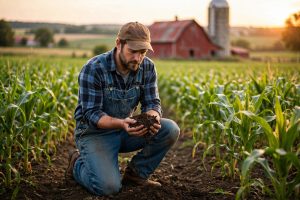
Bringing the Soil Back to Life and Making Farmers Look Like Rock Stars. Imagine you’re a farmer. No, really close your eyes and picture it. There you are, sun hat on, hands in the soil, and a sweeping landscape of crops that could put an oil painting to shame. Now, imagine that this isn’t just any farming. What is Regenerative Farming?. No, it’s not just a fancy buzzword; it’s a whole new way to care for the land, and it might just be the future of agriculture.

What Is Regenerative Farming?
Let’s be honest. Farming has come a long way from hand plowing with oxen to big machines that look like they belong on Mars. But in that race for more food, faster growth, and bigger yields, we’ve worn out a lot of our soil. It’s like borrowing your neighbor’s bike and riding it roughshod every day without ever oiling the chain or fixing the brakes. Eventually, it just gives up.

That’s where regenerative farming comes in not as a fancy buzzword but as a way of farming that actually heals the land. It’s not about maximizing short term profits. It’s about asking, “How can I leave this soil better than I found it?”
Regenerative Farming: A Bank Account for the Soil
Imagine your soil is a bank account. With traditional farming especially if you’re plowing hard, planting the same crop every year, and using chemical fertilizers it’s like you’re withdrawing money every single season. No savings, no deposits, no cushion.

Now think of regenerative farming as making regular deposits into that soil bank. You’re feeding it with compost, letting it rest sometimes, adding variety crops, animals, and life and not disturbing it too much. Over time, it becomes richer not just in nutrients but in life. Worms, fungi, bacteria all the good guys come back to the party.
According to the Rodale Institute, farms that follow regenerative practices actually build up soil organic matter, instead of losing it. That’s important when you consider what the UN FAO warned back in 2014 that if we keep degrading soil at the current rate, we might run out of topsoil in 60 years. Sixty. That’s not just bad news for carrots and corn. That’s a food security crisis.
It’s Not Just About Dirt—It’s a Whole Ecosystem
When folks hear “regenerative farming,” many think it’s all about compost or no till. And while those are important, there’s a bigger picture. We’re talking water, animals, pollinators, air, microbes, and even the farmers and communities themselves.

Research published in Nature Sustainability (2020) points out that regenerative farms don’t just grow food they store carbon, boost biodiversity, and build resilience. That means when floods, droughts, or pests come knocking, these farms are better equipped to handle them.
Let’s break down the core ideas, one by one, in simple language.
1. Cover Crops: Like Putting Pajamas on the Soil
Ever heard of “cover cropping”? It sounds technical, but it’s basically tucking your soil in at night. Farmers plant crops like clover, rye, or hairy vetch, not to harvest, but to protect the soil.

These plants act like a cozy blanket. They:
- Keep weeds from partying all over the field
- Prevent wind and rain from washing away the good stuff
- Add organic matter and nutrients when they decompose
According to a USDA study, cover crops can boost soil carbon by 15–30% over time. That’s not just academic farmers who use cover crops often say they see better water retention and stronger crops the next season. It’s like a gift that keeps on giving.
2. No-Till or Low-Till: Don’t Stir the Pot Too Much
Tilling might look satisfying like flipping pancakes, but it messes with the soil’s inner workings. Imagine you’re making a lasagna layers of flavor, textures, and sauce. Now stir it all up into a mush. That’s what tilling does to the microbial life, fungi networks, and structure.

With no-till or reduced till methods, the soil stays relatively undisturbed. That allows fungal threads called mycorrhizae to do their job, helping plants absorb nutrients better.
A 2018 review in Soil and Tillage Research found that no-till systems can reduce erosion by up to 90%. Less erosion = less runoff = better water quality = happier farms.
3. Crop Rotation: Give the Land a Balanced Diet

If you eat only rice every day, things get boring real quick and your health suffers. Same with soil. Growing just corn, corn, and more corn drains specific nutrients and invites pests that love corn.
Crop rotation is the solution. Farmers mix it up with beans, wheat, oats, and vegetables. This does three magical things:
- Breaks pest and disease cycles
- Restores nutrient balance
- Gives the soil a breather
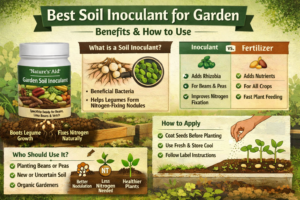
At Michigan State University, researchers found that rotating crops could cut pest outbreaks by up to 50%. Plus, legumes like peas and lentils fix nitrogen in the soil, reducing the need for synthetic fertilizers.
4. Integrating Animals: Moo, Oink, Cluck = Healthy Soil
This is where it gets interesting. Regenerative farms often bring animals into the mix—not in crowded feedlots, but in thoughtful, rotational grazing systems.

Take North Dakota rancher Gabe Brown, for example. He lets cattle graze one section, then moves them on. While they’re there, they:
- Fertilize with manure
- Trample leftover plants into mulch
- Help cycle nutrients naturally


Research from the Journal of Soil and Water Conservation (2016) supports this. Managed grazing helps trap carbon, builds topsoil, and even boosts plant growth. It’s like a natural lawnmower, compost spreader, and soil builder all rolled into one.
5. Cutting Back on Chemicals: Let Nature Handle It
Synthetic fertilizers and pesticides are like caffeine for your crops. You get a fast jolt, but there’s a crash and long term side effects. Regenerative farms aim to wean off that dependency.


Instead, they use things like:
- Compost and compost tea
- Mulch
- Companion planting like planting marigolds to deter pests
- Natural predators- ladybugs, anyone?
The Environmental Working Group (EWG) reports that reducing chemical inputs not only protects groundwater but also keeps pollinators and wildlife safe. Healthier ecosystems = healthier farms = healthier people.
Real Life: A Small Farm Story
Let me tell you about Rina and Morshed, a couple in rural Bangladesh. They inherited a tired patch of land—brittle soil, low yields, and pests galore. Instead of going the pesticide fertilizer route, they tried a different path.
They planted mung beans after harvesting rice crop rotation & raised ducks that roamed the paddies integrated animals. They covered their soil with old banana leaves a local form of mulch & didn’t plow every year, but only lightly loosened the topsoil.
Five years later? Their yield tripled. Their neighbors started asking for tips. And their kids? Now they don’t dream of moving to the city. They dream of running a healthy farm.
Why Is Regenerative Farming Important?
Because the Earth is exhausted and needs a breather.
Let’s face it: the way we’ve been farming is catching up with us. We’ve been wringing every ounce of productivity out of the land, like squeezing a sponge that’s already dry. The result? Erosion, lifeless soil, polluted rivers, and food that’s losing its nutritional punch.
But before we dive into the gloom, here’s the good news: regenerative farming offers a way out a genuine, science backed, practical path toward food production that actually gives back to the land.
The Planet Is in a Bit of a Pickle
Let’s start with the facts.
- According to the UN FAO, over one third of the world’s soil is already degraded. That means it’s lost its ability to support healthy crops, store carbon, or filter water properly.
- Conventional farming—with its heavy machinery, synthetic fertilizers, and pesticide use accelerates this degradation.
- The same FAO report warns that if we keep treating soil the way we are, we might lose all topsoil within 60 years.
Imagine trying to grow tomatoes on a slab of concrete. That’s where we’re headed if we don’t change course.
But here’s where regenerative farming steps in like a quiet superhero.
Why Regenerative Farming Matters So Much
1. It Helps Trap Carbon in the Soil

Soil isn’t just dirt it’s a carbon sink. When farmed regeneratively, it pulls CO₂ from the atmosphere and locks it in the ground.

A 2020 study published in Nature Sustainability found that regenerative farming practices like cover cropping and no-till can increase soil carbon storage significantly helping reverse climate change.
Healthy soil can store three times more carbon than the atmosphere holds at any time. That’s not just impressive it’s critical.
2. It Makes Soil Resilient
Here’s the thing: soil doesn’t just hold plants. It’s a living system. Microbes, fungi, worms they’re all in there doing vital work. But heavy tilling, chemical spraying, and monocropping bulldoze these little helpers.

Regenerative methods rebuild that life.
- Cover crops protect the topsoil like armor.
- Organic compost feeds the microbes.
- No-till preserves the fungi networks that help roots absorb nutrients.
This living, breathing soil doesn’t just grow better food it also retains more water, reducing the risk of floods and droughts.
3. It Produces Nutrient Dense Food
Here’s something most people don’t know: the nutrition in your veggies depends on the soil they’re grown in.

A 2019 USDA report showed that soil health is directly linked to nutrient density in crops. Regenerative farms, which prioritize soil life, often grow produce richer in vitamins, minerals, and antioxidants.
Real Life Story: Meet Farmer Johnson
Let’s zoom in on Iowa, where Farmer Tom Johnson was on the brink of giving up. His corn yields had dipped for four years in a row. Soil tests showed low organic matter. His costs fertilizer, pest control, fuel kept rising.
“I felt like I was trying to grow crops on a tired old rug,” he said.
After attending a regenerative farming workshop organized by the Practical Farmers of Iowa, he decided to try something new:
- Planted cover crops mainly rye and clover
- Reduced tilling by switching to a no-till drill
- Started rotating soybeans and small grains into his corn heavy system
Five years later?
- Earthworms returned a good sign of soil life
- Organic matter in the topsoil went from 1.7% to 3.9%
- He saved over $40,000 a year on inputs like nitrogen and pesticides
- His yields? Back up and more stable, even in drought years
The biggest reward, according to Tom? “I’m farming like I’m building something, not just extracting.”
Can Regenerative Farming Really Save the Planet?
It’s a big claim, and people are right to ask: “Is this just another feel good idea?”
According to Project Drawdown, regenerative agriculture is one of the top 20 global climate solutions. If adopted globally on a large scale, regenerative practices could remove over 23 gigatons of CO₂ from the atmosphere by 2050.
That’s not just wishful thinking. It’s based on real world modeling of:
- Carbon sequestration
- Reduced emissions from fertilizers and pesticides
- Better water use efficiency
- Lower fuel use through no-till practices
In simple terms: farming this way cools the planet, feeds people better, and builds healthier ecosystems.
How to Start Practicing Regenerative Farming
Not everyone has 100 acres to work with, and not everyone wants to go full Gabe Brown right away. But anyone even smallholders or backyard growers—can take these steps.
1. Start Small
Try adding a cover crop to your rotation maybe clover, rye, or even a mix of legumes. You don’t need to overhaul everything overnight. One good practice leads to another.
2. Know Your Land
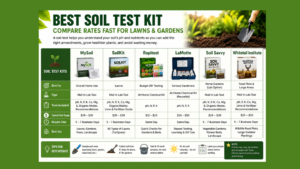
Every piece of land is different. Soil testing is your best friend. You’ll know which nutrients are missing and which microbes need some love.
3. Diversify
Rotate crops. Don’t grow the same thing year after year. If possible, bring in animals chickens, ducks, or grazing cattle. They fertilize the land and help cycle nutrients.
4. Keep Learning
Regenerative farming is constantly evolving. Stay curious. Join groups like the Regenerative Agriculture Foundation, Kiss the Ground, or Soil Health Academy. Watch what’s working in your region.
Challenges Along the Way
Let’s not sugarcoat it. Transitioning to regenerative agriculture is not a walk in the park.
- Initial investment: Switching equipment, buying cover crop seeds, or fencing for animals can cost money upfront.
- Learning curve: There’s no magic recipe. What works in Kansas might not work in Kerala.
- Time: You may not see major results in Year 1. Soil takes time to heal.
But like most good things it’s worth it. Over time, you save money, build healthier crops, and create a system that works with nature, not against it.
Regenerative Farming Summary Table
| Practice | Description | Key Benefits |
|---|---|---|
| Cover Cropping | Planting cover crops (e.g., clover, rye) between main crops | Improves soil fertility, prevents erosion, increases biodiversity |
| Crop Rotation | Alternating crops each season/year | Breaks pest & disease cycles, balances nutrient use |
| Minimal/No Tillage | Reducing or eliminating soil disturbance | Preserves soil structure, boosts microbial life, reduces erosion |
| Compost & Organic Amendments | Adding compost, manure, or biochar | Enhances soil organic matter, improves water retention |
| Agroforestry | Integrating trees/shrubs with crops/livestock | Increases carbon sequestration, diversifies farm income |
| Managed Grazing | Rotating livestock across pastures | Improves pasture health, promotes natural fertilization |
| Biodiversity Enhancement | Planting diverse crops, wildflower strips, hedgerows | Supports pollinators, strengthens ecosystem resilience |
| Water Management | Using swales, ponds, drip irrigation | Conserves water, reduces runoff, recharges groundwater |
| Integration of Livestock | Combining animals with cropping systems | Closes nutrient loops, reduces need for synthetic fertilizers |
The Market Is Catching On
- Big names aren’t sitting on the sidelines.
- Even consumers are speaking with their wallets, searches for “regeneratively grown” food have surged in the last five years.
- General Mills has committed to sourcing ingredients from 1 million acres of regenerative farms by 2030.
- Patagonia Provisions is working directly with regenerative farmers to improve soil and biodiversity.
Final thought
Regenerative farming isn’t just a trend; it’s a necessity. It revives the soil, captures carbon, and produces healthier food. Sure, it might not turn farmers into literal rock stars, but in the fight against climate change, they might just be the heroes we need.
References
- Regenerative Agriculture Foundation: https://regenerativeagriculturefoundation.org
- USDA (2019). “Cover Cropping for Soil Health.”
- Rodale Institute. “No-Till Farming Benefits.”
- Project Drawdown. “Solutions to Climate Change.”
- FAO. “Status of the World’s Soil Resources.”
FAQs
A: In the long term, yes. Reduced input costs and improved soil health often lead to better yields and profita
A: Absolutely. Many principles, like composting and crop rotation, are easily applicable on small farms.
A: Some improvements, like increased earthworm activity, can be seen within a year. Full soil regeneration may take several years.
A: Yes, organizations like Regenerative Organic Certified offer standards and certifications for farms.

Thesis Link : https://saulibrary.edu.bd/daatj/public/uploads/BAU200601_19-Pp_5.pdf
- 10 Best Garden Tool Sets for Beginners - October 13, 2026
- Lawn Mowing Height by Grass Type -The Complete Chart - October 13, 2026
- Essential Garden Hand Tools -The Complete Guide - October 13, 2026