



Benefits of Pumpkin Seeds: Nutrition, Sleep, Skin & More
Growing up in the countryside near Mymensingh, I remember my grandmother always collecting pumpkin seeds when we cut pumpkins for cooking. While most of us were busy scooping out the flesh, she’d be gently rinsing the seeds and laying them out in the sun to dry. At the time, I thought it was just an old habit but she knew what she was doing. Years later, when I began studying plant based nutrition during my MSc in Plant Pathology, I understood the wisdom behind her simple act.
These pumpkin seeds aren’t just food scraps, they’re tiny powerhouses of nutrition. Discover the surprising health benefits of pumpkin seeds, from better sleep to glowing skin. Backed by research, stories & real life uses. Start snacking smart .
1. Benefits of Pumpkin Seeds: Packed with Nutrients
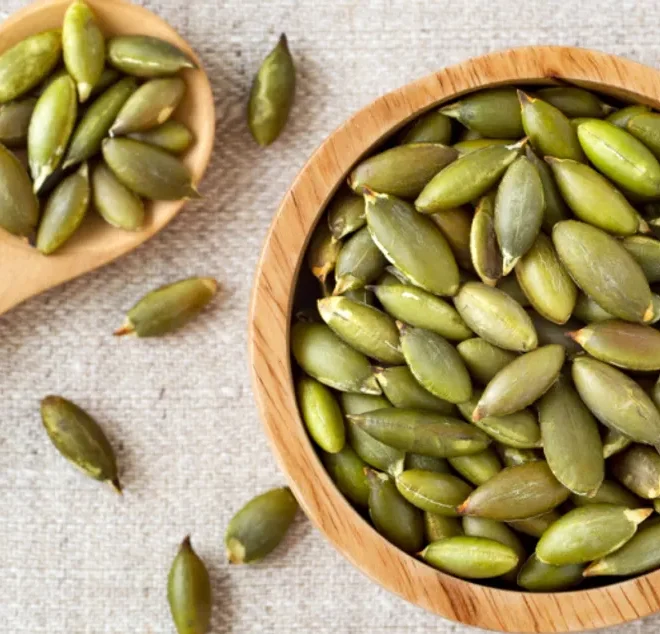
Pumpkin seeds also called pepitas, may look insignificant, but just a small handful offers a wide array of nutrients. According to the USDA, 28 grams about two tablespoons contain:


- Magnesium (150 mg) – Essential for over 300 enzymatic reactions in the body, including muscle and nerve function
- Zinc (2.2 mg) – Helps with immune defense and wound healing
- Iron (2.5 mg) – Supports red blood cell formation and prevents fatigue
- Healthy fats – Including omega 6 and monounsaturated fats that support brain and heart health
- Protein (7 g) – Plant based, complete protein containing all nine essential amino acids
“In 2012, Ryan et al. published a review in Food Research International that emphasized pumpkin seeds’ antioxidant content, including vitamin E and carotenoids.”
Real Life: My uncle Habib, a diabetic patient, switched from biscuits to roasted pumpkin seeds with his evening tea. Not only did it help him reduce unhealthy snacking, but his nutritionist praised his choice for its low glycemic index.
2. Benefits of Pumpkin Seeds: Boosts Heart Health
YHeart problems are common in our part of the world, especially with salt heavy diets and sedentary lifestyles. Pumpkin seeds offer a natural way to support cardiovascular function.

- Magnesium helps regulate heartbeat
- Phytosterols lower LDL cholesterol
- Antioxidants reduce arterial inflammation
A 2011 study in the Journal of Medicinal Food found that postmenopausal women who consumed pumpkin seed oil had significantly reduced blood pressure and improved HDL (good) cholesterol levels.
True Story: My neighbor, a retired postmaster, began sprinkling crushed pumpkin seeds on his mashed potatoes. It was a small change but over six months, his cholesterol levels dropped noticeably.
3. Benefits of Pumpkin Seeds: Helps You Sleep Better
We often overlook how nutrition affects sleep. Pumpkin seeds contain tryptophan, which converts into serotonin and melatonin, the two hormones that influence sleep cycles.
- Magnesium + Tryptophan = Calmer mind and better sleep
A study in Nutrients (2014) showed that magnesium supplementation improved sleep time and efficiency in elderly people with insomnia.

My Hostel Days: I remember mixing pumpkin seeds and a few dates as a night snack during exam week at BAU. That combo helped me fall asleep faster, especially when my mind was racing with notes and formulas.
4. Benefits of Pumpkin Seeds: Great for Digestive Health
With modern diets leaning heavily on processed food, fiber is often in short supply. Pumpkin seeds help bridge that gap.
- Soluble fiber helps feed good gut bacteria
- Insoluble fiber adds bulk to stool and prevents constipation
A 2020 publication in Frontiers in Nutrition stressed how whole seeds improve microbial diversity in the digestive tract.
My Tip: I roast seeds with turmeric and black salt and carry them in a jar to the office. It works wonders as a mid day snack that also keeps digestion in check.
5. Benefits of Pumpkin Seeds for Immunity
Especially in dusty, urban environments like Dhaka, catching colds and coughs feels inevitable. Pumpkin seeds contain nutrients that help your immune system function at its best.
- Zinc is a must for developing immune cells
- Vitamin E helps prevent oxidative stress
The Advances in Nutrition journal (2013) published findings that tied zinc deficiency to increased susceptibility to infections.
Family Practice: My mother now adds a tablespoon of ground pumpkin seeds to our winter soups. Since then, we’ve noticed fewer sick days at home.
6. Benefits of Pumpkin Seeds for Skin and Hair
Zinc, vitamin E, and selenium all contribute to glowing skin and resilient hair. They support cell repair and reduce the damage from pollution and sun exposure.
According to Nakamura et al. in Dermato Endocrinology (2012), vitamin E and selenium help delay signs of aging and support skin elasticity.
Wedding Ritual: My cousin swears by a pumpkin seed face pack (seeds, turmeric, and yogurt) she uses before weddings. It leaves her skin smooth and clear.
7. A Protein Powerhouse
Vegetarians in Bangladesh often struggle with protein variety. Pumpkin seeds offer 30g of protein per 100g—making them one of the best plant protein sources.
- Great for bodybuilders, vegetarians, and those with lactose intolerance
Smart Use:
- Blend into smoothies
- Stir into dal or khichuri
- Add to homemade protein bars
According to the USDA food database, pumpkin seeds provide a complete protein profile, similar to animal sources.
8. May Support Mental Health
Ever feel mentally drained without a clear reason? Your magnesium levels might be the culprit. Low magnesium has been linked to anxiety and depression.
- Magnesium helps regulate neurotransmitters like serotonin
A 2017 study in Journal of the American Board of Family Medicine linked low magnesium intake with higher rates of depression.
BAU Memory: During my thesis work, I kept a trail mix of pumpkin seeds, almonds, and jaggery in my bag. That little snack helped me stay focused and less irritable during long lab hours.
Pumpkin Seeds Benefits: Summary Table
| Benefit | What It Does | Quick Tip or Real Life Use |
|---|---|---|
| Nutrient Rich | Packed with magnesium, zinc, iron, healthy fats | My aunt snacks on a handful daily instead of chips |
| Supports Heart Health | Lowers bad cholesterol, regulates blood pressure | Add to salad for a heart smart crunch |
| Improves Sleep | Contains tryptophan for serotonin & melatonin production | Try a banana + pumpkin seeds combo before bed |
| Aids Digestion | High in fiber supports gut health and regularity | Roast lightly with turmeric as a midday snack |
| Boosts Immunity | Zinc & vitamin E strengthen immune function | Include in breakfast during flu season |
| Enhances Skin & Hair | Rich in antioxidants supports clear skin and shiny hair | DIY: Face pack with ground seeds + honey + aloe vera |
| Plant Based Protein | Contains all 9 essential amino acids | Blend into smoothies or sprinkle on oats |
| Supports Mental Health | Magnesium and fats help manage anxiety and mood | Chew during work stress or study sessions |
How to Enjoy Pumpkin Seeds
Not sure how to incorporate pumpkin seeds into your life? Do not fear, they are quite straightforward to deal with:
- Roasted Pumpkin Seeds:

A classic, Toss them in olive oil, salt, and your favorite spices, cinnamon and sugar, or chili powder if you like it spicy and bake until crunchy.
- Smoothies with Pumpkin Seeds :

Add a tablespoon or two to your morning smoothie for an extra protein boost.
- Pumpkin Seeds Baking:

Mix them into your bread or muffin batter for a bit of crunch.
- Pumpkin Seed Salads:

Sprinkle them on top of your salad for a nutty flavor and extra texture.
- Pumpkin Seeds Trail Mix:

Mix them with dried fruits, nuts, and maybe a few chocolate chips for a snack that travels well.
A Word of Caution
- Test a small quantity first if you’ve never eaten them before some may have seed allergies
- Eat in moderation: 1–2 tablespoons per day is ideal
- Raw seeds are better than flavored or sugar coated versions
Final Thoughts
Pumpkin seeds might be small, but the benefits of pumpkin seeds pack a punch. From better sleep to glowing skin, they offer so many benefits that it’s worth keeping them stocked in your pantry. So next time you scoop out a pumpkin, think twice before tossing those seeds. Roast them, snack on them, or even add them to your skincare routine, you’ll thank yourself later
References
- Ryan, E. et al. (2012). Food Research International. Nutritional profile of pumpkin seeds.
- Gossell Williams, M. et al. (2011). Journal of Medicinal Food. Heart benefits of pumpkin seed oil.
- Rondanelli, M. et al. (2014). Nutrients. Role of tryptophan and magnesium in sleep.
- Grosso, G. et al. (2017). J Am Board Fam Med. Magnesium and depression correlation.
- Nakamura, T. et al. (2012). Dermato Endocrinology. Antioxidants and skin health.
FAQ: Pumpkin Seeds Benefits
Not really. If you’re eating the seeds straight from a fresh pumpkin, the outer shell is edible but a bit chewy. You can roast them whole. If you prefer soft, no shell ones, go for pepitas, they’re just the inner seed.
I usually stick to about 1 to 2 tablespoons. That’s enough to get the benefits without going overboard. They’re healthy, yes, but also packed with calories if you’re not careful.
Funny enough, my cousin started snacking on them during her postpartum hair fall phase. Zinc and vitamin E in the seeds can help. I’m not saying they’re magic, but they do support healthy skin and hair from the inside.
There’s no fixed rule, honestly. I usually grab some in the afternoon when I want something crunchy. But if you have trouble sleeping, eating a small amount at night with a fruit (like a banana) can help calm your system down.
Yes, but crush or grind them for younger children to avoid choking. I’ve seen moms sprinkle powdered seeds into porridge or mix it into homemade ladoos. Works like a charm and sneaks in nutrition.

Thesis Link : https://saulibrary.edu.bd/daatj/public/uploads/BAU200601_19-Pp_5.pdf
- 10 Best Loppers for Thick Branches - October 14, 2026
- Fall Lawn Care Checklist – 9 Jobs Before Winter - October 14, 2026
- 10 Best Garden Tool Sets for Beginners - October 13, 2026



[…] Read more Chia Seeds – Superfood Power for Daily Energy Benefits of Pumpkin Seeds – Nutrition, Health, and Wellness […]
[…] Learn More Congestive Heart Failure – Symptoms, Treatment & Care Tips Benefits of Pumpkin Seeds – Nutrition, Health, and Wellness […]