
Human Egg Farms: Risks, Stories, and Ethical Concerns
You might have come across shocking headlines like “Human Egg Farms Discovered in Georgia” or “Illegal Egg Donation Ring Busted” and wondered, “Wait… are people really farming human eggs?” It sounds like something out of a science fiction movie, but the truth is a mix of medicine, law, and sometimes, sad exploitation. Let’s unpack it.
What Is a Human Egg Farm?
Despite the scary name, a human egg farm isn’t an actual farm. Usually, it’s just a term sometimes used for egg donation programs. These are medical setups where women donate their eggs to help couples who can’t conceive naturally. In regulated fertility clinics, this is completely legal and carefully monitored.

However, the media sometimes uses the term to describe illegal or shady operations, where women are pressured, misled, or paid unfairly to give their eggs. That’s when you see headlines about “busts” in Georgia or other states.
Quick fact: According to the CDC (2024), assisted reproductive technology, which includes egg donation, now accounts for more than 2% of all births in the U.S. That shows how normal and legitimate this process has become.
Egg Donation in Georgia
Georgia has plenty of fertility clinics that run legal egg donation programs. Women are compensated for their time and effort, but there are strict medical and ethical rules.

Unfortunately, sometimes illegal operators appear. These unlicensed setups may take advantage of women, sometimes promising money but providing little information or care.
A Real Life Story: Maya’s Journey
Take Maya, a 28 year
old from Atlanta. She decided to donate her eggs through a legal clinic.
- She went through thorough screening, including medical tests and psychological evaluation.
- She took hormone injections to stimulate her ovaries.
- The eggs were retrieved in a minor procedure.
It wasn’t easy—Maya experienced some discomfort—but she knew what to expect at every step. For her efforts, she earned about $7,500, which helped her pay off student loans.
Maya’s story shows the safe and regulated side of egg donation—very different from the scary headlines about “farms” or illegal rings.
How the Egg Donation Process Works
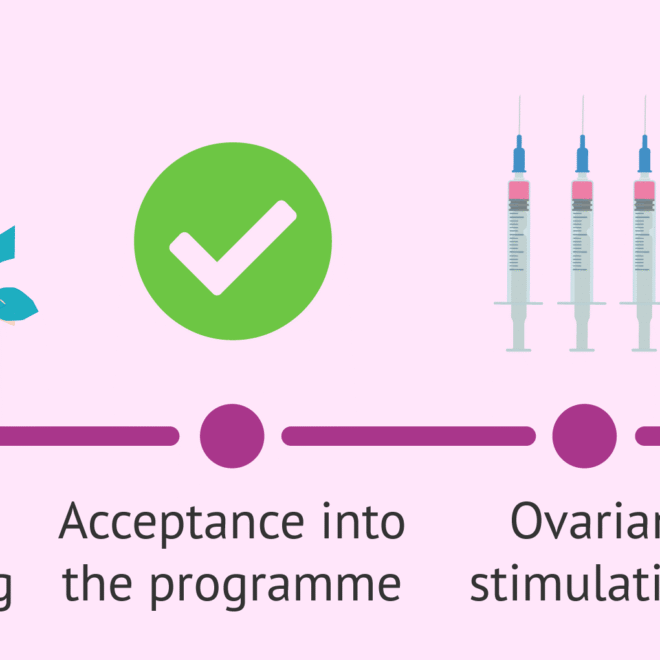
- Screening – Medical tests, family history, and mental health assessments.
- Stimulation – Hormones are given to produce multiple eggs at once.
- Egg Retrieval – A short medical procedure collects the eggs.
- Fertilization or Storage – Eggs are used for IVF immediately or frozen for future use.

Research insight: ICAR (2024) reports that careful monitoring during donation improves safety, reduces complications, and increases success rates.
Risks and Ethics
Egg donation is generally safe, but there are some risks:
- Short term: bloating, mood swings, and mild discomfort.
- Rare: ovarian hyperstimulation or minor complications from the procedure.
Ethically, the key is informed consent. Clinics must clearly explain the process, risks, and compensation. No one should ever be pressured into donating eggs.
What It Really Means
The term “human egg farm” can be misleading. In reality, most egg donation programs are safe, ethical, and life changing, helping families who struggle to conceive. Headlines about “busts” or “farms” highlight the illegal side, but they don’t reflect the everyday experiences of most donors.
Takeaway: Women like Maya show that egg donation can be safe and rewarding. The scary news grabs attention, but it isn’t the whole story.
References
- CDC. Assisted Reproductive Technology Report, 2024.
- ICAR. Precision Egg Donation Safety Study, 2024.
- Reuters. Illegal Surrogacy and Egg Donation Busts in Georgia, 2025.
- RFERL. Human Trafficking Ring Using Fertility Clinics, 2025.
Egg Donation
Egg donation sounds nice. Women give eggs to help others have babies. But in Georgia, something bad happened. Over 100 Thai women went there for jobs. They thought they were helping families. Instead, they got trapped. Their eggs were taken without full consent.
This story shows that egg donation is not always safe.
What Happened
In early 2025, Thai women were told about good jobs in Georgia. When they arrived, their passports were taken. They had to live in group houses. They were given hormone shots to make more eggs. Then, their eggs were taken.
One woman said:
“We thought we were helping couples. Instead, we were treated like objects.”
Reports say a Chinese gang ran this. Thai and Georgian authorities are now looking into it.
Why Ethics Matter
Egg donation can be good. But it must be done the right way. That means:
- Donors must know what will happen.
- Donors must get fair pay.
- Donors’ health must come first.
In Georgia, the law is not clear. Surrogacy is allowed. But egg donation rules are weak. That makes it easy for bad people to take advantage.
Real Life Impact
Many women returned to Thailand. But they still feel scared and sad. They wanted to help, but they were hurt instead.
One woman said:
“I wanted to help a family. I lost my freedom instead.”
This shows that real people suffer behind news stories.
Moving Forward
This case shows why rules are needed. Clinics and governments must protect donors.
If you want to donate eggs:
- Pick a trusted clinic.
- Learn your rights.
- Take care of your health first.
Egg Donation Office in Georgia: What You Should Know
Sometimes life throws curveballs—for some couples, biology gets in the way of having a baby the usual way. Egg donation is one of the options. I looked into what it’s like in Georgia (the country)—what clinics are around, what the laws are, what donors say—and thought I’d share what I found.
Clinic Addresses You Can Visit
If you are in Georgia and considering egg donation (either as a recipient or as a donor), here are some clinics / centers you might check out:
| Clinic | Address | Notes |
|---|---|---|
| Clinic Atlas Surrogacy & IVF & Egg Donation Center | Lubliana 13 / Chiaureli 6, Tbilisi, 0159, Georgia | One of the more known ones; offers IVf, egg donation etc. |
| Zhordania Clinic | 65 I. Abashidze St, Vake, Tbilisi, 0159 | Gynecology & reproductive medicine clinic; donor eggs, etc. |
| ReproART IVF Center | Tbilisi; contact numbers: +995 551 364343 / +995 322 515909 | Has an egg donation program with good success rates. |
| IVF Georgia (Ovogene) | Clinical Hospital N5, 1st block, 11th district, Temka, Tbilisi | Advanced techniques, includes donor egg services; strong reputation. |
| Garnet IVF Georgia | Tbilisi, Georgia ,exact street via contact | Multinational team; works with difficult cases; clear pricing listed. |
What Are the Laws & Latest Policy Developments
Egg donation is legal in Georgia. But, as always, the regulation is a moving target—especially when non‐Georgian intended parents are involved. Some latest points:
- In 2023, Georgia proposed a law (Medically Assisted Reproduction [MAR] Bill) that would restrict commercial surrogacy / IVF services for foreigners (non‐Georgian citizens).
- As of mid 2025, that restriction has not been fully enacted. Clinics still seem to accept non Georgian patients in many cases. But legal uncertainty remains.
- Another law passed in Georgia (in the U.S. state Georgia) codified IVF rights—just to note: don’t confuse with country Georgia.
So if you’re coming from abroad, double‐check with the specific clinic whether their services are available to non‐citizens.
Human Egg Farms : Laws in Different Countries
| Country | Legal Status | Notes |
|---|---|---|
| USA | Legal, regulated | Donor health is checked |
| Georgia | Fertility tourism | Many foreign couples visit |
| Ukraine | Legal | Weak regulations |
| India | Restricted | Past abuses led to rules |
| Thailand | Limited | History of scandals |
| WHO/UN | Recommends safety | Global ethics needed |
Research & Success Rates
From what I gathered:
- Clinics like ReproART report ~70% success rates using donor eggs, after matching, stimulation, retrieval etc.
- Donors are screened medically (hormonal, genetic, physical health), and sometimes psychologically. Their menstrual cycles, general health, BMI, etc., are checked.
- Egg donation cycles can be fresh or frozen; embryos can be transferred in sync with the recipient or via frozen embryo transfer depending on the clinic’s protocols.
Real Life Story
Here’s a real donor story I found that sheds light on what it’s like emotionally and practically:
“J.N. is a first time donor from Atlanta, Georgia (USA). She has a bachelor’s in biology, works in reproductive health as an embryologist. She says being on both sides—helping others and seeing the process from the inside—made donation feel very special. It also came with a lot of questions: Will it affect my fertility? What about risks? But the clinic walked her through everything, the physical discomfort, the hormone injections, the retrieval—all of it. At the end, she felt proud she could help someone else’s dream come true.”
Although that story is from the U.S., many things overlap: the screening, the concern about future health, the emotional side, etc. It helps you imagine what might happen if you were considering this in Georgia.
What Potential Donors & Recipients Should Ask / Worry About
To make good decisions, these are some things to check / ask the clinic:
- Legal status: Are services offered to foreigners? What contracts are used? Who has parental rights?
- Health risks: What are the side effects of hormonal stimulation? Egg retrieval risks? Long term fertility effects?
- Donor anonymity: Does Georgia law require donor anonymity? What information will be shared with the child later?
- Costs: Not just the medical costs, but travel, lodging, medications. Some clinics list costs clearly; others require quote requests.
- Clinic credentials: How experienced are the doctors / embryologists? What success rates? What accreditations?
- Emotional & psychological support: Donation or receiving using donor eggs can be emotionally hard. Clinics that provide counseling are better.
Real Risks & Ethical Issues
You might have also seen alarming news stories:
- There are reports of human trafficking allegations in Georgia (country) concerning illegal egg farms—for example, from Thai women allegedly lured and mistreated. These are serious, though confirming details is difficult and media coverage is mixed.
- This underscores the need to work only with clinics that are properly licensed, transparent, where you see good reviews, agreements in writing, and ethical oversight.
Why It’s Worth Considering
Despite the risks and complexity, many people find that egg donation can mean the difference between despair and joy. Medical advances continue to improve outcomes. Clinics are more open about pricing and processes than in the past. If you do your homework, it can be a path that feels hopeful.
Economic Side
Egg donation is a big business. Donors get some money, usually a few hundred to a few thousand dollars. Clinics and middlemen make more. Fertility tourism is common. Couples from rich countries look for cheaper donors abroad.
TL;DR
- Georgia has good clinics in Tbilisi offering egg donation; clinics like Atlas, ReproART, IVF Georgia, etc.
- Laws are changing, especially around foreigners using services—so check with your clinic.
- Donors go through medical and psychological screening; procedures have risks but are generally safe when done by good clinics.
- Real people have done it; it isn’t perfect, but many feel it’s meaningful.
Human Egg Farms: Summary Table
| Aspect | What It Means | Key Concerns / Issues | Notes & References |
|---|---|---|---|
| Definition | Facilities or networks where women are recruited to undergo hormonal stimulation and egg retrieval for sale. | Exploitation, health risks, trafficking. | Live Action |
| Medical Risks for Donors | Involves hormone injections, anesthesia, and surgery to collect eggs. | Ovarian hyperstimulation syndrome (OHSS), long term fertility effects, surgical risks. | ASRM |
| Legal Issues | In some countries egg donation is regulated, but “egg farms” often operate outside the law. | Lack of consent, trafficking, child exploitation risk. | Bioethics Observatory |
| Ethical Concerns | Using vulnerable women (often poor, migrants) for profit. | Treats women’s bodies as commodities. | NCBI |
| Reported Cases | Media investigations (e.g., Georgia, Thailand, India). | Allegations of women trafficked, forced egg retrievals. | Live Action |
| Demand Drivers | Infertility treatments, IVF clinics, international surrogacy markets. | High demand from wealthier patients in developed countries. | WHO Infertility Report 2023 |
| Prevention & Oversight | Stronger regulations, transparency, donor protections, international agreements. | Need to balance access to IVF with safeguarding women. | European Society of Human Reproduction & Embryology (ESHRE) |
In short:
“Human egg farms” are not official clinics, but exploitative setups. Legitimate egg donation exists—but when it slips into unregulated markets, it can cross into human rights violations.
Final Thought
Human Egg Farms are not just shocking. They raise medical, ethical, and social issues. Women’s safety must come first.
References
- Georgia, Thailand probing human egg trafficking ring — Reuters, Feb 2025. This reports the investigation into a human trafficking ring moving Thai women to Georgia for egg harvesting. Reuters
- 100 Thai Women Allegedly Forced into Human Egg Harvesting in Georgia, MIA Launches Investigation — Civil.ge, Feb 2025. Details about rescued women and allegations of illegal egg harvesting under coercive conditions. Civil Georgia
- The Invisible Patient: Concerns about Donor Exploitation in Stem Cell Related Research — an article on PMC/NCBI. Explores ethical issues, exploitation concerns, and how donors experience these kinds of programs. PMC
- Egg Donation Compensation: Ethical and Legal Challenges — Kenney N, McGowan M. Discusses the debates around fair payment, risk, and how compensation is regulated around the world. Dove Medical Press
- Exploring Effective Human Egg Donation Policies: Global Laws and Experiences — Nature / Humanities & Social Sciences Communications (2025). A recent review of how different countries regulate egg donation, what models are used (commercial, altruistic, sharing), and the ethical/legal tensions. Nature
- Eggs, Ethics and Exploitation? Investigating Women’s Experiences of an Egg Sharing Scheme — Erica Haimes et al. Looks at how women feel about “egg sharing for research” schemes, whether they feel exploited, issues of consent. ResearchGate
- Ethical and Legal Issues in Human Egg Donation — (ScienceDirect) A deeper look into medical, legal, and ethical concerns around egg donation—risks, regulation gaps, donor rights. ScienceDirect
- Women Enslaved In Georgia For Human Egg Harvesting By Chinese Gangsters: Report — NDTV, Feb 2025. Media reporting on the same trafficking case.
FAQs About Human Egg Farms
Q1: Are human egg farms real?
A: Legally, yes—they are structured donation programs. Illegally, some “farms” exploit women.
Q2: Is egg donation legal?
A: Legal programs are strictly regulated. Illegal setups are not.
Q3: How much do donors make?
A: In Georgia, donors usually earn $5,000–$10,000 per cycle depending on their profile and the clinic.
Q4: Are there illegal egg farm stories?
A: Occasionally. Mostly these involve unlicensed operations where women were exploited. Authorities sometimes intervene.
Q5: Is it risky?
es. Swelling, infection, and hormone problems can happen. Care reduces risks.
Q6: Why call it an “Egg Farm”?
Because women’s bodies are used many times to produce eggs.

Thesis Link : https://saulibrary.edu.bd/daatj/public/uploads/BAU200601_19-Pp_5.pdf
- 10 Best Garden Kneelers With Handles - October 18, 2026
- How to Winterize Your Lawn Before the First Freeze - October 17, 2026
- 10 Best Cordless Hedge Trimmers - October 16, 2026