



Commercial Agriculture: What It Really Means
When we hear the phrase commercial agriculture, most of us instantly imagine huge farms stretching for miles, machines moving like clockwork, and maybe a farmer monitoring everything from a shiny laptop. That picture isn’t totally wrong, but it’s far from the full story.
At its heart, commercial agriculture is simple: it’s farming done for business. The purpose is to grow crops or raise animals mainly to sell, not just to feed your family. That’s the real dividing line between commercial farming and subsistence farming.
Take a look around the world and you’ll see it everywhere: cotton fields in India, banana plantations in Ecuador, wheat stretching across the plains of the U.S., or rice paddies in Thailand. All of these are part of commercial farming because they’re produced on a large scale with one key goal in mind, to meet market demand.
What is Commercial Agriculture?
When people hear the word “agriculture,” they often imagine a small farmer growing rice or wheat just enough to feed their family. But agriculture today has two faces. One is subsistence farming, growing food mainly to eat at home. The other is commercial agriculture, where farming is done with the clear goal of selling crops or livestock for money.
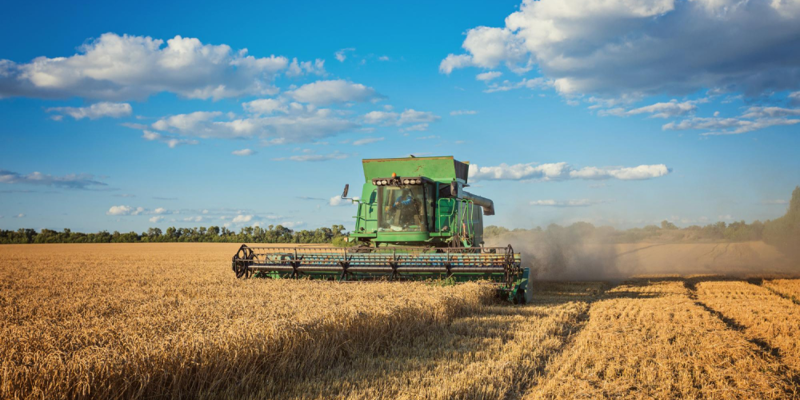
In simple words, commercial agriculture is farming as a business.
A Simple Example
Picture this:
- A farmer grows potatoes in his backyard for family meals. That’s not commercial.
- But if he plants potatoes on 10 acres, buys good seeds, hires workers, and sells the harvest in Dhaka markets—that is commercial agriculture.
It’s basically farming run like a business.
Some farms are huge, with tractors, irrigation systems, and export contracts. Others are small family farms that focus on high value crops like strawberries, capsicum, or lettuce, selling them to city markets.
Why Commercial Agriculture Matters Today
Farming is changing fast. Here’s why it’s a big deal:
Changing diets: City families now want more than rice or wheat. They look for fruits, fresh greens, milk, fish, and even meat.
Better income: Many farmers see that chickens, fish, or vegetables bring more money than old grain crops.
Market growth: Cities are growing. Every day, food demand gets higher.
Research insights: A 2025 study in Bangladesh showed carp farmers are moving toward business style farming. They dig bigger ponds, use better feed, and make deals with buyers (WorldFish, 2025).
Another report says farmers in South Asia are using new tools. These include drip water systems, better seed, and apps for market prices. This shows farming is moving fast toward a commercial style across the region.
A Real Story
Let me tell you about Rafiz Uddin, a farmer from Savar, near Dhaka.
For years, he grew leafy greens and gourds. The food was fine, but the money was not enough. His son, Moazzem, wanted to try new crops. So, they planted vegetables like lettuce, red cabbage, and celery.
Every Friday, they take their harvest to a Dhaka farmers’ market. Shoppers—mostly middle class families—love these “foreign” vegetables.
The seeds cost more, and sometimes prices drop. But Rafiz and his son earn much better than before. Their shift from “grow to eat” to “grow to sell” is a clear picture of commercial agriculture in action.
Difference Between Subsistence and Commercial Agriculture
When you think of farming, you may picture a small farmer growing rice or vegetables for their family. That is subsistence farming.
But farming today has another side. It is called commercial farming, where the goal is to sell crops or animals for money.
Subsistence Agriculture
Subsistence farming is about feeding your family.
- The farm is small.
- Farmers use traditional tools.
- They plant crops like rice, maize, or vegetables.
- Most of what they grow is eaten at home.
Latest Insight:
A 2024 FAO report says that in South Asia, 45% of small farms are still subsistence farms.
Story:
Habib from Rajshahi grows rice and lentils on half an acre. His family eats most of it. “We have enough to eat,” he says. “But there is little money for other things.”
Commercial Agriculture
Commercial farming is farming as a business.
- The goal is to earn money.
- Farms are bigger.
- Farmers use machines, fertilizers, and irrigation.
- They grow crops or raise animals for the market.
Latest Insight:
A 2025 Bangladesh Agricultural Research Council study found that commercial vegetable farming earns 2–3 times more than traditional rice farming.
Story:
Rafiz Uddin from Savar used to grow simple vegetables. Now he grows lettuce and celery for Dhaka markets. “It was risky at first,” he says. “Seeds are expensive, and prices can drop. But now, the extra money helps pay school fees and bills.”
Key Differences Between Subsistence and Commercial Agriculture
| Feature | Subsistence Farming | Commercial Farming |
|---|---|---|
| Main Goal | Feed family | Earn money |
| Farm Size | Small | Medium to large |
| Technology Use | Traditional tools | Machines, irrigation, fertilizers |
| Output | Just enough to eat | Surplus to sell |
| Risk | Low market risk | Price and market risk |
Why It Matters
- Economy: Commercial farms boost exports and rural income.
- Food Security: Subsistence farms feed families. Commercial farms feed towns and cities.
- Innovation: Commercial farms adopt modern tools and ideas.
References
- FAO (2024). Smallholder and Subsistence Farming Trends in South Asia.
- Bangladesh Agricultural Research Council (2025). Commercial Vegetable Farming in Bangladesh: Income and Practices.
- World Bank (2023). Agricultural Productivity and Rural Livelihoods in Asia.
Takeaway:
Subsistence farming is about survival. Commercial farming is about earning money and serving markets. Both are important. Farmers like Rafiz show that with planning and effort, commercial farming can change lives.
A Shift in How Farming Works
Not too long ago, farming meant survival. Families planted rice, wheat, or maize, hoping the harvest would be enough to eat and maybe sell a basket or two in the local market. That picture still exists in pockets of the world, but commercial farming doesn’t follow that script anymore. It’s more like running a company where land, machines, and even rainfall are treated as business variables.
Land as an Investment
Land is no longer just the family’s pride or a plot to grow food on. In commercial farming, it’s treated as a financial asset. Big investors look at soil, rainfall, and access to water the way bankers look at interest rates.
Recent insight: According to FAO’s 2024 land study, farmland in Africa and parts of Asia has been appreciating by 3–5% a year, much of it driven by outside investors.
Story: In Ethiopia’s coffee region, some smallholders have shifted away from growing maize for their own kitchens. They either rent their land to investors or plant coffee seedlings aimed at the export market. The soil still feeds families — just not always their own.
Machines Replacing Hands
What used to take dozens of workers with sickles can now be done by one person on a machine. Mechanization is spreading fast , not just tractors, but drones, GPS guided harvesters, and irrigation systems.
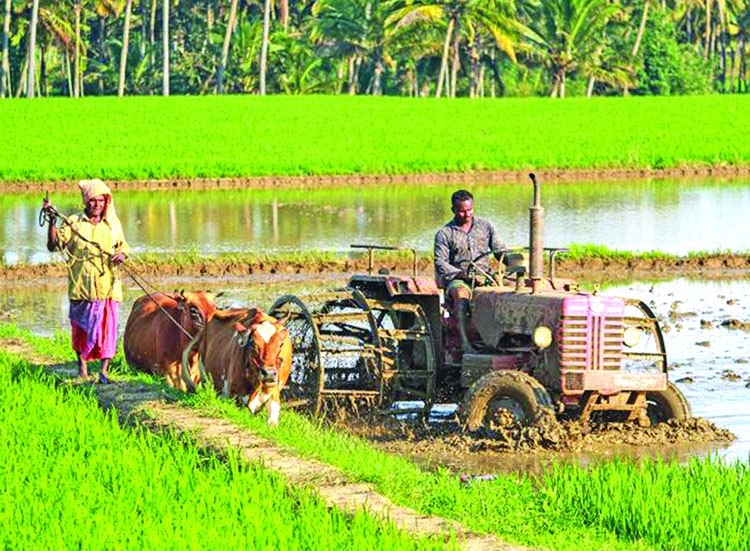
Recent insight: IFPRI reported in 2025 that mechanization in Asia has raised yields by up to 20% and reduced labor costs almost in half.
Story: In Rangpur, Bangladesh, a group of rice farmers now rent a combine harvester together. It clears a paddy field in a day, work that once took 50 people a week. They don’t see it as “losing tradition” — they see it as not losing their crop when the rains come early.
Technology Makes the Calls
Guessing when to plant or how much fertilizer to spread is fading. Sensors, mobile apps, and AI forecasts are increasingly deciding for farmers.
Recent insight: India’s ICAR showed in 2024 that precision farming increased wheat harvests by 22% while cutting fertilizer use by 30%.
Story: In Bahia, Brazil, Rodrigo Brondani runs Joha Farm. Droughts used to slash his coffee yields. After installing central pivot irrigation guided by soil sensors, his trees stayed productive even in bad years. That system was costly, but it doubled his output compared to nearby rain fed farms.
Markets Decide the Crops
In traditional farming, crops followed local diets. Now, they follow international demand. A field in Africa or Latin America may produce not for local plates but for European cafés or Asian supermarkets.
Recent insight: A USDA report (2025) highlighted how Ethiopian farmers are pruning and drying coffee beans to meet international “specialty coffee” standards, while importing basic wheat flour for their bread.
Story: A farmer in Sidamo, Ethiopia, told researchers he no longer chooses crops based on his family’s needs. Instead, he follows what buyers in Germany or the U.S. want, because that’s what pays the bills.
Bigger Rewards, Bigger Risks
The promise of higher income comes with higher stakes. Fertilizer prices swing wildly, climate change makes seasons unpredictable, and shipping costs can wipe out profits.
Recent insight: Reuters reported in 2024 that Brazil’s bioinputs market — natural fertilizers and pesticides made from microbes — has been growing at 21% annually, four times the global average. Rising costs of imported fertilizer are forcing this change.
Story: In Kenya, some maize farmers tried biofertilizers when chemical ones got too expensive. A few had strong results with healthier soils and better harvests, but others lost yields because they didn’t get enough training on how to use them.
What This Shift Really Means
The small cycle of “grow, eat, share” is fading. Farming is now tied to global markets, investors, machines, and apps. That banana in Tokyo, or the morning cappuccino in New York, is part of a long chain of irrigation pumps in Brazil, sensor readings in India, and fertilizer experiments in Kenya. Farming hasn’t just modernized; it has globalized.
References
- FAO (2024). Global Land Investment Trends.
- IFPRI (2025). Mechanization and Yield Gains in Asia.
- ICAR (2024). Precision Farming Impact Report.
- Reuters (2025). Brazil’s coffee farmers turn to costly irrigation to quench global demand.
- Reuters (2024). Brazil’s bioinputs market grows four times faster than global average.
- USDA (2025). Coffee: World Markets and Trade.
A Real Life Story
Last year, I met a farmer in Rajshahi, Bangladesh who switched from traditional rice farming to commercial horticulture. Instead of just rice, he started growing papaya and guava because they were listed as profitable commercial crops in his area. At first, neighbors laughed at the idea, but within two years his income nearly doubled. He used some modern farming methods like drip irrigation and better seedlings, and slowly reinvested into farm mechanization—like a small power tiller.
His story shows how agricultural investment at the right time can change a farmer’s life.
Commercial Agriculture Techniques in Use
When we talk about commercial farming today, it’s not just about having big fields. It’s about how smartly a farmer can use tools, knowledge, and planning. Let’s look at a few techniques that farmers—big or small—are using now.
1. Farm Mechanization
Machines have become part of farming life. Tractors, harvesters, and even drones are common in many places. In Bangladesh and India, some farmers now use mobile apps to test soil before planting. A 2024 FAO report showed that even small scale farmers are hiring “tractor services” instead of buying their own machines. This helps them save money while still enjoying the benefits of modern farming.
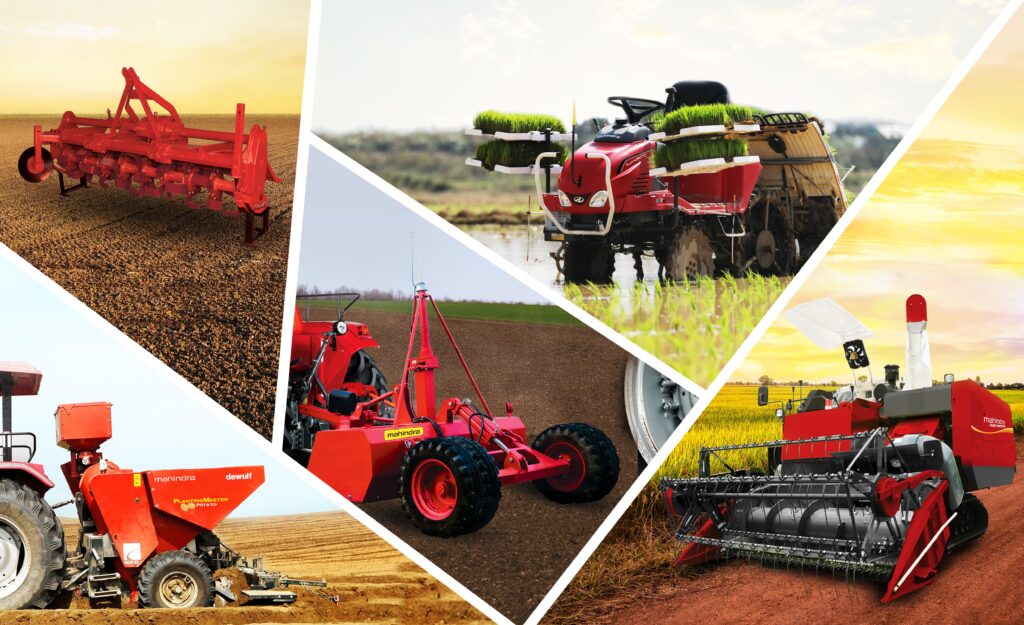
Real Story:
Last year, I visited a village near Mymensingh. A farmer named Sohan didn’t own a tractor, but every season he rents one for plowing. “It costs me less than hiring 10 laborers,” he said with a smile. That small decision allowed him to grow more crops in less time.
2. Intensive Farming
This means producing more from less land. Farmers use irrigation, fertilizers, and high yield seeds. According to a 2025 research study from the International Food Policy Research Institute (IFPRI), countries in Asia that practice intensive farming are producing almost double the food per acre compared to two decades ago.
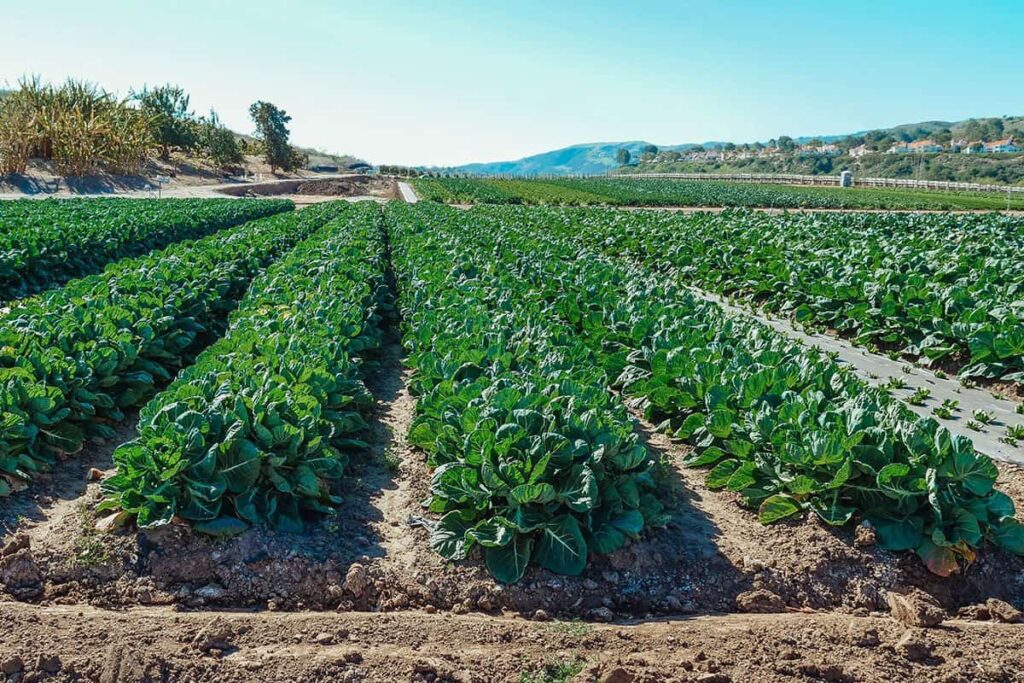
But there’s a flip side. Overusing chemicals can harm the soil. That’s why many experts now suggest balancing modern inputs with organic methods.
3. Sustainable Commercial Farming
The word “sustainable” is everywhere these days—and farming is no exception. Farmers are trying crop rotation, compost, and reduced pesticide use. A recent report from World Bank (2025) showed that farmers who use sustainable methods often get lower costs in the long run because their soil stays fertile and water use goes down.
Example:
In Rajshahi, a group of farmers switched to vermicompost instead of only chemical fertilizer. At first, yields were the same. But within three years, their soil became richer, and they needed fewer external inputs. That’s sustainability in action.
4. Farm Management Strategies
Commercial farming isn’t just about planting and harvesting. It’s also about planning. Farmers are keeping track of expenses, crop cycles, and even using apps for weather updates. Digital farm management platforms are growing worldwide. A 2025 study by AgFunder showed that agri tech startups raised billions to make farming smarter.
One farmer I know in Gazipur writes down every expense in a notebook. It’s simple but powerful. At the end of the season, he knows exactly which crop gave him the best return. “Farming is like any other business,” he told me. “If I don’t keep records, I can’t improve.”
References
- AgFunder (2025). Agri Tech Investment Report.
- FAO (2024). Farm Mechanization in Smallholder Systems.
- IFPRI (2025). Trends in Intensive Farming in Asia.
- World Bank (2025). Sustainable Agriculture and Soil Health Report.
Types of Commercial Farming
Farming as a business comes in many shapes. Some grow crops, some raise chickens, and some farm fish. Others grow fruits and flowers. Let’s look at the main types in a simple way.
Crop Farming
This is the most common type. Farmers grow wheat, rice, maize, soybeans, and cotton. These crops are sold in markets or even sent abroad.
Research Update:
FAO (2024) showed maize and soybean are rising fast in Asia. The reason? They are used in animal feed and fuel.
Story:
Abul, a farmer in Dinajpur, once grew only rice. The money was too little. He added maize and sold it to poultry feed mills. “Rice filled my stomach, but maize filled my pocket,” he said.
Poultry Farming
Eggs and chicken meat are in high demand. It’s one of the fastest growing farm businesses today.
Research Update:
The International Poultry Council (2025) expects poultry meat to grow 16% by 2030.
Story:
Rafiq from Gazipur started with 1,000 broilers. Feed costs worried him, but he found a way. He sold his chickens straight to restaurants in Dhaka. No middlemen. His small farm now pays his bills.
Fish Farming
Fish like tilapia, catfish, and shrimp are now widely farmed. Asia is leading this boom.
Research Update:
WorldFish (2025) found that half of all fish eaten worldwide now comes from fish farms. Back in the 1980s, it was less than 10%.
Story:
In Khulna, Jamal turned his low yield paddy field into a shrimp pond. It was risky. But when export prices jumped, his income doubled. “Shrimp changed my life,” he said.
Horticulture
Fruits, vegetables, and flowers fall in this type. Farmers sell them in cities and also export them abroad.
Research Update:
The UN (2025) says demand for fruits and vegetables is growing faster than rice or wheat. Urban diets are changing fast.
Story:
Moazzem near Savar grew spinach and gourds before. Now he grows lettuce and red cabbage. Every Friday, he takes them to Dhaka’s farmers’ market. Health conscious buyers love them. His income tripled.
Beyond the Farm
Commercial farming does not end at harvest. Crops, fish, and poultry must go through storage, packing, and transport. This adds more value. Maize becomes poultry feed. Milk becomes yogurt. Flowers get packed for export.
Experts say this chain builds jobs and boosts rural life. That’s why governments and companies now invest in cold storage, digital apps, and farmer groups.
References
- UN (2025). Global Horticulture Market Outlook.
- FAO (2024). World Agriculture Outlook Report.
- International Poultry Council (2025). Global Poultry Production Trends.
- WorldFish (2025). Aquaculture and Global Food Security.
High Profit Agriculture – What’s Trending Now?
Farming today is not just about rice or wheat. Some crops bring much higher returns if managed well. Farmers and investors are paying close attention to these.
Profitable Crops on the Rise
Research in 2024 showed that avocados, berries, and medicinal plants like moringa and ashwagandha are among the most profitable commercial crops. These crops need more care than staples, but the income is often worth it.
Latest Research:
- The global avocado market is set to grow by 5% every year until 2030 (FAO, 2024).
- Demand for moringa leaf powder is rising fast in Asia and Africa due to its health benefits.
- Ashwagandha exports from India increased by 30% in 2024 (AgriResearch Global, 2025).
Real Story:
Parvin, a farmer in Jessore, used to grow only cucumbers. The money was small and unstable. In 2022, her son suggested planting moringa. At first, she was nervous because the seeds were costly. But within two years, her dried moringa leaves started selling online to health shops in Dhaka. Today, she says her income has doubled, and she gets advance orders from buyers.
Climate Smart Farming
High profits are not just about the crop. The way you farm also matters. Climate smart farming is now a big trend. This includes drip irrigation, solar powered pumps, and mixed cropping to reduce risk.
Latest Research:
- FAO (2025) reported that climate smart practices can raise farm income by 20–30% while cutting water use in half.
- The World Bank (2025) found that farms using solar irrigation in South Asia reduced costs by up to 40%.
Real Story:
In Rajshahi, a group of tomato farmers switched to drip irrigation. One farmer, Hasan, said, “Before, half my water was wasted. Now every drop goes to the roots.” His yields went up, and he saved money on water and labor.
Why It Matters
High profit farming is not just for big companies. Small and medium farmers are joining too. They are planting avocados, moringa, or berries on small plots and using new methods like drip irrigation or solar drying. The key is planning, market access, and patience.
References
- World Bank (2025). Solar Irrigation and Farm Economics Report.
- FAO (2024). Global Avocado Market Outlook.
- AgriResearch Global (2025). Medicinal Plants Export Report.
- FAO (2025). Climate Smart Agriculture Impact Study.
Why Commercial Farming Matters
Commercial farming is more than just growing food. It changes lives, villages, and the economy. Here’s why it matters today.
Creates Jobs in Villages
Big farms need workers. They hire people to plant, water, harvest, and pack crops. This gives steady jobs to rural people.
Research Insight:
FAO (2025) found that commercial farms using machines and modern tools create 30–40% more jobs than small family farms.
Story:
In Bogura, Amin grows hybrid tomatoes for Dhaka markets. He hired five workers from nearby villages. Fatema, one of them, said, “I never had a steady job before. Now I can support my family.” Farming grew more than tomatoes—it grew livelihoods.
Boosts Exports and Country Income
When farms produce more than they need, the extra can be sold locally or abroad. This brings money into the country.
Research Insight:
Bangladesh exported mango, lychee, and moringa leaves in 2024—20% more than 2023 (Bangladesh Agricultural Export Report, 2025).
Story:
A group of moringa farmers in Jessore pooled their harvest. They sold dried leaves to Europe. Their small farms now help the country earn more money.
Helps Prevent Food Shortages
Commercial farms can produce enough to feed cities. This keeps food prices stable. It also helps prevent shortages.
Research Insight:
World Bank (2025) reported that regions with commercial vegetable and fish farms had 20–25% fewer seasonal food shortages than regions relying only on small family farms.
Story:
During the 2023 flood in Barisal, local commercial fish farms supplied markets. Fish prices stayed steady. People could buy food without panic.
Sparks New Business Ideas
Commercial farming encourages new businesses. Farm to table delivery, digital marketplaces, and farm apps are examples.
Research Insight:
AgFunder (2025) found that global agri tech investment grew 15%, mostly for projects that help commercial farmers sell and manage produce.
Story:
In Gazipur, a young entrepreneur built an app to connect poultry farmers with city buyers. It started small but now helps dozens of farms sell eggs every day.
Challenges to Keep in Mind
Commercial farming is not perfect. It can overuse water & harm soil. It can create unfair trade situations. Sustainable methods and careful planning are key to success.
Summary Table for Commercial Agriculture :
| Aspect | Details |
|---|---|
| Definition | Large scale farming aimed at producing crops and livestock for sale. |
| Main Goal | Profit and high yield for local and international markets. |
| Key Features | Mechanization, modern technology, monocropping, agrochemicals. |
| Examples of Crops | Wheat, corn, rice, sugarcane, cotton, soybeans. |
| Livestock | Poultry, cattle, pigs, sheep, dairy farming. |
| Advantages | High productivity, economic growth, employment, food supply. |
| Disadvantages | Soil degradation, loss of biodiversity, pollution, market dependency. |
| Regions Practiced | USA, Brazil, China, India, parts of Africa and Europe. |
| Modern Trends | Smart farming, precision agriculture, sustainable practices. |
Final Thought
Commercial agriculture is more than planting crops or raising animals. It helps farmers earn money & gives jobs in villages. It feeds cities and towns & also boosts exports. But farming this way has challenges. Water can run out. Soil can get tired. Trade must be fair. Farmers who plan well and use smart methods can succeed. They can grow crops, raise animals, and build a business at the same time.
In the end, commercial agriculture is not just about food. It is about helping farmers, families, and communities thrive.
References
- AgFunder (2025). Global Agri Tech Investment Trends.on, and the need for fair trade systems.
- FAO (2025). Impact of Commercial Farming on Rural Employment.
- Bangladesh Agricultural Export Report (2025).
- World Bank (2025). Food Security and Commercial Farming in Asia.
- FAO (2024). The State of Food and Agriculture.
- World Bank (2023). Agribusiness and Food Systems Report.
- IFPRI Research Briefs on Commercial Farming (2024).
FAQs on Commercial Agriculture
Q1. How is subsistence farming different from commercial farming?
Subsistence farming is for your family only. You grow what you need to eat. Commercial farming is for selling. The goal is to make money.
Q2. Which crops make the most profit today?
Avocado, berries, maize, cotton, and high value vegetables. They need care but bring more income than normal crops.
Q3. Can fish farming earn money?
Yes. Tilapia, catfish, and shrimp are popular. You need clean water, good feed, and buyers. When done right, it grows fast.
Q4. Why do farmers use machines?
Machines save time and effort. Tractors, harvesters, and simple tools help plant and harvest faster. Farmers can produce more with less work.
Q5. Can commercial farming be eco friendly?
Yes. Using crop rotation, organic fertilizers, and smart farming methods keeps soil healthy and reduces waste. You can earn money and care for the land.

Thesis Link : https://saulibrary.edu.bd/daatj/public/uploads/BAU200601_19-Pp_5.pdf
- 10 Best Hori Hori Knives for Digging, Weeding and Planting - October 23, 2026
- How to Kill Crabgrass and Keep It From Coming Back - October 22, 2026
- Lawn Fertilizer Schedule by Grass Type - October 21, 2026

[…] Commercial Agriculture is the large-scale production of crops and livestock primarily for sale in markets rather than personal consumption. Unlike subsistence farming, where food is grown for local family use, commercial farming is driven by profit, technology, and efficiency. […]
[…] Commercial Agriculture is the large-scale production of crops and livestock with the primary goal of selling them in markets for profit. Unlike subsistence farming, which focuses on feeding a family or local community, commercial farming uses modern techniques, advanced machinery, and market-driven strategies to maximize yield and revenue. […]
[…] Commercial Agriculture plays a central role in today’s global food system. Unlike subsistence farming, which focuses on growing food for personal or local consumption, commercial farming is all about large-scale production for profit. With modern farming methods, improved machinery, and sustainable practices, commercial agriculture has become more efficient, productive, and environmentally conscious. […]
[…] Commercial Agriculture is the backbone of modern food production, designed to meet the growing demand for food, fiber, and raw materials across the globe. Unlike subsistence farming, which focuses on self-consumption, Commercial Agriculture is profit-driven, relying on modern technologies, large-scale production, and advanced supply chains. […]
[…] Commercial agriculture has evolved dramatically in the last few decades. As the global population grows, the demand for food and agricultural products increases, pushing farmers toward more efficient and profitable practices. Commercial agriculture focuses on large-scale production of crops and livestock to meet market demands, rather than just subsistence farming. Modern techniques, technology integration, and sustainable methods are shaping the future of this sector. […]
[…] Commercial Agriculture plays a critical role in global food production, feeding billions of people while supporting economies worldwide. Unlike subsistence farming, which focuses on producing food for local consumption, commercial farming is designed for large-scale production, efficiency, and profitability. With the integration of technology, sustainable practices, and scientific advancements, Commercial Agriculture has transformed into a modern system that balances productivity with environmental responsibility. […]
[…] ommercial Agriculture plays a critical role in global food production, feeding billions of people while supporting economies worldwide. Unlike subsistence farming, which focuses on producing food for local consumption, commercial farming is designed for large-scale production, efficiency, and profitability. With the integration of technology, sustainable practices, and scientific advancements, Commercial Agriculture has transformed into a modern system that balances productivity with environmental responsibility. […]
[…] ommercial Agriculture plays a critical role in global food production, feeding billions of people while supporting economies worldwide. Unlike subsistence farming, which focuses on producing food for local consumption, commercial farming is designed for large-scale production, efficiency, and profitability. With the integration of technology, sustainable practices, and scientific advancements, Commercial Agriculture has transformed into a modern system that balances productivity with environmental responsibility. […]
[…] better understand how Commercial Agriculture works, here are its main […]