


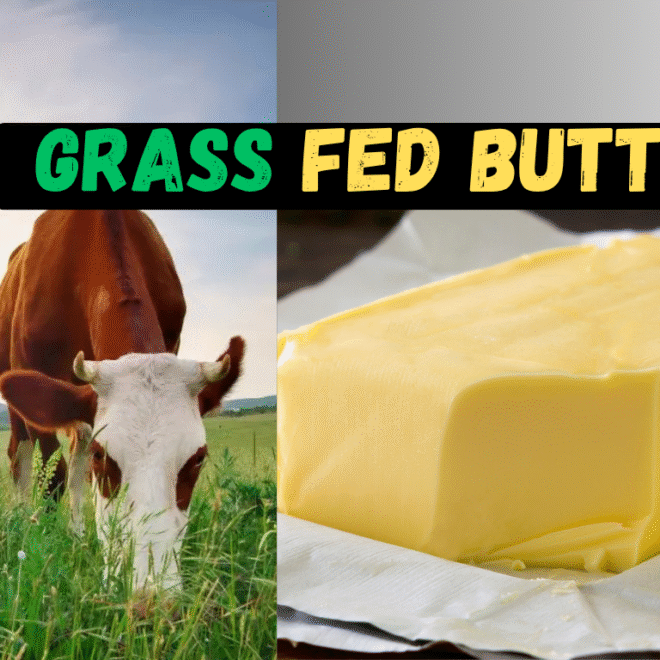
Grass Fed Butter – Benefits, Taste and Why It’s Worth Trying
A few years ago, I was on a health kick. I was trying to eat more “clean,” more traditional, more real food less processed junk. One thing kept nagging me: regular butter always felt like a compromise. “It tastes great,” I’d argue to myself, “but is it really good for me?” Then a friend a foodie and somewhat of a health nerd introduced me to grass fed butter. He said, “Just try it. The flavor is richer, the color is deeper. It’s not magic, but it’s better.” I shrugged and bought a block. The first bite on a warm piece of toast: unexpectedly vivid yellow, slightly nutty, creamy in a way that made me pause.
Over time I started paying attention: what “grass fed” means, which brands do it well or poorly, how much extra you pay, and whether the claimed health benefits are real or just marketing. In this article I’ll share what I found, what I believe, and what I still question. If you, reader, are curious you’re in the right place.
What “Grass Fed Butter” Really Means
“Grass fed butter” sounds perfect green fields, calm cows, golden butter. Real life is messier. The label helps, but it doesn’t tell the whole story. Here’s how to read it.
It’s a Spectrum, Not a Switch
Grass fed doesn’t always mean “nothing but grass forever.” Farms use different feeding plans through the year.
- Mostly pasture based
Cows graze when grass is plentiful. In winter or drought, they may get hay, silage, or small amounts of grain. - Pasture raised / pasture fed
Cows live on pasture most of the time and eat fresh forage rather than being confined. - Organic + grass fed
Organic speaks to farm inputs and practices; grass fed speaks to diet. They can overlap but aren’t the same. - 100% grass fed / pasture only
Strongest claim. How strictly it’s enforced depends on who verifies it. In the U.S., USDA withdrew its federal “Grass Fed” marketing claim standard in 2016, so verification now depends on third parties or brand transparency.
Labels and Loopholes
Rules for the term vary by country and program. That means some products may allow limited grain during tough seasons yet still say “grass fed,” and bold front label claims can hide caveats in the fine print. In places without a regulated definition, independent certification or detailed brand disclosures become more important.
Why Diet Changes the Butter
This isn’t just marketing. What cows eat shapes butter’s nutrition, texture, and taste.

- Fatty acids
Pasture heavy diets generally raise omega-3s and CLA compared with grain heavy feeding; nationwide analyses of “grassmilk” (≈100% forage based diets) show a much lower omega-6:omega-3 ratio and higher CLA than conventional milk. - Color & micronutrients
Fresh forage supplies carotenoids (β-carotene, lutein, zeaxanthin), which deepen butter’s yellow hue and act as antioxidants/vitamin-A precursors. - Texture & melt
More unsaturated fat lowers melting point, so grass fed butter often spreads more easily at room temperature. - Flavor
Many tasters notice richer, sometimes grassy or nutty notes; season, pasture quality, and freshness influence this. Studies linking higher pasture allowance to increases in pasture linked fatty acids support the dietary pathway behind those sensory differences.
References
- Journal of Dairy Science (2022/2023) — Higher pasture allowance increases pasture linked fatty acids (e.g., ALA, CLA), consistent with sensory differences.
- USDA AMS — Withdrawal of “Grass (Forage) Fed” and “Naturally Raised” voluntary marketing claim standards; effective Jan 12, 2016.
- USDA Blog explainer — What the 2016 AMS withdrawal means for producers and consumers. USDA
- Benbrook et al., Food Science & Nutrition (2018) — U.S. study of 1,163 “grassmilk” samples: lower ω-6:ω-3 ratio, higher omega-3 and CLA vs. conventional/organic. Europe PMC
- ScienceDaily summary of Benbrook 2018 — Public facing summary of the same findings. ScienceDaily
- MDPI Foods (2021) review — Carotenoids in milk; fresh forage is the richest source; β-carotene, lutein, zeaxanthin drive color and nutrition. MDPI
- UW Center for Dairy Research — Butter Science 101: higher unsaturation → lower melting point → softer spreadability. Center for Dairy Research
Benefits of Grass Fed Butter
I still remember the first time I spread grass fed butter on warm bread. It melted faster, looked a little more golden, and the flavor stopped me mid bite. It wasn’t dramatically different just… better.
That got me wondering if the butter’s reputation for being “healthier” actually held up. So, I did what anyone curious and slightly obsessed with food would do I read the studies, tried different brands, and paid attention to how it made me feel.

Here’s what I learned no hype, just what’s real.
1. A Better Fat Profile — But Keep It in Perspective
When cows eat mostly grass instead of grains, the fat in their milk changes. The butter that comes from that milk has:
- More omega-3s — the same heart friendly fats found in fish and nuts.
- More CLA (conjugated linoleic acid) — a type of fat that’s being studied for its potential anti-inflammatory and metabolic benefits.
- A little more unsaturated fat overall, which slightly improves the “fat balance.”
It’s not a miracle, but it’s a step in the right direction. You’re getting a better mix of fats from a more natural source.
2. Naturally Richer in Vitamins and Color
That deep yellow color? It’s not added dye it’s nature showing up in your butter dish.
Cows that graze on green pastures eat plants rich in beta carotene, which gives grass fed butter its golden hue. That same pigment also serves as a vitamin A precursor in your body.
You’ll also find traces of vitamin K2, which plays a role in bone and heart health, and a few plant based antioxidants that carry over from the cows’ diet.
The changes aren’t dramatic, but they’re genuine and they happen because the cows are living closer to how they’re meant to.
3. It Might Be Gentler on Your Body
There’s early research suggesting that grass fed butter may have a slightly better impact on inflammation and gut health. It contains butyrate, a fatty acid that helps nourish the cells in your intestines.
It’s not a cure all and studies in humans are still limited but it’s fair to say that butter from grass fed cows tends to work with your body, not against it, when used in moderation.
4. Taste and Texture: Where You Notice It Most
This is where science meets the senses.
Grass fed butter tends to soften quicker at room temperature, spread easier, and melt smoother. It often tastes creamier, with a faint nutty or grassy note that makes even simple food toast, steamed vegetables, plain rice taste more alive.
It’s one of those small pleasures that feels worth the few extra dollars.
5. Heart and Metabolic Health — A Balanced View
Let’s be honest: butter is still butter. It’s high in saturated fat, and eating too much of it isn’t great for your heart.
That said, grass fed butter’s fat composition slightly higher omega-3s and lower omega-6s may make it a little easier on your cardiovascular system. Some studies even show neutral or mildly positive effects among people who consume dairy from pasture fed cows.
The takeaway? Grass fed butter can fit into a healthy diet. It just shouldn’t define it.
The Realistic Takeaway
Grass fed butter doesn’t turn breakfast into a health ritual but it does make your food taste better, and it comes from a cleaner, more natural source.
It’s richer, purer, and a touch more nutrient dense than regular butter, and when you pair that with mindful eating, it’s a win on several levels.
Here’s what I stick to:
- Buy brands that are transparent about how their cows are raised.
- Use it where flavor counts — not to drown food, but to finish it.
- Remember that “grass fed” doesn’t mean “limitless.”
A little bit of good butter goes a long way.
References
- Organic Valley – Grass Fed and Pasture Raised Standards (2024)
- Harvard T.H. Chan School of Public Health – Understanding Dietary Fats and Cholesterol (2024)
- Journal of Dairy Science – Fatty Acid Composition of Grass Fed vs. Conventional Milk (2023)
- Healthline – Grass Fed Butter: Nutrition and Benefits (2024)
- USDA – Pasture Based Dairy and Nutrient Quality (2023)
Are There Any Risks or Limits to Grass Fed Butter?
I love good butter especially the deep golden kind that melts smoothly over toast or vegetables. But let’s be real: even if it’s grass fed, it’s still butter. It’s rich, it’s dense, and it should be treated with respect, not as a miracle food.
Here’s the straightforward truth about its limits.
1. It’s Still High in Saturated Fat
Grass fed butter doesn’t magically lose its fat content. It’s still loaded with saturated fat, the kind that can raise LDL cholesterol in certain people.
That doesn’t mean it’s bad just that you shouldn’t use half a stick on your morning pancakes.
The American Heart Association still recommends keeping saturated fat below 10% of your daily calories, and less if you already have heart or cholesterol issues.
Butter can fit into a healthy diet, but it shouldn’t dominate it.
2. Calories Add Up Fast
Butter may look innocent on the knife, but it’s energy dense about 100 calories per tablespoon.
If you use it for everything frying, baking, spreading it adds up faster than you think. I’m not saying you should avoid it, just be mindful. A small amount goes a long way when it’s good quality.
3. “Grass Fed” Labels Can Be Misleading
This part surprises a lot of people. The term grass fed isn’t regulated in the same way everywhere. Some companies use it loosely their cows might spend part of the year grazing and the rest eating stored feed or grains.
If you really care about where your food comes from, look for brands that explain their practices clearly or hold third party certifications, like the American Grassfed Association. Honest butter makers are proud to tell their story vague ones, not so much.
4. It’s Not Ideal for Everyone
If you have high LDL cholesterol, heart disease, or metabolic concerns, you’ll want to be extra cautious. Even the cleanest butter can still raise cholesterol if you eat too much of it.
In that case, it’s better to use grass fed butter as a flavor accent and rely on olive oil, avocado oil, or nuts for your main sources of fat. Those give you the healthy unsaturated fats your body needs more of.
5. Balance Always Wins
Grass fed butter is a better version of a comfort food richer in nutrients, better sourced, and often more ethical. But it doesn’t suddenly turn into a “health food.”
Use it like a finishing touch, not a main ingredient. Add a pat to steamed vegetables, brush a little over fresh bread, or whisk some into a sauce. That way, you enjoy its flavor and benefits without overdoing it.
References
- USDA Agricultural Marketing Service. Grass Fed Labeling and Marketing Claims. (2023)
- American Heart Association. Dietary Fats: Know Which Types to Choose. (2024)
- Harvard Health Publishing. The Truth About Fats: The Good, the Bad, and the In-Between. (2024)
- Medical News Today. Butter: Nutrition and Health Effects. (2024)
Real life stories: Butter, family, and experiment
I want to share two brief stories that stuck with me:
- My aunt’s toast test: My aunt is a staunch tea and toast person. She’d been smearing regular butter on her morning bread. One day I brought over a block of grass fed butter for her to try. She didn’t say much but after a week she commented, “That new butter tastes richer, smoother. I’m using less to enjoy it.” I thought: subtle but meaningful.
- A farmer’s pride: I once visited a small pasture dairy in a rural area. The farmer told me, “We switched to full time pasture grazing ten years ago. It’s harder. More fence, more land, more labor. But the animals seem healthier. And customers tell me the butter tastes like childhood to them deeper, honest, real.” That stuck with me the human cost, the pride, the authenticity.
These stories aren’t scientific proof, but they remind me: food is personal. Taste, trust, connection all matter.
Kirkland Signature Grass Fed Butter (Costco): What to Know


Quick facts
- Type: Salted, grass fed butter
- Feed claim: 95% grass fed
- Origin: New Zealand
- Pack size: 4 × 8-oz (total 2 lb)
- Where sold: Costco warehouses often warehouse only
These facts come directly from Costco’s product listing.
Who actually makes it?
Costco’s grass fed butter is produced by Westland Milk Products in New Zealand , they churn the butter for the Kirkland brand. Multiple food publications have traced the product to Westland.


Price: what should you expect?
Prices vary by region and over time:
- A recent Allrecipes taste test found it around $11.69 for the 2-lb pack at their warehouse.
- Costco’s Same Day delivery page recently showed $13.61 , delivery pricing can run higher than in-store.
- Earlier blog coverage noted roughly $10.99–$12 in stores when it launched, depending on location.
Takeaway: plan on roughly $11–$14 per 2-lb pack in 2024–2025, with in store usually cheaper than delivery.
Taste & color: how does it compare to Kerrygold?
Several tasters say Kirkland’s grass fed butter can match or even beat Kerrygold for “buttery” flavor. Reviewers also noticed an even deeper golden color, which aligns with a high grass diet.
Chowhound also frames it as a solid Kerrygold dupe at a lower price.
Availability Caveats
Costco frequently lists the item as “Warehouse Only” and it may not appear online in every region or at all times. Check your local warehouse; online stock status changes.
A recent round-up even cites a Costco employee calling the New Zealand grass fed butter one of the best buys, reinforcing that it’s worth grabbing when you see it.
How to use it
- Everyday cooking & spreading: Its rich, grass fed profile shines on toast, vegetables, and pan sauces.
- Baking: Works well in cookies, shortbread, and pie crusts; it’s salted, so reduce added salt in recipes.
- Storage: Keep one block in the fridge; freeze the rest , still in foil, inside a freezer bag, for up to several months. Thaw in the fridge overnight.
References
- Employee “best buys” mention (Southern Living). Availability depends on local warehouse stock.
- Costco product page (95% grass fed; 4×8-oz; warehouse only).
- Producer identified as Westland Milk Products .
- Pricing & taste notes (Allrecipes; Costco Same Day; CostContessa; Tasting Table). Tasting Table+3Allrecipes+3Costco Same Day+3
- Comparison/“dupe” angle (Chowhound). Chowhound
Grass fed butter brands
If you don’t shop at Costco, or you prefer specialized brands, here are some well known grass fed butter brands to explore.
| Brand | Region / Notes | Features / Highlights |
|---|---|---|
| Kerrygold | Ireland | Very famous grass fed butter, rich flavor, exported globally. |
| Organic Valley | USA | Offers organic + grass fed / pasture raised options. |
| Anchor | New Zealand | Mild, clean flavor, reliable quality. |
| Vital Farms | USA | Emphasizes pasture and ethical agriculture. |
| Truly Grass Fed | Ireland / International | Markets itself as pure, non-GMO, grass fed. |
| Rumiano | USA | Organic, grass fed options especially in Western U.S |
When choosing a brand, I like to consider:
- Transparency: Do they say how much grass, how much supplemental feed?
- Certifications: “100% grass fed,” “pasture raised,” “non GMO,” “organic.”
- Color and odor: A deep yellow hue and a slightly “green” or grass like aroma suggest higher carotenoids.
- Texture and melting behavior: Does it melt nicely on warm bread or cook dishes well?
Organic Grass Fed Butter vs. Grass Fed Butter
You don’t need a nutrition degree to know that not all butter is the same. Walk into any grocery store, and you’ll see labels shouting “grass fed,” “organic,” “pasture raised.” It’s enough to make you forget what you came for.
But if you’ve ever wondered what really separates organic grass fed butter from regular grass fed butter, you’re not alone and the answer isn’t as complicated as it sounds.
Let’s break it down simply, without the jargon or the marketing spin.
What Those Labels Actually Mean
Here’s the short version:
- Grass fed butter comes from cows that mainly eat grass and forage instead of grains.
- Organic grass fed butter means those same cows live on farms that follow organic rules — no synthetic pesticides, no artificial hormones, no routine antibiotics, and better land management.
So “grass fed” tells you what the cow eats.
“Organic” tells you how the whole farm operates.
When both apply, you get the cleanest version of butter in theory, at least.
The Upside of Organic Grass Fed Butter
1. Fewer Chemicals Around the Cow
Organic farms avoid synthetic sprays, fertilizers, and GMO feed. That means the grass cows eat and the milk that becomes your butter is less likely to carry chemical residue. It’s not just a label , it’s a cleaner chain from soil to table.
2. Kinder Conditions for Animals
Organic standards require outdoor access and more humane treatment. These cows spend more time grazing naturally instead of being confined. Healthier, calmer animals tend to produce richer, creamier milk.
3. Real Accountability
That “organic” seal isn’t a sticker you can print at home. Farms are inspected, audited, and tested regularly. You’re not just paying for a word , you’re paying for proof.
It Costs More
There’s no way around this one. Organic feed, inspections, and lower yields all raise costs. Farmers charge more because they have to , not because they’re greedy.
Organic Doesn’t Mean Perfect
Even organic farms sometimes use organic grain feed, especially in winter when fresh grass isn’t available. So while it’s still cleaner and better managed, “organic grass fed” doesn’t always mean the cows graze on green fields all year long.
Fewer Producers, Fewer Choices
Because certification is expensive, only a small share of dairies are both organic and grass fed. That means your local store might have one option or none at all.
What the Research Says
Several studies have compared butter from grass fed cows with conventional butter. The grass fed kind often shows:
- Higher omega-3 fatty acids
- More conjugated linoleic acid (CLA)
- Richer color from beta carotene
- Slightly more vitamins A and K2
These nutrients come from the cow’s natural diet , more green plants, less grain.
When researchers compare organic grass fed to non-organic grass fed, the nutritional differences are small. The big difference lies in farming methods , cleaner soils, better pastures, and more careful animal care.
(References: USDA Organic Program, Healthline Nutrition 2024, Organic Valley 2023)
A Real Farm Story
A few years ago, I visited a small dairy in upstate New York. The farmer had two products , regular grass fed butter and a pricier organic grass fed version. I asked what changed when he went organic.
He laughed.
“Honestly,” he said, “the cows didn’t notice. But the paperwork sure did.”
He explained that the main difference was in how he managed the land , no synthetic fertilizers, no chemical weed control, stricter pasture rotation. The butter tasted the same to him, but he liked knowing his soil was healthier and his customers trusted his label.
That’s what organic really means in the end: a choice to do things the harder, cleaner way.
Which One Should You Buy?
Here’s the simplest answer:
- If you can afford it and care about chemical free farming and animal welfare, organic grass fed butter is worth the extra cost.
- If you’re mainly focused on nutrition and flavor, regular grass fed butter is still a huge improvement over conventional butter.
Both are far better choices than butter from grain fed, feedlot dairies.
References
- Organic Valley, What Grass Fed Really Means for Dairy Farms, 2023 butter.
- USDA National Organic Program, Organic Standards Overview, 2024
- Healthline, Grass Fed Butter: Nutrition and Benefits, 2024
The Best Grass Fed Butter: My Simple Favorites
Butter shouldn’t be complicated, but here we are standing in front of ten brands, each claiming to be the real deal.
Over the past few years, I’ve tried a bunch of grass fed butters mostly out of curiosity, sometimes just because they looked good.
A few stood out, and I’ve stuck with them.
I’m not claiming to be an expert , just someone who cooks a lot, pays attention to labels, and wants good flavor without unnecessary nonsense.
What I Look For
Before calling anything “the best,” I check a few basic things:
1. Clear Labels
If a package says grass fed, I want to know what that means. Do the cows actually graze, or is it a marketing phrase? Brands that tell you where the milk comes from earn my trust.
2. Taste and Texture
This is the most important part. Good butter should melt softly, taste creamy, and have that faint sweetness that comes from fresh milk. I sometimes do mini taste tests at home, just toast, butter, and honesty.
3. Price That Makes Sense
Some butters are expensive just because they look “fancy.” I don’t mind paying more for real quality, but it has to be worth it.
4. Consistency and Availability
If a butter tastes great one week and bland the next, it’s off my list. I also need to find it easily at the store, not hunt it down online.
5. Ethics and Sustainability
I like supporting farms that raise animals with care and use responsible farming practices. Butter tastes better when you know the people behind it are doing things right.
My GoTo Butters
Kerrygold Irish Butter
This is the one I always come back to. It’s rich, golden, and has that slightly nutty flavor that makes toast taste like a treat. The cows graze on Irish grass almost year round, and it shows. You can find it almost anywhere, and it’s consistently good.


Kirkland Grass Fed Butter (Costco)
If you want quality without overspending, this one is a gem. Made from New Zealand milk, it’s clean, smooth, and performs beautifully in cooking. The value is hard to beat . I use it for baking, sautéing, and big batch cooking.

Truly Grass Fed
This is a premium option for people who care about traceability. The butter is softer and creamier than most, with a mild, almost fresh cream flavor. It’s pricier, but you can taste the attention to detail.

Organic Valley Pasture Raised Butter
If you want organic and pasture based together, this is the one. The flavor is milder than Kerrygold’s but still rich and pleasant. It’s also made by small family farms, which I respect.

Vital Farms Butter
What I like about Vital Farms is their honesty. They’re open about how their cows are raised and where their products come from. The butter itself is soft, balanced, and reliable. It’s the kind you can feel good about buying.

My Personal Ranking
- Best overall flavor: Kerrygold
- Best value: Kirkland
- Most premium texture: Truly Grass Fed
- Best organic choice: Organic Valley
- Most ethical sourcing: Vital Farms
Each of these has a reason to exist, you just have to decide what matters most to you: taste, price, or principle.
Why Grass Fed Matters
When cows eat mostly grass, their milk naturally contains more omega-3 fats, CLA, and vitamin K2.
That doesn’t make butter a health food , but it does make it better butter.
Plus, grass fed systems usually mean happier cows and healthier soil.
References
- Vital Farms – Ethical Dairy Sourcing Overview, 2024
- USDA Organic Program – Pasture and Grass Fed Standards, 2024
- Healthline – Grass Fed Butter Benefits and Nutrition, 2024
- Organic Valley – Pasture Promise Report, 2023
- Truly Grass Fed – Animal Care Standards, 2024
Truly Grass Fed Butter: A Closer Look at the “Pure” Choice
When it comes to butter, a lot of brands talk about being “natural” or “from grass fed cows.”
Truly Grass Fed is one of the few that tries to live up to those promises in full. It’s an Irish brand that has built its reputation on keeping things clean and transparent non GMO ingredients, 100% grass fed milk, and minimal processing.

What Sets It Apart
Truly Grass Fed isn’t trying to compete on price; it’s trying to stand out for purity.
The milk comes from Irish farms where cows graze outdoors most of the year. Their feed is grass based not supplemented with grains and the brand keeps its ingredient list as short and honest as possible: just cream and salt, for the salted version.

The company also talks a lot about animal welfare, land stewardship, and supporting small family farms. Those are good signs but as with any brand, it’s worth checking that their certifications and sourcing details match their marketing.
Taste and Texture
In terms of flavor, it’s smooth and mild less salty than Kerrygold, but pleasantly creamy. The texture is soft and spreadable straight from the fridge, which makes it great for toast or baking. It doesn’t have that waxy or oily mouthfeel you sometimes get with lower quality butter.
I’d describe it as a clean butter not overly rich, not bland, just balanced.
Who It’s For
Truly Grass Fed appeals most to people who:
- Want 100% grass fed dairy
- Care about non-GMO sourcing and transparent labeling
- Prefer premium, clean foods, even if they cost a bit more
- Like supporting smaller, traceable farm systems
If you fit that description or if you just want to see what butter tastes like when it’s made from milk that comes straight from grass fed cows this one’s worth a try.
References
- Healthline, Grass Fed Dairy Nutrition Overview, 2024
- Truly Grass Fed, Our Standards and Sustainability Promise, 2024
- USDA National Organic Program, Grass Fed and Pasture Access Rules, 2024
Kerrygold Grass Fed Butter: The Everyday Gold Standard
If you’ve ever picked up a pack of butter with that shiny gold foil, you’ve probably tried Kerrygold.
It’s one of those brands that’s managed to stay classic while still feeling a little special the kind of butter people actually talk about.

Made in Ireland, Kerrygold comes from milk produced by cows that spend most of their days grazing on green pastures. The Irish climate makes that possible almost year round, and that’s what gives the butter its signature golden color and rich flavor.
You don’t have to be a chef to notice the difference, it just tastes like real butter.
What Makes Kerrygold Stand Out
Kerrygold isn’t about gimmicks. It’s straightforward: grass fed milk, churned into butter that tastes the way butter used to.

The cows eat mostly grass, not grain, which naturally raises the butter’s levels of good fats and fat soluble vitamins. It’s one of the few big brands that’s both easy to find and made from truly grass fed milk.
The color is naturally deep yellow not dyed thanks to the beta carotene in fresh grass. That’s part of why it looks and tastes richer than many other butters on the shelf.
Why I Keep Buying It
1. The Flavor Never Disappoints
Kerrygold has a full, creamy taste that stands out even in simple food.
Spread it on warm bread, fry an egg in it, or melt it over vegetables you’ll get that subtle nuttiness that’s hard to describe but easy to love.
2. It’s Consistent
Every pack I’ve opened has been the same smooth texture, no odd flavors, no grainy feel. For a mass produced butter, that kind of reliability is impressive.
3. You Can Find It Anywhere
It’s stocked almost everywhere now: the U.S., Canada, Europe, even parts of Asia.
For something that feels premium, it’s surprisingly easy to get your hands on.
The Downsides
Kerrygold isn’t perfect, and it’s good to be honest about that.
- It’s pricey. It costs more than the average supermarket butter. If you go through butter quickly, it can add up fast.
- Local butters can compete. Depending on where you live, small regional dairies might make equally good or even fresher grass fed butter.
- Not everyone thinks it’s unbeatable. Some blind taste tests including one by Allrecipes found that Costco’s Kirkland Grass Fed Butter rivals or beats Kerrygold for both price and flavor.
That said, taste is personal. I’ve done my own little “toast tests,” and I still reach for Kerrygold most often.
My Honest Take
Even though I rotate through a few butters sometimes local, sometimes imported — Kerrygold has been the constant. It’s the one I judge all others by.
There’s something familiar about it. It melts evenly, browns beautifully in a pan, and makes homemade food feel just a bit better. It’s not trying to be fancy, just good.
And in a world where “grass fed” can sometimes mean half pasture, half marketing, Kerrygold’s long standing reputation counts for something.
References
- Healthline – Grass Fed Butter: Nutrition and Benefits, 2024
- Kerrygold Official Site – From Irish Grass to Golden Butter, 2024
- Allrecipes – Grass Fed Butter Taste Test Results, 2024
Is Grass Fed Butter Good for You?
People ask this question a lot, and the honest answer is: yes, kind of if you use it wisely.
Grass fed butter does have its benefits. It’s made from milk that comes from cows eating what they’re meant to eat grass and that makes a difference. But at the end of the day, it’s still butter.
Let’s keep it real and break it down without the hype.
Why It’s a Better Choice
1. It Has a Cleaner Nutritional Profile
When cows graze on grass instead of grain, the fat in their milk changes. The result? Butter with a bit more of the “good” stuff omega-3 fatty acids, CLA (Conjugated Linoleic Acid), and vitamin K2. These support heart and bone health in small but meaningful ways.
2. The Flavor’s Different and Better
Good grass fed butter has a taste that’s richer and more alive. It’s got that faint nuttiness and a creamy depth you just don’t get from regular butter. Because it tastes stronger, you often use less and that’s not a bad thing.
3. Better Farming, Better Food
Most grass fed butter comes from farms that treat animals and land with more care. Cows spend more time outdoors, eating fresh forage instead of living on feedlots. That’s not only better for them, but it also produces cleaner milk and healthier soil.
The Caution Side
1. It’s Still Butter
Let’s not forget the obvious: it’s high in saturated fat and calories. One tablespoon can pack around 100 calories. If your diet already has a lot of fats, adding more can backfire.
2. Health Claims Aren’t Magic
You’ll see people call grass fed butter “anti-inflammatory” or “heart healthy.” The truth is, most of those claims come from small studies, sometimes done on animals. There’s not enough human data to call it a cure all.
3. Labels Can Mislead
Not every “grass fed” label means the same thing. Some brands use partial grass diets or mix in grains seasonally. Look for 100% grass fed or brands that are transparent about where their milk comes from.
How I Use It
I keep a small block of grass fed butter in my fridge mostly Kerrygold or a local brand. use it when flavor matters: scrambled eggs, simple sauces, or a good slice of bread. I don’t slather it on everything, but I enjoy it guilt free when I do.
It’s about balance, not restriction.
References
- Organic Valley – Pasture Fed Dairy Report (2024)
- Harvard T.H. Chan School of Public Health – Fats and Cholesterol: The Good, the Bad, and the Healthy Way to Eat Them (2024)
- Healthline – Grass Fed Butter: Benefits and Facts (2024)
- USDA Dairy Research Center – Nutrient Comparison: Grass Fed vs. Conventional Milk (2023)
Grass Fed Butter Cost and How to Judge Real Value
If you’ve ever picked up a pack of grass fed butter and winced at the price, you’re not alone.
It’s almost always more expensive than the regular stuff and sometimes by a lot.
But before calling it “overpriced,” it helps to understand why it costs what it does, and what actually makes one butter worth the splurge .
Why It Costs More
Grass fed dairying isn’t cheap. It takes more land, more labor, and more time. Cows grazing on open pasture produce less milk than cows fed grain in barns, especially in winter. That means fewer pounds of butter per cow and higher overall costs.
Then there’s the premium factor. Once something earns a “grass fed” label, it moves into the premium category, and retailers know people will pay extra. Sometimes the markup is fair; other times, it’s just branding.
Still, a few dollars of difference can make sense when you consider the bigger picture — better animal welfare, cleaner feed, and, usually, richer flavor.
Finding Value Without Overspending
If you go through a lot of butter, price per ounce matters. Buying in bulk from places like Costco or food co-ops can bring the cost down.
For example, Kirkland’s grass fed butter sells for around $10–11 for four 8-ounce bars . That’s a solid deal compared to Kerrygold, which can run higher per pound in many stores.
Some reviewers even call Kirkland’s version a “Kerrygold look alike” and in blind taste tests, a few people said it actually tastes just as good, if not better.
So, “value” isn’t just about paying less it’s about getting a butter you enjoy, trust, and can keep buying without guilt.
How I Judge a Butter’s Worth
When I’m deciding which brand to buy, I think about more than just the price tag:
- Price per ounce – Small packages can hide big markups.
- Flavor – If I wouldn’t enjoy it, it’s not worth any price.
- Transparency – I look for brands that explain where their milk comes from.
- Use frequency – If I’m using it daily, I might pick a solid mid-range option over a fancy one.
In the end, “the best within your budget” is usually smarter than chasing the most expensive brand on the shelf.
“Truly Grass Fed” vs. “Grass Fed” — What It Really Means
Here’s where it gets tricky: the label grass fed doesn’t always mean the same thing.
Some brands claim 95% grass fed, meaning cows eat mostly grass but may get a little supplemental feed. Others say 100% grass fed, but even then, diets can shift seasonally if pastures run short.
Since there’s no single global standard, I look for a few clues:
- Do they list a percentage of grass feeding?
- Do they name specific farms or regions?
- Is there third party certification?
- Are there independent reviews or lab tests confirming their claims?
It’s good to stay curious and a little skeptical. In today’s food market, a touch of healthy doubt keeps you honest.
Simple Tips for Using GrassFed Butter
- Store it cold: Keep it in the coldest part of your fridge; it freezes well too.
- Use it for flavor: Ideal for sautéing at moderate heat, finishing vegetables, or melting over warm bread or corn.
- Avoid very high heat: It can burn if you’re cooking hot, go with clarified butter .
- Taste test at home: Melt a little of each brand on toast and see which one you actually prefer. Price means nothing if you don’t love the flavor.
References
- USDA Dairy Research Center – Economic Comparison of Pasture Based vs. Conventional Dairying, 2023
- Allrecipes – Grass Fed Butter Taste Test and Value Review, 2024
- CostContessa – Costco Kirkland Grass Fed Butter Review, 2024
- Organic Valley – Grass Fed Label Transparency Guide, 2023
- Healthline – Grass Fed Butter Benefits and Costs Explained, 2024
Final thoughts
When I first switched a portion of my butter use to grass fed, I didn’t expect miracles. I expected a mild upgrade. What surprised me was how satisfying it felt just a small bite, a deeper flavor, a sense that I was choosing something a bit more honorable.
In a world full of overhyped “superfoods,” grass fed butter qualifies more as a better version of a familiar favorite, rather than a radical cure. But those incremental upgrades matter especially if you use butter fairly often.
FAQs for Grass fed Butter
Q. What’s the difference between grass fed butter and regular butter?
A. Mainly the diet of the cow: grass fed butter comes from cows that eat mostly pasture grasses . This diet leads to modest increases in omega-3s, CLA, carotenoids, and richer color/flavor.
Q. Kirkland grass fed butter, is it good?
A. Yes, many reviewers find it excellent value. It’s made in New Zealand via Westland Milk Products, has deep color, and even in blind tests outperformed more expensive brands
Q. Is grass fed butter worth the extra price?
A. For many people, yes: the improved nutritional profile and flavor justify the premium. But if your budget is tight, a high quality conventional butter may still be acceptable.
Q. Can grass fed butter be organic?
A. Yes, absolutely. “Organic grass fed butter” combines pasture based diet plus organic farming standards. The tradeoff is higher cost.
Q. How to tell if a butter is truly grass fed?
A. Look for labeling: percentage grass fed, pasture raised claims, certification, farm transparency. Also judge color , deep yellow and smell.
Q. Can I cook with grass fed butter at high heat?
A. It’s better for low to moderate heat cooking, baking, or finishing. At high heat it may burn. Clarified butter (ghee) derived from grass fed butter is better for high heat cooking.
Q. Is grass fed butter healthier for the heart?
A. Possibly modestly better slightly better fat composition, more CLA, more antioxidants. But it’s not a silver bullet. People with heart risk should moderate all saturated fat, even from grass fed sources.
Q. How should I store grass fed butter?
A. In the fridge (coldest spot). You can freeze extras (butter freezes well). Use within a reasonable time for fresh flavor.

Thesis Link : https://saulibrary.edu.bd/daatj/public/uploads/BAU200601_19-Pp_5.pdf
- 10 Best Cordless Hedge Trimmers - October 16, 2026
- Lawn Watering Guide: How Much, How Long, How Often - October 16, 2026
- 10 Best Crack Weeders for Pavement - October 16, 2026



[…] Grass Fed Butter – Benefits, Cost and How to Choose the Best One […]