


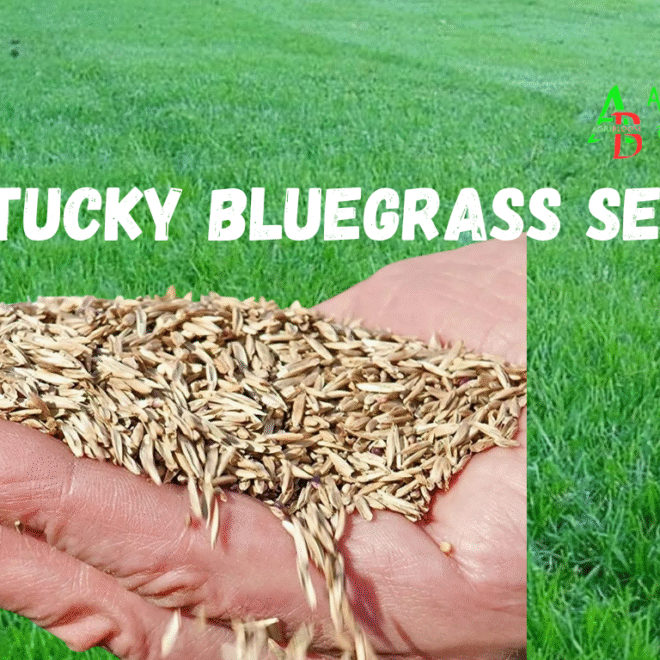

Kentucky Bluegrass Seed : Tips, Timing & Care Guide
Hey there , if you’re reading this, you’ve probably been staring at your lawn, thinking: “What if this turned into something lush, green, resilient… the kind of yard I can kick off sandals on, watch the kids run around, maybe the dog dig a little, and still have it look great?” Well, you’re in the right place. Because I want to talk about Kentucky bluegrass seed, how to use it, when to use it, what to expect, but in human speak. No overly polished marketing fluff. Just real world advice you can use.
I’ll toss in a story from my neighbor’s yard. We’ll look at the latest research and extension guidance. We’ll cover the whole journey: selecting seed, preparing soil, seeding, care, heat stress, mixing with other grasses like tall fescue, fertilizing, overseeding, brand seed and I’ll include FAQ’s at the end. So by the time you finish, you’ll feel like you and that lawn have a game plan.
Why Choose Kentucky Bluegrass?
So, why Kentucky bluegrass? Why not just grab the first bag of grass seed you find at the store and be done with it?
Let’s slow down a second.
Kentucky bluegrass (KBG)—scientific name Poa pratensis is what many folks call the “classic American lawn grass.” It’s a cool season type, which means it thrives when the weather is mild and the soil stays comfortably moist not soggy, not baked. Think spring and fall weather, not the middle of a blazing July.

According to Kansas State University’s Turfgrass Research, KBG “spreads by underground stems called rhizomes,” which basically means it’s got its own built in repair crew underground. Each stem quietly crawls outward, filling in bare patches like nature’s little carpet patcher. Different varieties or cultivars vary in color, texture, and disease resistance, but most share that same rich, dark green look you see in golf courses and old suburban lawns.
The Good Stuff
Once it settles in, KBG forms a dense, soft lawn that feels amazing under bare feet. It handles foot traffic better than many other cool season grasses, and those rhizomes make it a self healing champ. Got kids, dogs, or backyard barbecues? You’ll appreciate that resilience.
Give it a bit of care some fertilizer, consistent watering, and decent soil and it rewards you with a picture perfect lawn that almost glows in the evening light. It’s the kind of grass you actually want to sit on.
The Flip Side
Now, like anything premium, Kentucky bluegrass has its preferences. It’s not the low maintenance, plant it and forget it type. It likes well drained, fertile soil and a pH between 6.0 and 7.0. If your yard is heavy clay, swampy, or bone dry most of the time, you might have to amend the soil or adjust watering.
And yes, KBG doesn’t love extreme heat. When temperatures shoot up into the high 80s or 90s (°F), it starts slowing down, sometimes even going dormant to protect itself. It’s also not a fan of deep shade. If your yard is under big trees or gets only a couple hours of sun, you might have better luck mixing in fine fescue or tall fescue for balance.
According to the team at Pennington Seed and K-State Research & Extension, that’s exactly why many homeowners in hotter, humid regions blend Kentucky bluegrass with other types like tall fescue for extra heat and drought tolerance.
References
- University of Kentucky Cooperative Extension — Cool Season Turfgrass Adaptation Guide
- Kansas State University Research & Extension — Turfgrass Management: Kentucky Bluegrass Overview
- Pennington Seed — Growing Kentucky Bluegrass Lawn Tips
Real Life Story: The “Mid September Save”
Let me tell you about my neighbor, Linda. Two years ago, she bought a house with a thin, patchy front lawn , mostly sun, some shade from a big tree, and lots of foot traffic . She decided to reseed with KBG.
Here’s what happened:
- She first tried in late May. She bought a bag of KBG seed, spread it, watered, waited. But summer came. Soil got hot, sun was strong, and the grass germinated slowly and stalled. Bare spots remained.
- Then she pulled the plug, and in mid September, after the heat of summer had eased, she did it again. This time she aerated lightly, raked, seeded, kept moisture up carefully, and the seedlings started popping within about 3 weeks. By November she had a nice even yard before winter.
Key takeaway: timing matters. That early summer attempt failed mostly because of heat stress and competition . The fall attempt succeeded because conditions were more favorable. You’ll see more about timing below.
Kentucky Bluegrass Lawn Seed: What to Know Before You Start
When I talk about “Kentucky bluegrass lawn seed,” I’m referring to the seed used to grow or restore a lawn made of Kentucky bluegrass (KBG). It’s that soft, dense, emerald colored grass most people picture when they think of a perfect northern lawn. But before you toss a bag of seed into the spreader, it’s worth knowing a few simple but important details that can make or break your results.
Seeding Rate: How Much Seed Is Enough?
Here’s where a lot of folks go wrong: they either dump way too much seed or not nearly enough. According to Kansas State University’s Extension Service, the ideal rate for bare soil is about 2 to 3 pounds of seed per 1,000 square feet.

That doesn’t sound like much, but Kentucky bluegrass seeds are tiny millions per pound. Using too much can actually cause overcrowding, leading to weak, spindly growth. Too little, and you’ll have bald spots and weeds sneaking in.
If you’re overseeding an existing lawn, use about half that rate, since you’re just thickening what’s already there.
Soil Prep: The Foundation of a Great Lawn
If you take one thing away from this section, let it be this: good soil prep is everything.
A guide from Nature’s Seed explains it perfectly you’ll want to loosen the top six inches of soil using a rototiller or garden fork. While you’re at it, mix in compost or well aged organic matter to boost the soil structure. This step gives your new grass roots the easy start they need to establish strong.


Once the soil is loosened and leveled, rake it smooth, remove debris or rocks, and make sure you’ll get good seed to soil contact. Seeds that just sit on top of hard ground won’t germinate properly they need to feel that soil hug.
The Right Timing: When to Plant Kentucky Bluegrass Seed
This one’s big. You can buy the best seed and prep your yard perfectly, but if you plant at the wrong time, you’ll be fighting nature instead of working with it.

Experts at Kansas State University’s Research and Extension (KSRE) say it plainly:
“September is the best time for seeding bluegrass.”
Why? Because late summer to early fall is the “sweet spot.”
Here’s why that matters:
- The soil is still warm, which helps seeds germinate quickly.
- The air temperatures start to cool, easing heat stress on new seedlings.
- Weed pressure drops, so your baby grass gets a cleaner start.
That combination warm soil, cool air, and fewer weeds is what gives KBG its best chance to fill in thick before winter hits.
Real World Example
Let’s say you live somewhere between zones 4 and 7 a place like Ohio, Illinois, or Kansas with a yard that gets a good mix of morning and afternoon sun. That’s pretty much ideal bluegrass territory.
If you start prepping your soil in late August and plant your seed around early to mid September, you’ll catch that perfect temperature range. Within two weeks, you’ll start seeing that soft green fuzz proof that your timing and prep worked.
By the time fall rolls in fully, your Kentucky bluegrass will already have a strong root system and be ready to take on winter.
A Few Quick Tips
- Don’t bury the seed just lightly rake it in so it sits about ¼ inch deep.
- Keep the soil consistently moist for the first couple of weeks.
- Once the grass hits about 3 inches tall, mow it for the first time but use a sharp blade and don’t cut off more than one third of the height.
- Avoid heavy fertilizer right after seeding. Wait until the grass is well established, then apply a starter fertilizer or a gentle nitrogen source.
References
- University of Kentucky Extension – Cool Season Turfgrass Establishment Tips seed on a weekend in September (when temps are trending lower) is a safe bet.
- Kansas State University Research and Extension (KSRE) – Seeding Bluegrass Lawns, Lawn Management Publications
- Nature’s Seed – Guide to Preparing Soil for Lawn Seeding
Choosing the Right Kentucky Bluegrass Seed
If you’ve ever stood in front of rows of lawn seed bags wondering which “Kentucky Bluegrass” mix to buy, you’re not alone. The labels might say Kentucky Bluegrass Blend, Pure Kentucky Bluegrass, or Premium Bluegrass Mix, but what’s inside can vary a lot. Choosing the right seed means knowing what those labels really tell you , not just going by the packaging.
1. Check Purity and Germination Rates
Every seed bag includes a small white tag that lists purity and germination percentage.
- Purity shows how much of what’s in the bag is actually Kentucky bluegrass rather than filler or other grass types.
- Germination rate tells you how many of those seeds are expected to sprout.
Aim for a germination rate above 90% whenever possible. Higher germination means faster, thicker coverage and fewer thin patches later on.
Reference: Oregon State University Seed Laboratory — “Understanding Seed Tags and Germination Rates” (OSU Extension Service).
2. Look for Cultivar Information
Not all bluegrass is the same. Many modern cultivars are bred for better resistance to heat, drought, and lawn diseases.
When a bag lists named cultivars such as Midnight, Bewitched, or Blue Velvet, that’s a good sign, it means you’re getting improved, tested varieties rather than generic seed that may struggle in extreme weather.
References:
- National Turfgrass Evaluation Program (NTEP) — Kentucky Bluegrass Variety Trials
- Purdue University Turfgrass Science — Improved Bluegrass Cultivars for Home Lawns
3. Match the Seed to Your Climate
Kentucky bluegrass thrives in cooler northern climates where summers are mild. It’s less heat and drought tolerant than tall fescue or warm season grasses, so in southern or transitional areas, look for heat tolerant cultivars or bluegrass fescue blends.
If your summers are long and hot, choosing a mix that can handle stress will help your lawn survive through the season.
References:
- Kansas State University Research and Extension — Tall Fescue and Kentucky Bluegrass Lawns in Kansas
- University of Nebraska–Lincoln Turfgrass Program — Managing Cool Season Lawns in Heat and Drought
4. Prepare and Seed Correctly
Kentucky bluegrass seeds are very fine, so they need good seed to soil contact to germinate. Before seeding, loosen the soil lightly and rake away old debris. Spread evenly and cover with a thin layer about ¼ inch of compost or topsoil to help retain moisture.
Keep the soil consistently damp but not soaked. Bluegrass takes longer to germinate than other cool season grasses , often 2 to 4 weeks , so don’t be discouraged if you don’t see growth right away. Once it starts, it fills in naturally through underground stems called rhizomes, creating that lush, carpet like look.
Reference: Pennington Seed — “Kentucky Bluegrass Grass Seed Overview”
Reference: Michigan State University Extension — “Lawn Establishment and Renovation”
5. Pay Attention to Seeding Rate
A typical label might read:
“2 lbs covers 1,000 sq. ft.”
That’s suitable for bare soil under normal conditions. If your yard has compacted spots, old roots, or uneven patches, you may want to apply slightly more seed.
Your local extension service can give you the best guidance for seeding rates and timing based on your region’s soil type and climate.
References:
- University of Minnesota Extension — Seeding and Overseeding Lawns
- Iowa State University Extension — Establishing a Lawn from Seed
6. Know the Maintenance Level
Kentucky bluegrass is admired for its dense, dark green appearance , but it’s not a low effort grass. It performs best with regular watering, occasional fertilizing, and mowing between 2½ and 3 inches high.
As Pennington notes, “When your lawn goals call for a dense, durable, cool season lawn with luxuriant color, Kentucky bluegrass may be the answer. However, it requires a relatively high level of maintenance to look its best.”
If you prefer something more hands off, a tall fescue or mixed species lawn might suit your lifestyle better.
References
- Oregon State University Seed Laboratory — Understanding Seed Tags and Germination Rates
- National Turfgrass Evaluation Program (NTEP) — Kentucky Bluegrass Variety Trials
- Purdue University Turfgrass Science — Improved Bluegrass Cultivars for Home Lawns
- Kansas State University Research and Extension — Tall Fescue and Kentucky Bluegrass Lawns in Kansas
- University of Nebraska–Lincoln Turfgrass Program — Managing Cool Season Lawns in Heat and Drought
- Pennington Seed — Kentucky Bluegrass Grass Seed Overview
- Michigan State University Extension — Lawn Establishment and Renovation
- University of Minnesota Extension — Seeding and Overseeding Lawns
- Iowa State University Extension — Establishing a Lawn from Seed
How Hot Is Too Hot for Kentucky Bluegrass Seed?
If you’ve ever tried to start a Kentucky bluegrass lawn in midsummer and ended up wondering why nothing sprouted, you’re asking the right question. Temperature especially soil temperature, plays a huge role in whether those tiny seeds ever turn into green blades.
Let’s break it down in plain terms.
Kentucky Bluegrass Likes It Cool
Kentucky bluegrass often called KBG is a cool season grass, which means it prefers moderate temperatures to grow well. The ideal range for both germination and early growth sits around 60°F to 75°F (15–24°C).
Once the weather climbs above that, things get tricky. Growth slows, roots struggle, and if the heat lasts too long, the grass can even go dormant, turning brown to protect itself.
Source: Kansas State University Research and Extension – “Tall Fescue and Kentucky Bluegrass Lawns in Kansas.”
Source: Backyard Nomads – “Everything You Need to Know About Kentucky Bluegrass.”
Why Heat Hurts Germination
When you plant during a hot spell, the soil not just the air, can get too warm. And that’s what really affects germination.
For Kentucky bluegrass, most university turf programs agree that germination is best when soil temperatures are below about 65°F (18°C). Above that, the seeds may sprout unevenly, or not at all.
Even if they do start, seedlings are easily stressed by hot, dry air. They dry out faster, and shallow roots can’t handle the heat. That’s why summer seeding often leads to thin, patchy lawns.
Source: Tom’s Guide – “Best Time to Plant Grass Seed.”
So, How Hot Is Too Hot?
Here’s a simple rule of thumb:
- Up to 80°F (27°C) — You’re fine. Seed may still take a bit longer, but it’ll grow.
- Above 85°F (29°C) — Germination starts to drop, and watering needs go way up.
- Above 90°F (32°C) — It’s generally too hot. The soil bakes, the seed dries out, and even shaded areas may struggle.
If the forecast stays that warm, hold off until temperatures cool in late summer or early fall. That’s when conditions naturally favor Kentucky bluegrass, cool nights, mild days, and more consistent soil moisture.
What to Do If It’s Already Hot
If you’re stuck seeding during warm weather, you can still improve your odds:
- Water lightly but often. Keep the top inch of soil damp .
- Seed in the evening. It helps the soil stay cooler overnight.
- Add light mulch or compost. This keeps moisture in and prevents the surface from overheating.
- Use a blended seed mix. Combining KBG with perennial ryegrass or turf type tall fescue gives faster coverage and better summer survival.
Source: University of Kentucky Turfgrass Science – “Establishing and Maintaining Kentucky Bluegrass Lawns.”
References
- Tom’s Guide – Best Time to Plant Grass Seedl maybe get germination, but you’ll fight more weed competition, slower start, higher risk of failure.
- Kansas State University Research and Extension – Tall Fescue and Kentucky Bluegrass Lawns in Kansas
- University of Kentucky Turfgrass Science – Establishing and Maintaining Kentucky Bluegrass Lawns
- Backyard Nomads – Everything You Need to Know About Kentucky Bluegrass
Bluegrass Seeding
Planting Kentucky bluegrass isn’t complicated, but it does take a little care. Seeding is where your lawn really begins , get this step right, and you’ll have the kind of soft, green yard everyone notices.

Step 1: Prepare the Ground
Start with a clean surface. Rake away old grass, thatch, stones, and anything that keeps seed from touching soil. If the soil is packed down, loosen it up , even just the top few inches helps roots grow better.
For harder ground, a quick pass with a rototiller down 4–6 inches can make a big difference.
Next, test your soil. Bluegrass likes a pH close to neutral , somewhere around 6.0 to 7.0. If it’s off, adjust with lime or sulfur before seeding. A simple soil test kit or your local extension office can guide you.
If your test shows low phosphorus , use a light starter fertilizer, but only if your local rules allow it.
Step 2: Spread the Seed
For bare ground, use about 2–3 pounds of seed per 1,000 square feet. Split the seed in half and spread it in two directions so it goes down evenly.
After spreading, lightly rake so the seed slips just under the surface , no deeper than a quarter inch. Then roll or gently press it down so it has good contact with the soil.
If you want to protect it a bit, sprinkle a very thin layer of compost or seed starter mulch on top. Don’t smother it , bluegrass needs light to sprout.
Step 3: Water and Wait
Here’s where patience pays off. Bluegrass doesn’t rush , it usually takes two to four weeks to germinate.

Keep the soil surface consistently moist but never soggy. In warm weather, that might mean misting it two or three times a day until you see green shoots. Once the grass is a few inches tall, start watering less often but more deeply to train the roots to grow downward.
If weeds show up, don’t panic , just hand pull them until your new grass is strong enough to compete.
Bluegrass Seeding – Watering Summary Table
| Stage | Watering Frequency | Amount / Depth | Purpose / Notes |
|---|---|---|---|
| Before Seeding | 1–2 days before seeding | Lightly moisten top 1–2 inches of soil | Prepares soil for seed contact and helps germination start evenly |
| Immediately After Seeding | Light, frequent (2–4 times/day if hot/dry) | Keep surface constantly moist | Prevents seed drying; ensures consistent germination |
| Germination Period (Days 1–21) | 2–3 times per day | Maintain 0.25–0.5 inch water depth | Kentucky Bluegrass germinates slowly – 14–30 days; steady moisture is crucial |
| Early Seedling Stage (Weeks 3–6) | Once per day or every other day | 0.5–0.75 inch | Encourage root growth; begin tapering frequency as roots deepen |
| Established Growth (After ~6 weeks) | 2–3 times per week | Deep soak, about 1 inch total per week | Promotes deep rooting and drought resilience |
| Hot Weather (>85°F / 29°C) | As needed to prevent wilting | Adjust deeper watering, fewer times | Avoid shallow frequent watering; deep roots resist heat stress |
| Dormancy / Drought Periods | Once every 10–14 days (optional) | ~0.5–1 inch if allowed | Keeps crowns alive without forcing growth; avoids full desiccation |
| Post-Rainfall | Skip next watering | — | Prevents overwatering and fungal issues |
Pro Tips
- Water early morning (5–9 AM) to minimize evaporation and disease.
- Avoid watering at night—can cause fungal growth.
- Use a rain gauge or tin can test to ensure even 1 inch/week coverage.
- Newly seeded Bluegrass needs consistent surface moisture, but once mature, prefers deep, infrequent watering.
Step 4: First Mow and Early Care
When the new grass reaches about three inches high, it’s ready for its first mow. Use a sharp blade and cut gently , don’t take off more than the top third.
After that, keep it trimmed to about 2½ to 3½ inches. Taller grass shades the soil, holds moisture, and helps crowd out weeds.
Step 5: Keep It Going
Once your lawn is growing well, shift to deep watering a few times a week instead of short daily sprinkles. Feed it lightly after that first mow, and again later in the fall.
If you see thin spots, sprinkle a little extra seed in those areas , overseeding keeps your lawn thick and helps it recover faster from stress or wear.
A little consistency goes a long way. Within a couple of months, you’ll start to see that smooth, even look that makes Kentucky bluegrass such a classic.
Bluegrass Seeding – Summary Table
| Category | Recommendations |
|---|---|
| Grass Type | Cool-season perennial turfgrass (Poa pratensis) |
| Best Time to Seed | Late summer to early fall (August–September) when soil temps are 50–65°F |
| Soil Temperature for Germination | Ideal: 50–65°F (10–18°C) |
| Seeding Rate | 2–3 lb per 1,000 sq ft |
| Overseeding Rate | 1–2 lb per 1,000 sq ft |
| Germination Time | 14–30 days, slower than ryegrass or fescue |
| Sunlight Requirement | Full sun to light shade |
| Soil pH Range | 6.0–7.0 preferred |
| Seedbed Preparation | Loosen top 2–4 inches of soil; remove thatch, debris, and ensure firm, level surface |
| Seeding Method | Broadcast or slit-seed for best seed-to-soil contact |
| Seed Covering | Light raking or ≤¼ inch compost top-dress; don’t bury deeply |
| Initial Watering | Light, frequent (2–3×/day) until germination begins |
| Water After Establishment | Deep, infrequent (about 1 inch/week) for deep root growth |
| Mowing Height | Maintain 2.5–3.5 inches; higher in hot weather |
| First Mowing | When grass reaches about 3 inches tall |
| Fertilizer Needs | 2–4 lb Nitrogen per 1,000 sq ft per year (mainly in fall) |
| Heat Tolerance | Moderate; growth slows >85°F, dormancy above 90°F |
| Drought Tolerance | Moderate; survives via dormancy if watered 0.5–1 inch every 2 weeks |
| Mixing Option | Combine with Tall Fescue (6 lb) + KBG (1–2 lb per 1,000 sq ft) for resilience |
| Maintenance Level | Medium high requires regular care and fertilization |
| Common Problems | Thatch buildup, fungal disease, heat stress, slow establishment |
| Popular Varieties | ‘Midnight’, ‘Blue Velvet’, ‘America’, ‘Kenblue’, ‘Boutique’ |
| Expected Lawn Quality | Dense, fine textured, deep green “carpet” look |
| Ideal Use | Home lawns, parks, golf roughs, athletic fields |
Key Takeaway
Bluegrass seeding succeeds when soil temps cool (around 60°F), watering stays consistent through germination, and mowing + fertilizer are timed for fall. It’s a patient grower slow start, long reward.
References
- University of Nebraska–Lincoln Turfgrass Program – Lawn Maintenance for Cool Grasses fescue or bluegrass, early fall (late August to early October) is ideal.” Gardening Know How
- Nature’s Seed – How to Prepare Soil for Lawn Seeding
- University of Kentucky Turfgrass Science – Soil Preparation and Testing for Lawns
- Iowa State University Extension – Establishing a Lawn from Seed
- Michigan State University Extension – Lawn Establishment and Renovation
- University of Minnesota Extension – Mowing Cool Season Grasses
Scotts Kentucky Bluegrass Seed
When you walk down the lawn care aisle, chances are you’ll see Scotts right in front of you. It’s one of the biggest names in grass seed, and their Kentucky Bluegrass mixes are among the most popular. But before you grab a bag, it’s worth taking a closer look at what’s actually inside, and whether it fits your lawn and climate.
1. Pure Bluegrass or a Blend?
Scotts sells several versions of “Kentucky Bluegrass” seed. Some are pure bluegrass, while others are blends that mix in tall fescue or ryegrass.
That blend isn’t a bad thing, in fact, it can help your lawn handle heat, traffic, and drought better. The key is to know what you’re buying:
- Pure Kentucky Bluegrass: Fine texture, dark color, and self spreading through rhizomes. Best in cooler regions.


- Bluegrass Blend or Mix: Usually includes perennial ryegrass or turf type tall fescue for faster germination and better summer tolerance.


Check the small white label on the bag. It lists exactly which species and varieties are inside, that’s your best clue to performance.
Reference: National Turfgrass Evaluation Program (NTEP) – Kentucky Bluegrass Variety Data.
2. Look for the Cultivar Names
Not all bluegrass is created equal. Modern cultivars, such as Midnight, Bewitched, or Blue Velvet, are bred for improved heat, drought, and disease resistance.
Scotts sometimes lists its proprietary cultivars on the tag. If you see named varieties, that’s a good sign that you’re getting an improved strain rather than generic seed.
If no cultivar names are listed, you can still assume Scotts uses quality seed , but you’ll get better insight if you check the blend breakdown on their website or at the store.
Reference: Purdue University Turfgrass Science – Improved Bluegrass Cultivars for Home Lawns.
3. Fertilizer Additives and “Coated” Seed
Some Scotts seed bags say things like “starter fertilizer included” or “WaterSmart coating.” These coatings help retain moisture and boost early growth, which can be helpful, especially in drier conditions.


Just remember, the coating adds weight. That means the bag covers less area per pound than uncoated seed. Always compare the coverage rate on the label for example, “2 lbs covers 1,000 sq. ft.” with your local extension’s seeding rate recommendations.
Reference: Oregon State University Seed Lab – Understanding Seed Tags and Germination Rates.
4. Check Your Climate and Region
Kentucky bluegrass is a cool season grass, happiest in northern and upper transition zones where summers aren’t brutal.
If you live in a hotter, drier area, parts of Kansas, Missouri, or farther south, pure KBG can struggle when temperatures climb. Scotts offers heat tolerant blends that include tall fescue or ryegrass, which are often a better match for those regions.
Reference: Kansas State University Research and Extension – Tall Fescue and Kentucky Bluegrass Lawns in Kansas.
For best results, time your seeding for late summer or early fall, when soil temps are cooling down and moisture levels are steadier.
5. Don’t Rely on the Brand Alone
Scotts has a solid reputation, but brand alone doesn’t guarantee the best results. The real success comes from your preparation and care:
- Loosen compacted soil before planting.
- Keep the surface evenly moist until germination.
- Follow correct mowing and fertilizing schedules.
A good bag of seed is just part of the equation , the rest depends on timing, soil health, and watering habits.
Reference: University of Kentucky Turfgrass Science – Establishing and Maintaining Bluegrass Lawns.
Kentucky Bluegrass Lawn Care: Keeping Your Yard Green, Soft, and Healthy
Once your Kentucky bluegrass seed has sprouted and filled in, the real work begins, keeping it looking its best.
Kentucky bluegrass, or KBG, is known for its deep green color and smooth, dense texture. But to keep that carpet look, it needs regular care and attention. Here’s a straightforward guide anyone can follow.
1. Mowing: Don’t Go Too Short
The easiest way to ruin a bluegrass lawn is to cut it too low. Aim to keep your mower set around 2.5 to 3.5 inches during most of the growing season.
In summer, when heat or dry spells hit, raise your mowing height to 3–4 inches. The taller blades help shade the soil, cool the roots, and hold in moisture.
Mow often enough so you’re not removing more than one third of the grass height at a time , that keeps stress low and growth steady.
Summary Table for Mowing – Kentucky Bluegrass Lawn Care
| Aspect | Recommendation / Information | Notes & Rationale |
|---|---|---|
| Mowing Height | 2.5 to 3.5 inches (6–9 cm) | Taller mowing height promotes deeper roots, improves drought tolerance, and shades out weeds. |
| First Mow in Spring | When grass reaches 3.5–4 inches | Avoid mowing too early; ensure soil is firm and not saturated. |
| Frequency | Typically once per week during active growth | Frequency depends on growth rate — increase during spring and fall, decrease during summer heat. |
| Rule of Thumb | Never remove more than 1/3 of the grass blade at a time | Helps prevent stress and scalping, maintaining healthy turf. |
| Mower Blade Sharpness | Keep blades sharp | Dull blades tear grass, causing brown tips and making the lawn more prone to disease. |
| Clippings | Leave on lawn (mulching) if short and dry | Grass clippings recycle nitrogen and reduce fertilizer needs; bag only if clumps form. |
| Direction & Pattern | Alternate mowing directions each time | Prevents soil compaction and grass from leaning in one direction. |
| During Heat or Drought | Raise mower height to 3.5–4 inches | Taller grass shades soil, conserves moisture, and reduces heat stress. |
| After Fertilizing or Rain | Wait until grass is dry | Wet mowing causes uneven cuts and can spread disease. |
| Fall Mowing | Gradually lower height before winter | Helps prevent snow mold and encourages spring green up. |
Reference: Pennington Seed – “Mowing and Heat Stress Tips for Kentucky Bluegrass Lawns.”
2. Fertilizing: Feed It, But Don’t Overdo It
Kentucky bluegrass grows fast and stays thick, but that comes from nutrients, especially nitrogen.
If you want a high end lawn , plan on 3–5 pounds of nitrogen per 1,000 sq. ft. per year, divided into several feedings from spring through fall.
If you prefer less maintenance, one or two lighter feedings , spring and early fall , will keep it healthy without pushing too much growth.
Always base your plan on a soil test if possible, and follow your region’s rules about fertilizer timing and runoff.
Summary Table for Kentucky Bluegrass Lawn Care — Fertilizing Guidelines
| Aspect | Recommendation / Information | Notes & Rationale |
|---|---|---|
| Best Fertilizing Seasons | Spring (April–May) and Fall (September–October) | Kentucky Bluegrass grows most actively in cool weather. Fertilizing during these times supports strong root growth and recovery. |
| Fertilizer Type | Balanced slow release fertilizer (e.g., 20-5-10 or 16-4-8) | Provides steady nutrition without rapid, weak growth; nitrogen supports color and density. |
| Nitrogen (N) Requirement | 2.5–4 lbs N per 1,000 sq. ft. per year | Apply in divided doses; excessive nitrogen can cause thatch and disease. |
| Spring Application | Light feeding: 0.5–1 lb N/1,000 sq. ft. | Encourages green up after dormancy but avoids excessive top growth. |
| Summer Application | Avoid or apply lightly (0.25–0.5 lb N/1,000 sq. ft.) | High heat stresses grass — too much nitrogen can burn or weaken turf. |
| Fall Application | Heaviest feeding: 1–1.5 lb N/1,000 sq. ft. | Builds root reserves before winter; promotes quick spring recovery. |
| Winterization Fertilizer | High in nitrogen, low in phosphorus and potassium (e.g., 32-0-10) | Supports root energy storage for the dormant season. |
| Phosphorus (P) & Potassium (K) | Test soil before adding | Excess P can cause runoff; K improves stress and disease resistance. |
| Organic Alternatives | Compost, bone meal, or organic turf fertilizer | Improves soil structure and microbial activity over time. |
| Watering After Fertilizing | Lightly water lawn | Helps nutrients soak into soil and prevents fertilizer burn. |
| Avoiding Runoff | Don’t fertilize before heavy rain | Prevents nutrient loss and water pollution. |
Reference: LawnPride – “Fertilizing Kentucky Bluegrass Lawns.”
3. Watering: Keep It Even and Sensible
Kentucky bluegrass likes consistent moisture, especially during establishment. Once it’s mature, you can water less often but more deeply, about 1 to 1½ inches per week total .
During long, hot stretches, bluegrass may go dormant and turn brown temporarily. That’s normal. It’s better to let it rest than to overwater and stress the roots. Once cooler weather returns, it will green back up quickly.
Reference: Kansas State University Research and Extension – “Tall Fescue and Kentucky Bluegrass Lawns in Kansas.”
4. Sun, Shade, and Foot Traffic
Kentucky bluegrass loves full sun. It’ll tolerate light shade but won’t thrive in deep shade or under constant wear.
If your yard gets a lot of traffic, from kids, pets, or sports, overseed each fall or mix in more resilient grasses like turf type tall fescue. This helps the lawn stay thick and recover faster from damage.
Reference: The Spruce – “Pros and Cons of Kentucky Bluegrass.”
5. Watch for Thatch, Weeds, and Disease
Because Kentucky bluegrass spreads by underground stems , it naturally fills gaps well. That’s a big advantage, but it can also build up thatch over time.
Check every couple of years by digging a small plug of soil. If the thatch layer is thicker than half an inch, plan for aeration or light dethatching.
Keep an eye out for common lawn diseases like leaf spot or dollar spot, especially in humid weather. Healthy mowing and watering habits usually prevent most problems.
6. Aerate and Overseed Occasionally
Every few years, aerate to relieve compaction and keep roots breathing. Early fall is the perfect time to combine aeration with overseeding , filling thin areas and maintaining that dense, uniform look.
This small step keeps your lawn vigorous and ready to handle stress year after year.
Reference: University of Minnesota Extension – “Aeration and Overseeding Cool Season Lawns.”
Mixing Kentucky Bluegrass with Tall Fescue: A Practical Lawn Strategy
If you’ve ever struggled to keep a Kentucky bluegrass lawn alive through hot summers or dry spells, you’re not alone. That’s why many homeowners , and even turf specialists, recommend mixing Kentucky bluegrass (KBG) with tall fescue. It’s a smart, balanced approach that gives you the best of both grasses.

Why Mix These Two?
Each grass type has its strengths, and when combined, they cover each other’s weak spots.
- Tall Fescue is tougher in heat and drought. It grows deep roots and stays green longer when the weather turns hot or dry.


- Kentucky Bluegrass spreads by underground rhizomes, which means it can repair itself and fill in bare spots naturally. It also gives that soft, fine texture and deep color people love.


So when you mix the two, you get durability from tall fescue and beauty from bluegrass a lawn that looks great but can also handle summer stress, kids, and pets.
Reference: Kansas State University Research and Extension – “Cool Season Lawn Grasses in Transition Zones.”
When a Mix Makes the Most Sense
This combination works especially well in:
- Regions with hot or dry summers transition zones or southern edge of cool season areas.
- Lawns with mixed sun and shade — tall fescue handles partial shade better, while bluegrass thrives in full sun.
- High traffic yards — tall fescue’s thick blades resist wear, while bluegrass fills in gaps over time.
If your area gets long stretches of heat or limited rainfall, a KBG tall fescue blend can save you a lot of watering and frustration.
Reference: University of Kentucky Turfgrass Science – “Selecting Lawn Grasses for Mixed Conditions.”
How to Mix and Seed
Getting the right ratio is key. You don’t want one species to completely take over. A good starting point supported by several university extension guides is:
6 lbs tall fescue + 1–2 lbs Kentucky bluegrass per 1,000 sq. ft.
That gives tall fescue the majority share for toughness, while still allowing bluegrass to weave through for color and density.
If you’re seeding from scratch, prepare and seed in early fall when both grasses grow best. If you’re overseeding an existing tall fescue lawn, simply mix in bluegrass at a light rate to let it blend naturally over time.
Reference: Nature’s Seed – “Mixing Grass Seed Species for Resilient Lawns.”
Caring for a Mixed Lawn
Once your lawn is established, you’ll care for it much like a pure cool season lawn, but with a few tweaks:
- Mowing: Keep it around 3 to 4 inches during the growing season. Taller grass protects roots and helps moisture retention.
- Watering: Deep, infrequent watering about 1–1.5 inches per week encourages fescue’s deep roots and supports bluegrass recovery.
- Fertilizing: Both species respond well to balanced feeding, aim for 2–4 lbs of nitrogen per 1,000 sq. ft. annually, split between spring and fall.
- Overseeding: Every couple of years, lightly overseed to maintain a balanced blend.
This simple routine helps both grasses thrive together, keeping the lawn thick, even, and healthy.
Reference: University of Minnesota Extension – “Caring for Mixed Cool Season Lawns.”
The Payoff
A Kentucky bluegrass tall fescue mix gives you flexibility and peace of mind. Even if summer heat pushes one grass to slow down, the other keeps the lawn looking alive and green. You’ll get the durability of tall fescue with the rich, smooth look of bluegrass, a lawn that performs well year after year, not just in spring.
References
- University of Minnesota Extension – Caring for Mixed Cool Season Lawns
- Kansas State University Research and Extension – Cool Season Lawn Grasses in Transition Zones
- University of Kentucky Turfgrass Science – Selecting Lawn Grasses for Mixed Conditions
- Nature’s Seed – Mixing Grass Seed Species for Resilient Lawns
Overseeding and Fertilizing Kentucky Bluegrass: Simple Steps for a Healthy Lawn
Once you’ve grown a Kentucky bluegrass lawn, keeping it thick and vibrant takes a little upkeep. Over time, patches can appear, and the color might fade. The good news is, you don’t need to start over , a little overseeding and the right fertilizer can bring your lawn right back to life.
Overseeding: Give Your Lawn a Refresh
Overseeding means adding new grass seed to an existing lawn. You’re not replacing what’s there , just filling in the thin spots and boosting density.
When to Do It
The best time to overseed Kentucky bluegrass is early fall. The soil is still warm enough for germination, but the air is cooler, and weeds are less aggressive. Spring can work too, but fall gives young grass time to grow strong before summer heat arrives.
Reference: Southern Living – Best Time to Overseed Cool Season Lawns.
How to Prepare
Start by mowing the lawn shorter than usual , about 1½ to 2 inches , and rake up the clippings and debris. If the ground feels compacted, aerate or dethatch before spreading seed. This helps new grass roots reach the soil more easily.
Use about 1 to 2 pounds of Kentucky bluegrass seed per 1,000 square feet, depending on how thin your lawn is. A simple broadcast spreader works great for even coverage.
After Seeding
Keep the topsoil lightly moist until you see the new seedlings come up. That may mean a quick watering once or twice a day at first.
When the grass reaches about three inches tall, give it its first mow and wait until it’s been mowed a couple of times before using fertilizer or allowing heavy traffic.
Reference: University of Minnesota Extension – Overseeding Cool Season Lawns.
Fertilizing Kentucky Bluegrass: Feeding It Right
Fertilizing is what keeps bluegrass thick, green, and strong. It’s tempting to dump a lot on at once, but balance is better , too much fertilizer can burn roots or stress the plant.
How Much to Use
If you like a rich, dark lawn, apply around 3–5 pounds of nitrogen per 1,000 square feet per year, split into a few smaller feedings.
If you’re going for something easier to maintain, 1–2 pounds per year is plenty for steady color and growth.
Reference: LawnPride – Fertilizing Kentucky Bluegrass Lawns.
When to Fertilize
For cool season grasses, the main feeding time is fall. That’s when bluegrass is growing roots and storing energy for winter. A light spring feeding helps recovery, but avoid heavy fertilizer in hot weather , it stresses the grass when it’s already fighting heat.
Test Before You Apply
Before fertilizing, do a simple soil test. It’ll tell you if your lawn actually needs nutrients like phosphorus or potassium. Many soils already have plenty , adding more doesn’t help and can pollute local water systems. Most state extensions offer low cost soil testing kits that make this step easy.
Reference: University of Kentucky Turfgrass Science – Soil Testing for Lawn Fertility.
Simple Routine for Long Term Health
Keeping Kentucky bluegrass healthy isn’t about doing a lot , it’s about doing the right things at the right time:
- Overseed every couple of years to keep it thick.
- Fertilize modestly and at the right season.
- Water deeply, not daily.
- Mow high to protect roots from sun and drought.
Follow that rhythm, and you’ll have a lawn that stays full, soft, and green year after year the kind of lawn that looks good even in the middle of summer.
Summary Table for Kentucky Bluegrass Seed
| Category | Details / Recommendations |
|---|---|
| Grass Type | Cool season, perennial turfgrass (Poa pratensis) |
| Best Growing Regions | Northern U.S., Upper Midwest, Pacific Northwest, and parts of the Transition Zone |
| Soil Temperature for Seeding | Ideal: 50–65°F (10–18°C) |
| Best Seeding Time | Late summer to early fall (August–September) |
| Germination Time | 14–30 days, slower than ryegrass |
| Seeding Rate (Bare Soil) | 2–3 lb per 1,000 sq ft |
| Overseeding Rate | 1–2 lb per 1,000 sq ft |
| Sunlight Requirement | Full sun to light shade |
| Mowing Height | Maintain 2.5–3.5 inches; higher in hot months |
| Water Needs | Moderate; keep soil evenly moist during germination; deep, infrequent watering after establishment |
| Fertilizer Schedule | 2–4 lb Nitrogen per 1,000 sq ft per year |
| Heat Tolerance | Weak to moderate; dormancy occurs above 85–90°F |
| Drought Tolerance | Moderate; survives dry periods through dormancy |
| Shade Tolerance | Low to moderate |
| Maintenance Level | Medium to high , requires regular care for best look |
| Special Feature | Spreads by rhizomes |
| Ideal pH Range | 6.0–7.0 |
| Mix Compatibility | Blends well with tall fescue or perennial ryegrass for faster establishment and better drought tolerance |
| Common Issues | Thatch buildup, disease in humid climates, slow establishment |
| Popular Varieties | ‘Midnight’, ‘Blue Velvet’, ‘Kenblue’, ‘America’, ‘Boutique’ |
| Brand Example | Scotts Turf Builder® Kentucky Bluegrass Mix |
| Lifespan | Perennial |
| Erosion Control | Excellent due to dense growth and rhizome network |
Quick Takeaway
Kentucky Bluegrass offers a rich, carpet like lawn that’s beautiful but demanding, it loves cool seasons, steady watering, and smart fall fertilization. For hot or dry regions, mixing with tall fescue gives the best of both worlds.
Final Thought
Kentucky bluegrass is a premium lawn choice , lush, soft, and strikingly green when treated right. The secret lies in timing and care: plant it in late summer or early fall when soil is warm but air is cool, prepare the soil well, and keep it evenly moist until seedlings establish. Mow high, feed lightly, and water deeply rather than often. If your yard gets plenty of sun and moderate traffic, KBG will reward you with that classic, barefoot friendly lawn that lasts for years. Be patient at first; it starts slow but fills in beautifully over time, turning your lawn into a living carpet of green.
References
- Southern Living – Best Time to Overseed Cool Season Lawns
- University of Minnesota Extension – Overseeding Cool Season Lawns
- LawnPride – Fertilizing Kentucky Bluegrass Lawns
- University of Kentucky Turfgrass Science – Soil Testing for Lawn Fertility
FAQ for Kentucky Bluegrass
Q1. When is the best time to seed Kentucky bluegrass?
The best time for most regions is late summer through early fall. The soil is still warm enough to help seeds sprout, and cooler air takes stress off new growth.
According to Kansas State University Extension, September is the ideal month to seed bluegrass because it balances warmth, moisture, and mild conditions.
Q2. What seeding rate should I use?
It depends on what you’re working with:
Bare soil: Around 2–3 pounds of Kentucky bluegrass seed per 1,000 sq. ft. is a good target.
Overseeding: If you’re adding seed to an existing lawn, 1–2 pounds per 1,000 sq. ft. is plenty.
The goal is to fill gaps without overcrowding, which can lead to weak seedlings.
Q3. How hot is too hot for Kentucky bluegrass seed?
Bluegrass prefers cool soil and air. Germination slows dramatically when the ground gets too warm — ideally, soil temps should be below 65°F (18°C).
If daytime air temperatures are consistently above 85°F (29°C), or pushing 90°F (32°C), it’s usually too hot. The seed may dry out before it ever sprouts.
Q4. Can I use a big brand seed like Scotts?
Yes — brands like Scotts sell solid Kentucky bluegrass products. But don’t just buy the name.
Check the seed tag for:
The cultivars included – look for improved varieties
Germination and purity percentages
The lot date – fresher seed is better
Even good seed won’t perform well if timing, prep, or watering are off.
Q5. Does Kentucky bluegrass need a lot of fertilizer or water?
Kentucky bluegrass likes regular feeding, especially if you want that lush, golf course look. Many lawns thrive on about 3–5 pounds of nitrogen per 1,000 sq. ft. per year, divided into several light feedings.
If you’re after a lower maintenance approach, 1–2 pounds per year is enough to keep it healthy.
Water deeply but not constantly. Bluegrass can handle short dry periods by going dormant, but it doesn’t love extended drought or heat stress.

Thesis Link : https://saulibrary.edu.bd/daatj/public/uploads/BAU200601_19-Pp_5.pdf
- Why Are My Zucchini Leaves Turning Yellow? Causes & Fixes - August 31, 2026
- What Is Eating My Plants at Night? - August 27, 2026
- Why Are My Tomato Leaves Curling Up? Causes & Fixes - August 20, 2026




[…] To learn more about Kentucky Bluegrass seed and expert lawn care tips, visit our website for detailed insights. Kentucky Bluegrass Seed – Complete Lawn Care & Planting Guide […]
[…] Read more Best Time to Travel to Iceland – Ideal Months to Visit Kentucky Bluegrass Seed – Complete Lawn Care & Planting Guide […]
[…] Read more Chia Seeds – Superfood Power for Daily Energy Kentucky Bluegrass Seed – Complete Lawn Care & Planting Guide […]
[…] Kentucky bluegrass […]