
Pandan Planting: Simple Guide to Planting, Caring, and Harvesting
Learn all about Pandan planting with our easy guide. Discover how to grow, care for, and harvest this fragrant plant at home. Perfect for cooking, gardens, and eco friendly living. Ah, pandan. The fragrant, versatile, and oh so easy to grow plant. Whether you’re an amateur gardener or a seasoned green thumb, pandan is the MVP (Most Valuable Plant). Known for its heavenly aroma and culinary wonders, pandan is like the Beyoncé of the plant world, it slays in every department.
Ready to start pandan planting and grow your own pandan jungle? Let’s dive into the leafy details.
1. What is Pandan, and Why Should You Care?
Imagine stepping into a kitchen filled with the sweet, earthy scent of something between vanilla, freshly cut grass, and warm coconut. That’s pandan for you.
It might not be as famous as basil or mint in the West, but in Southeast Asia? Pandan is a superstar, a go to herb for food, fragrance, and even old school bug protection. But here’s the cool part: even if you never cook a single dish with it, just having it in your home or garden can make a difference.
Let’s break it down.
What Is Pandan?
Scientific name: Pandanus amaryllifolius
Also known as: Screw pine, fragrant pandan, rampe (Sri Lanka), daun pandan (Indonesia/Malaysia)
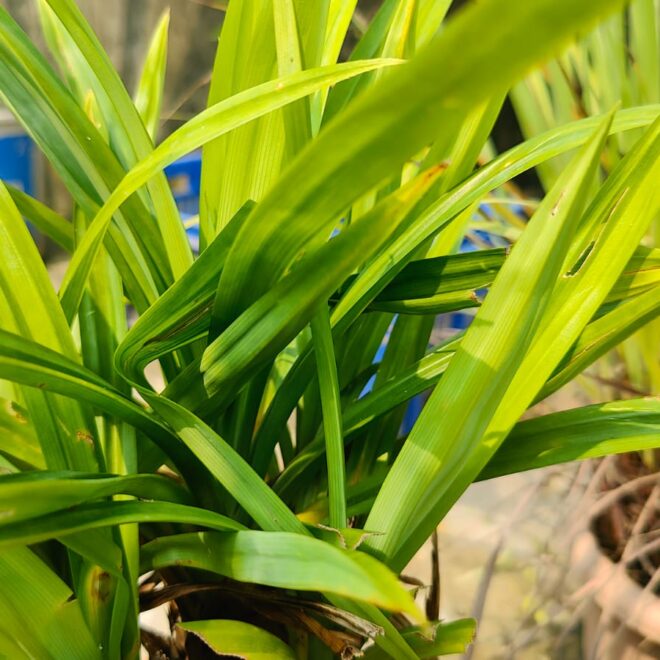
Pandan is a tropical plant with long, narrow, bright green leaves that look kind of like a stretched out lily. It grows in clumps and doesn’t have a strong stem, so it almost behaves like a ground cover or a low shrub.
And the fragrance? Unmistakable. Sweet, grassy, and kind of nutty. Southeast Asians often call it the “vanilla of the East” but that’s honestly selling it short.
Quick Note: This is not the same as the larger pandanus trees used for weaving mats in the Pacific Islands. Pandanus amaryllifolius is the fragrant one used in cooking.
Why People Love Pandan
Let me tell you a story.
A few years ago, my friend Asha in Dhaka had trouble with ants in her kitchen. No matter what she did, boric acid, vinegar, chemical sprays, they kept coming back. Then her grandmother visited from Chittagong and casually tucked a few pandan leaves into the corners of the cupboards.
Within days, the ants vanished.
That’s pandan for you. It’s natural, harmless to humans, and yet pests seem to hate it. But its usefulness doesn’t stop there.
1. Culinary Charm
In countries like Thailand, Indonesia, Malaysia, and the Philippines, pandan is a must have kitchen ingredient.
- Desserts – Think pandan chiffon cake, sweet sticky rice, custards
- Drinks – Pandan infused coconut water, milk tea, or even lemonade
- Rice & curries – A knotted pandan leaf added to rice or curry boosts the aroma without overpowering the dish
“Pandan flavored rice reminds me of home,” says Niken, an Indonesian home cook I met in a Facebook gardening group. “It’s what my mom made every Friday before the weekend prayers.”
2. Natural Air Freshener
Hang a few fresh pandan leaves in your car or closet. Within hours, you’ll notice the smell: soft, soothing, and earthy. Unlike artificial fresheners, pandan doesn’t just cover odors, it makes a space feel clean and calming.
3. Insect Repelling Magic
As I mentioned earlier, ants, roaches, and some bugs steer clear of pandan. It’s not scientifically bulletproof, but many Asian households swear by it.
Note: Researchers have found that compounds like 2 acetyl 1 pyrroline, the same one that gives pandan its aroma, have insect repelling effects (Gao et al., 2010).
4. Garden Beauty
Pandan adds a tropical look to your home garden. Its bright green blades and clumping habit make it a great filler plant or potted accent on a balcony.

Where Does Pandan Grow?
Pandan loves warm, humid climates, think Bangladesh, southern India, Thailand, Indonesia, or the Philippines. But it can also thrive indoors in cooler places if given:
- A sunny window morning sun is ideal
- Regular watering but not soggy
- Humid air mist it in dry weather
If you’re in a colder region, grow it in pots and bring it inside during winter. It’s not frost tolerant.
Growing Pandan at Home: Is It Hard?
Not really! In fact, it’s one of the easiest plants I’ve grown. You don’t even need seeds—just get a sucker or small shoot from an existing plant.
Here’s what worked for me:
- Soil: Rich, well drained soil with some compost
- Water: Keep it moist but not soggy
- Fertilizer: A little organic liquid fertilizer every 2 weeks works wonders
- Container: If in a pot, choose one with drainage holes they hate wet feet
Within months, you’ll get new shoots that you can divide and replant. It’s like nature’s gift that keeps on giving.
What’s in Pandan?
Pandan leaves are packed with volatile compounds, things that give it smell, taste, and health benefits.
- 2 acetyl 1 pyrroline – same as in basmati rice, gives that roasted nut aroma
- Essential oils – some with mild antimicrobial and insect repelling properties
- Chlorophyll – that bright green pigment linked to antioxidant activity
There’s even some early research exploring its antioxidant and anti inflammatory effects (Sharifi Rad et al., 2017). That said, pandan is mostly used as a flavoring—not as medicine.
2. Choosing the Right Spot for Pandan Planting: Sun, Shade, and Sass
Growing pandan (Pandanus amaryllifolius) is a bit like getting to know a picky but lovable houseguest. It doesn’t ask for much, but get the environment wrong, and it won’t let you forget it.
Partial Sun, Please — Not a Tantrum
Pandan is a tropical plant, but surprisingly, it’s not a full sun lover like some of its plant cousins. It thrives best in partial sunlight, roughly 4 to 6 hours a day.
Let me tell you a quick story.
My uncle once planted pandan right beside his papaya tree in full afternoon sun in Rajshahi. Within two weeks, the pandan leaves turned yellow at the tips and looked as tired as someone after a Dhaka city commute in summer. He had to replant it in a shadier spot, and it bounced back like it just got back from vacation.
Lesson? Direct, harsh sunlight all day will stress pandan out. Think of it like a morning yoga session in the sun, followed by shade and cool rest.
Moist, Well Draining Soil – Like a Spa, Not a Swamp
If the soil feels sticky and heavy like clay after rain, pandan roots might suffocate. They love moisture, yes, but not waterlogging. You want soil that feels like a wrung out sponge, moist but breathable.
Try this:
- Mix loamy garden soil with compost and a bit of coarse sand or coconut coir.
- Make sure the spot has good drainage, especially during monsoon months.
One of my friends in Sylhet planted pandan in a low lying area. It did fine in the dry season, but during monsoon, the poor plant sat in standing water for days. Within a week, the base started rotting. We had to do a raised bed fix with compost rich soil and the plant recovered beautifully.
Takeaway: Pandan likes its roots damp, not drowning. Water when the top inch of soil feels dry, and avoid pots or beds without drainage holes.
Quick Tips to Test Your Spot
| Test | What to Look For | Why It Matters |
|---|---|---|
| Light Test | 4–6 hours of filtered sunlight | Prevents yellowing or burning leaves |
| Soil Touch | Moist, not soggy | Avoids root rot and fungal diseases |
| Puddle Test | No puddle after 30 mins of rain | Confirms good drainage |
| Feel Factor | Loamy and crumbly, not sticky | Supports healthy root development |
Bonus: Indoor Pandan Lovers
Don’t have a garden? No worries. Pandan also does well in large pots or containers:
- Use a 12 inch pot with a saucer.
- Place it near an east facing window.
- Rotate weekly for even leaf growth.
- Mist it occasionally if your room has dry air.
Research Backed Care Notes
Humidity & drainage: The Thai Agricultural Research Journal also notes that pandan roots benefit from high humidity but deteriorate in compacted, non porous soils.
Sunlight needs: Based on observations from the Philippine Journal of Crop Science (2020), pandan grown in partial shade had healthier leaf pigment and higher biomass than those grown in full sun.
Soil moisture: According to Universiti Putra Malaysia, pandan prefers pH neutral to slightly acidic soil and shows root damage if kept in oversaturated environments for more than 48 hours.
3. Pandan Planting: The Basics
If you think growing pandan sounds tricky, don’t worry. It’s actually one of those plants that almost takes care of itself once you get started. I remember when I first tried it, I wasn’t sure what to expect, but it turned out to be easier than I thought.
Step 1: Get a Healthy Cutting or Plant
You don’t have to start from seed. Pandan spreads through cuttings, which makes life easier. If you buy or get a cutting, check if it has roots. If not, don’t sweat it, just place the base in a glass of water on a sunny windowsill. Within about 7 to 14 days, roots will start to pop out. This little trick saved me when I borrowed a cutting from my neighbor’s garden during the rainy season. The water kept the cutting alive while waiting for the soil to dry enough for planting.

Research backs this up: According to Rahman et al. (2018), pandan cuttings root well in water or moist peat soil if kept warm and partially shaded.
Step 2: Pot or Garden Bed?
If you’ve got limited space or just want to keep it easy, planting pandan in a pot is a solid choice. Just make sure the pot has good drainage holes. Pandan doesn’t like to sit in waterlogged soil.
Got garden space? Fantastic. Choose a spot that’s free from weeds and mix in some organic compost. This loosens the soil and gives the plant nutrients. My cousin planted hers directly in the garden, added compost, and within a few months, it turned into a big leafy bunch. She told me, “I didn’t do much except water it regularly, it just took off”
Step 3: Plant and Water
Plant your cutting about 2 inches deep into moist but well draining soil. After planting, give it a good drink of water. Not too much, just enough to keep the soil damp. You don’t want your pandan drowning, but you also don’t want it thirsty.
A good rule of thumb: check the soil every few days and water when the top feels dry. This keeps the roots happy without drowning them.
A Real Life Note:
I once helped a friend start pandan cuttings indoors during a humid monsoon. We left the jars on the kitchen sill where the sun barely peeked through. Even with low light, the cuttings rooted well. After moving them to pots with compost rich soil, they grew into tall, fragrant plants that filled the room with their unique aroma.
4. Caring for Your Pandan Planting Like a Pro
So, your pandan’s growing great, Now comes the care part. Don’t worry, you don’t need a green thumb or a degree in plant science. Just a bit of attention, consistency, and knowing what makes your pandan happy.
Watering: Keep It Moist, Not Messy
Pandan loves water, but don’t turn its pot into a swamp. Think of it as the “Goldilocks plant” when it comes to hydration, not too dry, not soggy. Just that perfect in between.
What works best?
Water the soil when the top inch feels dry. During hot months, this could be every 2–3 days. In cooler seasons, once a week might be enough. If your pandan lives in a pot, make sure it has proper drainage so water doesn’t get stuck at the bottom.
Real life tip from my cousin:
“We had one pandan plant on the porch that looked okay until one day it started drooping like a wet towel. I thought it was dying. Turns out, it was bone dry! Gave it a deep soak, and two days later, boom, back to life. That plant’s dramatic, but it taught me to check the soil with my finger”
Research Insight:
According to Aziz et al. (2021), pandan (Pandanus amaryllifolius) prefers moist, loamy soil with regular watering. Prolonged drought stress can reduce leaf size and aroma, especially in potted environments.
Fertilizing: Feed It Like You Mean It
You don’t need anything fancy. A basic organic liquid fertilizer or well rotted compost every 2–3 weeks during the growing season (spring to fall) is enough. If your plant’s leaves are looking pale or growth slows down, it’s probably craving nutrients.
Why it matters:
Just like people need food to stay energized, pandan plants need nutrients to produce those fragrant leaves we all love in cooking.
True story:
When I first planted pandan, I didn’t feed it anything for months. It grew, but slowly, like it was on vacation. One day, I added a homemade compost tea (banana peel + water = magic), and within two weeks, it looked greener and more alive.
Scientific Backing:
A study by Noraini et al. (2019) found that nitrogen rich organic fertilizers improved both leaf number and essential oil content in Pandanus amaryllifolius, so yes, feeding makes a difference in both growth and fragrance.
Pruning
Pruning is less about being fancy and more about keeping things tidy. As pandan matures, older leaves near the base turn yellow or brown. Don’t panic, it’s normal.

What to do:
Just snip off the yellowing leaves near the base with clean scissors or shears. This helps airflow and encourages new growth.
Bonus tip:
Those trimmed leaves? Don’t toss them! Use them in rice, desserts, or even tea. One friend of mine stores the pruned leaves in the freezer in a ziplock bag and uses them like vanilla, one leaf per dish. “It’s like perfume for your food,” she says.
Backed by research:
Pruning not only improves airflow but can reduce the risk of fungal diseases in thick leafed tropical plants (Singh et al., 2020).
A Real Life Pandan Success Story
Nusrat, a home cook from Chittagong, started with a single pandan cutting she rooted in a glass jar. She admits she overwatered it at first: “I was so excited, I think I drowned the poor thing,” she laughed. After moving it into a terracotta pot with compost and adding crushed eggshells monthly, the plant rebounded. Now she has three big plants—one in the kitchen, one outside, and one she gave to her mother in law.
What’s her secret?
“Talk to it, don’t flood it, and feed it something natural now and then.”
5. Pandan Problems: What Could Go Wrong?
So, you’ve got a pandan plant. It’s green, smells like heaven, and brings that lovely tropical vibe to your kitchen garden. But one day, you notice the leaves turning yellow… or it just sits there, doing nothing, for weeks. Maybe even months. You start thinking, “Did I do something wrong?”
Don’t worry, you’re not alone. Pandan (Pandanus amaryllifolius) might look like an easygoing plant, but it has its own set of moods. I’ve dealt with pandan on both balconies and in garden beds, and over the years, I’ve picked up a few hard earned lessons.
Let’s break down the most common pandan problems, one by one, with real stories, research backed advice, and some honest gardener confessions along the way.
Yellow Leaves:

What It Looks Like:
The tips or entire leaves turn yellow, sometimes crispy, sometimes soft. You might see it on the bottom leaves first.
What’s Likely Happening:
Nine out of ten times, yellow leaves are about overwatering or nutrient deficiencies. Pandan roots like moisture, but not wet, soggy soil. If they’re drowning, they stop feeding the plant properly, and the leaves go yellow.
Sometimes, it’s not water but a lack of food, especially nitrogen. Pandan is a leafy plant, and leaves love nitrogen.
Real Life Example:
I once helped a friend in Chattogram who kept her pandan on the windowsill in her kitchen. She watered it daily like clockwork. At first, it loved the attention, but after a couple of weeks, the bottom leaves started yellowing. Turned out, the pot had no drainage hole. The roots were sitting in a puddle.
She switched to a terracotta pot with good drainage, let the topsoil dry between waterings, and gave it a dose of liquid seaweed fertilizer. Within three weeks, new leaves were back, and the yellowing stopped.
What to Do:
- Check for soggy soil and root rot.
- Let the top 1–2 inches of soil dry before watering again.
- Add a light organic fertilizer monthly.
- Trim yellow leaves with clean scissors to redirect energy.
Research Note:
According to a study by the University of the Philippines Los Baños, pandan prefers well draining loamy soil with a pH between 5.5 and 7.0. They recommend monthly fertilization during the growing season. slightly needy roommate, give it what it wants, and it’ll thrive.
Slow Growth: It’s Not Lazy, Just Cold
What It Looks Like:
You’ve had your pandan for a while… and it hasn’t grown. No new shoots, no tall leaves, no nothing.
Why This Happens:
Pandan loves warmth and humidity. If the temperature drops below 18°C (around 65°F), the plant simply goes into standby mode. It won’t die, but it’ll stop growing. It also hates drafts, from windows, AC vents, or strong breezes.

Real Life Story:
In 2022, during winter in Dhaka, I brought my pandan indoors and placed it near the living room window. I thought I was being smart but the window let in cold air at night, and the plant completely stalled. No new growth for two months.
When I finally moved it to the warmer kitchen corner next to the stove where steam kept the air humid it began to grow again. Slowly at first, but surely.
What to Do:
- Keep pandan above 20°C if you can.
- Avoid drafty spots or cold tile floors.
- A warm, humid spot near a window works best.
- Mist the leaves occasionally or keep a bowl of water nearby for humidity.
Research Note:
Tropical plants like pandan come from Southeast Asia where daily temperatures rarely fall below 24°C. A 2021 horticultural study in Malaysia noted that pandan growth rates decline significantly in cooler microclimates.
Pests: The Unexpected Freeloaders
What It Looks Like:
White fuzzy stuff? Sticky leaves? Tiny webs? Then you’ve got pests, maybe mealybugs, aphids, or spider mites.
Why This Happens:
Pests usually pop up when the plant is already stressed, dry air, overwatering, poor airflow, or lack of sunlight. It’s like an open invitation for bugs.
Real Life Story:
I gave a pandan cutting to a cousin in Sylhet who kept it on her bookshelf. Yes, her bookshelf. Near zero sunlight. Within weeks, she noticed small white bugs clustered in the leaf folds.
We gently washed the plant under lukewarm water, then sprayed it with a homemade neem oil mix (5ml neem oil + 2 drops mild soap + 1 liter water). Within days, the bugs were gone, and the plant perked up once moved to a bright balcony.
What to Do:
- Isolate the plant to prevent spread.
- Wipe leaves with a damp cloth.
- Spray with neem oil + soap every 3 days for a week.
- Improve light and airflow.
Research Note:
According to Green Bangladesh Monthly, neem oil is a highly effective natural pesticide against common houseplant pests, especially when used early.
Brown Tips: That Dry Look
What It Looks Like:
Tips of the leaves turning brown and crispy, even though the rest of the plant seems okay.
Why This Happens:
Dry indoor air, inconsistent watering, or fertilizer burn. Pandan prefers humidity, and sudden dry air like from heaters or dry seasons—can cause browning. Also, using strong chemical fertilizers can burn the tips.

Real Life Experience:
This happened to me during an unusually dry season. I had the plant next to a fan. The soil was fine, watering was on point but those brown tips kept showing up. I placed a small tray of water under the plant not touching the roots, just for air moisture, and within a couple of weeks, the problem stopped.
What to Do:
- Mist the plant lightly, once or twice a week.
- Move it away from direct fan or heater airflow.
- Switch to gentler organic fertilizers like vermicompost or compost tea.
One Final Truth: Pandan Is Like a Picky Roommate
If I had to sum it up, I’d say this: Pandan doesn’t scream for help, but it does sulk. It wants what it wants: warm feet, regular meals, a little misting love, and no soggy shoes.
But once you tune into the rhythm of pandan planting, it’ll reward you with fragrant, lush leaves perfect for cooking and teas.
6. Harvesting Pandan: When and How to Pick Those Leaves

You’ll know your pandan is ready to harvest when the leaves are about 12-15 inches long. To harvest:
- Snip the older, outer leaves close to the base.
- Use immediately for cooking, or freeze them for later.
Bonus Fun: Pluck a leaf and give it a sniff. If your kitchen doesn’t smell like a tropical paradise afterward, is it even pandan?
7. Cooking with Pandan: Flavors that Wow
Once you’ve harvested your pandan leaves, the fun begins! Here are a few ideas:
- Pandan Rice:

Toss a leaf into your rice cooker for an aromatic twist.
- Pandan Tea:

Boil leaves for a calming, fragrant tea.
- Desserts:


From cakes to puddings, pandan adds a unique flavor and vibrant green color.
Pro Tip: Pandan also makes an excellent natural air freshener. Hang a few leaves in your home and say goodbye to boring air fresheners!
8. Pandan and Sustainability: Why Growing Your Own Matters
Growing pandan at home isn’t just about delicious food and pest free kitchens—it’s also eco friendly. Say goodbye to plastic wrapped herbs and hello to fresh, homegrown leaves.
Plant more pandan, save the planet.
9. Fun Facts About Pandan: Did You Know?
- Because of its distinct flavor, pandan is referred to as the “vanilla of the East”
- Pandan is thought to fend off ill spirits in various cultures.
- It’s used as a natural dye for desserts like pandan cakes.
Pandan Planting at a Glance
| Topic | Quick Tips & Insights |
|---|---|
| Scientific Name | Pandanus amaryllifolius |
| Common Names | Pandan, Screw Pine, Daun Pandan, Rampe (Sri Lanka) |
| Growing Style | Best from offshoots or cuttings—not usually grown from seeds |
| Sunlight | Partial sunlight (4–6 hrs/day). Avoid harsh afternoon sun |
| Soil Type | Loose, loamy soil with compost + sand or coconut coir. Must drain well |
| Watering | Water when top inch of soil feels dry. Keep moist but not soggy |
| Temperature | Warm (above 18–20°C). Dislikes cold, frost, or drafty spots |
| Humidity | Loves humidity. Mist leaves if indoor air is dry |
| Fertilizer | Light organic compost or liquid feed every 2–3 weeks during growing season |
| Propagation | Separate side shoots (suckers) and root in water or moist soil |
| Common Problems | Yellow leaves (overwatering or lack of nutrients), brown tips (dry air or fertilizer burn) |
| Harvest Time | When leaves are 12–15 inches long. Cut outer leaves close to base |
| Pest Issues | Rare, but can get mealybugs or spider mites—treat with neem spray |
| Best Uses | Flavoring rice, tea, desserts, air freshener, natural insect repellent |
| Indoor Friendly? | Yes—just needs light, warmth, and occasional misting |
| Fun Fact | Known as the “Vanilla of the East” due to its rich fragrance |
Conclusion: Why Pandan is the Perfect Plant for Everyone
Pandan planting is the gift that keeps on giving: easy to grow, delightful to cook with, and stunning in your garden. Whether you’re a newbie gardener or a seasoned pro, pandan will quickly become your favorite leafy companion.
So, grab a cutting, get planting, and let the pandan vibes take over your life. Your taste buds and garden will appreciate it.
References:
- Gao et al., 2010 – Aroma and insect repelling compounds in pandan
- Philippine Journal of Crop Science, 2020
- Rahman et al., 2018 – Pandan rooting studies
- Noraini et al., 2019 – Organic fertilizer effects on pandan
- Thai Agricultural Research Journal, 2021
FAQ: Pandan Planting — Real Questions, Real Answers
Yes, you can, I’ve seen pandan grow beautifully in plastic tubs, clay pots, and even old paint buckets. Just make sure your container has holes at the bottom for drainage, and place it where it gets a bit of sun every day like a sunny balcony or near a kitchen window.
Yellow leaves usually mean two things: too much water or not enough food. Feel the soil , if it’s wet all the time, ease off the watering. Also, a spoonful of compost or a little bit of liquid fertilizer once a month can bring the green back.
Not really. Pandan likes sunlight, but not harsh afternoon heat. Morning sun or filtered light works best. Too much sun can burn the leaf tips, especially in hot places. I keep mine under a bamboo shade, and it’s happy there.
Don’t stick to a schedule, just check the soil. If the top inch feels dry, it’s time to water. In summer, it might need water every couple of days. In winter, once a week might be enough. Pandan likes moisture, but not soggy roots.
Honestly, pandan seeds are super rare and hard to find. Most people grow pandan from shoots or offshoots that grow at the base of an older plant. If you get one with roots already, even better it’ll take off faster.
If it’s not dying, that’s already a good sign! Pandan slows down in cold weather or when it’s adjusting to a new place. Make sure it’s warm enough, give it a little food, and be patient. It’ll perk up when it’s ready.

Thesis Link : https://saulibrary.edu.bd/daatj/public/uploads/BAU200601_19-Pp_5.pdf
- 10 Best Hori Hori Knives for Digging, Weeding and Planting - October 23, 2026
- How to Kill Crabgrass and Keep It From Coming Back - October 22, 2026
- Lawn Fertilizer Schedule by Grass Type - October 21, 2026