Sugar Beet Cultivation: 7 Proven High-Yield Tips (2026)
So, you’re thinking about Sugar Beet Cultivation ? Maybe you’ve seen those rich, ruby colored veggies on Instagram or enjoyed them in a salad and thought, “I could totally grow these in my backyard” Well, good news: beets are among the most forgiving vegetables for beginners. They’re tough, resilient, and, dare we say it, beet-iful .
In this guide, we’ll take you step by step through the sugar beet cultivation process, from choosing the right variety to finally harvesting those gorgeous roots. By the end, you’ll be ready to get your hands dirty and your dinner plate looking pretty.
Why Sugar Beet Cultivation?
Sugar beets (Beta vulgaris) aren’t your average garden beets. While table beets come in red, golden, or striped varieties and are grown for their roots and greens, sugar beets are bred for one thing: sugar.
They contain about 16-20% sucrose, which can be extracted and refined into granulated sugar. In fact, sugar beets account for over 30% of the world’s sugar production, especially in temperate regions — one big reason sugar beet cultivation keeps growing in popularity with small farmers.
Quick Facts:
- One hectare of sugar beet can produce up to 10 tons of sugar.
- They grow best in cool climates with adequate moisture.
Research Insight: According to the International Sugar Organization (ISO), sugar beets are more water efficient than sugarcane, making them ideal for farmers in drier climates like Central Asia and certain parts of Europe.
Nutritional Bonus: Beet greens are packed with vitamins A and K, and the roots contain folate, fiber, and manganese. [Source: USDA National Nutrient Database]
And personally? I love sugar beet cultivation because the plants are low maintenance and feel like a bit of magic, turning everyday soil into something sweet.
Choosing Your Beet Varieties for Sugar Beet Cultivation
Beets come in all sorts of colors and sizes. While the classic beet is that dark, deep red, you can also find golden beets, white beets, and even striped varieties like Chioggia .
Here’s a quick breakdown:
Red Beets

The classic beetroot, perfect for juicing and salads.
Golden Beets

Less earthy in flavor, sweeter, and won’t stain your hands.
Chioggia Beets

The Instagram star of beets. Red and white rings make them a feast for the eyes.
White Beets

Sweeter and milder in taste; great for people who think they don’t like beets.
There are different types of beets, but for sugar production or high sucrose content, you’ll want true sugar beet varieties.
Pro Tip from My Neighbor Rahul:
“I tried regular table beets the first year and was disappointed by the sugar content. Sugar beet seeds gave me almost double the sweetness. Totally worth the extra hunt for proper seeds.”
You can find sugar beet seeds at specialty agricultural suppliers or order them online. Just make sure the label says “for sugar production.”
Sugar Beet Cultivation: Soil and Location
Now that you’ve picked your variety, let’s talk dirt. Beets are not picky eaters but do best in well drained, loose soil that’s rich in organic matter. Sandy loam soil is ideal, but if you don’t have that, just make sure your soil is fluffy enough for the roots to expand.
For successful sugar beet cultivation, give plants full sun and loose, well-draining soil. Think loam or sandy loam. Heavy clay is a big no-no unless it’s heavily amended.
Prep the Soil:
- Before planting, loosen the soil to about 12 inches deep. Remove any rocks or debris because beets are delicate souls and don’t want anything cramping their style.
- pH Levels: Beets prefer a slightly acidic to neutral soil with a pH of around 6.0-7.5. No need for a chemistry degree here; you can grab a pH testing kit online or at your local garden center.
- Sunlight: Beets like it sunny but not scorching. A location with full sun to partial shade will make your beets happy.

Research Backing: According to the University of Nebraska Extension, soil with good drainage and neutral pH significantly increases root yield and sugar content.
Real Life Tip: Last winter, I made the mistake of sowing seeds in a part of my yard that used to be a parking spot. Bad idea. Compacted soil = stunted beets. Lesson learned.
Sowing the Seeds for Sugar Beet Cultivation

Certified Seeds
- Use certified sugar beet seeds resistant to Rhizomania, Cercospora Leaf Spot, and Rhizoctonia Root Rot.
- Recommended Varieties:
- “BTS 875” (USA)
- “Isabella” (Europe)
Planting Schedule
- Temperate regions: Late March to early May.
- Spacing:
- Row spacing: 50 cm.
- Plant spacing: 20-25 cm within the row.
- Seeding Rate: 4-5 kg/ha.
Seedbed Preparation
- Deep ploughing (20-25 cm depth).
- Two cross harrowings for a fine tilth.
- Pre-plant irrigation if soil is dry.
Reference: European Journal of Agronomy, 2020.
Tip: Beets grow faster in cooler weather, so if you’re in a hot climate, plant in early spring or fall for the best results.
Sugar Beet Cultivation: Watering and Feeding
In sugar beet cultivation, plants aren’t thirsty divas, but they do like consistency.
- Water deeply once or twice a week, depending on your weather. The goal is moist, not soggy soil.
- Avoid overwatering as it can reduce sugar concentration.
- Use a low nitrogen, high phosphorus fertilizer to encourage root growth. Compost tea every 3–4 weeks works wonders too.
Research Note: Overuse of nitrogen causes leafy growth at the expense of root size and sugar content. [Source: Journal of Agronomy and Crop Science, 2017]
My Mistake: I overfed with chicken manure once. My plants were leafy giants, but the roots were disappointing.
Fertilizer Management
| Nutrient | Quantity per Hectare | Application Stage |
|---|---|---|
| Nitrogen (N) | 100-120 kg | 50% at sowing, 50% at 4 leaf stage |
| Phosphorus (P) | 60 kg P2O5 | Basal application |
| Potassium (K) | 80 kg K2O | Basal application |
- Micronutrients: Boron and magnesium deficiency can lead to reduced yields.
Study: Journal of Plant Nutrition, 2019.
Thinning Seedlings in Sugar Beet Cultivation

Remember those “clusters” of seeds? That means you’ll probably end up with a little beet jungle. Don’t worry, you’re not a bad gardener! You’ll just need to do some thinning — a routine part of sugar beet cultivation.
- Timing: Once your seedlings reach about 2 inches tall, thin them out to one beet every 3 inches.
- How To: Snip the extras off at the base rather than pulling them out to avoid disturbing the roots of the remaining beets.
Funny Tip: Think of thinning as playing “Survivor: Garden Edition.” Only the strongest beet seedlings get to stay
Sugar Beet Cultivation: Pests and Disease Management
Pest Management:
Leaf Miners

These guys tunnel through the leaves. Gross, but not usually fatal. Pick off infected leaves if you spot them.
Aphids

Tiny, but mighty . Blast them off with a strong spray of water or use insecticidal soap, use Neem oil spray & ladybird beetles.
Flea Beetles


They chew little holes in the leaves. Floating row covers can help keep these critters at bay.
Research Insight: A study published in the Journal of Agricultural Entomology (2022) found that intercropping sugar beets with onions reduced aphid populations by 40%.
Disease Management
Sugar beets are prone to:
Rhizoctonia root rot
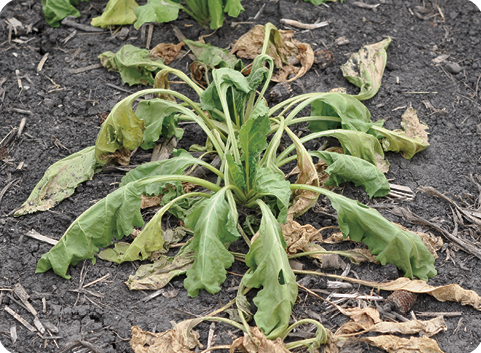
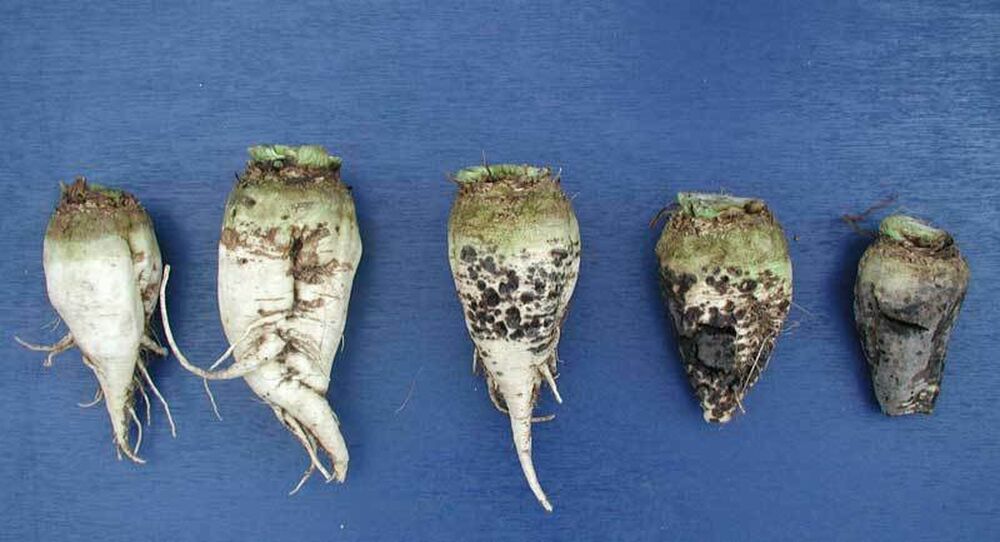
Prevention: Crop rotation with cereals
Powdery mildew
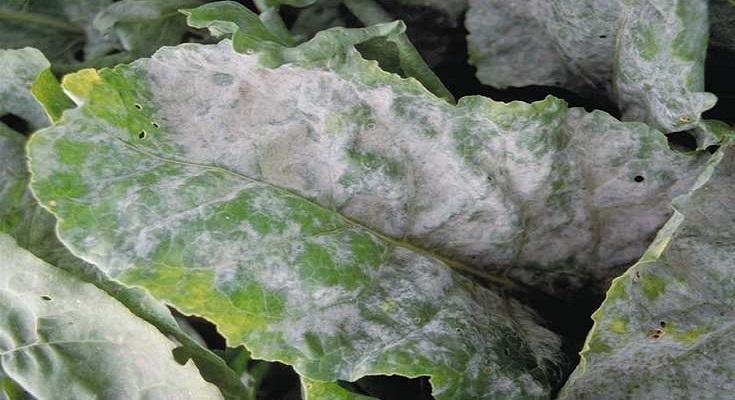
Control: Sulfur based fungicides.
Cercospora leaf spot
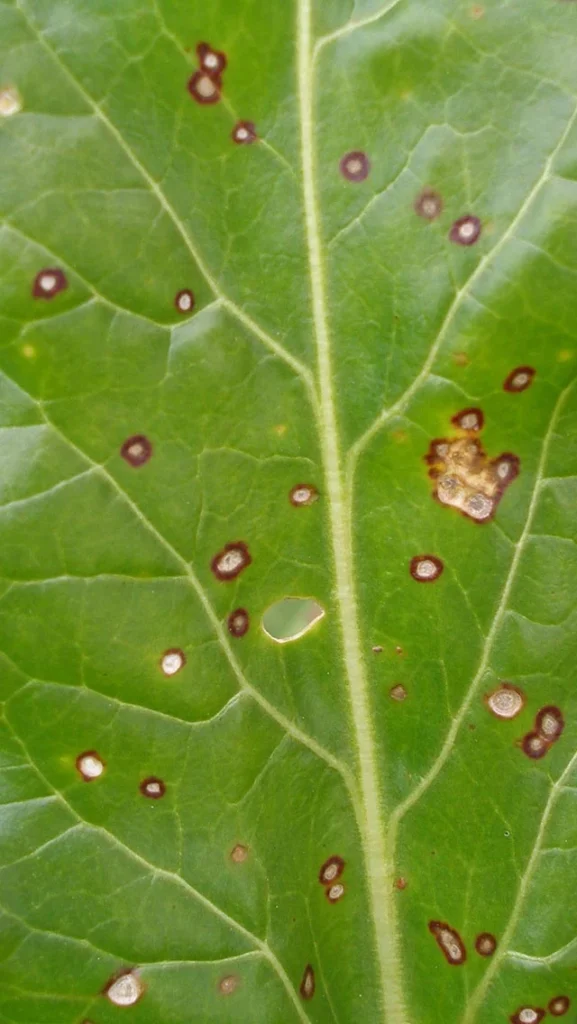
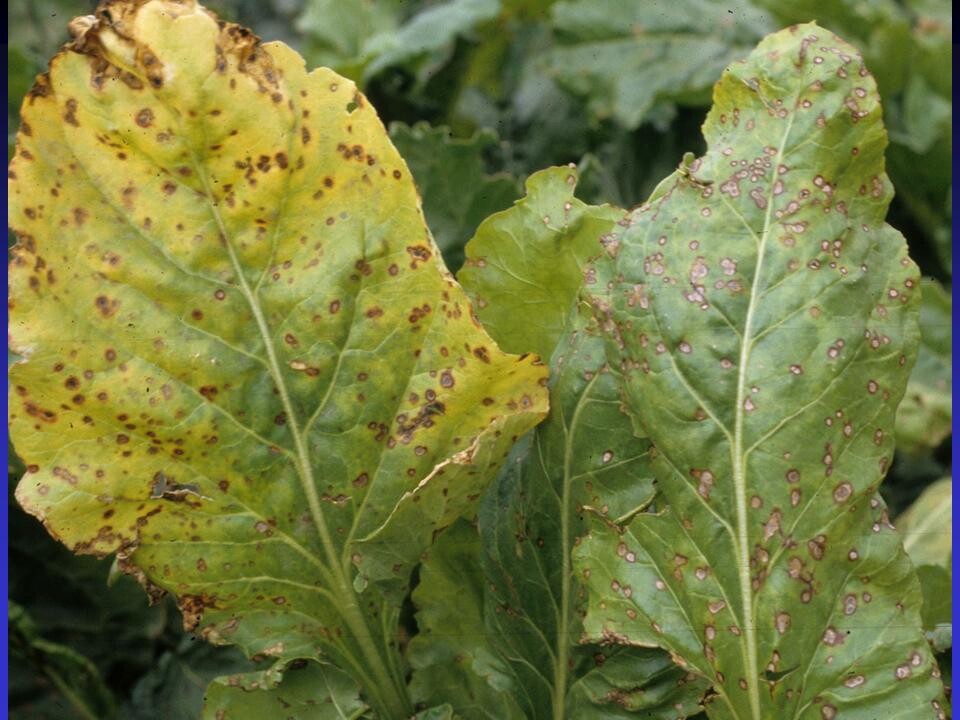
- Symptoms: Small, dark spots with a reddish halo.
- Management: Fungicide sprays (Triazole-based).
Solutions:
- Rotate crops every 3-4 years.
- Avoid overhead watering.
- Use disease-resistant varieties.
- Apply organic fungicides like copper based sprays during high risk periods.
Reference: The British Beet Research Organisation (BBRO) recommends regular scouting and immediate removal of infected plants.
Pro Tip: Rotate your beet patch yearly to reduce disease risk.
Sugar Beet Cultivation: Harvesting Your Beets

When to Harvest:
- 90–120 days after sowing
- Roots should be 3–4 inches in diameter
- Tops will start to yellow—another sign they’re ready
How to Harvest:
- Use a garden fork to loosen soil
- Gently lift by pulling the greens don’t yank too hard
- Brush off dirt—don’t wash if you’re storing
Storage:
- Store unwashed beets in a cool, dark, humid place like a root cellar
- Will last 2–3 months in the right conditions
Pro Tip: Beet greens can be harvested throughout the growing period but don’t take more than 1/3 of the foliage at a time.
Sugar Beet Cultivation: Storage and Usage
Once harvested, store your beets in the fridge. They can last up to 2-3 weeks if kept in a plastic bag to retain moisture. Just don’t forget they’re there—finding a forgotten, shriveled beet at the back of the fridge is no one’s idea of a good time.
As for using your beets, the possibilities are endless! Roast them for a sweet, caramelized flavor, juice them for a bright pink drink, or boil and blend them into soups. You can even use them as a natural food coloring—who needs artificial dyes when you have beets?
Farmer Story: Arif’s Journey from Rice to Beets
Arif, a farmer from Kushtia, was facing declining rice profits. In 2020, he dedicated 2 acres to sugar beet after a workshop by BARI (Bangladesh Agricultural Research Institute). With proper guidance, he harvested over 25 tons and sold the beets to a local sugar processor. He now rotates beets with mung beans and claims it saved his farm income.
Final Thoughts
Sugar beet cultivation is surprisingly satisfying. It’s one of those crops that quietly works hard under the soil, asking for little but giving back so much — sweet roots, nutritious greens, and the pride of making your own sugar.
And remember, gardening isn’t about perfection. It’s about learning, trying again, and celebrating small wins.
References:
- Local Farm Experience: Grown in Zone 9b, early spring season 2024
- USDA National Nutrient Database
- University of Nebraska Extension (2023). “Growing Sugar Beets.”
- Journal of Agronomy and Crop Science (2017). “Nitrogen Balance in Root Crops.”
- Rodale Institute. Organic Growing Guides
- Cornell College of Agriculture and Life Sciences
Frequently Asked Questions (FAQs)
A: It’s possible with deep containers (18 inches or more) and loose, sandy soil. Expect lower yields though.
A: No. Sugar beets are white and have higher sucrose content. Red beets are for eating fresh.
A: Not for small batches. Basic kitchen tools work fine for syrup or partial sugar extraction.
A: Not really. Once you harvest, that’s it. They’re biennials, so they’ll bolt in year two.
A: Yes. Livestock love beet pulp. It’s high in fiber and energy.

Thesis Link : https://saulibrary.edu.bd/daatj/public/uploads/BAU200601_19-Pp_5.pdf
- Fall Lawn Care Checklist – 9 Jobs Before Winter - October 14, 2026
- 10 Best Garden Tool Sets for Beginners - October 13, 2026
- Lawn Mowing Height by Grass Type -The Complete Chart - October 13, 2026