Tomato Pruning Mistakes: A Practical Guide for Healthier Plants
Let me start with a confession. The first time I tried to prune my tomato plants, I went at them like a hairstylist in a rush. I trimmed here, snipped there, and by the end, my once bushy plants looked like sad green sticks. That summer, I got about five tomatoes and they weren’t even juicy. Lesson learned. Learn the most common tomato pruning mistakes and how to avoid them. From over pruning to poor timing, this gardener friendly guide shares expert tips, real stories, and research backed advice for juicier harvests.
If you’re growing tomatoes, chances are you’ve heard that pruning is important. But pruning isn’t just about cutting, it’s about knowing what to cut, when, and why. In this article, we’ll go deep into the biggest tomato pruning mistakes you can make, and how to avoid them. I’ll share real life stories, what the science says, and little tricks I’ve picked up over the years. Ready? Let’s dig in pun intended.
1. Tomato Pruning Mistakes: Going All Edward Scissorhands on Your Plants

The Mistake: Over pruning
Pruning everything in sight is one of the most common mistakes, especially among enthusiastic first timers. It’s easy to think the more you trim, the neater and better the plant. But tomato plants need their leaves for photosynthesis, and taking too many off too quickly stresses them out.
Quick Tip: Only prune enough to increase air circulation and reduce disease risk. Focus on suckers and the lower leaves that touch the soil.
Real Life Story: My neighbor Rafiq once pruned every branch below the first flower cluster, thinking he was helping. His plant turned yellow within a week. It couldn’t handle the stress.
Scientific Backing: According to the University of California Agriculture & Natural Resources, excessive defoliation reduces yield and weakens the plant’s immune system.
2. Tomato Pruning Mistakes: Pruning at the Wrong Time

The Mistake: Trimming too early or too late
Timing is crucial. Pruning too early stunts growth, while pruning late in the fruiting stage takes away resources.
When to Prune: Wait until the plant is about 12–18 inches tall and has established a few flower clusters.
Real Tip: Always prune during cooler parts of the day, morning or evening.
Research Insight: The Cornell Vegetable Program recommends pruning early in the morning to reduce infection risk and allow cuts to heal quickly.
3. Tomato Pruning Mistakes: Removing All the Suckers

The Mistake: Stripping every single sucker
Those little shoots that grow between the main stem and branches? They’re called suckers. Removing all of them might reduce foliage, but it also limits your plant’s potential.
When to Sucker: For determinate tomatoes those that grow to a fixed size, remove only the bottom suckers. For indeterminate types that grow all season, let some suckers grow into fruiting branches.
Scientific Note: Michigan State University explains that moderate sucker pruning in indeterminate varieties improves airflow and reduces disease without sacrificing yield.
4. Tomato Pruning Mistakes: Using Dirty Tools

The Mistake: Not sterilizing your shears
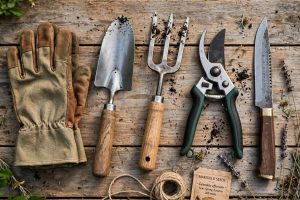
Dirty tools can carry fungal spores and bacterial blight from one plant to another.
Easy Fix: Keep a spray bottle with rubbing alcohol or a bleach solution nearby and clean tools before and after each plant.
Reference: University of Minnesota Extension recommends cleaning garden tools with a 10% bleach solution (1 part bleach, 9 parts water).
Garden Hack: Keep a spray bottle of rubbing alcohol or diluted bleach nearby and give your tools a quick wipe before and after each use. Clean tools, happy tomatoes.
5. Tomato Pruning Mistakes: Pruning Too Close to the Stem

The Mistake: Cutting flush to the stem
Cutting too close can damage the vascular system, affecting water and nutrient movement.
Proper Technique: Leave a tiny stub when pruning a quarter inch is usually enough.
Analogy: Think of it like cutting your fingernails, not too close, or it hurts
Snip Tip: Aim to leave a tiny “stub” instead of cutting flush to the stem. It’s like giving the plant a little breathing room to recover.
6. Tomato Pruning Mistakes: Ignoring Airflow
The Mistake: Letting plants become too dense
Tomato plants need airflow to prevent fungal diseases like early blight.
What to Do: Remove the lower 12 inches of foliage, especially leaves touching the soil.
Expert Opinion: The University of Florida IFAS Extension recommends spacing plants properly and selective pruning to maintain good airflow.
Pruning for Space: Trim the lower leaves, especially ones close to the soil, to prevent dirt splashes and to allow fresh air to flow through the plant.
7. Tomato Pruning Mistakes: Pruning During Wet Conditions
The Mistake: Pruning after rain or irrigation
Wet conditions help spread pathogens. Pruning creates open wounds, making your plant vulnerable.
Solution: Always prune on dry days.
Research Reminder: According to Penn State Extension, dry conditions reduce the likelihood of disease entering the plant through pruning wounds.
Funny Reminder: Think of it like getting a haircut during a rainstorm—not the best choice if you want to avoid a cold. Wait until conditions are dry before you start pruning.
8. Tomato Pruning Mistakes: Not Supporting the Plant After Pruning
The Mistake: Forgetting to tie or cage your plant
Pruning removes excess weight but also shifts balance. Without support, the plant might droop or break.
What to Use: Tomato cages, trellises, or stakes. Tie stems loosely with cloth strips.
Real Life Fix: I use old t-shirts cut into strips, soft, strong, and free.
9. Forgetting to Prune Regularly
The Mistake: Pruning once and calling it done
Tomatoes grow fast. New suckers appear within days.
Weekly Routine: Set a reminder every weekend. Five minutes per plant is usually enough.
Consistency Pays: According to Ohio State University Extension, consistent pruning throughout the season reduces disease and increases harvest size.
The Bigger Picture: Why Prune at All?
Pruning might sound like a chore, but it’s a way to guide your plant’s energy. With the right technique, you’ll have stronger plants, better airflow, and more focused fruiting.
Extra Benefit: Less foliage = easier pest monitoring.
Summary Table: Common Tomato Pruning Mistakes & How to Avoid Them
| Mistake | What It Looks Like | Why It’s a Problem | How to Avoid It |
|---|---|---|---|
| Pruning Too Much at Once | Large sections of the plant are cut off in a single session | Causes stress, reduces photosynthesis, and delays fruit production | Prune gradually—only remove a few leaves or suckers at a time |
| Pruning Determinate Varieties | Cutting side shoots or top growth on bushy tomato plants | Reduces yield—these varieties grow to a set size and fruit once | Don’t prune determinate types beyond dead or diseased leaves |
| Removing Too Many Leaves | Bare stems with exposed fruit or sunburned tomatoes | Leaves protect fruits from sunscald and help with sugar production | Leave enough healthy foliage to shade and nourish the plant |
| Pruning When Wet | Pruning after rain or dew; tools may be wet too | Spreads fungal diseases like blight or leaf spot | Always prune when plants and tools are dry |
| Using Dirty Tools | Rusty, muddy, or unclean shears/scissors | Introduces bacteria, fungi, and viruses into fresh cuts | Sterilize tools with alcohol or bleach before and after pruning |
| Not Removing Suckers on Indeterminate Plants | Crowded, bushy growth in leaf joints (between main stem and branch) | Suckers steal energy from fruit production | Pinch off suckers early when they’re small (2–4 inches) |
| Topping Too Early | Cutting off the top of the main stem before full fruit set | Reduces plant height prematurely and limits harvest | Only top the plant when it reaches final height or season end |
| Ignoring Lower Yellow Leaves | Old, yellow leaves near the base stay on for too long | Harbors pests and diseases, blocks airflow | Remove bottom yellowing leaves to improve airflow and plant health |
| Pruning Without a Plan | Random, uneven cuts across the plant | Leads to uneven growth and reduced productivity | Understand your tomato variety and pruning goal (airflow, shape, yield) first |
Final Thoughts
Pruning is less about precision and more about observation. Walk through your garden with a cup of tea. Look at how your tomatoes grow. Learn their rhythm. Cut here, snip there. But never rush. Your tomatoes will thank you with juicy, sun ripened fruit.
If you’re like me and once butchered a plant or two, take heart every season is a chance to grow, both tomatoes and yourself.
References:
- Ohio State University Extension: Tomato Management Tips
- University of California Agriculture & Natural Resources: Home Vegetable Gardening
- Cornell University Cooperative Extension: Tomato Pruning Guide
- Michigan State University: Managing Tomatoes in Home Gardens
- University of Minnesota Extension: Clean Tools, Healthy Gardens
- University of Florida IFAS Extension: Tomato Growing Practices
- Penn State Extension: Disease Prevention in Tomatoes
FAQs About Tomato Pruning
A: No. Determinate varieties need minimal pruning. Indeterminate varieties benefit from more active pruning throughout the season.
A: Early morning or late afternoon, when it’s cooler.
A: Not always. If airflow is good and the plant looks healthy, light pruning or none at all may work.
A: For small suckers, yes. Just make sure your hands are clean.
A: Don’t panic. Tomatoes are resilient. Just give it water, sunlight, and time.

Thesis Link : https://saulibrary.edu.bd/daatj/public/uploads/BAU200601_19-Pp_5.pdf
- 10 Best Garden Tool Sets for Beginners - October 13, 2026
- Lawn Mowing Height by Grass Type -The Complete Chart - October 13, 2026
- Essential Garden Hand Tools -The Complete Guide - October 13, 2026