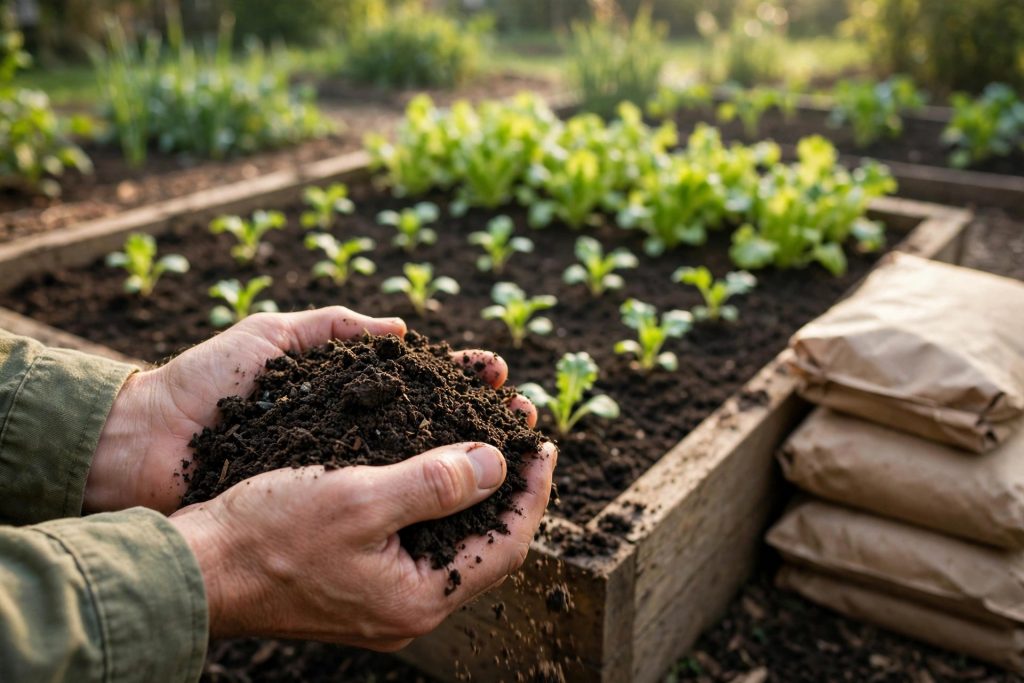

A raised bed is only as good as the soil inside it. The frame defines the growing space and makes the bed easier to manage, but the soil inside determines how well your plants grow. Pick the wrong bag and you get a bed that dries out by noon, sets like concrete after rain, or feeds your tomatoes for three weeks and then gives up. Pick the right one and the same bed will carry heavy feeders all season with very little fuss.
This guide compares ten bagged mixes you can actually buy in the United States, using the specifications the makers publish. The best raised bed soil mix for your garden depends on your bed size, your crops and whether you want a certified organic blend, so we scored each one on the same seven factors and explained the reasoning behind every score. No mix here was tested in our own garden, and the scores are editorial, based on published specifications and owner feedback, not on hands-on trials.
Quick Recommendation
For most vegetable gardeners, Coast of Maine Castine Blend is our top pick, with its compost rich base, lobster and crab shell meal, kelp, biochar and mycorrhizae, all OMRI listed. If you cannot find it locally, FoxFarm Raised Bed Planting Mix is the closest runner up. On a tighter budget, Kellogg Garden Organics Raised Bed and Potting Mix gives you the most volume per bag at 2 cubic feet. For a small herb bed or a patio, Burpee Organic Premium Potting Mix is the right size, even though one bag will never fill a full bed.
The table below compares all ten picks side by side, so you can see at a glance which bagged soil mix fits your bed and your budget.
Comparison Table
| Product | Best For | Type | Bag Size | Our Rating |
|---|---|---|---|---|
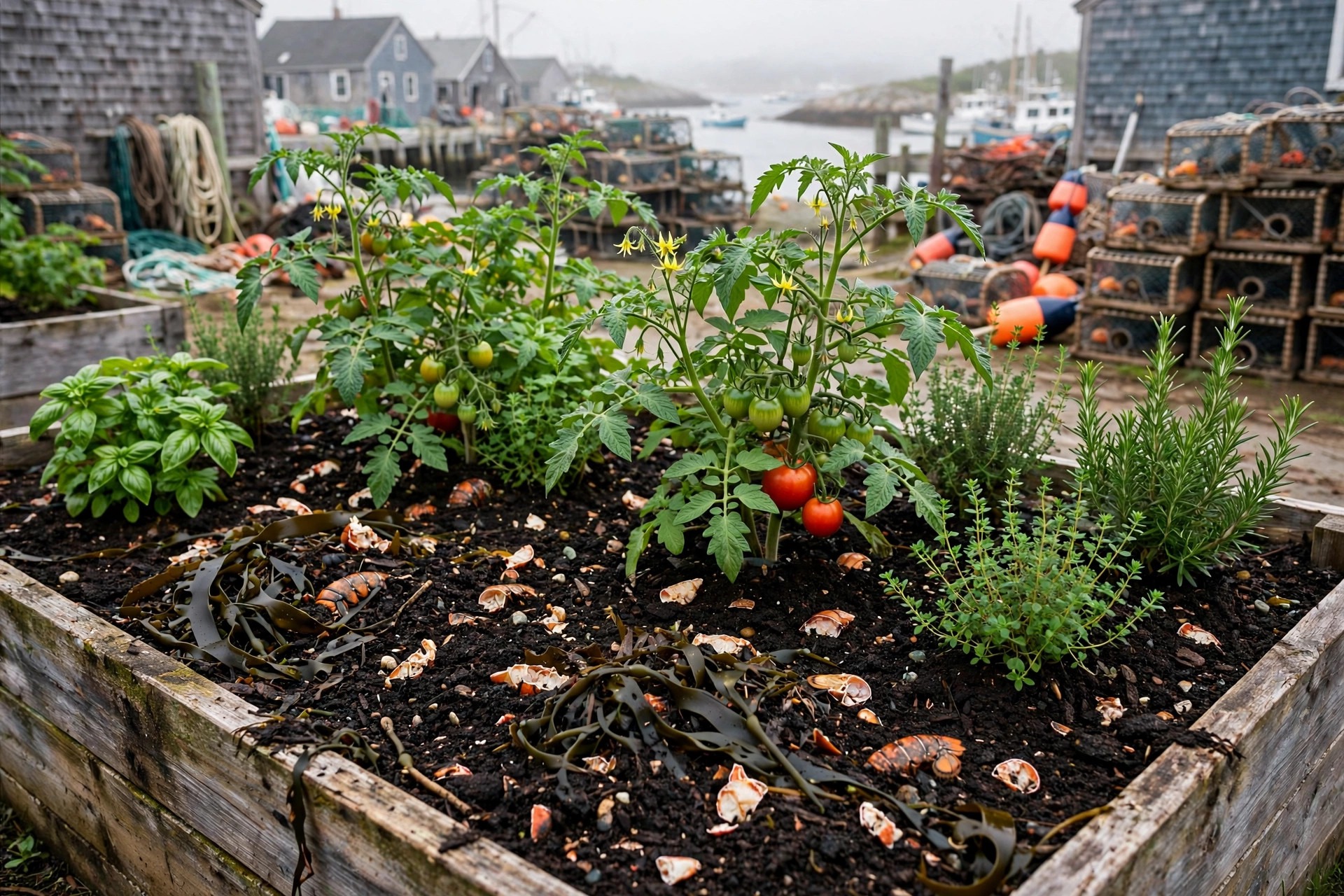 Coast of Maine Castine Blend | Vegetables and herbs, organic growers | Compost based raised bed mix | 1 and 2 cu ft | 9.1/10 |
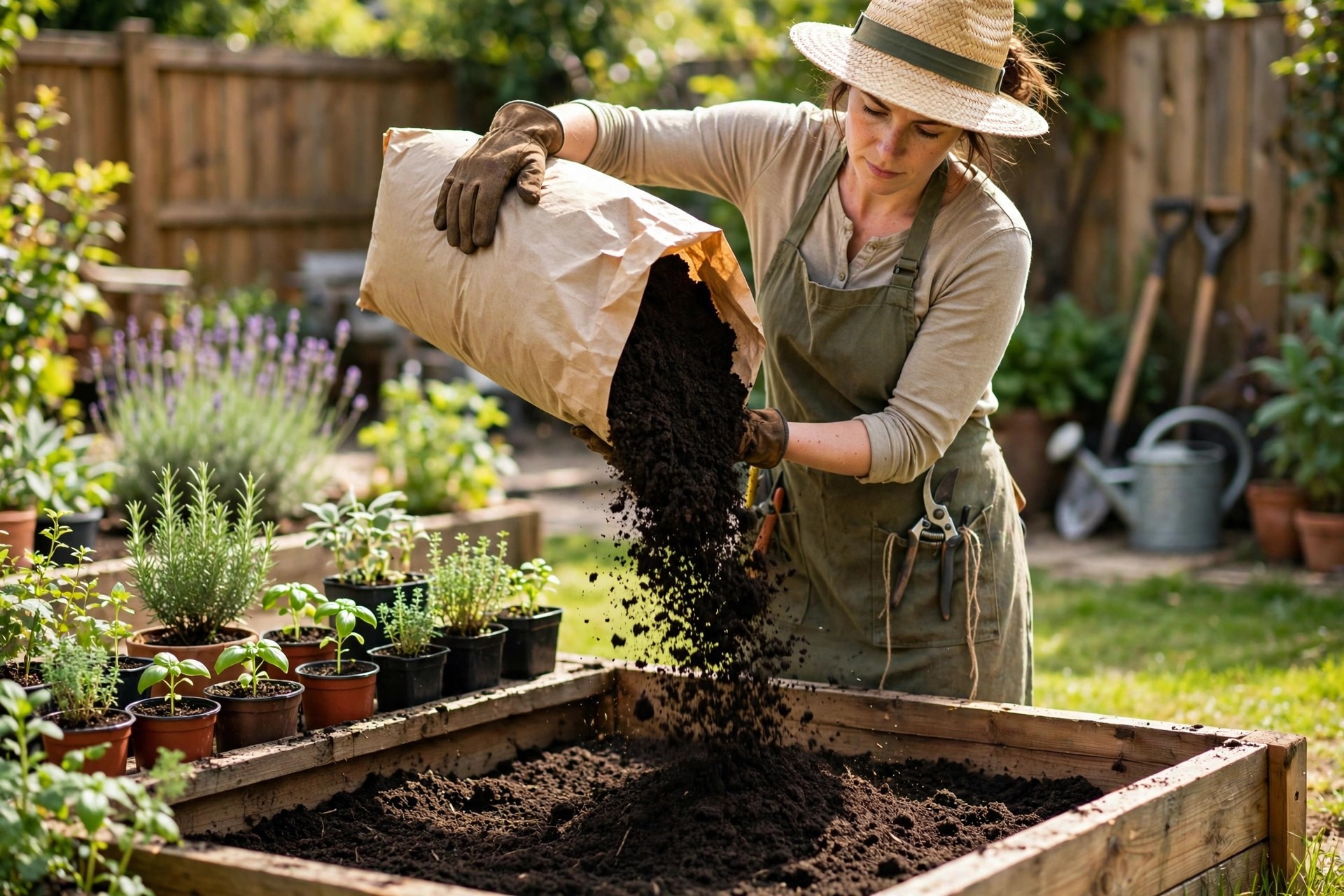 FoxFarm Raised Bed Planting Mix | Mixed vegetable beds | Peat and forest product blend | 1.5 cu ft | 9.0/10 |
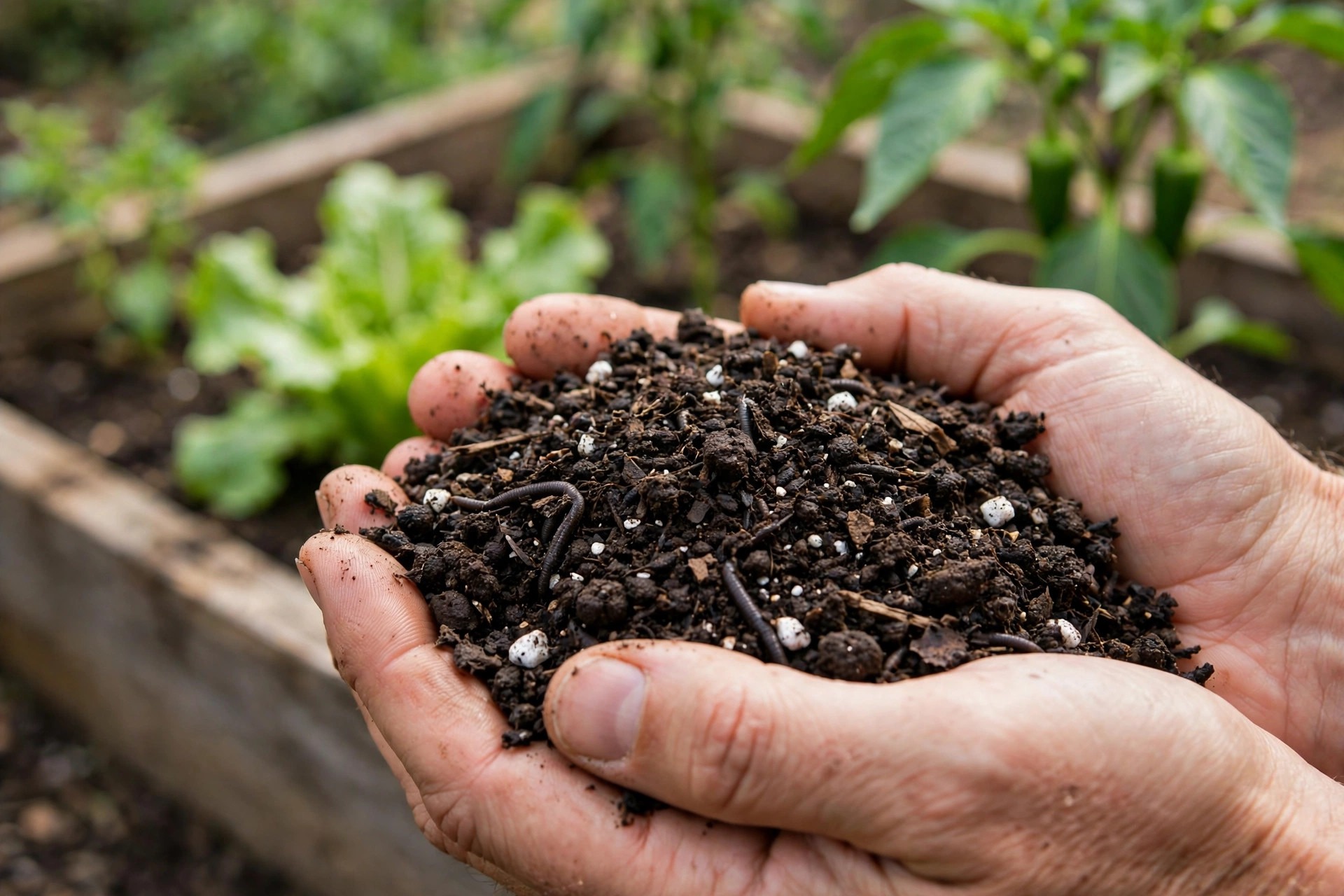 Espoma Organic Raised Bed Mix | Organic vegetable gardens | Aged forest products, peat and perlite blend | 1.5 cu ft | 8.9/10 |
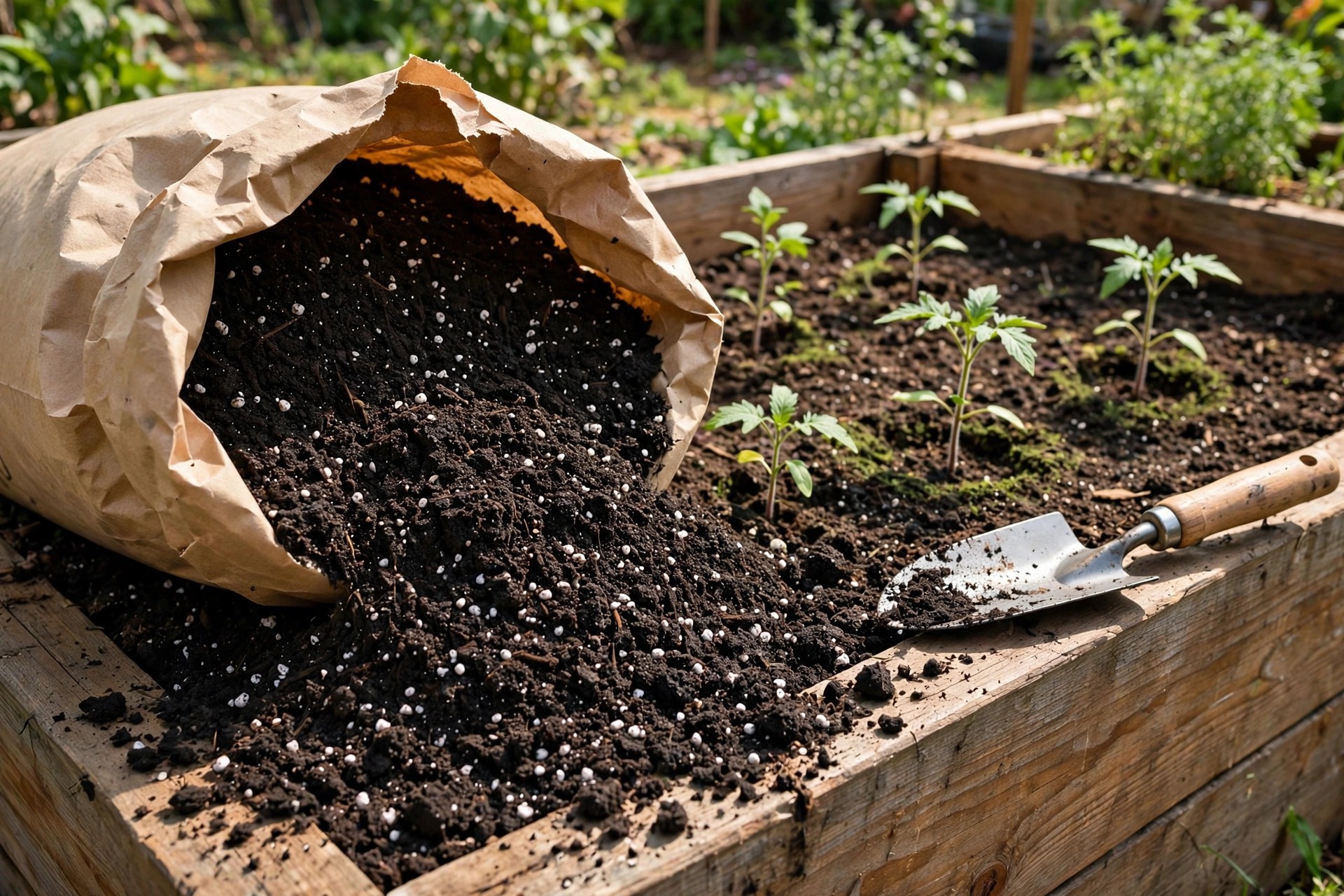 Miracle-Gro Organic Raised Bed Soil | Easy availability, beginners | Peat free organic blend | 1.5 cu ft | 8.8/10 |
 FoxFarm Ocean Forest Potting Soil | Heavy feeders, containers and beds | Peat, forest humus and sandy loam | 1.5 cu ft | 8.8/10 |
 FoxFarm Happy Frog Potting Soil | Transplants and young plants | Peat, forest humus and castings | 2 cu ft | 8.7/10 |
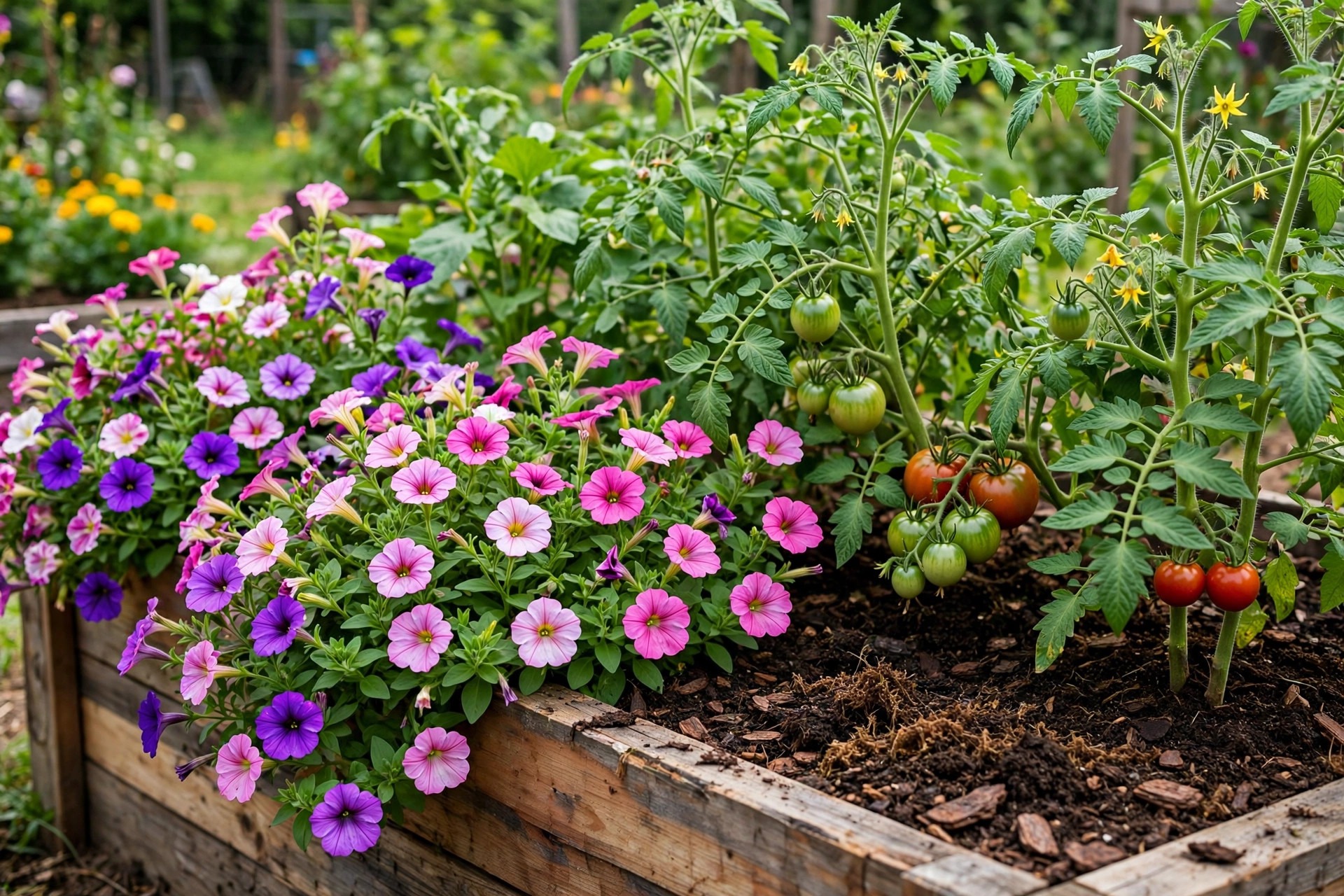 Proven Winners Premium Potting Soil | Mixed flower and vegetable beds | Peat, bark and perlite | 1.5 cu ft | 8.6/10 |
 Kellogg Garden Organics Raised Bed and Potting Mix | Large beds on a budget | Forest product and coir blend | 2 cu ft | 8.5/10 |
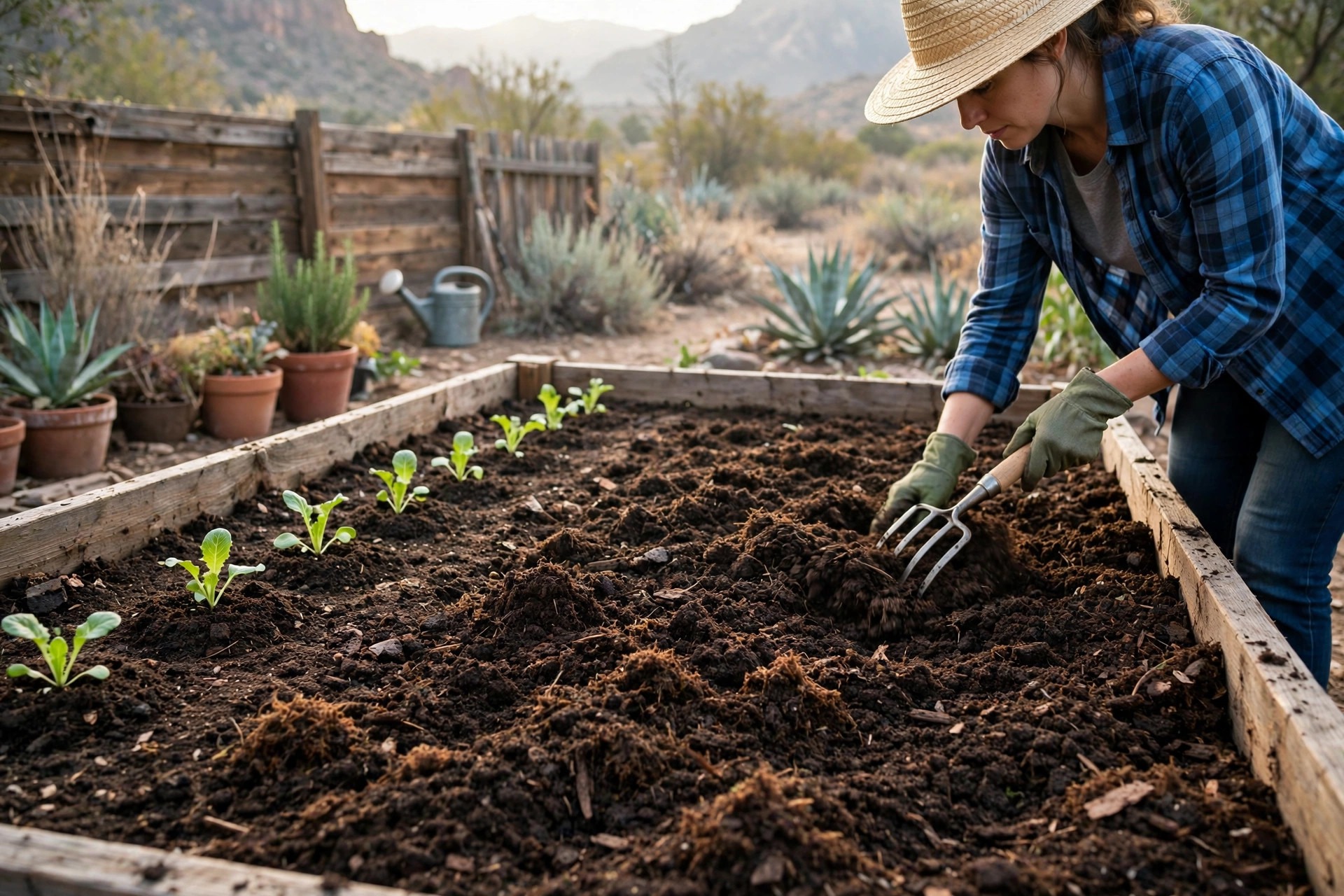 Black Gold Natural and Organic Potting Mix | Western US gardeners | Peat, bark and compost blend | 1.5 cu ft | 8.4/10 |
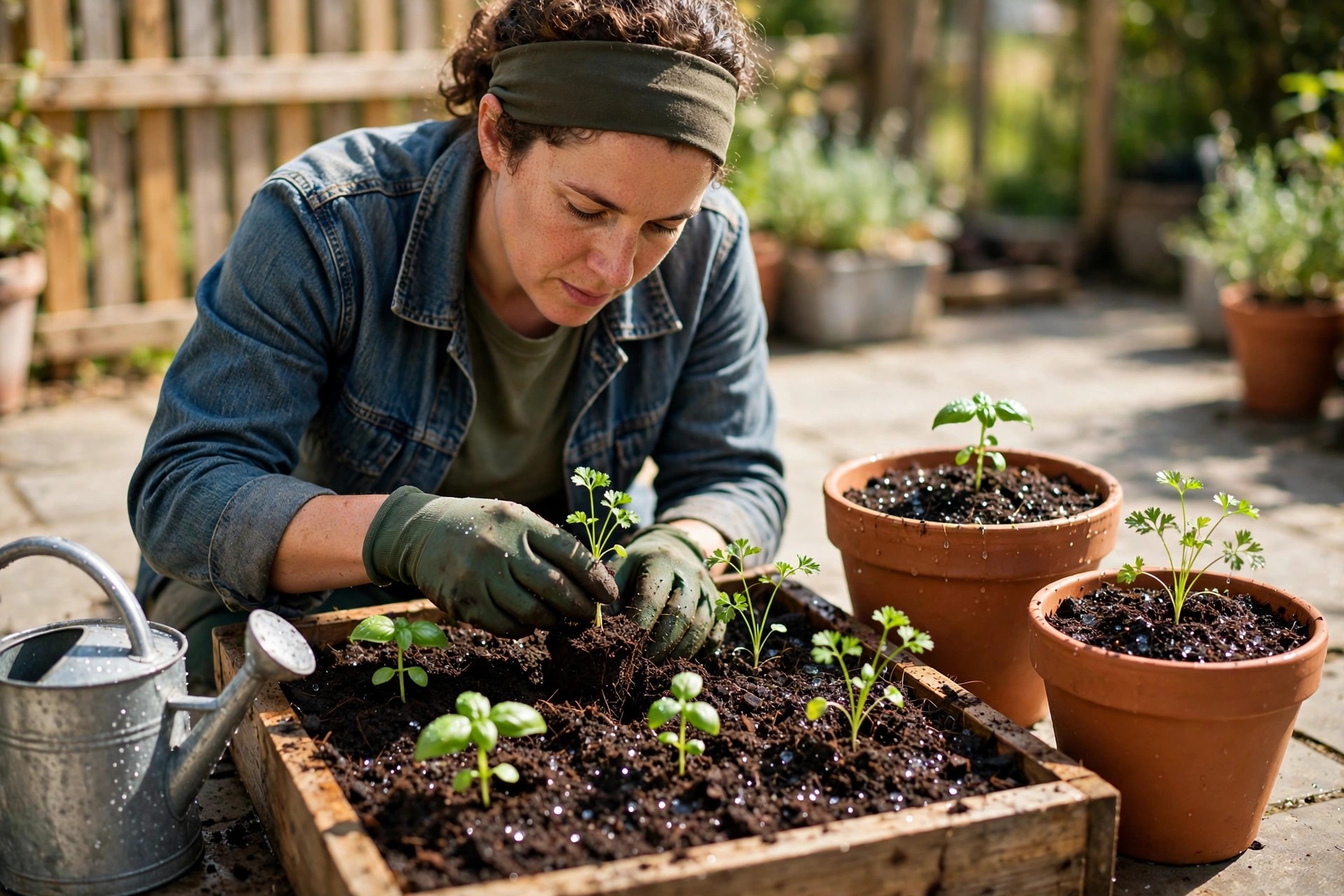 Burpee Organic Premium Potting Mix | Small beds, herbs and patio pots | Coconut coir based blend | 9 qt | 8.2/10 |
What Makes a Good Raised Bed Soil Mix
A raised bed is a closed system, with no deep earth below to rescue a bad fill. The mix must drain freely, hold moisture between waterings, feed plants for weeks, and stay loose enough for roots to push through. Most bagged mixes do two or three of these well. The best ones do all four.
Drainage comes first. Roots sitting in waterlogged soil rot, and few things kill a raised bed faster than a mix that holds water like a sponge. Look for perlite, bark fines or coarse compost in the ingredient list.
Organic matter is the engine. A good raised bed mix is rich in organic matter, because organic matter feeds soil biology, holds nutrients and keeps structure open as it breaks down. Compost, aged bark, worm castings and peat all count.
Nutrients should be built in, but gentle. A starter charge of organic fertilizer, worm castings or bat guano gives young plants a running start. Avoid overapplying fertilizer, whether organic or synthetic. Excess nutrients and soluble salts can damage tender roots, so follow the product label and adjust feeding to your plants’ needs.
pH matters more than most gardeners think. Most vegetables grow best in soil with a pH between 6.2 and 6.8, slightly acidic to neutral. FoxFarm lists the mix as pH adjusted for vegetables. Test your soil first, then choose amendments, and the guide on how to test garden soil walks through the process.
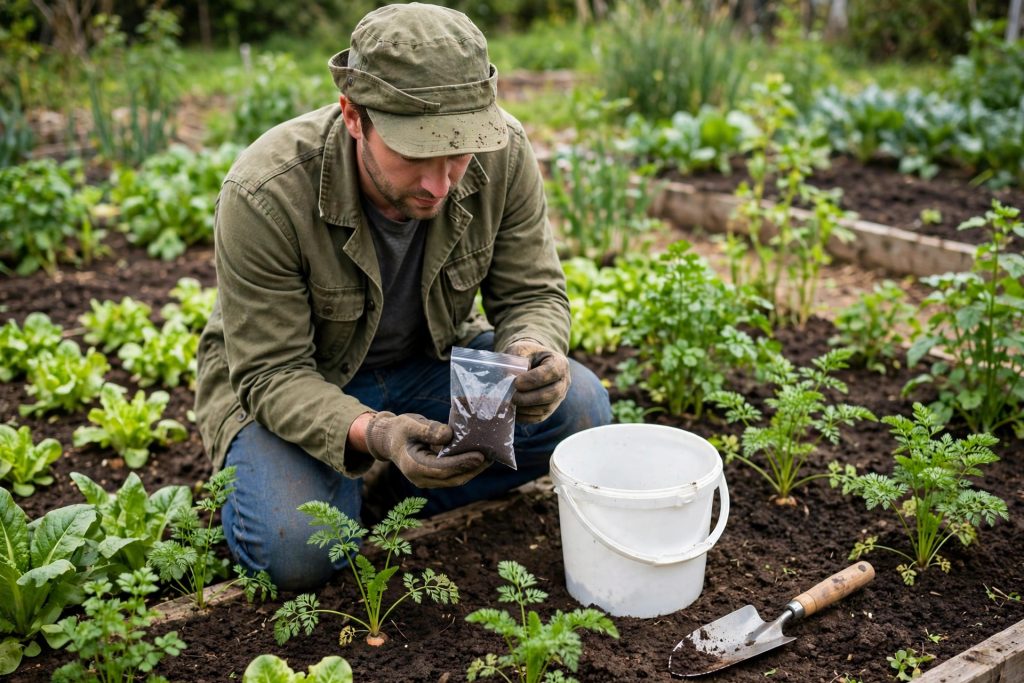
Weight and texture tell you a lot. Judge a mix by its texture, drainage, water retention and ingredient list, not by weight alone. Bag weight varies with moisture content, ingredients and packaging, so a heavy bag is not automatically a poor mix. What matters is that the mix feels crumbly and open, drains freely, and holds moisture between waterings.
Best Soil for Raised Beds
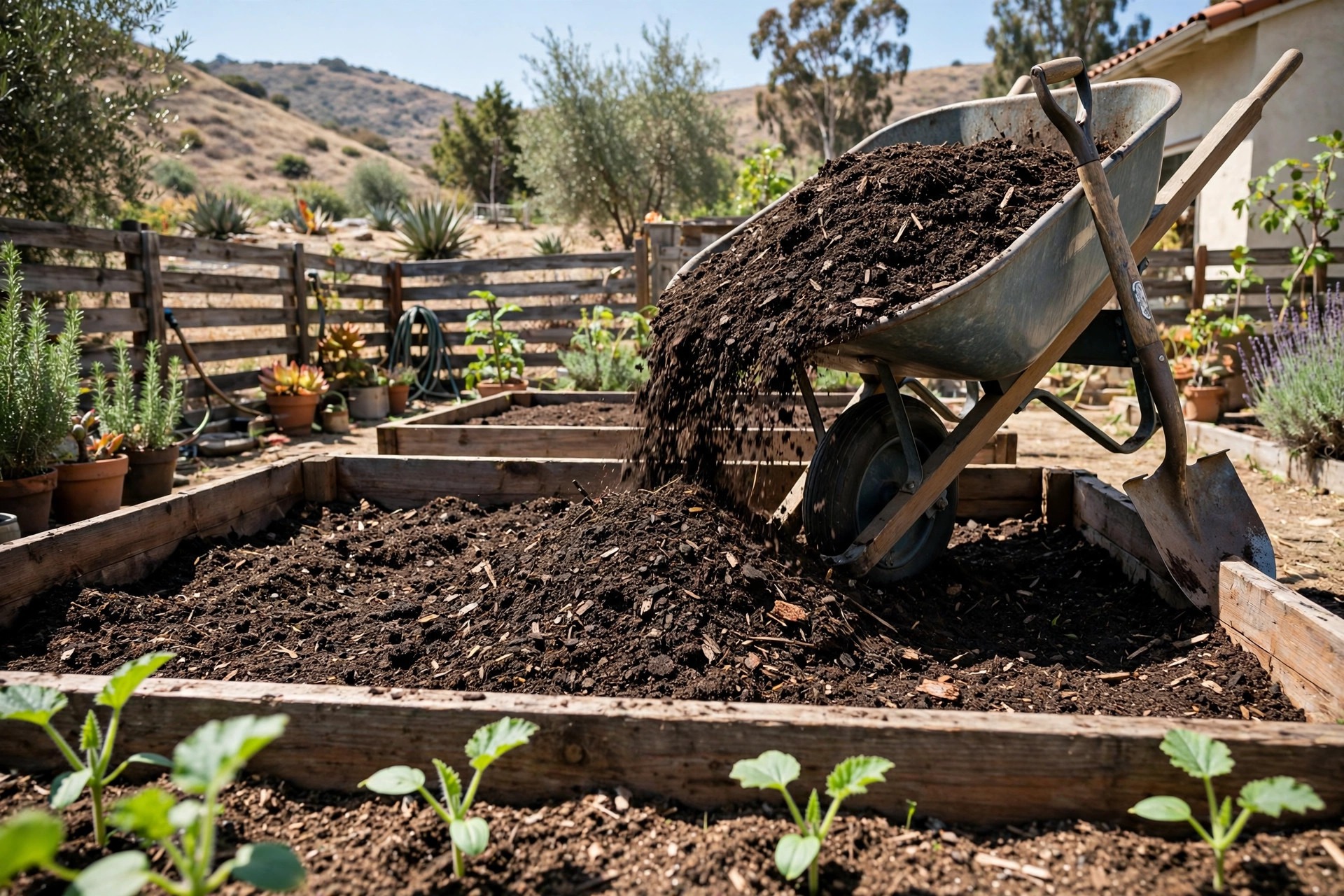
The best raised bed growing medium for a new bed is rarely a single bag poured straight in. For a new bed, put bagged mix on the top layer, where the roots live, over a cheaper fill below. The sections below show you how to mix your own, how much you actually need, and when bagged beats bulk.
Raised Bed Soil Mix Recipe
The classic recipe most square foot gardeners know is Mel’s Mix, equal thirds of blended compost, peat moss or coconut coir, and coarse vermiculite. One third of each, by volume, gives you a light, moisture holding mix that drains well and feeds plants from the compost.
A cheaper version that Extension services recommend uses topsoil as the base. University of Maryland Extension recommends mixing 1 part compost with 2 parts topsoil, or using equal parts of each. The exact ratio should depend on the existing soil and the raised bed setup. On a hard surface such as a patio or driveway, where roots cannot reach the ground below, the same guidance switches to compost and a soilless growing mix in equal parts. The University of Illinois Extension gives a similar working recipe of 40 percent topsoil, 40 percent compost and 20 percent soilless growing mix.
Topping up is simpler. Spread 2 to 3 inches of compost over the surface each spring and work it into the top few inches.
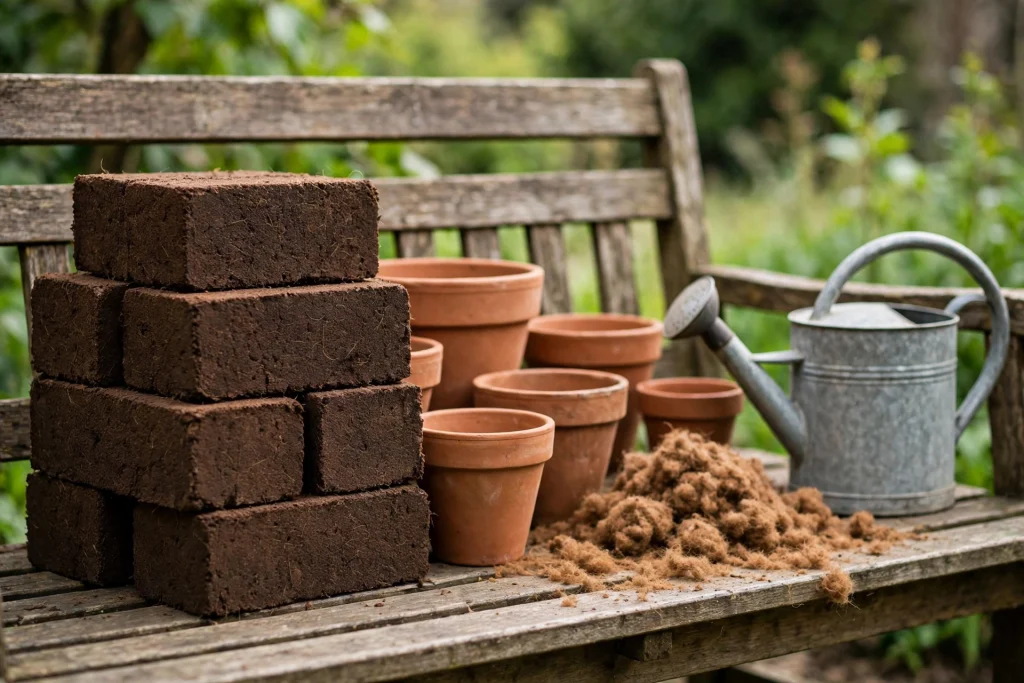
Coconut coir is worth knowing about if you want a peat free mix. Coir holds water well, rehydrates faster than peat after drying out, and has a near neutral pH. Several mixes in this guide use it, and the guide to coco coir bricks explains how to prepare and use it in a raised bed.
How Much Soil for a Raised Bed
The math is simple, and it is worth doing before you shop. Multiply length by width by depth, all in feet, and the answer is cubic feet. Divide by 27 to get cubic yards, which is how bulk soil is sold.
Here is a worked example. A standard bed, 4 feet wide by 8 feet long and 12 inches deep, holds 4 x 8 x 1, which is 32 cubic feet. That is about 1.2 cubic yards. At 1.5 cubic feet per bag, you need 22 bags to fill it. At 2 cubic feet per bag, you need 16 bags. Add about 10 percent extra, because every fill settles in the first few weeks, so plan on 24 bags of a 1.5 cubic foot mix, or 18 bags of a 2 cubic foot mix, for that bed.
A smaller bed is far more manageable. A 4 by 4 foot bed at 12 inches deep holds 16 cubic feet, which is 11 bags of a 1.5 cubic foot mix, or 8 bags of a 2 cubic foot mix, plus a little extra for settling.
Bagged vs Bulk Raised Bed Soil
Bagged soil wins on convenience and consistency. Every bag is the same, it is easy to carry, and you can buy exactly the volume you need. For one or two beds, or for topping up, bagged is the sensible choice.
Bulk soil wins on cost once you pass about 3.5 cubic yards, which is roughly three standard 4 by 8 beds at 12 inches deep. A bulk yard of topsoil and compost blend costs far less per cubic foot than the same volume in bags, and a local supplier can deliver it to your driveway. Ask the supplier where it comes from, whether it has been tested, and look at it before delivery.
A practical middle path is bulk topsoil and compost below, with bagged mix on the top 8 to 12 inches where the roots grow. If you also grow in pots, the potting soil guide covers which bagged mixes suit containers.
How Deep Should a Raised Bed Be
Depth should follow your crops, not the height of your frame. On open ground, roots can grow down into the soil below the bed, so a shallow bed still works. On a hard surface, the bed holds all the soil the roots will ever get, and depth becomes critical.
University of Maryland Extension gives clear minimums for beds on pavement or compacted ground. Leafy greens, beans and cucumbers need at least 8 inches. Peppers, tomatoes and squash need 12 to 24 inches.
For most home gardens, 12 inches is the practical sweet spot. It suits almost every vegetable, it keeps the bag count manageable, and it is easy to reach across. Go to 18 inches if you grow a lot of root crops, or if your bed sits on concrete. Go to 6 or 8 inches only for salads, herbs and strawberries, and only over open ground where roots can reach the soil below.
Leave an inch or two at the top of the frame unfilled, so you have room to water and to add mulch. Mulch on a raised bed cuts watering on hot days and keeps the soil temperature steady, and the mulches guide shows which materials suit vegetable beds best.
Best Raised Bed Soil for Vegetables
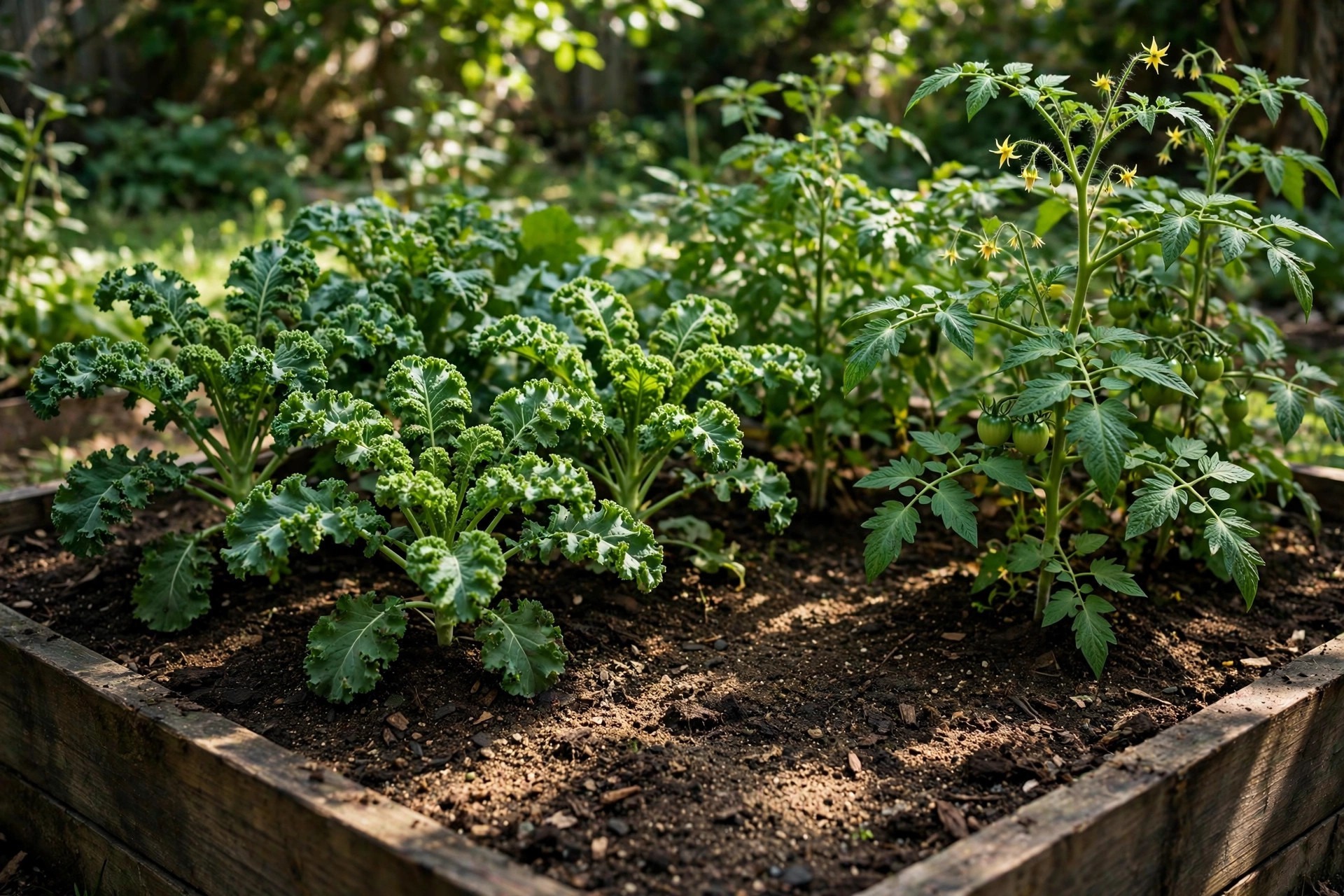
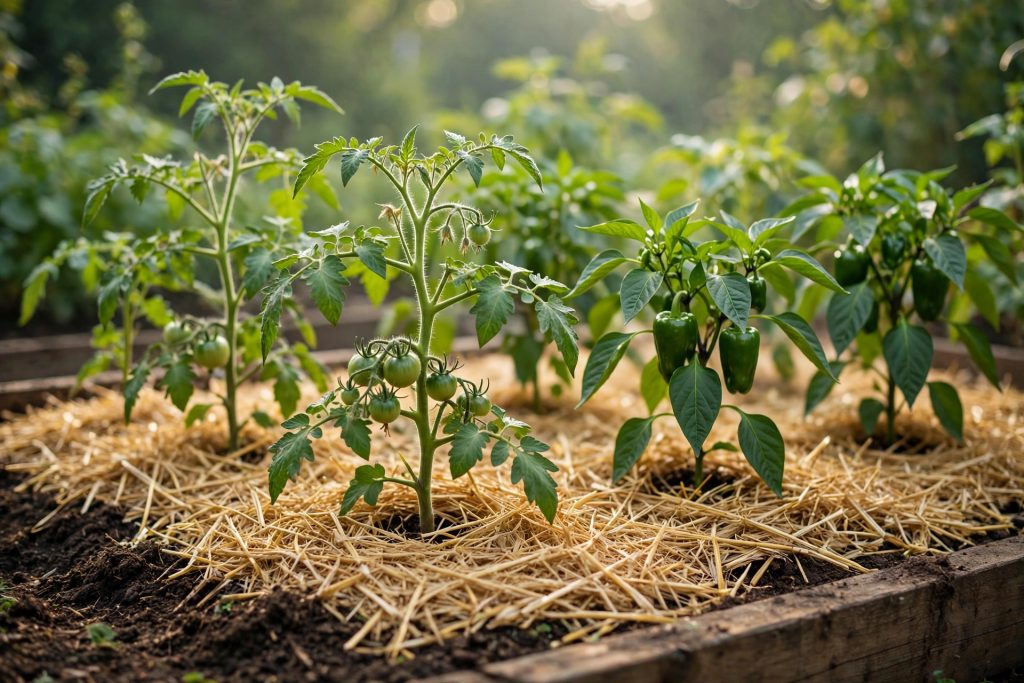
Vegetable beds ask more of a soil mix than flower beds do. Tomatoes, peppers and squash are heavy feeders, and they punish a thin mix by midsummer. The ten products below are ranked by our editorial scores, with the strongest first.
1. Coast of Maine Castine Blend Raised Bed Mix
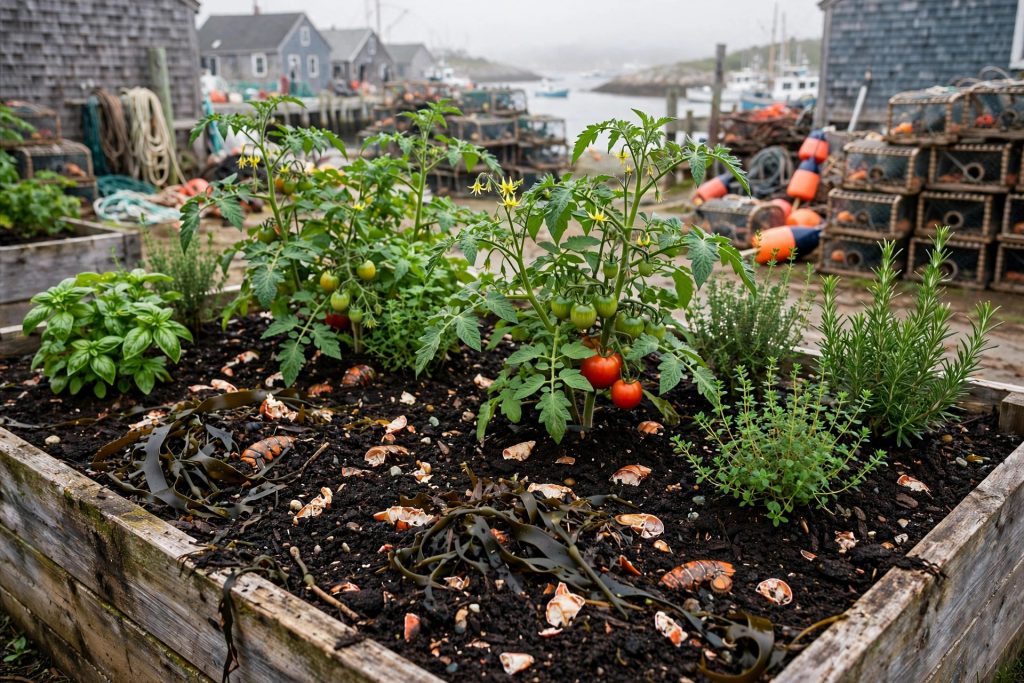
Our rating: 9.1/10. Bag size: 1 and 2 cubic feet. Type: compost based raised bed mix. NPK: 0.6-0.35-0.22 (Guaranteed Analysis, Coast of Maine official product page). OMRI listed.
Castine Blend is the most complete mix in this guide, and the ingredient list explains why. It starts with fully cured compost, then adds sphagnum peat moss, dehydrated poultry manure, aged bark, lobster and crab shell meal, kelp meal, worm castings, greensand, biochar and mycorrhizae.
It is ready to use straight from the bag, with no mixing required, and it suits vegetables, herbs and flowers alike. This is a mix you can use as the full fill, not just a top layer.
The real world limitation is availability and cost. Coast of Maine is a regional brand from the Northeast, and while it ships widely, it is not on every garden center shelf in the country. It also costs more per cubic foot than most mixes here, so filling a large bed entirely with Castine Blend is a real investment.
Who should buy it: organic vegetable gardeners who want the most complete feed in this guide and are willing to pay for it, especially in the Northeast where it is easiest to find.
2. FoxFarm Raised Bed Planting Mix
Our rating: 9.0/10. Bag size: 1.5 cubic feet. Type: peat and forest product blend. NPK: 0.30-0.30-0.05.
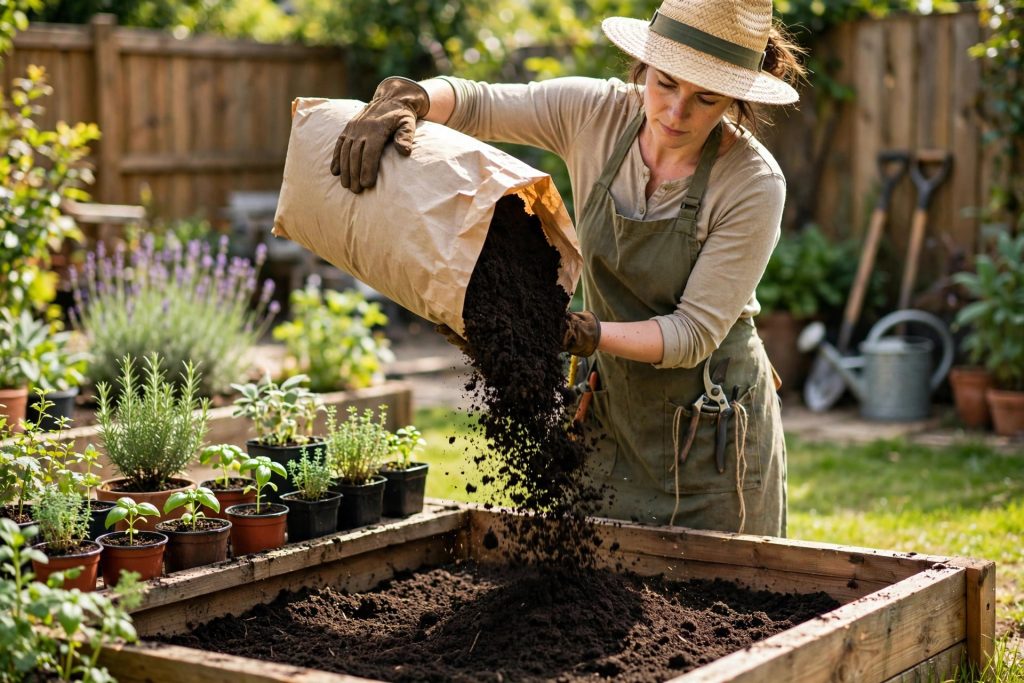
FoxFarm built this mix for raised beds specifically, rather than repurposing a potting soil, and it shows in the formula. The base is 50 to 60 percent aged forest products with sphagnum peat moss, and the fertilizer is derived from earthworm castings, bat guano, oyster shell and dolomite lime. It also contains 1.5 percent humic acids from leonardite.
The maker publishes a coverage table, so you can work out bag numbers before you shop. It is ready to use, and it suits vegetables, flowers, fruits and herbs.
One honest limitation: at 1.5 cubic feet per bag, a standard 4 by 8 bed at 12 inches deep needs 22 bags, so the cost adds up quickly on a big build. The nutrient charge is also modest, which is fine for starting plants, but heavy feeders will want supplemental feeding by midsummer.
Who should buy it: gardeners who want a dedicated raised bed blend from a trusted maker, and who are filling one or two beds rather than a whole allotment.
3. Espoma Organic Raised Bed Mix
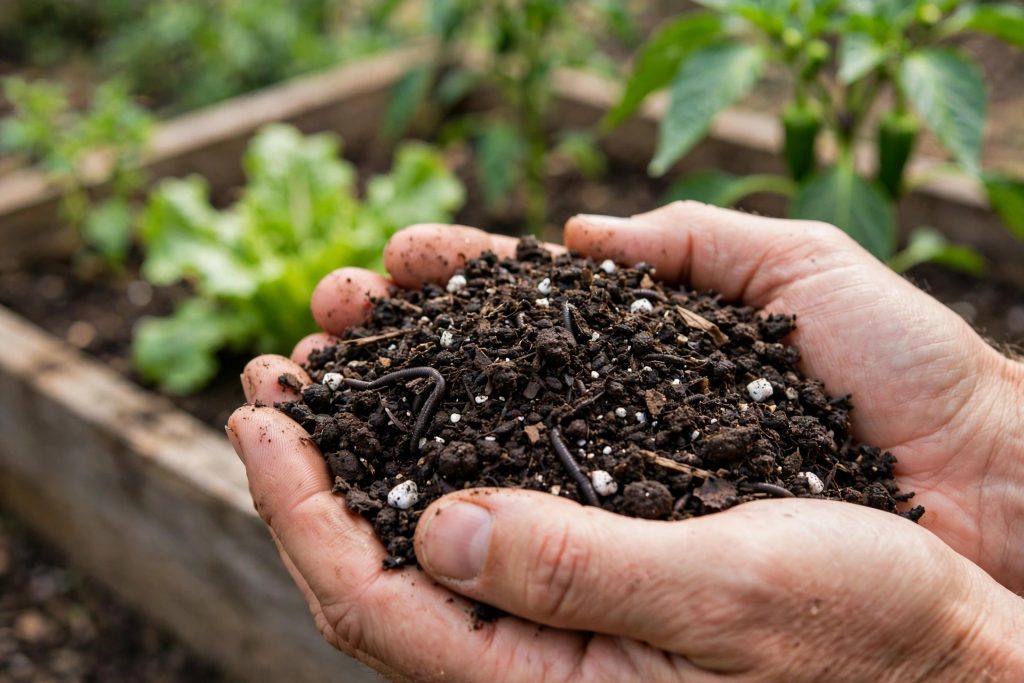
Our rating: 8.9/10. Bag size: 1.5 cubic feet. Type: Aged forest products, peat and perlite blend. NPK: not published. OMRI listed.
Espoma has been making organic garden products for decades, and this mix is purpose built for raised beds rather than borrowed from a potting line. The blend is 55 to 65% aged forest products with sphagnum peat moss and perlite, enriched with earthworm castings, alfalfa meal, kelp meal, feather meal and yucca extract, with limestone to adjust pH.
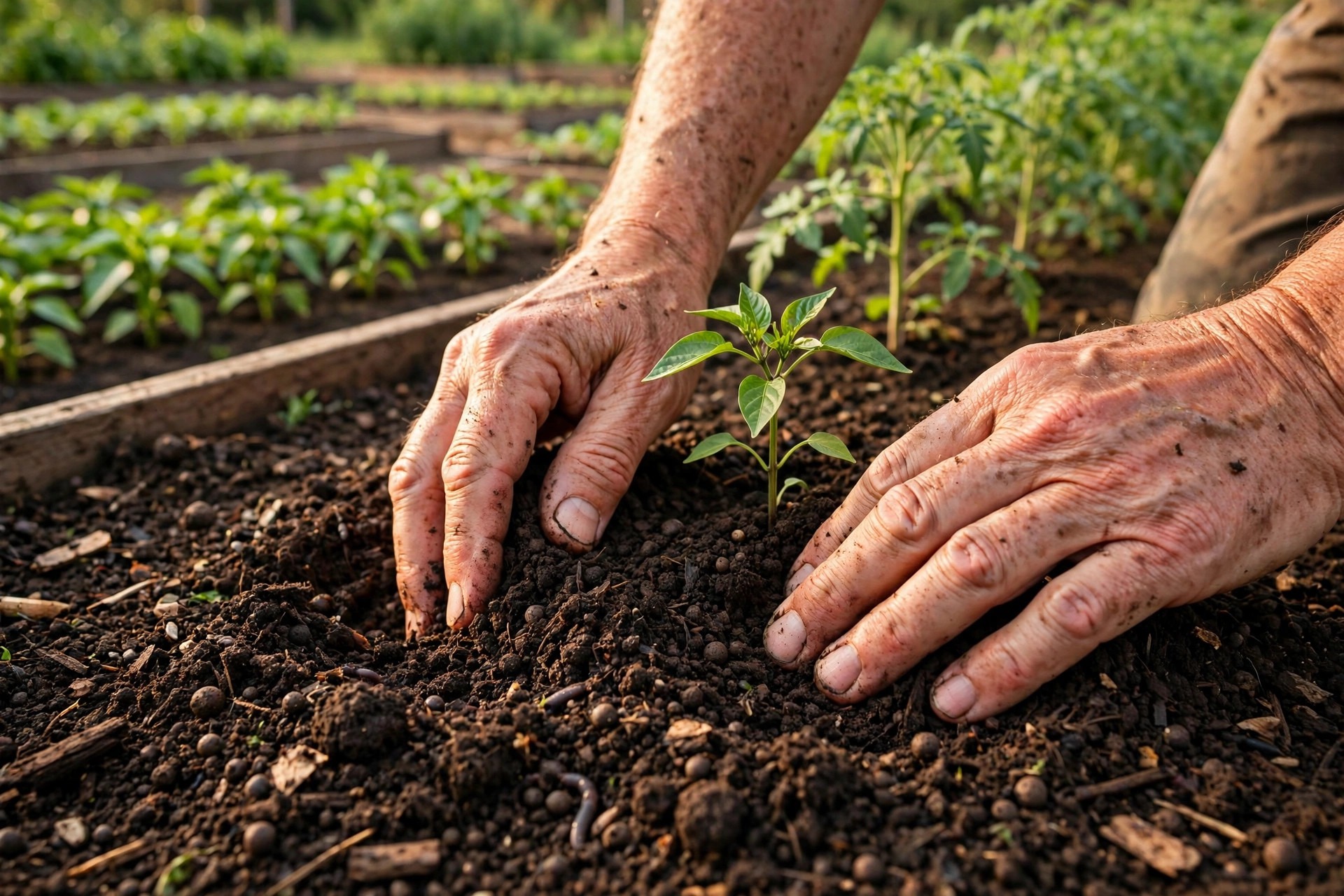
The standout feature is Myco-Tone, Espoma’s proprietary blend of endo and ecto mycorrhizae. These fungi colonize roots and extend their reach into the surrounding soil, which helps plants take up water and phosphorus more efficiently.
It is ready to use with no mixing. One bag covers about 3 square feet at 6 inches deep; Espoma’s own table puts a 4 by 8 foot bed at 12 inches deep at 22 bags.
The limitation is the same as most premium mixes: volume. At 1.5 cubic feet per bag, filling a deep bed entirely with Espoma gets expensive, and it is often sold online rather than in big box stores, so check availability before you plan a weekend build around it.
Who should buy it: organic growers who want mycorrhizae built into the mix, and who are filling a modest bed or topping up an existing one.
4. Miracle-Gro Organic Raised Bed Soil
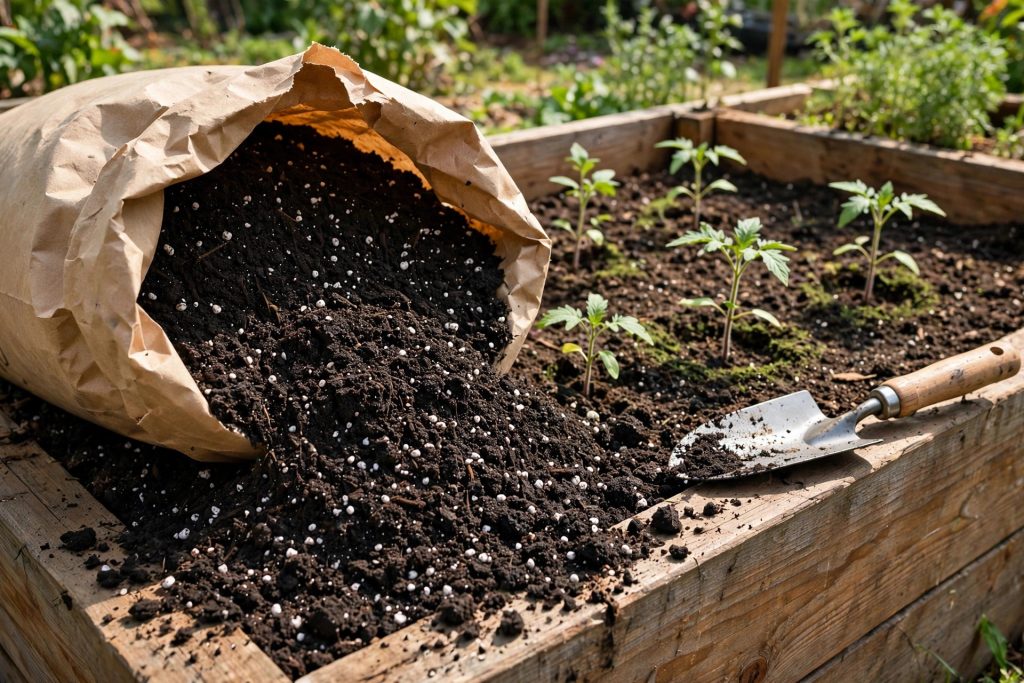
Our rating: 8.8/10. Bag size: 1.5 cubic feet. Type: peat free organic blend. NPK: 0.09-0.06-0.06. OMRI listed.
Miracle-Gro is the easiest mix in this guide to find. It is on the shelf at almost every garden center and big box store in the country, and that availability matters when you need soil this weekend. The formula is OMRI listed and peat free, built on upcycled green waste with alfalfa meal, kelp meal, earthworm castings and bone meal. The maker says it feeds plants for up to 2 months, and two 1.5 cubic foot bags fill a 2 by 2 foot bed at 6 inches deep.
One honest flag, and it is worth stating plainly. ScottsMiracle-Gro sells two very similar products with confusingly close names. The one reviewed here, Organic Raised Bed Soil, SKU 73859430, lists an NPK of 0.09-0.06-0.06. A sibling product, Organic Raised Bed and Garden Soil, SKU 74059430, lists 0.05-0.03-0.05. They are not the same bag, and retailer listings sometimes mix the two up. Check the SKU on the bag you buy, and do not assume the numbers from one apply to the other.
The real world limitation is the feed duration. Two months of feeding is a fair start, but a tomato planted in May will be hungry by July, so plan on a mid season top dress or a liquid feed.
Who should buy it: beginners and gardeners who want a reliable organic mix they can buy locally without hunting, especially for a first raised bed.
5. FoxFarm Ocean Forest Potting Soil
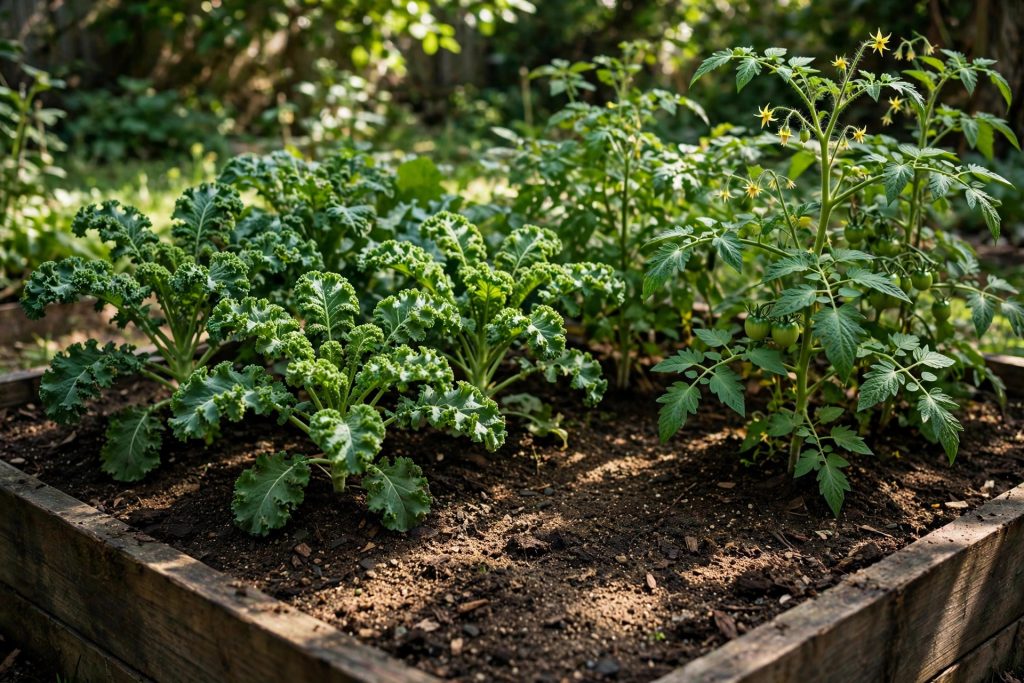
Our rating: 8.8/10. Bag size: 1.5 cubic feet. Type: peat, forest humus and sandy loam. FoxFarm lists the mix as pH adjusted for vegetables.
Ocean Forest is FoxFarm’s most popular potting soil, and it earns its reputation. The blend is 50 to 60 percent aged forest products with sphagnum peat moss, perlite and sandy loam, and the fertilizer is derived from fish emulsion, crab meal, shrimp meal, earthworm castings, kelp meal and oyster shell. FoxFarm lists the mix as pH adjusted for vegetables.
It is a potting soil, not a raised bed mix, but it works well as the top layer of a raised bed, or as the full fill of a shallow bed.
The limitation is the nutrient charge. Ocean Forest is rich, and the maker says there is no need for nitrogen fertilizers at first. It also dries out faster than a compost heavy bed mix in hot weather, so mulch the surface and watch watering in July and August.
One more honest note: the published bag weight disagrees between sellers, with 39.35 pounds listed by one retailer and 34 pounds by another. Bag weight varies with moisture content, so neither number is wrong, but do not plan a haul around an exact weight.
Who should buy it: gardeners who grow heavy feeders and want a rich, proven mix for the top layer of a raised bed, or for deep containers alongside their beds.
6. FoxFarm Happy Frog Potting Soil
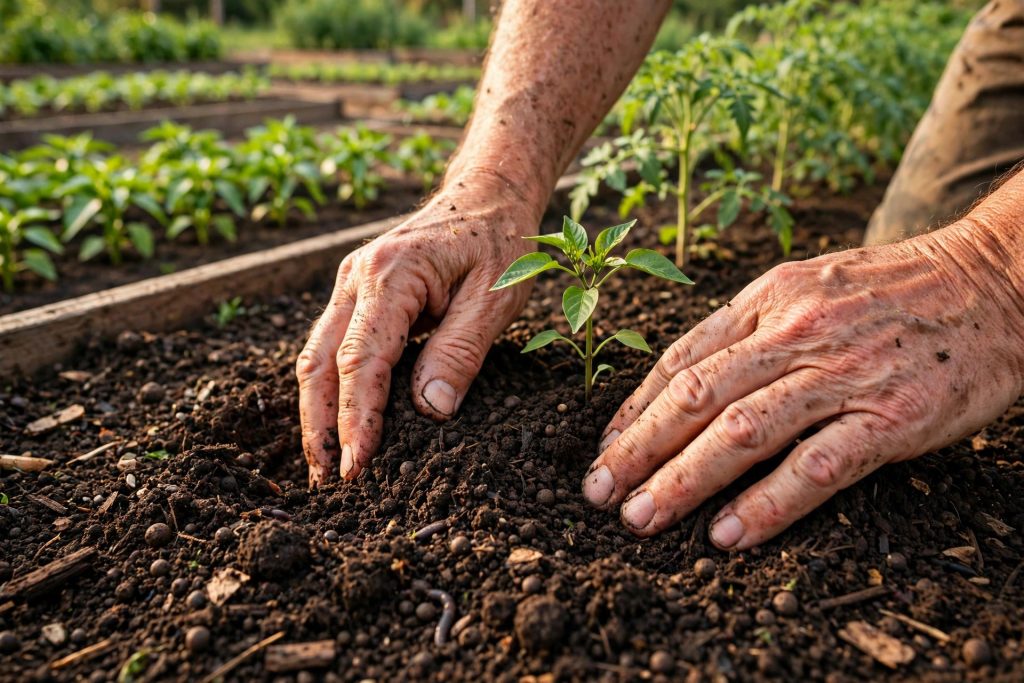
Our rating: 8.7/10. Bag size: 2 cubic feet (51.4 dry quarts), also sold in 12 quart bags. Type: peat, forest humus and castings. NPK: not published.
Happy Frog is the gentler of the two FoxFarm mixes in this guide, and that is its strength. The blend is composted forest humus, sphagnum peat moss, perlite, earthworm castings, bat guano, humic acid, and oyster shell and dolomite lime for pH adjustment. It is amended with mycorrhizal fungi and soil microbes that help roots take up nutrients.
A 4 by 8 bed at 12 inches deep needs 16 bags of Happy Frog, against 22 bags of a 1.5 cubic foot mix.
The trade off is feeding power. Happy Frog is deliberately gentle, so it will not burn young plants, but it also will not carry a heavy tomato crop through the season on its own. Plan on feeding during the growth and bloom seasons, as the maker itself recommends. It also has no OMRI listing, so strict organic growers should check their own program rules before using it.
Who should buy it: gardeners starting transplants, or anyone who wants a gentle, microbe rich mix for young plants and mixed beds, with regular feeding through the season.
7. Proven Winners Premium Potting Soil
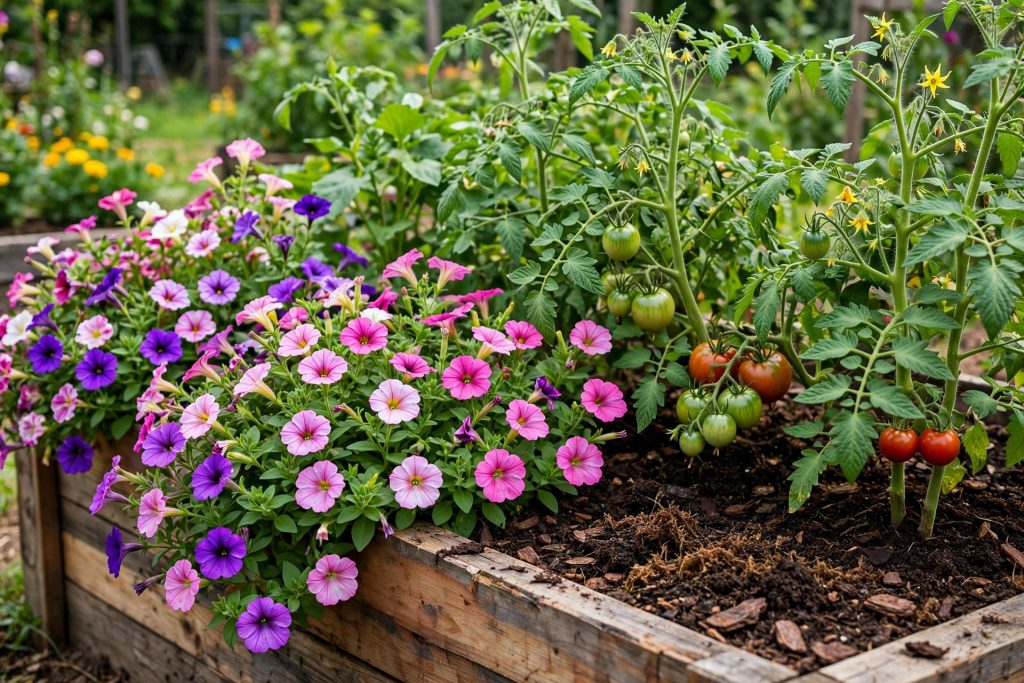
Our rating: 8.6/10. Bag size: 1.5 cubic feet, also sold in 16 quart bags. Type: peat, bark and perlite. Fertilizer: 15-7-15 continuous release plant food.
Proven Winners is a professional grade mix, and it is built the way professional growers build theirs: composted bark, premium Canadian sphagnum peat moss and horticultural grade perlite, with dolomite lime to buffer pH and a professional grade wetting agent so the mix rehydrates evenly after drying out.
The headline feature is the built in fertilizer. The mix comes pre mixed with 15-7-15 continuous release plant food, which feeds plants for up to 6 months, the longest feeding duration in this guide.
There are two things to weigh before buying. First, the fertilizer is a synthetic continuous release formula, not an organic feed, so this is not the pick for a certified organic bed. Second, the 1.5 cubic foot bag is a practical size, but a full bed needs a lot of them, and this mix is often sold through independent garden centers rather than big box stores.
Who should buy it: gardeners with mixed flower and vegetable beds who want the longest built in feeding in this guide, and who are comfortable with a synthetic slow release fertilizer.
8. Kellogg Garden Organics Raised Bed and Potting Mix
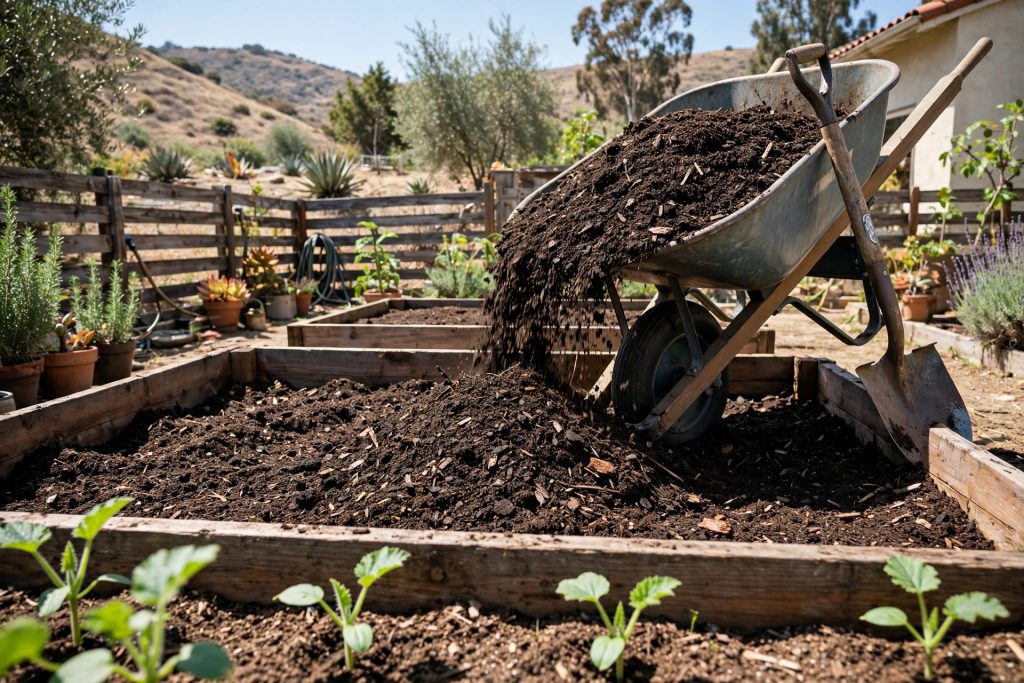
Our rating: 8.5/10. Bag size: 2 cubic feet. Type: forest product and coir blend. NPK: not published. OMRI listed.
Kellogg is the volume pick in this guide. At 2 cubic feet per bag, it covers more bed per bag than most competitors, and the maker says one bag fills a 4 square foot bed about 6 inches deep, or repots five to seven one gallon plants.
The ingredient list is long and honest: recycled forest products, coir, perlite, dehydrated poultry manure, composted poultry manure, hydrolyzed feather meal, peat moss, kelp meal, worm castings and bat guano. It is OMRI listed, and it is ready to use with no mixing.
Two limitations deserve a straight answer. First, availability is regional. The maker says 2 cubic foot bags are available at major retailers in Arizona, California, Hawaii, Nevada and Utah, so gardeners elsewhere may struggle to find it. Second, the texture divides opinion. The mix is built on aged wood fines, which the maker says is intentional, so expect a woodier texture than a compost heavy blend.
Who should buy it: gardeners in the western states filling large beds on a budget, who want the most volume per bag and do not mind a woodier texture.
9. Black Gold Natural and Organic Potting Mix
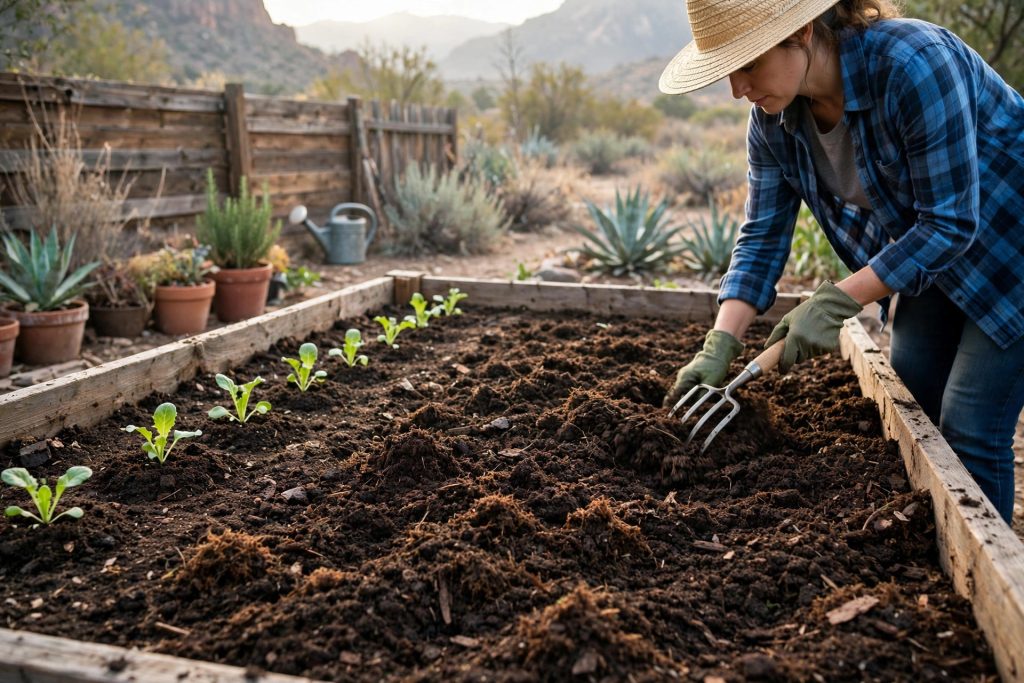
Our rating: 8.4/10. Bag size: 1.5 cubic feet, also sold in 8 quart, 16 quart, 1 cubic foot and 2 cubic foot sizes. Type: peat, bark and compost blend. NPK: 0.05-0.0-0.0. OMRI listed.
Black Gold is a Sun Gro brand with a long history in western garden centers, and its Natural and Organic Potting Mix is recommended for container plantings and raised beds alike. The ingredient list is straightforward: Canadian sphagnum peat moss, bark, compost, perlite or pumice or cinders, earthworm castings and organic fertilizer, plus RESiLIENCE, the maker’s silicon enriched amendment. The NPK of 0.05-0.0-0.0 tells you the feed is very light, so you will need to feed through the season.
The limitation is geography. The product sheet notes it is available in western states only, so gardeners in the east will have to look elsewhere. The light nutrient charge is the other trade off, and it is why this mix scores below the richer blends even though the texture is good.
Who should buy it: western US gardeners who want a reliable organic mix for raised beds and containers, and who are happy to feed through the season.
10. Burpee Organic Premium Potting Mix
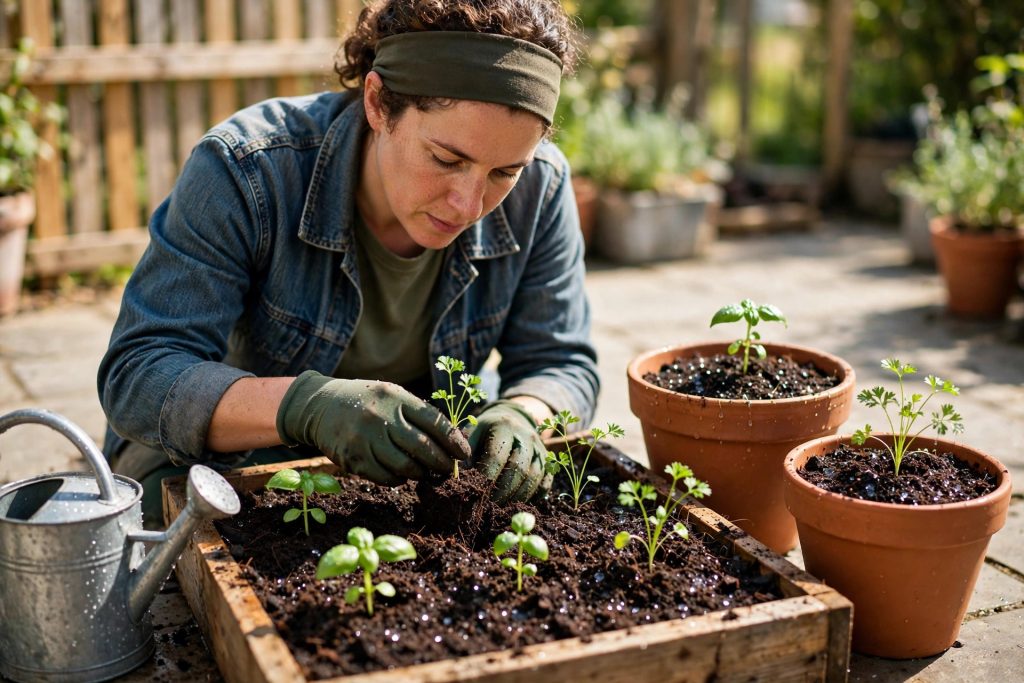
Our rating: 8.2/10. Bag size: 9 quarts. Type: coconut coir based blend. NPK: 0.12-0.12-0.12. OMRI listed.
Burpee is the smallest bag in this guide, and that is both its charm and its limit. The coir based mix is OMRI listed, and its slow release plant food feeds for up to 3 months. It is marketed for containers and raised beds, indoors and out, and it suits vegetables, flowers and herbs.
The coir base holds moisture well between waterings, the texture is fine and even, and the 9 quart bag is easy to carry and store.
The limitation is simple arithmetic. Nine quarts is about a third of a cubic foot, so filling a standard 4 by 8 bed at 12 inches deep would take roughly 96 bags. Nobody should do that. Use it for what it is made for: small beds, herb planters, seed starting and topping up. Coir can also turn hydrophobic if it dries out completely, so keep it watered in hot, windy spots.
Who should buy it: patio gardeners, herb growers and anyone with a small raised bed who wants a clean, coir based organic mix in a manageable bag.
How We Chose
No product in this guide was tested in our own garden. The scores are editorial, built from published manufacturer specifications and ingredient transparency.
Each mix was scored on the same seven factors, weighted by how much each factor matters in a raised bed.
| Factor | Weight | What we looked for |
|---|---|---|
| Ingredients and organic matter | 25% | Compost, castings and real organic matter, not just shredded wood. |
| Drainage and aeration | 20% | Perlite, bark fines or coarse compost that keeps the mix open. |
| Nutrient charge and feeding duration | 15% | A gentle starter feed that lasts weeks, not days. |
| Bag size and coverage value | 15% | Cubic feet per bag and how many bags a standard bed needs. |
| Availability | 10% | Whether a US gardener can actually buy it without hunting. |
| Owner feedback patterns | 10% | Consistent reports on texture, drainage and plant response. |
| Raised bed fit | 5% | Formulated for beds, not just repurposed from pots. |
| Total | 100% |
Each factor is scored out of 10. The weighted total is the sum of each factor score multiplied by its weight, shown to two decimal places; the rating is the total rounded to one decimal place. The Owner feedback scores below are editorial assessments from the article’s own reading of each mix; no specific review sample (retailer, platform or date) was cited in the draft for any product, so they are not evidence from a review sample.
| Product | Ingredients 25% | Drainage 20% | Nutrient 15% | Bag size 15% | Availability 10% | Owner feedback 10% | Raised bed fit 5% | Weighted total | Our rating |
|---|---|---|---|---|---|---|---|---|---|
| Coast of Maine Castine Blend | 9.5 | 9.0 | 9.5 | 8.0 | 8.5 | 9.0 | 10.0 | 9.05 | 9.1 |
| FoxFarm Raised Bed Planting Mix | 9.5 | 9.0 | 8.5 | 8.5 | 9.0 | 9.0 | 10.0 | 9.03 | 9.0 |
| Espoma Organic Raised Bed Mix | 9.0 | 9.0 | 8.5 | 8.5 | 8.5 | 9.0 | 10.0 | 8.85 | 8.9 |
| Miracle-Gro Organic Raised Bed Soil | 9.0 | 8.5 | 8.0 | 8.5 | 10.0 | 9.0 | 9.0 | 8.78 | 8.8 |
| FoxFarm Ocean Forest Potting Soil | 9.0 | 8.5 | 9.0 | 8.5 | 9.5 | 9.0 | 8.0 | 8.83 | 8.8 |
| FoxFarm Happy Frog Potting Soil | 8.5 | 8.5 | 8.0 | 9.5 | 9.0 | 9.0 | 8.5 | 8.68 | 8.7 |
| Proven Winners Premium Potting Soil | 8.5 | 9.0 | 9.0 | 8.5 | 8.0 | 8.5 | 8.0 | 8.60 | 8.6 |
| Kellogg Garden Organics Raised Bed and Potting Mix | 8.5 | 8.5 | 8.5 | 9.5 | 7.0 | 8.0 | 9.5 | 8.50 | 8.5 |
| Black Gold Natural and Organic Potting Mix | 9.0 | 8.5 | 7.5 | 8.5 | 7.0 | 8.5 | 9.0 | 8.35 | 8.4 |
| Burpee Organic Premium Potting Mix | 8.5 | 8.5 | 8.5 | 6.0 | 9.0 | 8.5 | 8.0 | 8.15 | 8.2 |
For example, Castine Blend: 9.5×0.25 + 9.0×0.20 + 9.5×0.15 + 8.0×0.15 + 8.5×0.10 + 9.0×0.10 + 10.0×0.05 = 9.05, shown as 9.1.
A lower score usually means a real limitation, such as a tiny bag or regional availability, rather than a bad product. Burpee scores lowest here because a 9 quart bag cannot fill a bed, not because the mix itself is poor.
Final Choice
For most vegetable gardeners, the best raised bed soil mix is Coast of Maine Castine Blend. Its compost base with lobster and crab shell meal, kelp meal, biochar and mycorrhizae, and its published Guaranteed Analysis of 0.6-0.35-0.22, make it the most complete feed in this guide, and it is OMRI listed. No mix suits every climate, crop or garden condition, so match the bag to your bed, your crops and what you can buy locally.
If Castine Blend is not on your local shelf, FoxFarm Raised Bed Planting Mix is the pick to buy instead. It is built for raised beds, it is ready to use, and its coverage table takes the guesswork out of ordering. Espoma Organic Raised Bed Mix is the best choice if mycorrhizae and a fully organic program matter most to you.
For a large build on a budget, Kellogg gives you the most soil per bag. For a first bed, Miracle-Gro is the easiest bag to find. Match the bag to the bed, add compost every spring, and the soil will take care of the rest.
Summary Table
| Product | Bag Size | Best For | Our Rating |
|---|---|---|---|
| Coast of Maine Castine Blend | 1 and 2 cu ft | Organic vegetable gardens | 9.1/10 |
| FoxFarm Raised Bed Planting Mix | 1.5 cu ft | Mixed vegetable beds | 9.0/10 |
| Espoma Organic Raised Bed Mix | 1.5 cu ft | Organic gardens, mycorrhizae | 8.9/10 |
| Miracle-Gro Organic Raised Bed Soil | 1.5 cu ft | Beginners, easy availability | 8.8/10 |
| FoxFarm Ocean Forest Potting Soil | 1.5 cu ft | Heavy feeders, top layer | 8.8/10 |
| FoxFarm Happy Frog Potting Soil | 2 cu ft | Transplants, young plants | 8.7/10 |
| Proven Winners Premium Potting Soil | 1.5 cu ft | Mixed flower and vegetable beds | 8.6/10 |
| Kellogg Garden Organics Raised Bed and Potting Mix | 2 cu ft | Large beds on a budget | 8.5/10 |
| Black Gold Natural and Organic Potting Mix | 1.5 cu ft | Western US gardeners | 8.4/10 |
| Burpee Organic Premium Potting Mix | 9 qt | Small beds, herbs, patio pots | 8.2/10 |
References
- University of Maryland Extension, Maryland Grows, “Filling Your Raised Bed” – Supports the compost:topsoil ratio (1 part compost to 2 parts topsoil, or equal parts), the compost:soilless mix ratio of 1:1 on hard surfaces, and depth minimums of 8 inches for leafy greens and 12 to 24 inches for peppers, tomatoes and squash.
- University of Illinois Extension, “Raised Bed Checklist” – Supports the 40 percent topsoil, 40 percent compost and 20 percent soilless growing mix recipe, the depth range of 6 to 12 inches, and testing soil before planting.
- Coast of Maine Organic Products, “Castine Blend Raised Bed Mix” – Supports the Guaranteed Analysis 0.6-0.35-0.22, the ingredient list, the OMRI listing, and the 1 and 2 cubic foot bag sizes.
- Coast of Maine, “Castine Blend Safety Data Sheet” (1 Oct 2025) – Supports dehydrated poultry manure in the current specification.
- FoxFarm, “FoxFarm Raised Bed Planting Mix” – Supports NPK 0.30-0.30-0.05, the 50 to 60 percent aged forest products base, and the coverage table.
- FoxFarm, “Ocean Forest Potting Soil” – Supports the blend, light aerated texture, and “no need for nitrogen fertilizers at first”.
- FoxFarm, “Happy Frog Potting Soil” – Supports the composted forest humus blend and the 2 cubic foot bag size.
- Espoma Organic, “Raised Bed Mix” – Supports the Myco-Tone mycorrhizae blend, the ingredients (compost NOT listed), and the bag table (2×2 ft at 6 in = 2 bags; 4×8 ft at 12 in = 22 bags).
- ScottsMiracle-Gro, “Miracle-Gro Organic Raised Bed Soil” – Supports the 1.5 cubic foot bag, NPK 0.09-0.06-0.06, OMRI listing, and peat-free formula.
- Kellogg Garden Products, “Raised Bed and Potting Mix” – Supports the 2 cubic foot bag, ingredients including kelp meal, poultry manure and earthworm castings, OMRI listing, and regional availability (Arizona, California, Hawaii, Nevada, Utah).
- Proven Winners, “Potting Soil” – Supports the composted bark, Canadian peat and perlite blend, 1.5 cubic foot and 16 quart bags, and the 15-7-15 feed.
- Black Gold (Sun Gro Horticulture) brand page – Lists Black Gold Natural and Organic Potting Mix. Sun Gro info sheet – Supports NPK 0.05-0.0-0.0, ingredients, and western-states-only availability.
- Burpee, “9 Quart Premium Organic Potting Mix” – Supports the 9 quart bag, coconut coir base, feeding for up to 3 months, OMRI label, and raised bed suitability.
Frequently Asked Questions
What is the best raised bed soil mix for vegetables?
For most vegetable gardeners, the best raised bed soil mix is Coast of Maine Castine Blend, our top pick, because its compost rich base, lobster and crab shell meal, kelp, biochar and mycorrhizae feed heavy crops all season. FoxFarm Raised Bed Planting Mix is the best runner up if you cannot find Castine Blend locally.
Can I use potting soil in a raised bed?
Yes, but with a condition. Potting soil works well as the top layer of a raised bed, or as the full fill of a shallow bed, because it drains freely and is light enough for roots. For a deep bed, fill the lower half with bulk topsoil and compost, and use bagged potting soil for the top 8 to 12 inches.
How much soil do I need for a 4 by 8 raised bed?
A 4 by 8 foot bed at 12 inches deep holds 32 cubic feet. That is 22 bags of a 1.5 cubic foot mix, or 16 bags of a 2 cubic foot mix. Add about 10 percent extra for settling, so plan on 24 bags of a 1.5 cubic foot mix, or 18 bags of a 2 cubic foot mix. Measure the inside of your frame, not the outside.
How deep should a raised bed be?
Twelve inches suits almost every vegetable and is the practical default for most gardens. Leafy greens, beans and cucumbers manage with 8 inches on a hard surface, while peppers, tomatoes and squash need 12 to 24 inches. Root crops like carrots and potatoes want 12 to 18 inches of loose soil.
What is the best raised bed soil mix recipe?
The simplest reliable recipe is Mel’s Mix: equal thirds of blended compost, peat moss or coconut coir, and coarse vermiculite. University of Maryland Extension recommends mixing 1 part compost with 2 parts topsoil, or using equal parts of each. The exact ratio should depend on the existing soil and the raised bed setup. On a hard surface, use compost and a soilless growing mix in equal parts.
Should I use bagged or bulk soil for raised beds?
Bagged soil is best for one or two beds, for topping up, and when you want consistent quality without a delivery. Bulk soil is best once you pass about 3.5 cubic yards, which is roughly three standard 4 by 8 beds at 12 inches deep, because it costs far less per cubic foot.

Thesis Link : https://saulibrary.edu.bd/daatj/public/uploads/BAU200601_19-Pp_5.pdf
- 10 Best Neem Oil Sprays for Plants - November 19, 2026
- 10 Best Raised Bed Soil Mixes for Productive Gardens - November 19, 2026
- 10 Best Organic Pesticides for Gardens - November 19, 2026